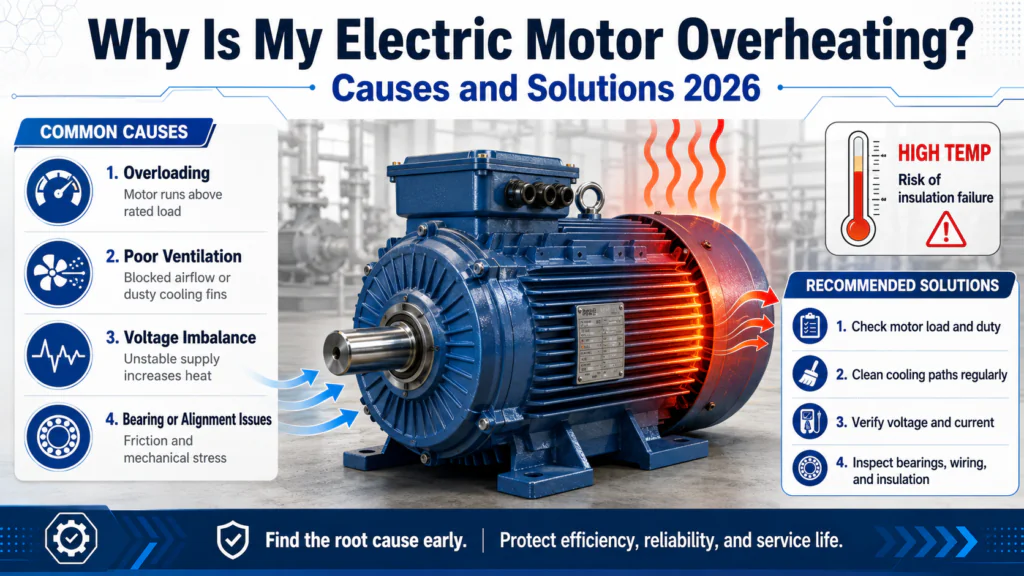
Электродвигатель перегревается, когда выделяемого им тепла больше, чем он может отдать в окружающий воздух. По моему опыту в Dongchun Motor, это почти всегда сводится к одной из шести причин: механическая перегрузка, блокировка охлаждения, проблемы с напряжением, износ подшипников, повреждение изоляции или гармоническое напряжение от преобразователя частоты. Двигатель обычно предупреждает вас перед тем, как выйти из строя — рост тока, перегрев корпуса, странный шум. Выявите причину как можно раньше, устраните ее до того, как сгорит обмотка.
Почему электродвигатель перегревается?
Я работаю в автомобильном бизнесе в компании Dongchun Motor (iecmotores.com) более 10 лет, и перегрев — это проблема, с которой я сталкиваюсь чаще всего. Мне звонят клиенты из Бразилии, Греции, Индонезии — разные страны, одна и та же история. Мотор работал нормально в течение многих лет, но однажды он сломался или, что еще хуже, просто остановился и почувствовал запах горящего пластика.
Вот то, чего упускает большинство людей. Мотор не может внезапно перегреться. Оно добирается туда медленно. Признаки появляются за несколько недель до настоящего сбоя — более высокое потребление тока, корпус, который кажется более горячим, чем обычно, когда вы кладете на него руку, возможно, слабое гудение, которого раньше не было. К тому времени, когда изоляция пахнет, уже происходит реальный ущерб.
[Температурные классы двигателя IEC 60034-1] (https://webstore.iec.ch/en/publication/64293)1 — международный стандарт тепловой защиты двигателя — подтверждает, что срок службы изоляции сокращается примерно вдвое при каждом повышении температуры на 8–10°C выше номинальной. Это число имеет большее значение, чем думает большинство покупателей.
Позвольте мне рассказать вам о шести причинах, которые я вижу чаще всего, о том, как их найти и что делать с каждой из них.
Вот краткий обзор, прежде чем мы углубимся:
| Причина | Распространенный симптом | Быстрая проверка |
|---|---|---|
| Перегрузка | Сильноточное, сработавшее тепловое реле | Сравните усилители с паспортной табличкой FLA. |
| Плохая вентиляция | Горячая рама, засоренные ребра | Осмотрите кожух вентилятора и ребра охлаждения. |
| Проблема с напряжением | Неравные фазные токи, гудение | Измерьте напряжение на клеммах двигателя |
| Выход из строя подшипника | Вибрация, шум, локализованное тепло | Инфракрасный термометр на корпусах подшипников |
| Деградация изоляции | Периодические поездки, запах гари. | Проверка сопротивления изоляции мегомметром |
| Гармоники частотно-регулируемого привода | Перегрев на низкой скорости, шум обмотки | Проверьте настройки привода и длину кабеля |
Стоит запомнить одно правило: каждые 10°C превышения номинальной температуры двигателя сокращают срок службы изоляции примерно вдвое. 4-полюсный двигатель IE3, рассчитанный на 20 лет работы при номинальной температуре, может выйти из строя через два года, если он будет работать при температуре 40°C слишком сильно. Это не маленькая разница.
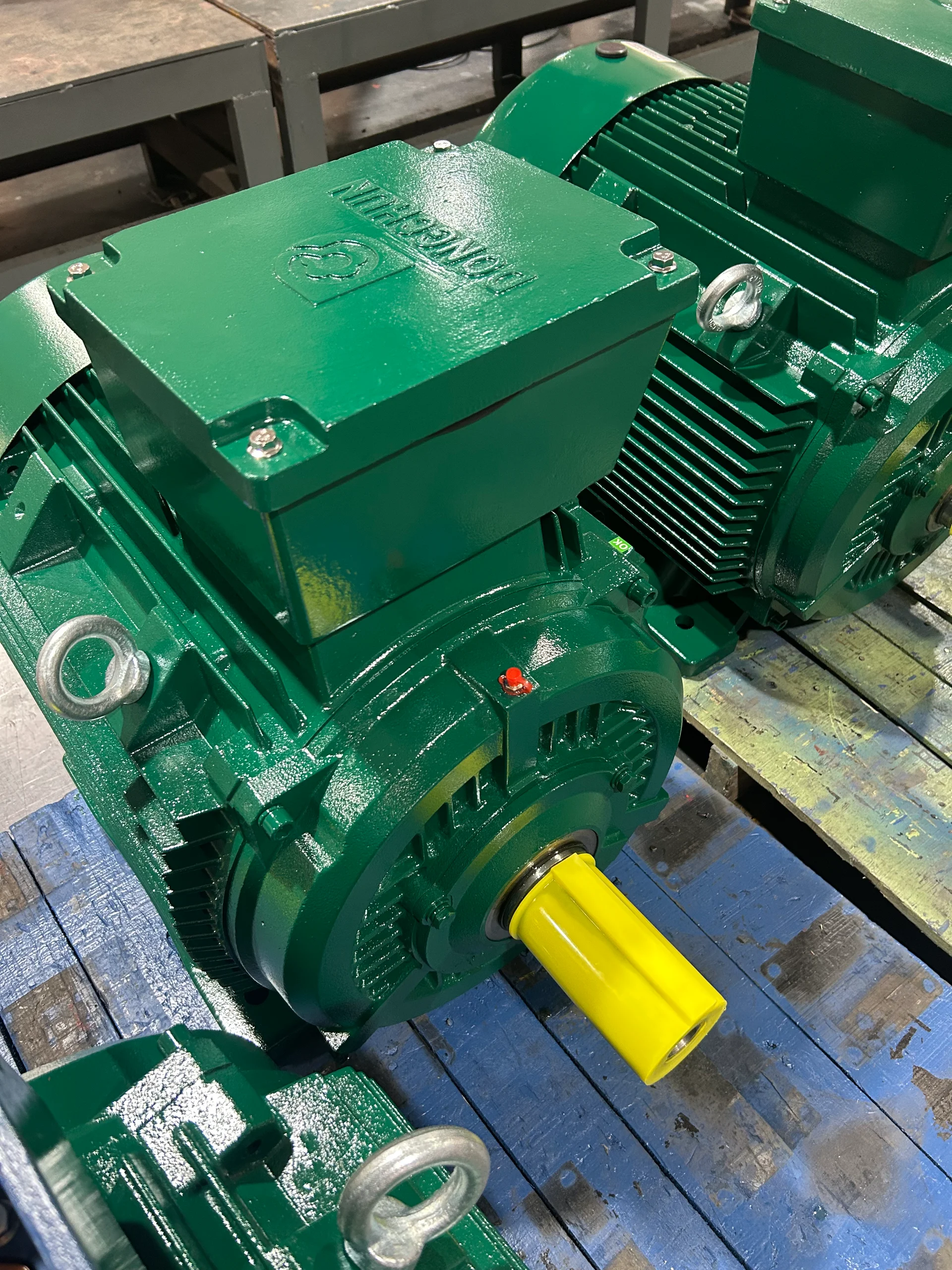
Повышение температуры на каждые 10°C выше номинальной сокращает срок службы изоляции двигателя примерно вдвое.Истинный
Это хорошо зарекомендовавший себя принцип термического старения в автомобилестроении, соответствующий стандартам IEC 60034-1 и на который ссылаются такие отраслевые организации, как AEMT.
Двигатель, сработавший из-за тепловой защиты, можно безопасно перезапустить сразу после сброса реле.ЛОЖЬ
Вам следует дать двигателю полностью остыть, затем найти и устранить причину перед повторным запуском. Перезапуск без устранения основной причины приводит к повторяющимся термоциклам, которые постепенно повреждают изоляцию.
Причина 1: Механическая перегрузка
Перегрузка — самая распространенная причина, с которой я сталкиваюсь. Это происходит, когда нагрузка на вал требует большего крутящего момента, чем рассчитан двигатель. Двигатель реагирует, потребляя больший ток, а больший ток означает больше тепла в обмотках статора.
Вот в чем люди часто ошибаются: перегрузка возникает не только потому, что кто-то выбрал неправильный двигатель. Двигатель может работать нормально в течение многих лет, а затем начать перегружаться из-за изменения условий. Крыльчатка насоса изнашивается и сопротивление возрастает. Конвейерная лента накапливает материал. Коробка передач становится жесткой.
В прошлом году у меня был заказчик в Польше — у него стоял 4-полюсный двигатель IE3 мощностью 15 кВт, типоразмер 160М, на шнековом конвейере, который прекрасно работал три года. Затем подшипники в его коробке передач начали изнашиваться, что увеличило сопротивление, и двигатель стал работать выше номинальной нагрузки. Он понятия не имел. Мотор просто «старел»" в его уме. Как только мы измерили ток тока по паспортной табличке FLA, ответ стал очевиден.
Как диагностировать: зажать амперметр на каждой фазе и считать рабочий ток при полной нагрузке. Затем сравните это значение с значением тока полной нагрузки (FLA), указанным на паспортной табличке. Если вы постоянно превышаете это число, двигатель перегружен. Просто.
НЕТ МГ 1 Часть 312 определяет коэффициент эксплуатации как множитель, применяемый к номинальной нагрузке. Коэффициент эксплуатации 1,15 означает, что двигатель может непрерывно выдерживать 115 % номинальной нагрузки, но только при номинальной температуре окружающей среды и при чистом охлаждении.
Двигатель с коэффициентом эксплуатации 1,15 может непрерывно выдерживать 115 % номинальной нагрузки, но только при нормальной температуре окружающей среды и хорошей вентиляции. Не используйте фактор обслуживания как причину игнорировать проблему.
Что делать:
- Если можете, уменьшите механическую нагрузку.
- Если нагрузка действительно выросла, установите двигатель большей мощности — для мощности в 15 кВт, которая выходит за рамки, увеличьте мощность до 18,5 кВт для корпуса 160L или до 22 кВт для корпуса 180M.
- Добавьте устройство плавного пуска или частотно-регулируемый привод, чтобы сократить пусковой ток в многоцикловых приложениях.
- Правильно настройте тепловое реле перегрузки. Слишком высокая установка реле не является защитой — это ложное чувство безопасности.
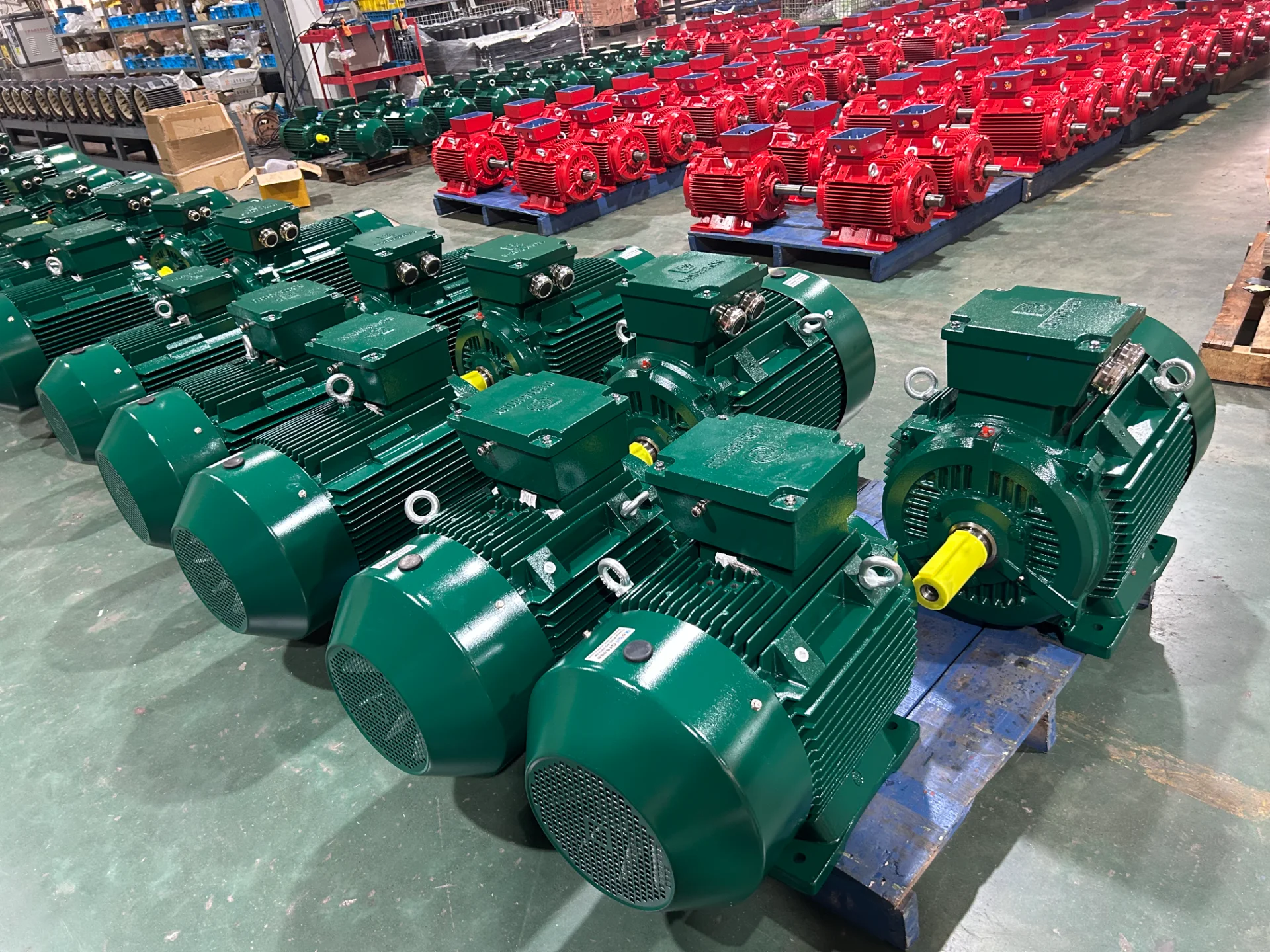
Сравнение рабочего тока с паспортной табличкой FLA — самый быстрый способ диагностировать перегрузку двигателя.Истинный
Считывание всех трехфазных токов с помощью клещей и сравнение с номинальной силой тока при полной нагрузке напрямую показывает, работает ли двигатель тяжелее, чем было рассчитано.
Коэффициент эксплуатации двигателя позволяет ему работать с нагрузкой выше номинальной неограниченное время без каких-либо последствий.ЛОЖЬ
Коэффициент эксплуатации применяется только тогда, когда температура окружающей среды находится в пределах спецификации и охлаждение полностью функционально. Работа с нагрузкой выше номинальной даже в пределах эксплуатационного коэффициента в жаркой или плохо вентилируемой среде по-прежнему приводит к чрезмерному нагреву и повреждению изоляции.
Причина 2: недостаточное охлаждение и заблокированная вентиляция.
В прошлом году мне позвонил клиент из Греции. Его 4-полюсный насосный двигатель IP55 мощностью 11 кВт, типоразмер 160М, продолжал отключаться примерно через 30 минут работы. Два года всё было нормально. Я задал ему три вопроса:
"Что-нибудь изменилось в установке?"
«Крышка вентилятора цела?"
«Когда вы в последний раз чистили охлаждающие ребра?"
Он пошел и посмотрел. На кожухе вентилятора была трещина. Половина потока охлаждающего воздуха направлялась в сторону, а не через ребра. Из-за пыльной среды на его заводе ребра также были частично заблокированы. Мотор готовился сам.
Мы отправили ему сменный кожух. Проблема решена за два дня.
Двигатели TEFC — полностью закрытые с вентиляторным охлаждением, наиболее распространенный тип, который мы производим в Dongchun Motor (iecmotores.com), — охлаждаются путем перемещения воздуха через внешние ребра с помощью вентилятора на валу. Если поток воздуха блокируется или перенаправляется, теплу некуда идти.
Стандарт защиты корпуса IEC 60529 Степень защиты IP3 также указано, что классы IP применяются только в том случае, если двигатель установлен правильно с достаточным зазором — герметичный двигатель со степенью защиты IP55, помещенный в герметичный шкаф без потока воздуха, находится за пределами условий испытаний.
Общие причины:
- Пыль, жир или технологический материал, попавший в охлаждающие ребра
- Треснувший или отсутствующий кожух вентилятора, из-за которого воздух выходит наружу, а не проходит через ребра.
- Двигатель установлен в закрытом шкафу без свободного пространства вокруг него.
- Температура окружающей среды выше 40°C, что является стандартным значением для большинства двигателей.
- Двигатель установлен со стороны вентилятора слишком близко к стене.
Как диагностировать: положить руку на корпус двигателя во время его работы под нагрузкой. В течение нескольких секунд он должен быть теплым и безболезненным при прикосновении. Используйте инфракрасный термометр на поверхности рамы и сравните приводной конец, неприводной конец и середину рамы. Затем посмотрите глазами на крышку вентилятора и ребра.
Что делать:
- Продуйте ребра охлаждения сжатым воздухом. В пыльных помещениях делайте это каждый месяц.
- Немедленно замените поврежденную крышку вентилятора. Отсутствие кожуха может снизить охлаждение на 30–50 процентов.
- Если температура в помещении регулярно превышает 40°C, уменьшите номинальные характеристики двигателя или используйте двигатель с более высоким классом изоляции — классом H вместо класса F.
- Убедитесь, что вокруг двигателя, особенно со стороны вентилятора, имеется свободное пространство.
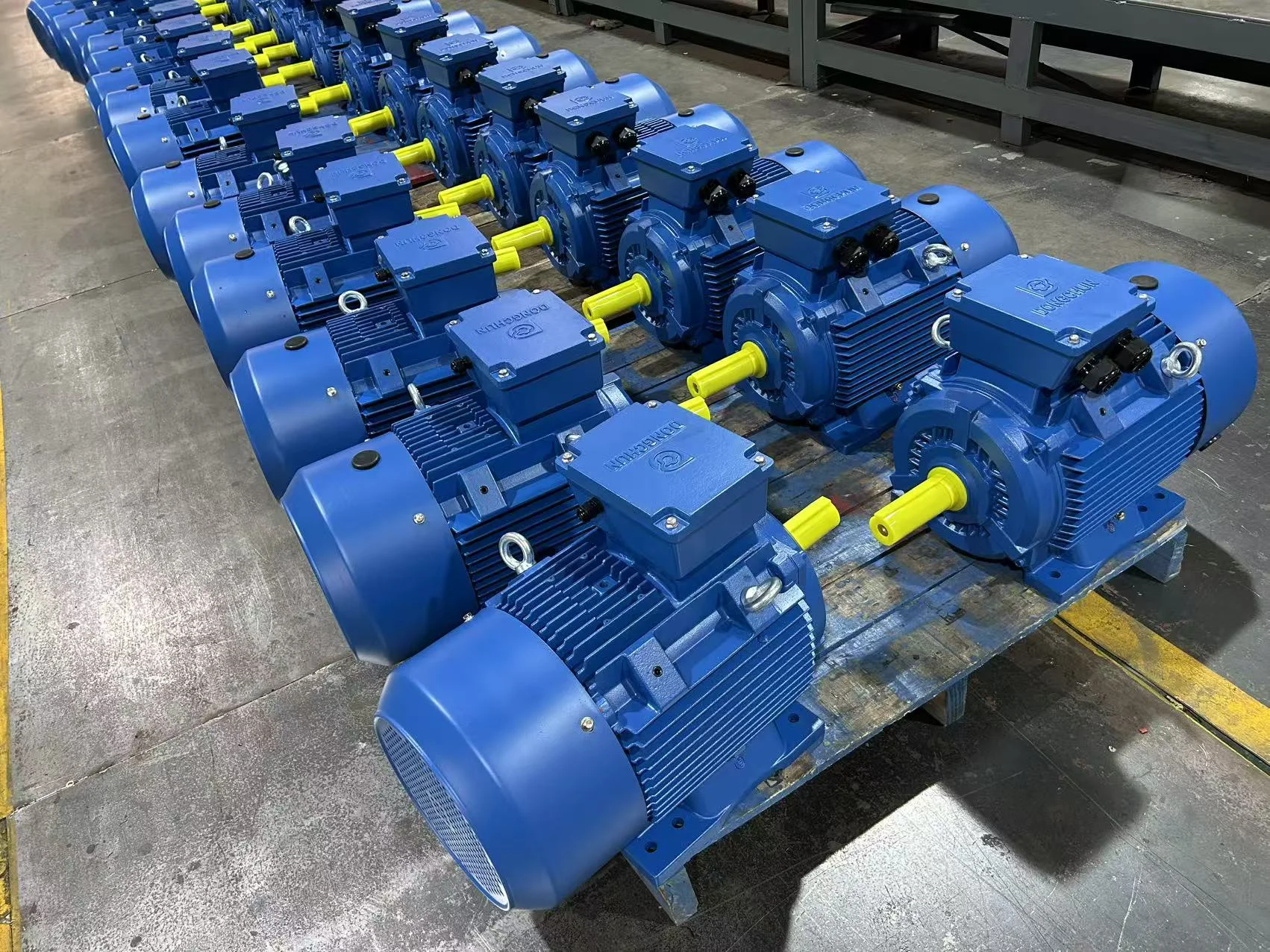
Отсутствующий или треснутый кожух вентилятора может снизить эффективность охлаждения двигателя на 30–50 процентов.Истинный
Кожух вентилятора направляет поток воздуха вдоль охлаждающих ребер. Без этого большая часть движения воздуха тратится впустую. Корпус двигателя при тех же условиях нагрузки нагревается значительно сильнее.
Двигатели TEFC полностью герметичны и не требуют внешнего вентиляционного пространства вокруг себя.ЛОЖЬ
Двигатели TEFC охлаждаются за счет перемещения воздуха через внешние ребра. Для работы охлаждения им необходимо свободное пространство вокруг корпуса, особенно со стороны вентилятора. Установка их в тесных корпусах без зазора приводит к перегреву.
Причина 3: Проблемы с подачей напряжения
Проблемы с напряжением коварны. Мотор выглядит нормально. Течение не кажется сумасшедшим. Но одна фаза немного ниже остальных, и на протяжении недель и месяцев одна обмотка работает тяжелее, чем следует.
Здесь есть две основные проблемы.
Дисбаланс напряжения: когда три фазы питания не равны, одна обмотка потребляет больший ток, чем другие. Разница напряжений между фазами всего в 2–3 процента может создать разницу тока в 6–10 раз больше этого процента. Этот локализованный дополнительный ток создает горячую точку в статоре. Вы часто будете видеть это как одну обмотку, которая выходит из строя раньше других, что может выглядеть как случайный отказ, если вы не проверите питание.
Низкое напряжение: когда напряжение питания падает ниже номинального значения, указанного на паспортной табличке, двигатель потребляет больше тока для поддержания того же крутящего момента. Больше тока означает больше тепла.
У меня был клиент в Чили, который использовал в одном здании три 4-полюсных двигателя мощностью 7,5 кВт, 400 В/50 Гц IE3. Двое были в порядке. Один продолжал перегреваться. Та же модель, та же нагрузка. Наконец, мы измерили напряжение на клеммах двигателя, а не на панели, что является важным отличием, и обнаружили, что кабель, идущий к этому двигателю, имеет плохое соединение клемм. Напряжение на двигателе было на 8 процентов ниже, чем на панели. Этого было достаточно.
Рекомендации по дисбалансу напряжения NEMA MG 14 заявляет, что дисбаланс напряжения, превышающий 1%, может вызвать дисбаланс тока в 6–10 раз больший, и рекомендует снижать номинальные характеристики двигателей, если дисбаланс постоянно превышает 1%.
Как это диагностировать:
- Измерьте напряжение на клеммах двигателя, а не на распределительном щите, и делайте это при полной нагрузке.
- Сравните все три фазных напряжения друг с другом. Процент дисбаланса равен: максимальное отклонение от среднего значения, деленное на среднее значение, умноженное на 100.
- Если дисбаланс превышает 2 процента, ищите причину.
- Сравните измеренное напряжение с номинальным напряжением, указанным на паспортной табличке. Постоянное падение более чем на 10 процентов является серьезным.
Что делать:
- Осмотрите и затяните каждое клеммное соединение. Ослабленные соединения являются наиболее распространенной причиной дисбаланса.
- Проверьте, неравномерно ли отводится однофазная нагрузка от трехфазной панели.
- Установите реле контроля напряжения, которое отключает двигатель, если дисбаланс превышает безопасный уровень.
- Если напряжение постоянно низкое, проверьте настройки ответвлений трансформатора или обратитесь в коммунальную службу.
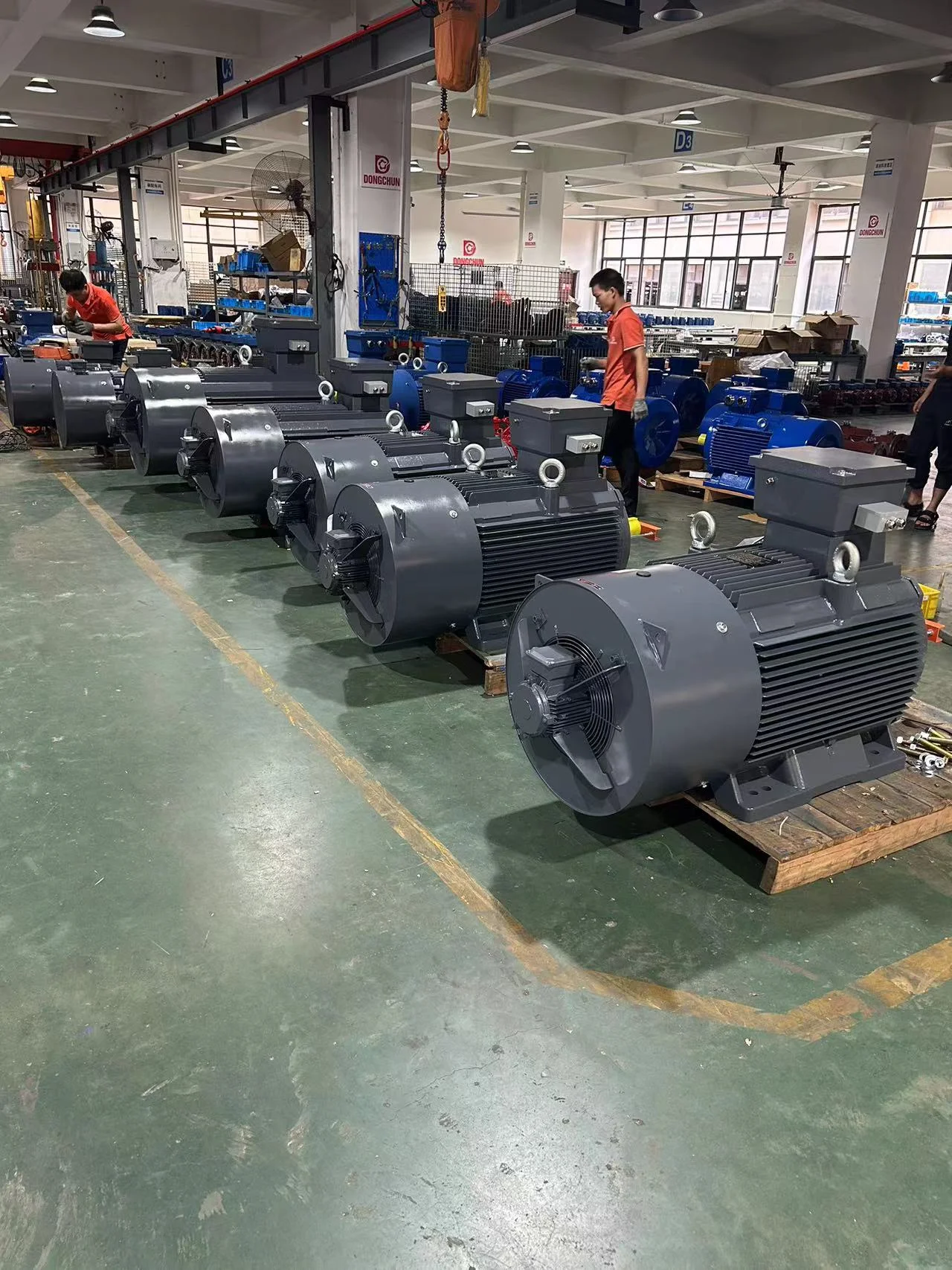
Дисбаланс напряжения между фазами от 2 до 3 процентов может вызвать дисбаланс тока в 10 раз больший.Истинный
Это известный эффект мультипликатора в поведении трехфазного двигателя. Небольшой дисбаланс напряжения создает непропорционально большой дисбаланс тока, вызывая перегрев одной обмотки, в то время как другие кажутся нормальными.
Измерения напряжения на распределительном щите достаточно, чтобы убедиться, что двигатель получает правильное напряжение.ЛОЖЬ
Напряжение между панелью и клеммами двигателя может значительно упасть из-за длинных кабелей, слабых соединений или проводов недостаточного сечения. Всегда измеряйте клеммы двигателя под нагрузкой для получения точных показаний.
Причина 4: износ подшипников и механическое трение.
Подшипники должны позволять валу вращаться практически без трения. Когда они начинают выходить из строя — из-за загрязнения, неправильной смазки, смещения или перегрузки — они выделяют тепло прямо в корпусе подшипника и передают это тепло в корпус двигателя и обмотки.
Вот в чем сложность: неисправный подшипник может не сразу проявиться как высокий ток. Жара накапливается локально. К тому времени, когда температура статора повысится настолько, что произойдет срабатывание реле, подшипник уже может быть поврежден или может быть затронута обмотка рядом с ним.
Самая распространенная ошибка, которую я вижу, это пересмазка. Люди думают, что чем больше смазки, тем лучше. Это не. Избыточная смазка скапливается внутри корпуса, создает трение и нагревается, как и высохший подшипник. Это правильное количество — следуйте указаниям производителя относительно размера корпуса вашего двигателя. 4-полюсному двигателю типоразмера 132S требуется примерно 10 грамм смазки с каждым интервалом. Упакуйте 30 граммов, и вы создали источник тепла.
[Техническое руководство ABB по анализу отказов двигателей] (https://library.e.abb.com/public/8c253c2417ed0238c125788f003cca8e/ABB_Technical_guide_No5_RevC.pdf)5 документирует, как электроэрозионная обработка токами в подшипниках ЧРП повреждает дорожки качения подшипников, что выглядит идентично механическому износу, и как определить разницу во время проверки.
Как это диагностировать:
- Используйте инфракрасный термометр для сравнения температуры на подшипнике ведущей стороны, подшипнике неведущей стороны и средней раме. Корпус подшипника, который заметно горячее рамы, говорит о том, что здесь что-то не так.
- Слушайте на низкой скорости. Явным признаком этого является скрежет, грохот или неравномерный шум в зоне подшипника.
- Используйте виброметр, если он у вас есть. Повышенная вибрация на частотах подшипников подтверждает износ.
- Проверьте смазку. Он старый и высохший? Не слишком ли много упаковано?
Что делать:
- Заменяйте изношенные подшипники до того, как они заклинят. Если дать неисправному подшипнику поработать до момента его фиксации, это может привести к разрушению вала и одновременному сгоранию обмотки.
- Проверяйте соосность вала после любых работ по техническому обслуживанию. Даже небольшое смещение приводит к тому, что подшипник воспринимает неравномерную нагрузку и быстрее изнашивается.
- Соблюдайте график смазки, соответствующий размеру корпуса вашего двигателя — как интервалы, так и правильное количество смазки.
- Проверьте наличие радиальных или осевых нагрузок от применения, которые превышают номинальную грузоподъемность подшипника.
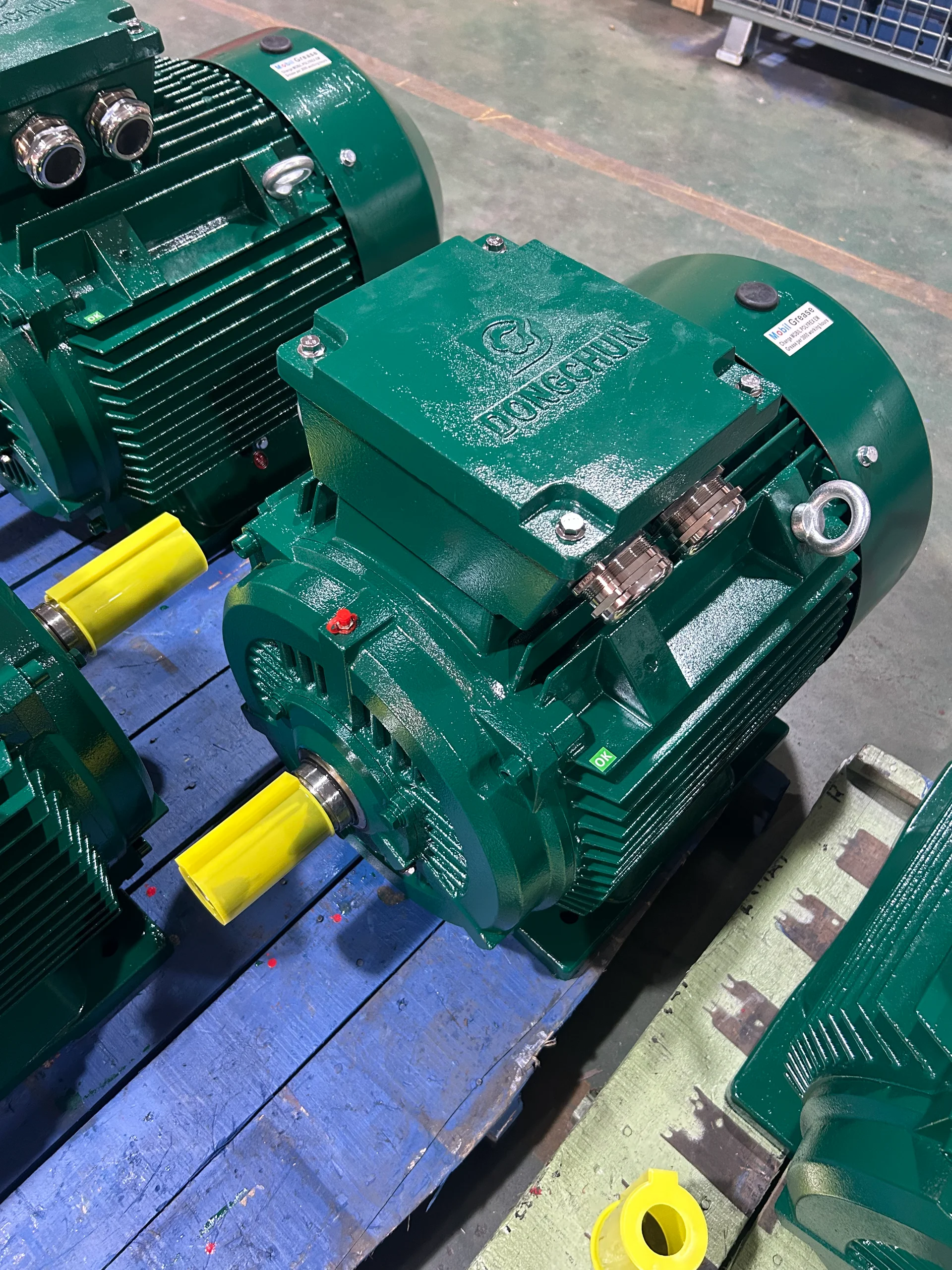
Неисправный подшипник может вызвать локальный перегрев до того, как общий ток двигателя заметно возрастет.Истинный
Тепло подшипника накапливается локально в корпусе. Температура обмотки статора может оставаться приемлемой, даже если вблизи подшипника происходят значительные повреждения. Инфракрасные измерения на корпусе подшипника более надежны, чем полагаться только на показания тока.
Чрезмерная смазка подшипника двигателя безвредна и просто обеспечивает дополнительную защиту.ЛОЖЬ
Избыточная смазка скапливается внутри корпуса подшипника, вызывая трение и нагрев. Это может привести к выходу из строя подшипника, как и недостаток смазки. Правильное количество смазки указано в документации производителя двигателя.
Причина 5: ухудшение изоляции обмотки.
Обмотки двигателя покрыты изоляционным материалом, который предохраняет отдельные проводники от соприкосновения друг с другом или со стальным сердечником. Со временем эта изоляция разрушается. Тепло делает свое дело. Влага делает свое дело. Химические вещества делают это. Вибрация делает свое дело. Обычно все четверо работают вместе медленно, в течение многих лет.
По мере ослабления изоляции между проводниками начинают течь небольшие токи утечки. Это так называемые межвитковые шорты. Они выделяют дополнительное тепло, что еще больше повреждает изоляцию. Этот цикл становится все быстрее и быстрее, пока обмотка не выйдет из строя.
Класс изоляции указывает максимальную температуру, которую материал обмотки может выдерживать непрерывно. Три наиболее распространенных класса промышленных двигателей:
| Класс изоляции | Максимальная температура обмотки | Типичный предел повышения (IEC) |
|---|---|---|
| Класс Б | 130°С | 80 К |
| Класс F | 155°С | 105 К |
| Класс Н | 180°С | 125 К |
Классификация изоляции IEC 600856 — это стандарт, определяющий эти температурные классы, а также указывающий, что система изоляции, непрерывно работающая при температурном пределе своего класса, имеет расчетный срок службы около 20 000 часов.
В наших стандартных трехфазных двигателях Dongchun Motor (iecmotores.com) используется изоляция класса F, но они соответствуют пределу повышения температуры класса B. Это обеспечивает встроенный запас прочности в 25°C в реальных условиях эксплуатации. Это не маркетинговая фраза — она означает, что даже когда двигатель немного нагревается, обмотка имеет дополнительный запас мощности, прежде чем она достигнет своего фактического предела.
Как это диагностировать:
- Тест мегомметром: подключите измеритель сопротивления изоляции между каждой обмоткой и землей. Ниже 1 МОм — красный флаг. Для двигателей выше 1 кВ порог выше — проверьте IEC 60034.
- Индекс поляризации (PI): отношение показаний за 10 минут к показаниям за 1 минуту. Значение ниже 2,0 указывает на ухудшение изоляции.
- Тепловизионное изображение: горячие точки, видимые на корпусе двигателя, могут показать, где под поверхностью происходит межвитковое короткое замыкание.
Что делать:
- Проверяйте сопротивление изоляции не реже одного раза в год. Во влажной или химически агрессивной среде проверяйте чаще.
- Если PI снижается из года в год, запланируйте перемотку или замену, прежде чем произойдет неожиданный сбой.
- Убедитесь, что корпус двигателя соответствует окружающей среде. IP55 подходит для большинства ситуаций на открытом воздухе и при мойке. В агрессивных средах может потребоваться IP65 или выше.
- Нарушение изоляции почти никогда не бывает внезапным. Тенденция результатов мегометра заблаговременно подскажет вам, куда она движется.
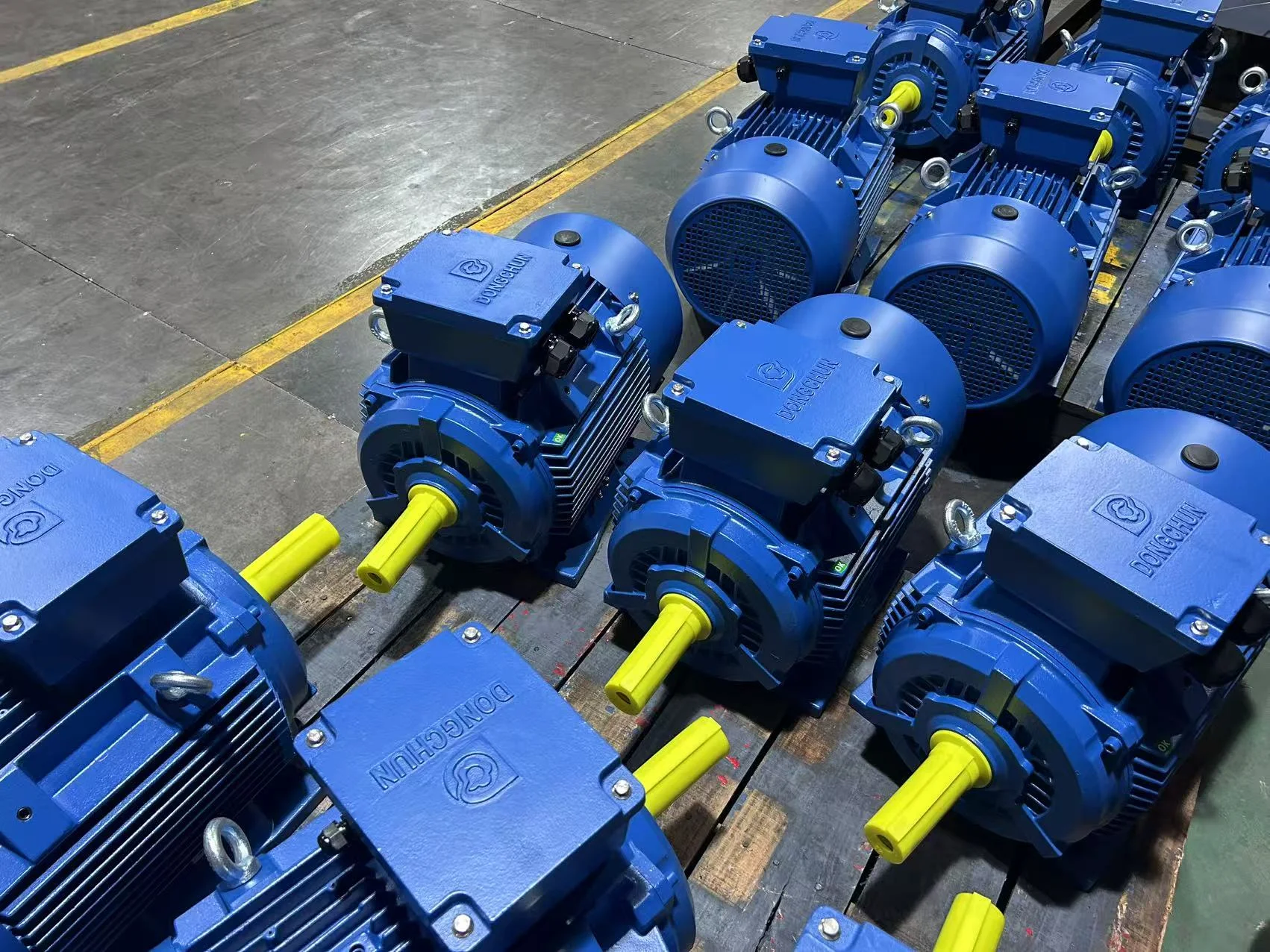
Динамика сопротивления изоляции в течение нескольких лет более полезна для прогнозирования отказа обмотки, чем одно измерение.Истинный
Одно показание мегомметра сообщает вам о текущем состоянии. Сравнение результатов из года в год показывает, ухудшается ли изоляция и насколько быстро, что дает вам время запланировать плановое техническое обслуживание, а не реагировать на неожиданный сбой.
Двигатель с изоляцией класса F может безопасно работать при температуре обмотки до 155°C без каких-либо проблем с ухудшением характеристик.ЛОЖЬ
155°С – это абсолютный максимум. Постоянная работа вблизи этого предела значительно сокращает срок службы изоляции. Производители качественных двигателей сравнивают двигатели класса F с пределом повышения класса B (130°C), чтобы обеспечить запас тепловой безопасности в реальных условиях.
Причина 6: Гармоники ЧРП и высокочастотная нагрузка
Частотно-регулируемые приводы — сейчас повсюду. Они экономят энергию, обеспечивают точный контроль скорости и стали стандартом для насосов, вентиляторов и конвейеров. Я продаю много двигателей для ЧРП и всегда говорю клиентам: стандартный двигатель на ЧРП — это не то же самое, что двигатель, предназначенный для использования с ЧРП.
Вот что происходит. Современный частотно-регулируемый привод, использующий технологию переключения IGBT, генерирует импульсы напряжения, которые переключаются очень быстро — иногда за 50 наносекунд. Эти быстрые импульсы делают с вашим двигателем две вещи:
Во-первых, они создают гармонические токи в обмотках статора. Гармонические токи увеличивают потери в меди и повышают рабочую температуру, даже если кажется, что двигатель работает в нормальном диапазоне скоростей. Двигатель выполняет дополнительную работу, которую вы не видите.
Во-вторых, быстрые импульсы напряжения создают на клеммах двигателя скачки напряжения, которые могут значительно превышать номинальное напряжение, особенно если кабель между приводом и двигателем длинный. Опубликованные исследования показывают, что удвоение несущей частоты может существенно сократить срок службы изоляции двигателя — иногда вдвое или более.
Третья проблема – на малых скоростях. Вентилятор охлаждения, установленный на валу, замедляется вместе с двигателем. При частоте ниже 30 Гц он не может перемещать достаточно воздуха для правильного охлаждения рамы. Тепло накапливается быстрее, чем уходит.
Как это диагностировать:
- Перегрев происходит в основном на низких скоростях? Это классический симптом VFD.
- Измерьте длину кабеля между приводом и двигателем. Пробеги более 50 метров значительно увеличивают риск скачков напряжения. Проверьте спецификации производителя вашего накопителя на предмет их конкретного порога.
- Посмотрите настройку несущей частоты в приводе. Высокие частоты тише, но требуют более жесткой изоляции.
- Проверьте, установлен ли выходной дроссель или фильтр dV/dt между приводом и двигателем.
Что делать:
- Укажите инверторные двигатели для преобразователей частоты. Они имеют усиленную изоляцию, рассчитанную на напряжение и гармонические токи, создаваемые преобразователем частоты.
- Установите выходные дроссели или синусоидальные фильтры между приводом и двигателем, особенно при длине кабеля более 30–50 метров.
- Уменьшите несущую частоту, если уровень акустического шума это позволяет.
- Для приложений, которым необходимо работать на низкой скорости в течение длительного времени, используйте двигатель с охлаждающим вентилятором с отдельным питанием, а не на валовой вентилятор.
- Убедитесь, что настройки тепловой модели привода соответствуют фактическим характеристикам двигателя.
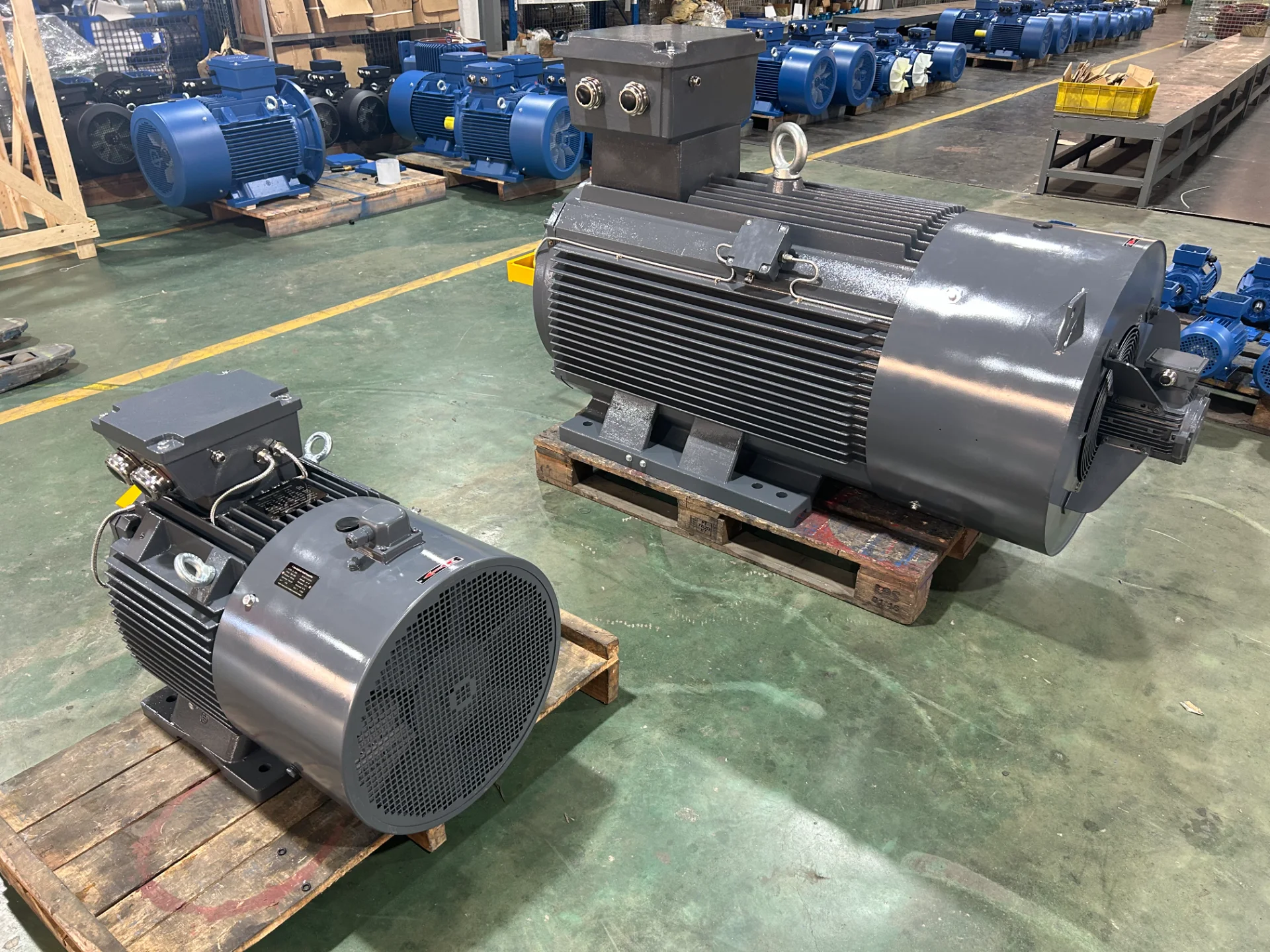
Двигатели, работающие на низких частотах ЧРП, могут перегреваться, даже если механическая нагрузка находится в пределах номинальной мощности двигателя.Истинный
На низких частотах вентилятор охлаждения, установленный на валу, замедляется и не может перемещать достаточно воздуха для охлаждения корпуса двигателя. Двигатель обычно генерирует тепло, но не может рассеивать его достаточно быстро даже при небольшой нагрузке.
Стандартный трехфазный двигатель можно подключить к преобразователю частоты без каких-либо модификаций, и он будет работать идентично двигателю с инверторным режимом.ЛОЖЬ
Стандартные двигатели не рассчитаны на быстрые импульсы напряжения, гармонические токи или пониженное охлаждение на низких скоростях, которые возникают при работе ЧРП. Инверторные двигатели имеют усиленную изоляцию и рассчитаны на такие нагрузки.
Какие особенности конструкции двигателя снижают риск перегрева?
Не каждый двигатель одинаково хорошо переносит тепло. Когда вы выбираете двигатель для требовательных приложений, я обращаю внимание на следующее:
Класс изоляции: Изоляция класса F или H выдерживает более высокие температуры. Настоящая ценность возникает, когда производитель сравнивает свой двигатель класса F с пределом повышения температуры класса B — вы получаете запас безопасности в 25 °C, встроенный в каждое устройство.
Рейтинг корпуса: Стандарт IP55 защищает обмотки от попадания воды и пыли. Если вы находитесь на открытом воздухе, в зоне промывки или в любом другом месте, где технологические материалы находятся в воздухе, надлежащий рейтинг IP не является обязательным. Для влажных или химических объектов повышайте степень защиты до IP65 или IP66.
Класс эффективности (IE3 или выше): Двигатели с более высоким КПД производят меньше тепла при той же механической мощности. 4-полюсный двигатель IE3 мощностью 11 кВт обычно работает на 5–8°C ниже, чем эквивалентный двигатель IE1 при той же нагрузке. Этот запас имеет значение при температуре окружающей среды 40°C.
Индивидуальные предотгрузочные испытания: Каждый двигатель должен быть протестирован отдельно, прежде чем он покинет завод. Пакетное тестирование показывает, что среднее значение в порядке. Индивидуальное тестирование покажет вам, что с конкретным двигателем все в порядке. В компании Dongchun Motor (iecmotores.com) мы проверяем каждое устройство (а не каждое десятое) на ток холостого хода, вибрацию, сопротивление изоляции и электрическую прочность.
Варианты термозащиты: Термисторы PTC, встроенные непосредственно в обмотку, обеспечивают защиту, которую не может обеспечить внешнее тепловое реле. Они измеряют фактическую температуру обмотки, а не расчетную температуру, основанную на потреблении тока.
Для применений с ЧРП компания Dongchun Motor (iecmotores.com) также предлагает обмотки с усиленной изоляцией и расширенные варианты заземления вала. Спросите нашу техническую команду, когда вы укажете приложение.
Если вы определяете двигатели для работы в условиях жаркого климата, частотно-регулируемого привода или агрессивной среды, попросите у своего поставщика отчет об испытаниях — каждый ответственный завод должен без колебаний прислать его.
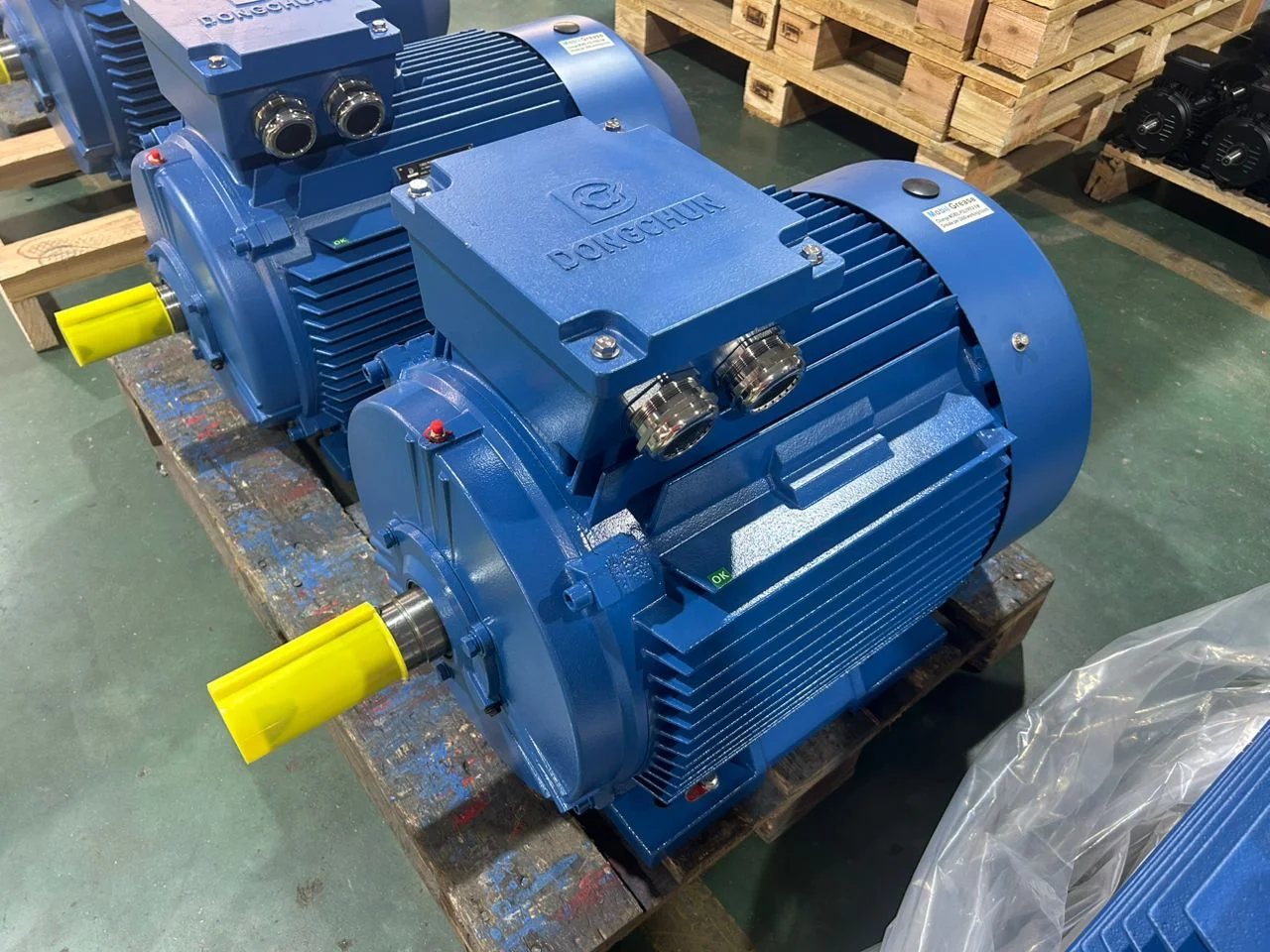
Изоляция класса F, оцененная по пределу повышения температуры класса B, обеспечивает запас тепловой безопасности 25°C в реальных условиях эксплуатации.Истинный
Материалы класса F выдерживают температуру обмотки 155°C, тогда как оценка повышения класса B ограничивает фактическое повышение до 80 K (пиковая температура обмотки 130°C). Разница в 25°C остается запасом, когда двигатель нагревается сильнее, чем ожидалось.
Все двигатели с одинаковым классом эффективности IE одинаково работают при термической нагрузке.ЛОЖЬ
Рейтинг IE измеряет эффективность только при номинальной нагрузке. Два двигателя IE3 могут существенно отличаться по классу изоляции, степени IP, качеству подшипников и результатам индивидуальных заводских испытаний — все это влияет на то, как двигатель справляется с реальными температурными условиями.
Часто задаваемые вопросы
Насколько жарко для электродвигателя?
Стандартные трехфазные двигатели рассчитаны на максимальную температуру окружающей среды 40°C. Температура поверхности рамы постоянно выше 80–90°C при нормальной нагрузке и условиях окружающей среды требует исследования. Но температура поверхности рамы сама по себе не является определяющим фактором. Правильные проверки: соответствие рабочего тока FLA, указанному на паспортной табличке, и проверка сопротивления изоляции.
Можно ли перезапустить двигатель, сработавший по тепловой защите?
Сначала дайте ему полностью остыть. Затем проверьте рабочий ток, убедитесь, что вентиляция свободна, и найдите причину отключения, прежде чем снова вводить его в эксплуатацию. Одно термическое отключение не обязательно означает необратимое повреждение. Повторные поездки без устранения причины разрушат изоляцию.
В чем разница между тепловым реле перегрузки и термистором двигателя?
Тепловое реле перегрузки оценивает температуру двигателя на основе потребления тока и времени. Он защищает от перегрузки и потери фазы, но не может обнаружить локальные точки перегрева из-за плохой вентиляции, трения подшипников или межвитковых замыканий, которые еще не привели к повышению общего тока. Термистор PTC, встроенный в обмотку, напрямую измеряет фактическую температуру обмотки и обеспечивает более быструю и точную защиту.
Почему мой мотор перегревается только летом?
Температура окружающей среды напрямую влияет на то, насколько хорошо двигатель рассеивает тепло. Двигатель, нормально работающий при температуре окружающей среды 25°C, может превысить свой тепловой предел при температуре окружающей среды 45°C при той же нагрузке. Если это происходит сезонно, ваши варианты: снизить нагрузку в жаркие месяцы, улучшить вентиляцию в месте установки или перейти на двигатель с более высоким классом изоляции.
Двигатели IE3 или IE4 работают холоднее, чем IE1 или IE2?
В целом да. Двигатели с более высоким КПД производят меньше тепла при той же механической мощности, поскольку они имеют меньшие потери — меньшие потери в меди благодаря лучшей конструкции обмотки, меньшие потери в железе благодаря лучшей стали сердечника. Меньше отходящего тепла означает меньшую термическую нагрузку на изоляцию. Это практическое преимущество модернизации, выходящее за рамки одной лишь экономии энергии. Тем не менее, класс эффективности является одним из факторов при выборе двигателя, а не единственным.
Стоит ли перематывать перегретый мотор или заменить его?
Это зависит от возраста, состояния и цены. Для двигателей мощностью менее 15 кВт замена обычно обходится дешевле, чем перемотка, если учесть время простоя. Для двигателей мощностью выше 30 кВт или с нестандартным монтажом перемотка в сертифицированном магазине часто является правильным решением, но только в том случае, если сердечник не поврежден. Попросите мастерскую перемотки провести основной тест, прежде чем цитировать.
Краткое описание: Контрольный список диагностики перегрева двигателя
Прежде чем вызывать перемотку или замену, просмотрите этот список:
- Сравните рабочий ток на всех трех фазах с паспортной табличкой FLA.
- Осмотрите и очистите охлаждающие ребра и кожух вентилятора.
- Измерьте напряжение питания на клеммах двигателя — проверьте уровень и дисбаланс между фазами.
- Проверьте температуру подшипника на обоих концах с помощью инфракрасного термометра.
- Запустите проверку сопротивления изоляции на каждой обмотке.
- Если используется частотно-регулируемый привод: проверьте длину кабеля, несущую частоту и время работы двигателя при частоте ниже 30 Гц.
- Убедитесь, что температура окружающей среды соответствует номинальным характеристикам двигателя.
- Просмотрите историю технического обслуживания — последнюю смазку, любые недавние изменения нагрузки.
Перегрев мотора практически никогда не бывает внезапным. Оно строит. Раннее обнаружение причины обходится гораздо дешевле, чем перемотка двигателя или замена вышедшего из строя оборудования.
Заключение
За годы работы в Dongchun Motor (iecmotores.com) я видел сотни случаев перегрева. Почти в каждом из них проблема накапливалась неделями, прежде чем кто-либо ее заметил, и почти в каждом из них исправление обходилось дешевле, чем следующий сбой. Проанализируйте шесть причин, проведите диагностические проверки, и вы найдете ответ быстрее, чем вы думаете.
Если вы подбираете двигатели на замену или делаете заказ на работу в горячей среде, с приводом от ЧРП или в химически агрессивной среде, свяжитесь с нами через нашу страницу контактов с паспортной табличкой двигателя и термофотографией. Я приведу двигатель IE3 класса F/класса B, настроенный для ваших реальных условий, и каждый блок поставляется индивидуально протестированным.
Ссылки
- МЭК — «МЭК 60034-1 — Машины вращающиеся электрические: номинальные характеристики и характеристики»." — https://webstore.iec.ch/en/publication/64293
- NEMA — «NEMA MG 1, часть 31 — Требования к двигателю с инверторным режимом" — https://www.nema.org/docs/default-source/standards-document-library/mg-1-part-31-watermark.pdf
- МЭК — «МЭК 60529 — Степени защиты, обеспечиваемые корпусами (код IP)" — https://webstore.iec.ch/en/publication/2452
- МЭК — «МЭК 60085 — Термическая классификация электроизоляции." — https://webstore.iec.ch/en/publication/666
- АББ — «Техническое руководство № 5 — Токи подшипников в современных системах приводов переменного тока (анализ отказов двигателя)»" — https://library.e.abb.com/public/8c253c2417ed0238c125788f003cca8e/ABB_Technical_guide_No5_RevC.pdf
Почему эти ссылки важны для вас
-
Температурные классы двигателя IEC 60034-1 — Перейдите по этой ссылке, чтобы точно понять, что означает класс изоляции в практической эксплуатации двигателя и почему разница между двигателями класса F и класса B имеет значение, когда вы покупаете двигатель для жаркой или требовательной среды. Это поможет вам задать правильный вопрос, когда поставщик предлагает вам двигатель: к какому классу он относится и по какому классу он оценивается?
Рекомендуемый запрос Google:
IEC 60034-1 Class F insulation motor temperature limit standard -
Техническое руководство АББ по анализу отказов двигателей — Перейдите по этой ссылке, чтобы понять, как токи подшипников, гармонические токи и быстрые импульсы напряжения на самом деле влияют на изоляцию двигателя и подшипники с течением времени, а также как определить, находится ли ваша текущая установка под угрозой. Если вы используете стандартные двигатели на частотно-регулируемых приводах, стоит прочитать это перед следующей неисправностью.
Рекомендуемый запрос Google:
ABB motor failure analysis VFD bearing current insulation life
-
IEC 60034-1 — это окончательный международный стандарт по температурным классам двигателей и тепловой защите. Он объясняет, почему правило 10°C имеет значение и как различные классы тепловой защиты (TPxxx) на самом деле защищают ваш двигатель. ↩
-
NEMA MG 1, часть 31, определяет требования к двигателям, работающим в инверторном режиме, и пределы коэффициента эксплуатации. Это необходимо прочитать, если вы используете двигатели с частотно-регулируемым приводом или требуете, чтобы двигатель выдерживал нагрузку, превышающую номинальные характеристики, указанные на паспортной табличке. ↩
-
IEC 60529 определяет класс защиты IP — знание реальных условий испытаний, соответствующих каждому номеру IP, поможет вам выбрать подходящий двигатель для вашей среды установки. ↩
-
NEMA MG 1 также охватывает влияние дисбаланса напряжения на двигатели — рекомендации по эффекту умножения тока из-за небольших разностей напряжений напрямую применимы для устранения перегрева в трехфазных установках. ↩
-
Техническое руководство АББ № 5 — это отраслевой справочник по анализу отказов двигателей и току повреждения подшипников от ЧРП. В нем объясняется, как определить повреждение подшипника EDM по сравнению с механическим износом и какие меры по снижению риска работают. ↩
-
IEC 60085 определяет классы изоляции и их температурные пределы — источник, на который следует ссылаться, когда поставщик заявляет «изоляция класса F»." и вы хотите знать, что это на самом деле означает на практике. ↩