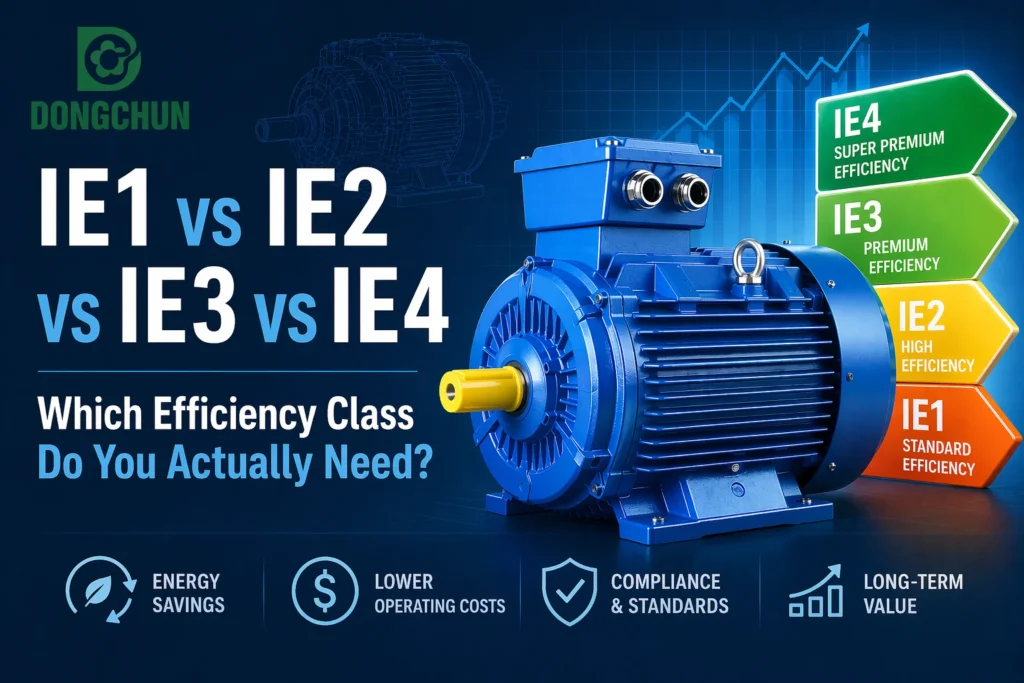
IE1၊ IE2၊ IE3 နှင့် IE4 မော်တာများအကြား ရွေးချယ်ခြင်းသည် သင့်စွမ်းအင်ငွေတောင်းခံလွှာများကို ဆယ်စုနှစ်များစွာ အကျိုးသက်ရောက်စေသည်။ ဤလမ်းညွှန်ချက်သည် ဝယ်သူများအား မှန်ကန်သော ထိရောက်မှုအဆင့်ကို ရွေးချယ်ရန် ကူညီပေးသည်။
IE1 (Standard Efficiency), IE2 (High Efficiency), IE3 (Premium Efficiency), နှင့် IE4 (Super Premium Efficiency) တို့သည် IEC 60034-30-1 စံနှုန်းမှ သတ်မှတ်ထားသော မော်တာစွမ်းဆောင်ရည် အတန်းများဖြစ်သည်။ မြင့်မားသောအတန်းတစ်ခုစီသည် နှစ်စဉ်နာရီပေါင်း 6,000 လည်ပတ်သည့် IE1 မော်တာနှင့် နှိုင်းယှဉ်ပါက 7.5 kW IE3 မော်တာသည် တစ်နှစ်လျှင် လျှပ်စစ်ဓာတ်အားဆုံးရှုံးမှုကို 15-20% လျှော့ချပေးသည်။ IE2 သည် နိုင်ငံအများစုရှိ ကမ္ဘာလုံးဆိုင်ရာ အနိမ့်ဆုံးအခြေခံလိုင်းဖြစ်ပြီး IE3 သည် 0.75-1000 kW မော်တာများအတွက် EU တွင် မဖြစ်မနေလိုအပ်ပြီး IE4 သည် high-runtime applications များအတွက် အနိမ့်ဆုံးတစ်သက်တာကုန်ကျစရိတ်ကို ပေးပါသည်။
ဤသည်မှာ သင်၏နောက်မော်တာမ၀ယ်မီ သိထားရမည့်အရာအားလုံးဖြစ်သည်။
IE1၊ IE2၊ IE3 နှင့် IE4 မော်တာများကြား ကွာခြားချက်ကဘာလဲ။
IE အမျိုးအစားခွဲခြားစနစ်သည် မော်တာများအား လျှပ်စစ်စွမ်းအင်ကို စက်ပိုင်းဆိုင်ရာအထွက်အဖြစ်သို့ မည်ကဲ့သို့ ထိရောက်စွာပြောင်းလဲပေးခြင်းဖြင့် မော်တာများကို အဆင့်သတ်မှတ်ပေးသည်။
IE သည် International Efficiency ကို ကိုယ်စားပြုသည်။" IEC 60034-30-1 စံနှုန်းဖြင့် အုပ်ချုပ်သည်။ IE1 သည် ထုတ်လုပ်ဆဲ ထိရောက်မှုအနည်းဆုံး အတန်းဖြစ်သည်။ IE2 သည် အကွေ့အကောက်နည်းပါးပြီး core ဆုံးရှုံးမှုများဖြင့် ၎င်းကို တိုးတက်စေသည်။ IE3 သည် ပိုမိုကောင်းမွန်အောင်ပြုလုပ်ထားသော ရဟတ်ဒီဇိုင်းများနှင့် ပိုမိုတင်းကျပ်သော လေဝင်ပေါက်များကို အသုံးပြုသည်။ နှင့် IE4 သည် ၎င်း၏အလွန်နိမ့်သောဆုံးရှုံးမှုပစ်မှတ်များသို့ရောက်ရှိရန် ကြေးနီရဟတ်များ သို့မဟုတ် အမြဲတမ်းသံလိုက်နည်းပညာလိုအပ်သည်။ ခြားနားချက်ကို တိုင်းတာနိုင်သည်- ပုံမှန် 4-pole၊ 50 Hz တွင် 1.5 kW (2 HP) မော်တာအတွက်၊ IE1 ထိရောက်မှုသည် 77.2%, IE2 သည် 82.8%, နှင့် IE3 သည် 85.3% ဖြစ်သည်။
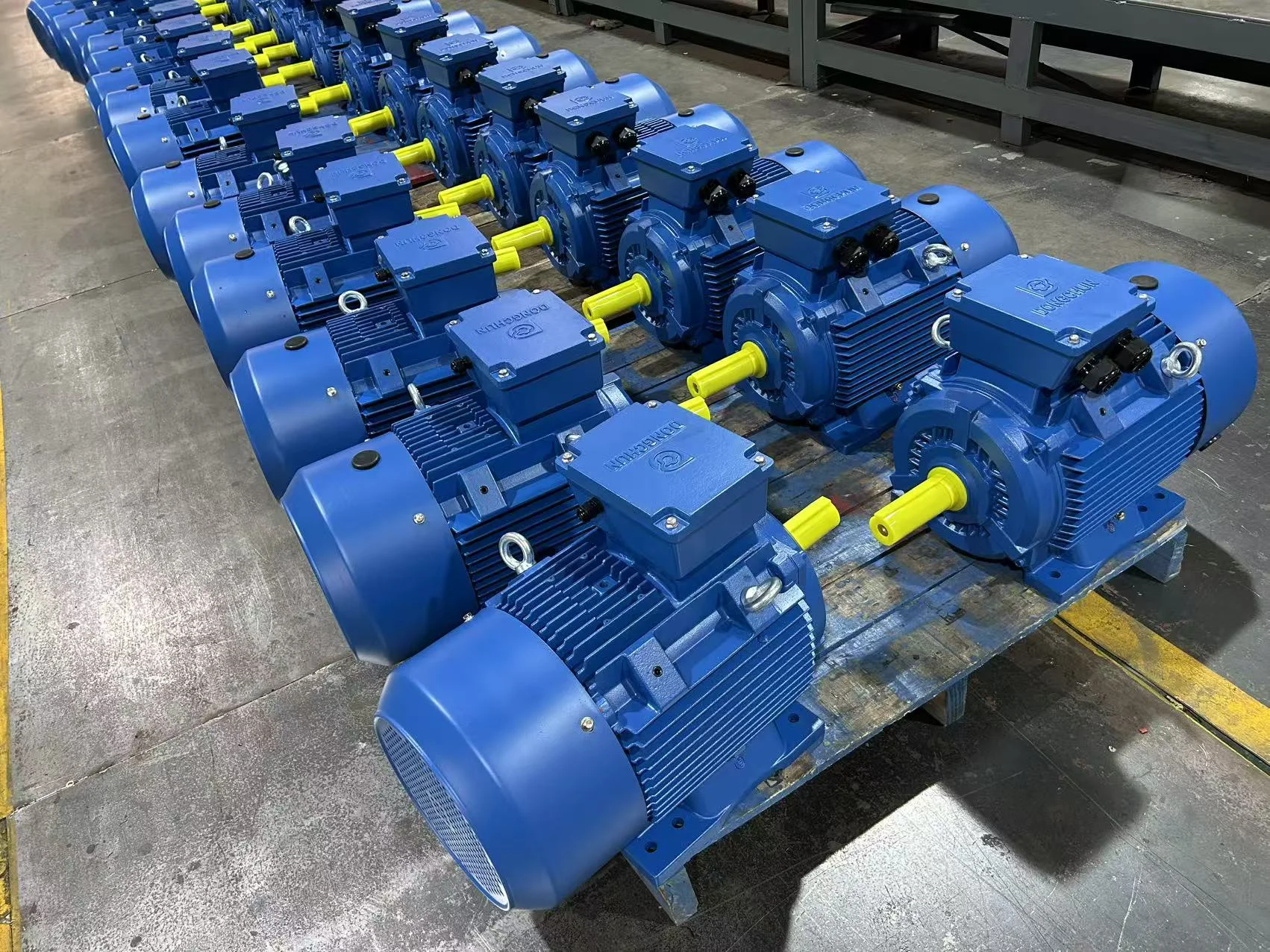
IE Class များကို နံပါတ်များဖြင့် နှိုင်းယှဉ်နည်း
အောက်ပါဇယားသည် မတူညီသော ပါဝါအဆင့်သတ်မှတ်ချက်များအလိုက် 4-pole၊ 50 Hz induction motors အတွက် ပုံမှန် full-load efficiency တန်ဖိုးများကို ပြသသည် IEC 60034-30-1 စံနှုန်း:
| ဓာတ်အား (kW) | IE1 (%) | IE2 (%) | IE3 (%) | IE4 (%) |
|---|---|---|---|---|
| 0.၇၅ | ၇၂.၁ | ၇၇.၄ | 80.7 | ၈၃.၅ |
| 1.5 (2 HP) | ၇၇.၂ | ၈၂.၈ | ၈၅.၃ | ၈၇.၇ |
| ၇.၅ | ၈၄.၇ | ၈၈.၇ | ၉၀.၄ | ၉၂.၀ |
| ၂၂ | ၈၉.၀ | ၉၁.၈ | ၉၃.၀ | ၉၄.၃ |
| ၇၅ | ၉၂.၇ | ၉၄.၇ | ၉၅.၂ | ၉၆.၀ |
| ၁၆၀ | ၉၃.၈ | ၉၅.၄ | ၉၅.၈ | ၉၆.၆ |
ပါဝါအဆင့်သတ်မှတ်မှုတွင် သင်ရွေ့လျားလာသည်နှင့်အမျှ၊ အတန်းများကြားရှိ ရာခိုင်နှုန်းကွာဟမှု ကျဉ်းမြောင်းသွားသော်လည်း သင်သည် ပါဝါအမြောက်အမြားကို ကိုင်တွယ်နေရသောကြောင့် လုံးဝစွမ်းအင်ချွေတာမှု ကြီးထွားလာသည်။ ဥပမာအားဖြင့်၊ 75 kW မော်တာအား IE2 မှ IE3 သို့ အဆင့်မြှင့်တင်ခြင်းသည် ထိရောက်မှု 0.5 ရာခိုင်နှုန်းကို သက်သာစေသော်လည်း ၎င်းသည် တစ်နှစ်လျှင် 2,600 kWh ဖြင့် လည်ပတ်နာရီ 6,000 နီးပါးသို့ ပြောင်းလဲနိုင်သည် — ပျမ်းမျှအိမ်ထောင်စုတစ်ခုအား လပေါင်းများစွာကြာအောင် လုံလောက်စွာ စွမ်းအင်ပေးနိုင်သည်။
IE Class များအကြား ရုပ်ပိုင်းဆိုင်ရာ ပြောင်းလဲမှုများ
မြင့်မားသော IE အတန်းများသည် ဒီဇိုင်းပြောင်းလဲမှုများစွာဖြင့် ဆုံးရှုံးမှုနည်းပါးသည်။
- Stator အကွေ့အကောက်များ- ကြေးနီဝါယာကြိုးပိုများ၊ ပိုကြီးသော အပိုင်းဖြတ်ပိုင်းများနှင့် ခုခံမှုနည်းသော ချိတ်ဆက်မှုများသည် I²R ဆုံးရှုံးမှုများကို လျော့နည်းစေသည်။
- ရဟတ်တည်ဆောက်မှု- IE3 မော်တာများသည် အလူမီနီယမ်အစား Die-cast ကြေးနီရဟတ်များကို အသုံးပြုလေ့ရှိသည်။ IE4 မော်တာများကို အသုံးပြုနိုင်သည်။ အမြဲတမ်းသံလိုက်ထပ်တူကျသောဒီဇိုင်းများ သို့မဟုတ် တွန့်ဆုတ်ခြင်းနည်းပညာ။
- Lamination သံမဏိ ပိုပါးလွှာသော အကာအရံများပါသော အဆင့်မြင့် လျှပ်စစ်သံမဏိသည် hysteresis နှင့် eddy လျှပ်စီးကြောင်းများမှ အဓိကဆုံးရှုံးမှုများကို လျှော့ချပေးသည်။
- လေကွာဟမှုကို ပိုမိုကောင်းမွန်အောင်ပြုလုပ်ခြင်း- ပိုမိုတင်းကျပ်သော ကုန်ထုတ်လုပ်မှု ခံနိုင်ရည်များသည် လမ်းလွဲသောဝန်ဆုံးရှုံးမှုကို လျှော့ချပေးသည်။
- အအေးခံခြင်းနှင့်ဘောင်- ပိုမိုထိရောက်သော မော်တာများသည် စွန့်ပစ်အပူကို လျော့နည်းစေသော်လည်း ဖရိမ်အတိုင်းအတာ အနည်းငယ်ကွဲပြားနိုင်သည်။
ဤအင်ဂျင်နီယာဆိုင်ရာ တိုးတက်မှုများက IE3 မော်တာတစ်လုံးသည် IE2 ထက် 15-25% ပိုကုန်ကျပြီး IE4 မော်တာသည် အဘယ်ကြောင့် IE3 ထက် 20-30% ပိုကုန်ကျသည်ကို ရှင်းပြပါသည်။ အပိုပစ္စည်း—အထူးသဖြင့် ကြေးနီ—သည် ဈေးနှုန်းတက်စေသော်လည်း တစ်သက်တာလည်ပတ်မှုကုန်ကျစရိတ်ကို သိသိသာသာ လျော့ကျစေသည်။
IE3 မော်တာများသည် ပိုမိုကောင်းမွန်အောင်ပြုလုပ်ထားသော ရဟတ်ဒီဇိုင်းများ၊ ပိုကြေးနီနှင့် IE1 မော်တာများနှင့် နှိုင်းယှဉ်ပါက ပိုမိုတင်းကျပ်သော လေဝင်ပေါက်များကို အသုံးပြုခြင်းဖြင့် ပိုမိုထိရောက်မှုရရှိစေသည်။မှန်ပါတယ်။
ပိုမိုမြင့်မားသော IE အတန်းများသည် လျှပ်စစ်ဆုံးရှုံးမှုကို လျှော့ချရန်အတွက် ကြေးနီရဟတ်များနှင့် ပရီမီယံအကာအရံသံမဏိများကဲ့သို့သော ပိုမိုကောင်းမွန်သောပစ္စည်းများကို အသုံးပြုပါသည်။
IE1 နှင့် IE4 မော်တာများသည် တူညီသော အတွင်းပိုင်း အစိတ်အပိုင်းများကို အသုံးပြုကြပြီး ၎င်းတို့၏ တံဆိပ်ပြားများတွင်သာ ကွဲပြားပါသည်။မှားသော
IE4 မော်တာများသည် ၎င်းတို့၏ အလွန်နိမ့်သော ဆုံးရှုံးမှုပစ်မှတ်များကို ရရှိရန်အတွက် ကြေးနီရဟတ်များ၊ ပရီမီယံ အကာအရံသံမဏိများနှင့် ပိုမိုတင်းကျပ်သော လေ၀င်လေထွက်များ အပါအဝင် သိသိသာသာ ကွဲပြားခြားနားသော တည်ဆောက်မှု လိုအပ်ပါသည်။ IE အတန်းသည် တကယ့်ရုပ်ပိုင်းဆိုင်ရာနှင့် ရုပ်ပိုင်းဆိုင်ရာ ကွဲပြားမှုများကို ထင်ဟပ်စေသည်။
ကျွန်ုပ်၏နိုင်ငံ၌ မည်သည့် IE Efficiency Class ကို လိုအပ်သနည်း။
စည်းမျဉ်းများသည် ဒေသအလိုက် ကွဲပြားပြီး အတန်းအစား မှားယွင်းစွာ အသုံးပြုခြင်းသည် အကောက်ခွန်တွင် သင်၏ ပို့ဆောင်မှုကို ပိတ်ဆို့နိုင်သည် သို့မဟုတ် ဒေသဆိုင်ရာ စွမ်းအင်ဥပဒေများကို ချိုးဖောက်နိုင်သည်။
ဥရောပသမဂ္ဂသည် 2023 ခုနှစ် ဇူလိုင်လကတည်းက 0.75-1000 kW မော်တာများအတွက် အနိမ့်ဆုံးအဖြစ် IE3 လိုအပ်သည် (ကော်မရှင်စည်းမျဉ်း EU 2019/1781)။ အမေရိကန်ပြည်ထောင်စုသည် NEMA ပရီမီယံ (IE3 နှင့် ညီမျှသည်) ကို အထွေထွေသုံး မော်တာအများစုအတွက် ပြဋ္ဌာန်းထားသည်။ ထည့်သွင်းမှုအသစ်များအတွက် IE3 နှင့် လိုက်လျောညီထွေဖြစ်သည့် GB 18613-2020 Level 2 ကို တရုတ်က ပြဌာန်းထားသည်။ လက်တင်အမေရိက၊ အာဖရိကနှင့် အရှေ့တောင်အာရှရှိ ဖွံ့ဖြိုးဆဲနိုင်ငံအများစုသည် 2025-2027 တွင် IE3 လိုအပ်ချက်များသို့ ကူးပြောင်းနေကြသော်လည်း အများစုမှာ IE2 ကို အနိမ့်ဆုံးအနေဖြင့် လိုအပ်ပါသည်။
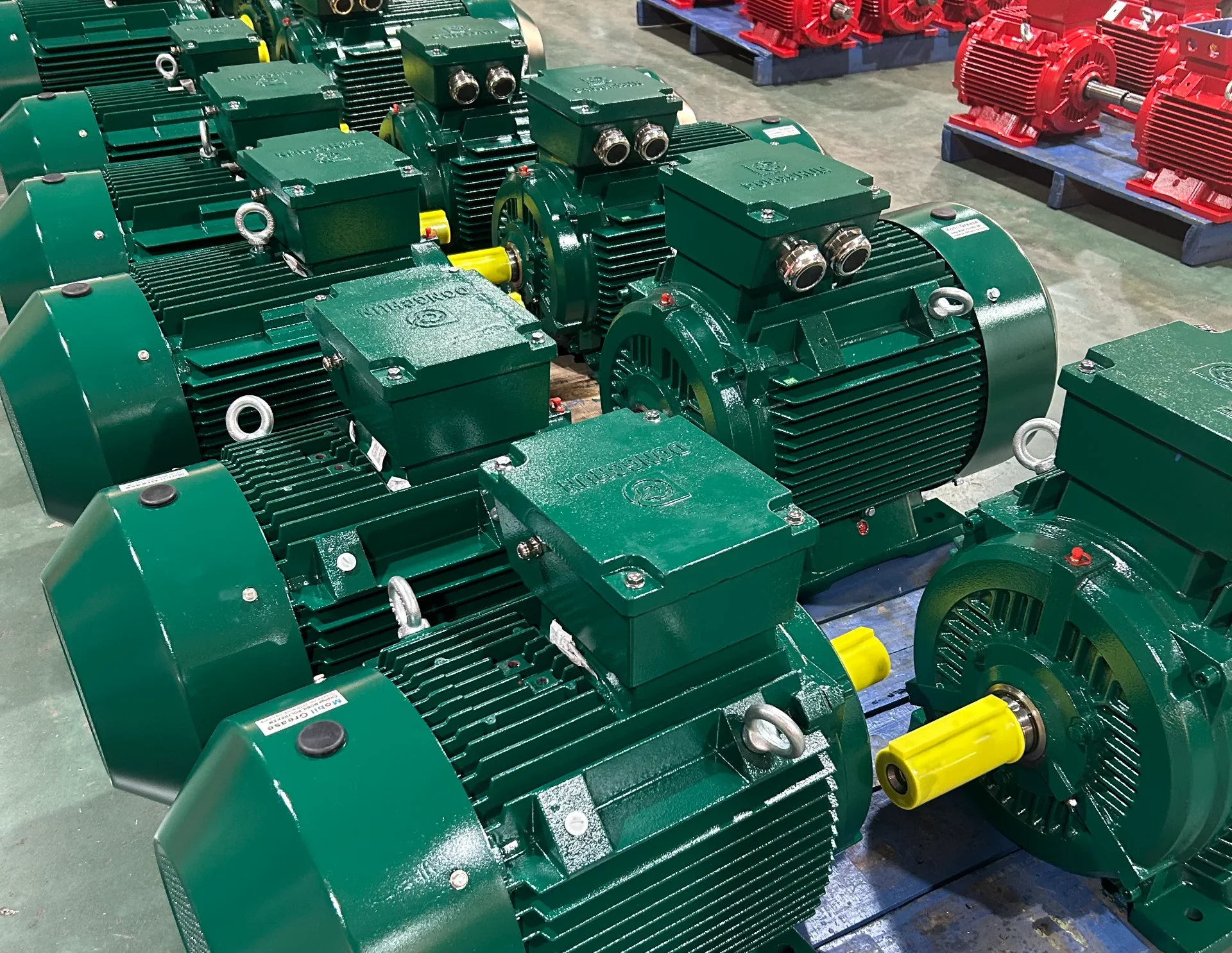
ဒေသဆိုင်ရာ စည်းမျဉ်း ခြုံငုံသုံးသပ်ချက်
အောက်ဖော်ပြပါဇယားသည် 2026 ခုနှစ်အထိ အဓိကစျေးကွက်များရှိ ယေဘုယျရည်ရွယ်ချက်၊ သုံးဆင့်အင်နိပ်မော်တာများအတွက် လက်ရှိထိရောက်မှုအနည်းဆုံးလိုအပ်ချက်များကို အကျဉ်းချုပ်ဖော်ပြထားသည်-
| တိုင်းဒေသကြီး/နိုင်ငံ | အနိမ့်ဆုံး IE အတန်း | အသုံးချနိုင်သော အတိုင်းအတာ | အဓိက စံ/စည်းမျဉ်း |
|---|---|---|---|
| ဥရောပသမဂ္ဂ | IE3 | 0.75–1000 kW | EU 2019/1781 (Ecodesign) |
| ယူအက်စ် | IE3 (NEMA ပရီမီယံ) | 1-500 HP | EISA 2007 / DOE 10 CFR 431 |
| တရုတ် | IE3 (အဆင့် 2) | 0.12–1000 kW | GB 18613-2020 |
| ဘရာဇီး | IE3 | 0.12–500 kW | INMETRO အမိန့် ၅၅၃/၂၀၂၁ |
| ချီလီ | IE2 | 0.75–375 kW | SEC စည်းမျဉ်းများ (IE3 ပြန်လည်သုံးသပ်နေဆဲ) |
| ပီရူး | IE2 | 0.75–375 kW | MINEM DS 009-2024 |
| နိုင်ဂျီးရီးယား | IE2 | 0.75–375 kW | SON NIS IEC 60034-30-1 |
| တောင်အာဖရိက | IE3 | 0.75–375 kW | SANS 60034-30-1 / NRCS လိုအပ်ချက်များ |
| အိန္ဒိယ | IE2 | 0.37–375 kW | BIS IS 12615 (2027 တွင် အဆိုပြုထားသည့် IE3) |
| ဆော်ဒီအာရေဗျ / GCC | IE2 | 0.75–375 kW | SASO/GSO နည်းပညာဆိုင်ရာ စည်းမျဉ်းများ |
အနိမ့်ဆုံးအတန်းအစားအောက်ဝယ်ရင် ဘာဖြစ်မလဲ။
ထိန်းညှိထားသော စျေးကွက်များတွင် မဖြစ်မနေ ထိရောက်မှု အတန်းအစားအောက် မော်တာတစ်လုံးကို တင်သွင်းခြင်းသည် အကျိုးရလဒ် ဖြစ်လာနိုင်သည်။ အကောက်ခွန်သိမ်းခြင်း၊ ဒဏ်ငွေ သို့မဟုတ် အတင်းအကြပ် ပြန်လည်တင်ပို့ခြင်း။. ကျင့်သုံးမှုဖွံ့ဖြိုးဆဲနိုင်ငံများတွင်ပင် စက်မှုဝယ်ယူသူများနှင့် ပရောဂျက်တင်ဒါအများအပြားသည် ယခုအခါ ဒေသန္တရဥပဒေနှင့်မသက်ဆိုင်ဘဲ ဝယ်ယူရေးလိုအပ်ချက်အဖြစ် IE3 ကို သတ်မှတ်ပေးပါသည်။ အကယ်၍ သင်သည် ပို့ကုန်ပရောဂျက်များအတွက် မော်တာများဝယ်ယူနေပါက - ဥပမာအားဖြင့် EU သို့ ပန့်အစုံများရောင်းချခြင်း - သင့်ကိုယ်ပိုင်မဟုတ်ဘဲ ဦးတည်ရာနိုင်ငံ၏စံနှုန်းနှင့်ကိုက်ညီကြောင်း သေချာစေရပါမည်။
လက်တင်အမေရိကနှင့် အာဖရိကရှိ ဝယ်သူများအတွက်၊ လက်တွေ့ကျသော အကြံဉာဏ်သည် ရိုးရှင်းသည်- IE2 ကို ပကတိအနိမ့်ဆုံးအဖြစ်ဝယ်ပါ၊ IE3 ကို ပြင်းပြင်းထန်ထန်စဉ်းစားပါ။ တစ်နှစ်လျှင် နာရီ 3,000 ထက်ပို၍လည်ပတ်နိုင်သော မည်သည့်မော်တာအတွက်မဆို၊ စည်းမျဥ်းများ တင်းကျပ်နေပြီး ယနေ့ဝယ်ယူထားသော IE3 မော်တာသည် သင့်နိုင်ငံမှ ၎င်း၏ စံနှုန်းများကို အပ်ဒိတ်လုပ်ထားသော်လည်း လိုက်နာမှု ရှိနေမည်ဖြစ်သည်။
ဒါလည်း မှတ်သားထိုက်ပါတယ်။ IEC 60034-30-1 စံနှုန်း 0.12 kW မှ 1000 kW မှ မော်တာများကို 2, 4, 6, သို့မဟုတ် 8 poles ဖြင့် 50 Hz သို့မဟုတ် 60 Hz တွင်လည်ပတ်သည်။ ဘရိတ်မော်တာများ၊ ရေငုပ်သွင်းနိုင်သော မော်တာများ သို့မဟုတ် ကြိမ်နှုန်းပြောင်းစက်များအဖြစ် ပေါင်းစပ်ထားသော မော်တာများကဲ့သို့သော ဤနယ်ပယ်ပြင်ပရှိ မော်တာများ — တွင် သီးခြားထိရောက်မှု လိုအပ်ချက်များ ရှိနိုင်ပါသည်။
ဥရောပသမဂ္ဂသည် Commission Regulation EU 2019/1781 အရ အထွေထွေသုံး မော်တာများအတွက် IE3 ထိရောက်မှု အနည်းဆုံး လိုအပ်ပါသည်။မှန်ပါတယ်။
ဇူလိုင်လ 2023 မှစတင်၍ EU Ecodesign Regulation သည် IE3 အား ဤပါဝါအကွာအဝေးရှိ သုံးဆင့် induction motor အများစုအတွက် အနိမ့်ဆုံးထိရောက်မှုအဆင့်အဖြစ် ပြဌာန်းထားပါသည်။
ယခုအခါ ကမ္ဘာတစ်ဝှမ်းရှိ နိုင်ငံများအားလုံးတွင် IE3 ကို အနိမ့်ဆုံး မော်တာစွမ်းဆောင်ရည်စံနှုန်းအဖြစ် လိုအပ်နေပြီဖြစ်သည်။မှားသော
လက်တင်အမေရိက၊ အာဖရိကနှင့် အရှေ့တောင်အာရှရှိ ဖွံ့ဖြိုးဆဲနိုင်ငံများစွာသည် အနိမ့်ဆုံးအဖြစ် IE2 ကိုသာ လိုအပ်နေသေးသည်။ စည်းမျဉ်းများသည် ဒေသအလိုက် သိသိသာသာ ကွဲပြားကြပြီး အချို့နိုင်ငံများတွင် မဖြစ်မနေ မော်တာထိရောက်မှု စံနှုန်းများ လုံးဝမရှိပါ။
ပိုမိုမြင့်မားသော IE အတန်းသို့အဆင့်မြှင့်သောအခါ ROI ကိုသင်မည်ကဲ့သို့တွက်ချက်သနည်း။
IE အတန်းများအကြား ရှေ့ဆုံးကုန်ကျစရိတ် ကွာခြားချက်ကို ကိုးကားချက်တွင် မြင်ရန်လွယ်ကူသည်။ စွမ်းအင်ချွေတာမှုသည် ဝယ်ယူသူအများစုကျော်သွားသော ရိုးရှင်းသောတွက်ချက်မှုတစ်ခု လိုအပ်သည်။
နှစ်စဉ် စွမ်းအင်ချွေတာမှုကို တွက်ချက်ရန် ဤဖော်မြူလာကို အသုံးပြုပါ- Savings (kWh) = ပါဝါ (kW) × နာရီ × (1/Old Efficiency − 1/New Efficiency)။ တစ်နှစ်လျှင် နာရီ 6,000 လည်ပတ်နေသော 7.5 kW မော်တာအတွက် IE2 (88.7%) မှ IE3 (90.4%) သို့ အဆင့်မြှင့်တင်ခြင်းသည် နှစ်စဉ် 1,420 kWh ခန့်ကို သက်သာစေပါသည်။ $0.10/kWh ဖြင့်၊ ၎င်းသည် တစ်နှစ်လျှင် $142 ဖြစ်သည်။ IE3 မော်တာသည် IE2 ထက် $150 ပိုကုန်ကျပါက၊ ပြန်ပေးသည့်ကာလသည် တစ်နှစ်ကျော်သာရှိသည်။
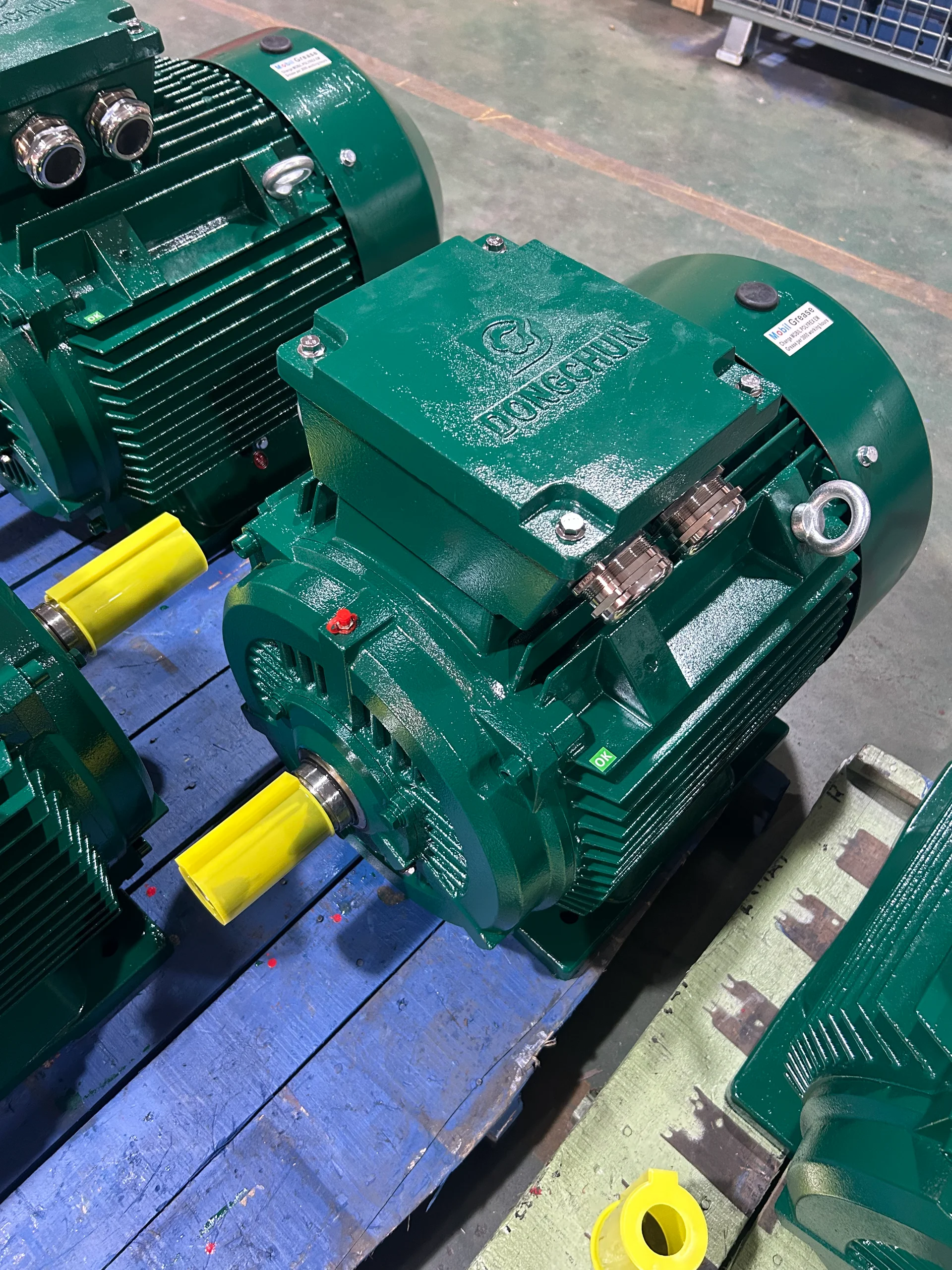
အဆင့်ဆင့် ROI တွက်ချက်ခြင်း။
ကိုးကားချက်များကို နှိုင်းယှဉ်ထားသော အရောင်းအရာရှိတစ်ဦးအတွက် လက်တွေ့ကမ္ဘာဥပမာတစ်ခုကို လျှောက်ကြည့်ကြပါစို့။ သင်တစ်ဦးအတွက် 7.5 kW၊ 4-pole မော်တာလိုအပ်သည်ဆိုပါစို့ centrifugal ပန့်လျှောက်လွှာ စက်မှုလျှပ်စစ်ဓာတ်အားခ ခန့်မှန်းခြေအားဖြင့် 0.09/kWh ရှိသည့် အီကွေဒေါရှိ စက်ရုံတွင် တစ်နှစ်လျှင် နာရီ 6,000 လည်ပတ်နေသည်။
အဆင့် 1- ထိရောက်မှုတန်ဖိုးများကို ရယူပါ။
IEC 60034-30-1 ဇယားမှ- IE2 = 88.7%, IE3 = 90.4%, IE4 = 92.0%.
အဆင့် 2- အတန်းတစ်ခုစီအတွက် နှစ်စဉ်စွမ်းအင်သုံးစွဲမှုကို တွက်ချက်ပါ။
| IE အတန်း | လုပ်ရည်ကိုင်ရည် | အဝင်ပါဝါ (kW) | နှစ်စဉ်စားသုံးမှု (kWh) | နှစ်စဉ်ကုန်ကျစရိတ် ($0.09/kWh) |
|---|---|---|---|---|
| IE2 | 88.7% | ၈.၄၅၆ | ၅၀.၇၃၆ | $4,566 |
| IE3 | 90.4% | ၈။၂၉၆ | ၄၉.၇၇၉ | $4,480 |
| IE4 | 92.0% | ၈။၁၅၂ | ၄၈.၉၁၃ | $4,402 |
Input power ကို 7.5 kW ÷ efficiency အဖြစ် တွက်ချက်ပါသည်။ နှစ်စဉ်သုံးစွဲမှု = input power × 6,000 နာရီ။
အဆင့် 3- စုဆောင်းငွေနှင့် ပြန်ဆပ်ခြင်းကို တွက်ချက်ပါ။
| လမ်းကြောင်းကို အဆင့်မြှင့်ပါ။ | နှစ်စဉ် သိမ်းဆည်းခြင်း။ | ပုံမှန်စျေးနှုန်း ပရီမီယံ | ပြန်ဆပ်သည့်ကာလ |
|---|---|---|---|
| IE2 → IE3 | $86/နှစ် | $120–$180 | 1.4–2.1 နှစ် |
| IE2 → IE4 | $164/နှစ် | $350–$500 | 2.1–3.0 နှစ် |
| IE3 → IE4 | $78/နှစ် | $200–$350 | 2.6-4.5 နှစ် |
အဆင့်မြှင့်တင်ခြင်းသည် မည်သည့်အချိန်တွင် ငွေကြေးဆိုင်ရာ အဓိပ္ပါယ်မရှိသနည်း။
ပိုမိုမြင့်မားသော IE အတန်းအတွက် ပိုမိုပေးဆောင်ခြင်းသည် အဓိပ္ပာယ်ပြည့်ဝသော ရလဒ်များကို မရရှိနိုင်သည့် အခြေအနေများရှိပါသည်။
- အလုပ်ချိန်နည်းပါးသည်- တစ်နှစ်လျှင် နာရီ 1,500 ထက်နည်းသော မော်တာတစ်ခုသည် ၎င်း၏ 15-20 နှစ်သက်တမ်းအတွင်း၊ အထူးသဖြင့် လျှပ်စစ်စျေးပေါသော နိုင်ငံများတွင် စျေးနှုန်းပရီမီယံကို ဘယ်တော့မှ ပြန်မရနိုင်ပါ။
- အရွယ်အစားကြီးသော မော်တာများ 7.5 kW မော်တာသည် 4 kW ဝန်ကို မောင်းနှင်နေပါက ၎င်း၏ အမှန်တကယ် ထိရောက်မှုမှာ တံဆိပ်ပြားတန်ဖိုးထက် သိသိသာသာ နိမ့်ကျသော အပိုင်းတစ်ပိုင်း ဝန်တွင် လုပ်ဆောင်သည်။ ဒါဆိုရင်, မော်တာအား မှန်ကန်သောအရွယ်အစား — 7.5 kW IE3 အစား 5.5 kW IE3 ကိုရွေးချယ်သည် — ပိုမိုမြင့်မားသော IE အတန်းသို့ခုန်တက်ခြင်းထက် စွမ်းအင်ပိုမိုသက်သာစေသည်။
- ပြောင်းလဲနိုင်သော အမြန်နှုန်း အပလီကေးရှင်းများ မော်တာတစ်လုံးနဲ့ တွဲထားတဲ့အခါ ပြောင်းလဲနိုင်သော ကြိမ်နှုန်း drive (VFD)Drive သည် စွမ်းအင်သုံးစွဲမှုကို 20-50% လျှော့ချပြီးဖြစ်သည်။ IE3 ထက် IE4 ၏ တိုးမြင့်သောအကျိုးခံစားခွင့်သည် 24/7 လည်ပတ်မှုများအတွက် အကျိုးရှိဆဲဖြစ်သော်လည်း ရာခိုင်နှုန်းအားဖြင့် သေးငယ်သွားပါသည်။
သော့ကို ယူသွားသည်- မဝယ်ခင် အမြဲတွက်ချက်ပါ။ စက္ကန့် 30 ဇယားကွက်တွက်ချက်မှုသည် သင်၏လျှပ်စစ်ဓာတ်အားနှုန်းနှင့် လည်ပတ်ချိန်နာရီများအပေါ်အခြေခံ၍ အဆင့်မြှင့်တင်မှုကို အကြောင်းပြချက်ဖြစ်စေ သို့မဟုတ် ပယ်ချနိုင်သည်။
IE2 မှ IE3 သို့ အဆင့်မြှင့်ထားသော 7.5 kW မော်တာသည် တစ်နှစ်လျှင် နာရီ 6,000 လည်ပတ်ကာ စွမ်းအင်ချွေတာခြင်းဖြင့် 1 မှ 2 နှစ်အတွင်း စျေးနှုန်းပရီမီယံကို ပုံမှန်အားဖြင့် ပြန်ပေးသည်။မှန်ပါတယ်။
စွမ်းဆောင်ရည် 88.7% မှ 90.4% အထိ မြှင့်တင်ခြင်းသည် နှစ်စဉ် ခန့်မှန်းခြေအားဖြင့် 957-1,420 kWh ကို သက်သာစေပါသည်။ ပုံမှန်စက်မှုလုပ်ငန်းသုံးလျှပ်စစ်နှုန်းများတွင်၊ ၎င်းသည် 1.4-2.1 နှစ်ခန့်အတွင်း $120 မှ $180 စျေးနှုန်း premium ကို အကျုံးဝင်ပါသည်။
ပိုမိုမြင့်မားသော IE အတန်းသို့ အဆင့်မြှင့်တင်ခြင်းသည် တစ်နှစ်လျှင် မော်တာမည်မျှလည်ပတ်သည်ဖြစ်စေ နာရီပေါင်းမည်မျှပင်ဖြစ်စေ အမြဲတမ်းငွေကုန်သက်သာစေပါသည်။မှားသော
တစ်နှစ်လျှင် နာရီ 1,500 ထက်နည်းသော မော်တာများသည် ၎င်းတို့၏ သက်တမ်းအတွင်း ပိုမိုမြင့်မားသော ဝယ်ယူမှုကုန်ကျစရိတ်ကို ပြန်လည်ရရှိနိုင်မည်မဟုတ်ပေ။ ROI သည် လည်ပတ်ချိန်၊ လျှပ်စစ်ကုန်ကျစရိတ်နှင့် IE အတန်းများကြားရှိ စျေးနှုန်းပရီမီယံအပေါ် မူတည်သည်။
Motor ၏တောင်းဆိုထားသော IE အဆင့်သတ်မှတ်ချက်သည် စစ်မှန်ကြောင်း သင်မည်သို့အတည်ပြုနိုင်မည်နည်း။
အတုအယောင် သို့မဟုတ် ချဲ့ကားပြောဆိုမှုများသည် ကမ္ဘာလုံးဆိုင်ရာ မော်တာစျေးကွက်တွင် တကယ့်ပြဿနာဖြစ်ပြီး အထူးသဖြင့် မရင်းနှီးသော ပေးသွင်းသူများထံမှ ဝယ်ယူသူများအတွက် ဝယ်ယူသူများအတွက်ဖြစ်သည်။
စစ်မှန်သော IE အဆင့်သတ်မှတ်ထားသော မော်တာအား IEC 60034-2-1 (ဆုံးရှုံးမှုနှင့် ထိရောက်မှုအတွက် စမ်းသပ်နည်းများ) အရ စမ်းသပ်ပြီး အသိအမှတ်ပြုထားသော ကိုယ်ထည်မှ လက်မှတ်ရရပါမည်။ ISO/IEC 17025 အသိအမှတ်ပြု ဓာတ်ခွဲခန်းများမှ ပြင်ပမှ စမ်းသပ်မှုအစီရင်ခံစာများ၊ အီးယူစျေးကွက်များအတွက် လိုက်လျောညီထွေမှုဆိုင်ရာ ကြေငြာချက်ဖြင့် CE အမှတ်အသားနှင့် ခွင့်ပြုထားသော သည်းခံမှုများအတွင်း IEC 60034-30-1 ထိရောက်မှုဇယားများနှင့် ကိုက်ညီသည့် တံဆိပ်ဒေတာကို ရှာဖွေပါ။ ပေးသွင်းသူသည် သွင်းသွင်းပါဝါ၊ အထွက်ပါဝါနှင့် တစ်ဦးချင်းစီ ဆုံးရှုံးမှုပြိုကွဲမှုကို ပြသသည့် စမ်းသပ်အစီရင်ခံစာကို မပေးနိုင်ပါက၊ တောင်းဆိုထားသော IE အတန်းအား သံသယစိတ်ဖြင့် ဆက်ဆံပါ။
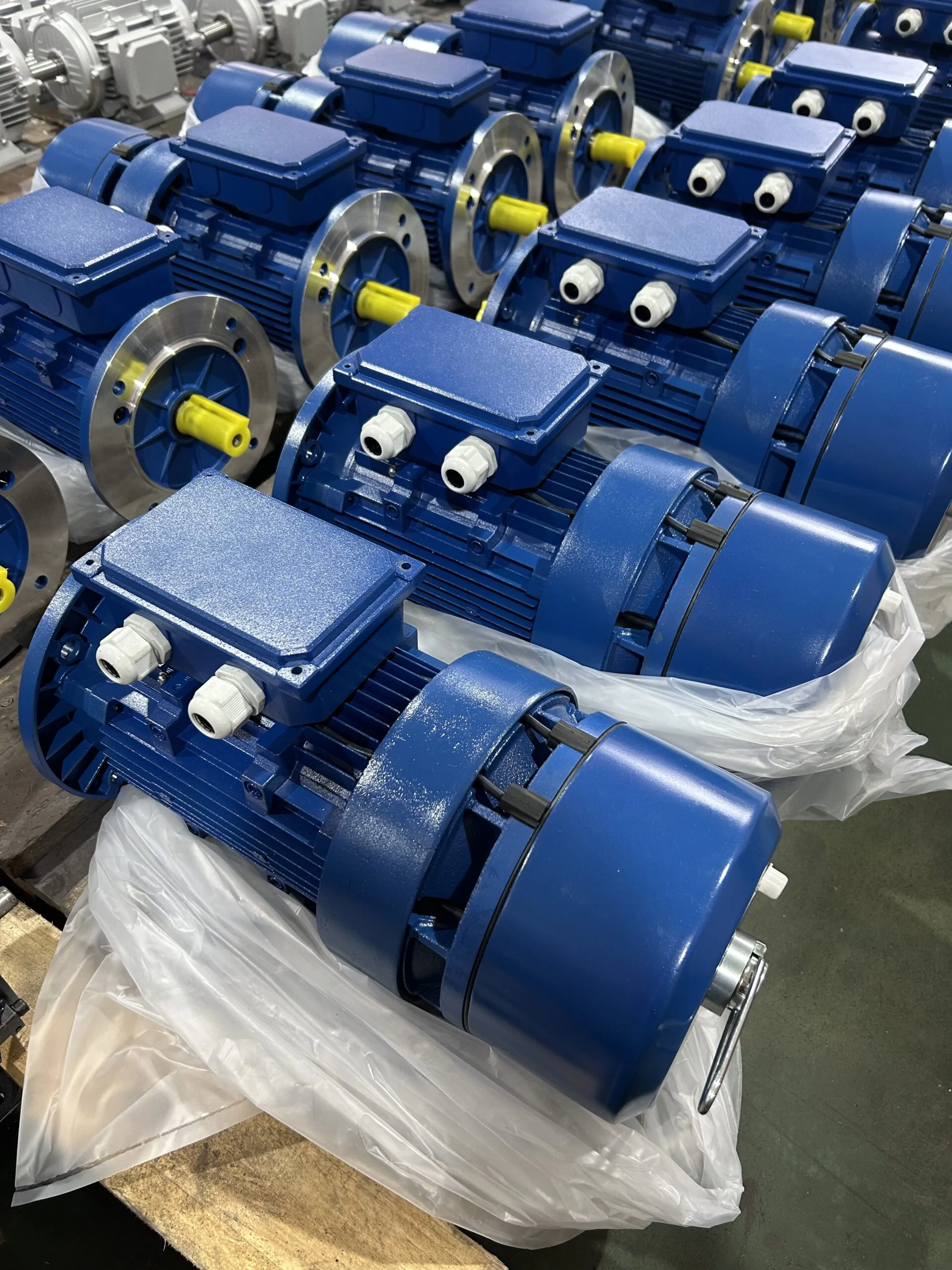
Motor Nameplate မှာ ဘာတွေရှာရမလဲ
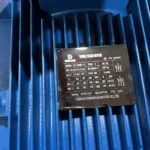
IEC စံနှုန်းများနှင့် ကိုက်ညီသော မော်တာတိုင်းသည် ၎င်း၏ နံမည်ပြားပေါ်တွင် အောက်ပါအတိုင်း ပြသရမည်-
- IE အတန်းအစား သတ်မှတ်ခြင်း (IE1၊ IE2၊ IE3 သို့မဟုတ် IE4)
- စွမ်းဆောင်ရည်အပြည့်ဖြင့် အဆင့်သတ်မှတ်ခြင်း (ဥပမာ၊ 90.4%)
- အဆင့်သတ်မှတ်ထားသော ပါဝါ၊ ဗို့အား၊ လက်ရှိ၊ ကြိမ်နှုန်း၊ အမြန်နှုန်းနှင့် တာဝန်အမျိုးအစား
- သက်ဆိုင်သောစံနှုန်း (IEC 60034-30-1) ကို ကိုးကား
- ထုတ်လုပ်သူအမည်နှင့် မူရင်းနိုင်ငံ
ဤအချက်အလက် တစ်စုံတစ်ရာ ပျောက်ဆုံးနေပါက သို့မဟုတ် စံသတ်မှတ်ထားသော တန်ဖိုးများနှင့် မကိုက်ညီပါက၊ ၎င်းသည် အနီရောင်အလံဖြစ်သည်။ ဥပမာအားဖြင့်၊ ပေးသွင်းသူတစ်ဦးသည် 1.5 kW 4-pole မော်တာအတွက် IE3 ကို တောင်းဆိုသော်လည်း စွမ်းဆောင်ရည် 83.0% အဖြစ် စာရင်းသွင်းပါက၊ အဆိုပါကိန်းဂဏန်းသည် IE2 (82.8%) နှင့် IE3 (85.3%) ကြားတွင်ရှိပြီး IE3 သတ်မှတ်ချက်နှင့် မကိုက်ညီပါ။
သင်၏ ပေးသွင်းသူထံမှ အတည်ပြုချက်ကို မည်သို့တောင်းမည်နည်း။
မော်တာပေးသွင်းသူအသစ်ကို အကဲဖြတ်သည့်အခါ အောက်ပါစာရွက်စာတမ်းများကို မေးမြန်းပါ-
- စစ်ဆေးမှုအစီရင်ခံစာကိုရိုက်ပါ။ - ထိရောက်မှု အပြည့်အ၀ စမ်းသပ်ခြင်း။ IEC 60034-2-1 သီးခြားဓာတ်ခွဲခန်းတစ်ခုမှ အစီရင်ခံစာတွင် stator ကြေးနီဆုံးရှုံးမှု၊ rotor ကြေးနီဆုံးရှုံးမှု၊ core loss၊ friction နှင့် windage loss နှင့် stray load loss အတွက် တိုင်းတာတန်ဖိုးများ ပါဝင်သင့်သည်။
- ညီညွတ်မှုလက်မှတ် - TUV၊ SGS၊ Bureau Veritas၊ သို့မဟုတ် အမျိုးသားစံနှုန်းအဖွဲ့ (ဥပမာ၊ တရုတ်အတွက် CCC၊ အိန္ဒိယအတွက် BIS၊ ဘရာဇီးအတွက် INMETRO) ကဲ့သို့သော အသိအမှတ်ပြုလက်မှတ်အဖွဲ့မှ ထုတ်ပေးသည်။
- စက်ရုံ၏လုပ်ရိုးလုပ်စဉ်စမ်းသပ်မှုဒေတာ - တင်ပို့ရောင်းချနေသော မော်တာများအတွက် တစ်ဦးချင်းစမ်းသပ်မှုရလဒ်များ၊ ထုတ်လုပ်မှုယူနစ်များအတွင်း အမျိုးအစားစမ်းသပ်မှုတန်ဖိုးများနှင့် ကိုက်ညီကြောင်း ပြသခြင်း၊ IEC 60034-1 ၏သည်းခံမှုကိုခွင့်ပြုထားသည်။ (ပုံမှန်အားဖြင့် တစ်ဦးချင်းဆုံးရှုံးမှုအပေါ် −15% သို့မဟုတ် စုစုပေါင်းဆုံးရှုံးမှုအပေါ် −10%)။
ဘုံအလံနီ
မော်တာများဝယ်ယူသည့်အခါတွင် ဤသတိပေးလက္ခဏာများကို သတိထားပါ။
- ပြင်ပအဖွဲ့အစည်း စမ်းသပ်မှုအစီရင်ခံစာ မရရှိနိုင်ပါ။ - "မိမိကိုယ်ကို ထုတ်ဖော်ပြသခြင်းသာ" လုပ်ရည်ကိုင်ရည်။
- အသိအမှတ်ပြုခြင်းမရှိသော ဓာတ်ခွဲခန်းမှ စမ်းသပ်မှုအစီရင်ခံစာ - အသိအမှတ်ပြုလက်မှတ်ကို စစ်ဆေးပါ။ ILAC ဒေတာဘေ့စ်.
- အနည်းဆုံးအဆင့်သတ်မှတ်ချက်များနှင့် အတိအကျကိုက်ညီသော ထိရောက်မှုတန်ဖိုးများ - တရားဝင်ထုတ်လုပ်သူများသည် ပုံမှန်အားဖြင့် အနည်းဆုံးအနားသတ်ဖြင့် ကျော်လွန်ပါသည်။
- ပုံမှန်မဟုတ်သောစျေးနှုန်းများ — အကယ်၍ မော်တာတစ်ခုသည် IE1 ကဲ့သို့စျေးနှုန်းဖြစ်သော်လည်း IE3 ဟုတံဆိပ်တပ်ပါက၊ အတွင်းရှိပစ္စည်းများသည် တောင်းဆိုထားသောစွမ်းဆောင်ရည်ကိုမပံ့ပိုးနိုင်ပါ။ ကြေးနီရဟတ်များနှင့် ပရီမီယံအကာအရံသံမဏိများသည် ရှောင်လွှဲ၍မရသော ကုန်ကျစရိတ်များရှိသည်။
- စာရွက်စာတမ်းများပေးရန် ဝန်လေးခြင်း။ — ဂုဏ်သိက္ခာရှိသော ထုတ်လုပ်သူသည် နည်းပညာဆိုင်ရာမေးခွန်းများကို ကြိုဆိုပြီး စာရွက်စာတမ်းများကို ချက်ခြင်းပံ့ပိုးပေးသည်။
အမြောက်အများဝယ်ယူမှုများအတွက်၊ အလုပ်ခန့်ရန်စဉ်းစားပါ။ ပြင်ပကုမ္ပဏီစစ်ဆေးရေးကုမ္ပဏီ တင်ပို့ခြင်းမပြုမီ စက်ရုံတွင် သက်သေစစ်ဆေးရန်။ စစ်ဆေးခြင်းကုန်ကျစရိတ်သည် ပရောဂျက်တစ်ခုတွင် စွမ်းဆောင်ရည်နိမ့်သော မော်တာထောင်ပေါင်းများစွာကို တပ်ဆင်ခြင်းအန္တရာယ်နှင့် နှိုင်းယှဉ်ပါက အနည်းငယ်မျှသာဖြစ်သည်။
စစ်မှန်သော IE အဆင့်သတ်မှတ်ထားသော မော်တာတွင် IEC 60034-2-1 အရ stator၊ rotor၊ core နှင့် stray load losses အတွက် တစ်ဦးချင်းစီ ဆုံးရှုံးမှု ကွဲအက်မှုများကို ပြသသော ပြင်ပကုမ္ပဏီ စမ်းသပ်အစီရင်ခံစာ ရှိသင့်သည်။မှန်ပါတယ်။
IEC 60034-2-1 သည် မော်တာစွမ်းဆောင်ရည်ကို ဆုံးဖြတ်ရန်အတွက် စံစမ်းသပ်နည်းလမ်းများကို သတ်မှတ်သည်။ အသိအမှတ်ပြုဓာတ်ခွဲခန်းမှတရားဝင်စမ်းသပ်မှုအစီရင်ခံစာသည် IEC 60034-30-1 သတ်မှတ်ချက်များနှင့် ဆန့်ကျင်၍ စစ်ဆေးနိုင်သည့် ဆုံးရှုံးမှုအမျိုးအစားတစ်ခုစီအတွက် တိုင်းတာသည့်တန်ဖိုးများကို ပေးပါသည်။
မော်တာ၏ နံမည်ပြားက IE3 ဟုပြောပါက၊ ပေးသွင်းသူထံမှ ပံ့ပိုးပေးသည့် စာရွက်စာတမ်းများကို မတောင်းဆိုဘဲ အဆင့်သတ်မှတ်ခြင်းကို သင်ယုံကြည်နိုင်ပါသည်။မှားသော
Nameplate အမှတ်အသားများကို အတုအယောင်ဖြစ်စေနိုင်သည်။ ဝယ်ယူသူများသည် ပြင်ပကုမ္ပဏီစမ်းသပ်မှုအစီရင်ခံစာများ၊ TUV သို့မဟုတ် SGS ကဲ့သို့သော အသိအမှတ်ပြုအဖွဲ့အစည်းများထံမှ ညီညွတ်မှုလက်မှတ်များကို အမြဲတမ်းတောင်းဆိုသင့်ပြီး IE အဆင့်သတ်မှတ်ချက်ကို မယုံကြည်မီ တရားဝင်ဒေတာဘေ့စ်များတွင် လက်မှတ်နံပါတ်များကို စစ်ဆေးသင့်သည်။
နိဂုံး
မှန်ကန်သော IE အတန်းအစားကို ရွေးချယ်ရာတွင် သင့်နိုင်ငံ၏တရားဝင်အနိမ့်ဆုံး၊ သင့်မော်တာ၏ တစ်နှစ်တာလည်ပတ်ချိန်နှင့် သင့်လျှပ်စစ်ကုန်ကျစရိတ်တို့ကို အချက်သုံးချက်ဖြင့် ဆင်းသက်ပါသည်။ ROI ကိုတွက်ချက်ပါ၊ အဆင့်သတ်မှတ်ချက်ကိုစစ်ဆေးပါ၊ ၎င်းကိုယ်တိုင်ပေးချေသောအတန်းကိုဝယ်ပါ။
ကိုးကား
- အပြည်ပြည်ဆိုင်ရာလျှပ်စစ်နည်းပညာကော်မရှင်၊ "IEC 60034-30-1:2014 — လှည့်ပတ်လျှပ်စစ်စက်များ — အပိုင်း 30-1- လိုင်းလည်ပတ်သော AC မော်တာများ၏ စွမ်းဆောင်ရည် အတန်းအစား၊" IEC၊ ဂျနီဗာ၊ 2014။
- အပြည်ပြည်ဆိုင်ရာလျှပ်စစ်နည်းပညာကော်မရှင်၊ "IEC 60034-2-1:2014 — လျှပ်စစ်စက်များ လှည့်ပတ်ခြင်း — အပိုင်း 2-1- စမ်းသပ်မှုများမှ ဆုံးရှုံးမှုနှင့် ထိရောက်မှုကို ဆုံးဖြတ်ရန် စံနည်းလမ်းများ၊" IEC၊ ဂျနီဗာ၊ 2014။
- ဥရောပကော်မရှင်၊ "ကော်မရှင်စည်းမျဉ်း (EU) 2019/1781 — လျှပ်စစ်မော်တာများနှင့် ပြောင်းလဲနိုင်သော အမြန်နှုန်းဒရိုက်များများအတွက် Ecodesign လိုအပ်ချက်များ၊" ဥရောပသမဂ္ဂ၏တရားဝင်ဂျာနယ်၊ အောက်တိုဘာလ 2019။
- U.S. စွမ်းအင်ဌာန၊ "လျှပ်စစ်မော်တာများအတွက် စွမ်းအင်ထိန်းသိမ်းရေးစံနှုန်းများ — 10 CFR အပိုင်း 431၊" Federal Register၊ 2014။
- China Standardization Administration၊ "GB 18613-2020 — အသေးစားနှင့် အလတ်စား သုံးဆင့် အဆက်မပြတ်သော မော်တာများအတွက် စွမ်းအင်ထိရောက်မှုနှင့် စွမ်းအင်ထိရောက်မှုအဆင့်များ၏ အနိမ့်ဆုံးခွင့်ပြုတန်ဖိုးများ၊" SAC၊ ပေကျင်း၊ 2020။
- ABB၊ "နည်းပညာမှတ်စု- IEC 60034-30-1 ဗို့အားနိမ့် AC မော်တာများအတွက် စွမ်းဆောင်ရည် အဆင့်အတန်း၊" ABB Group၊ 2021။
- Siemens AG၊ "လျှပ်စစ်မော်တာများအတွက် စွမ်းအင်ချွေတာရေးဂဏန်းတွက်စက်၊" Siemens ဒစ်ဂျစ်တယ်စက်မှုလုပ်ငန်း၊ 2025 သို့ဝင်ရောက်ခဲ့သည်။
- de Almeida, A.T., Ferreira, F.J.T.E., and Baoming, G., "Induction Motors — Beyond Induction Motors — စွမ်းဆောင်ရည်ကို မြှင့်တင်ရန် နည်းပညာခေတ်ရေစီးကြောင်းများ၊" စက်မှုလုပ်ငန်းဆိုင်ရာ အသုံးချမှုများအပေါ် IEEE ငွေလွှဲမှုများ၊ ၅၀၊ မဟုတ်ဘူး၊ ၃၊ စစ. ၂၁၀၃–၂၁၁၄၊ ၂၀၁၄။
ဆက်စပ်ပို့စ်များ-