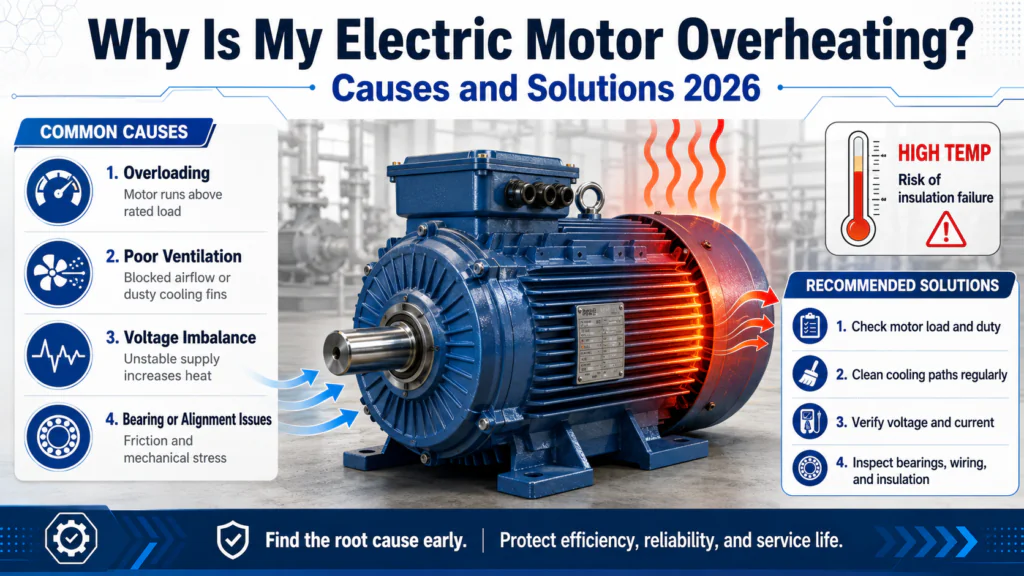
လျှပ်စစ်မော်တာတစ်ခုက ထွက်လာတဲ့အပူက ပတ်ဝန်းကျင်လေထဲကို တွန်းထုတ်နိုင်တာထက် ပိုနေတဲ့အခါ အပူလွန်သွားတယ်။ Dongchun Motor မှကျွန်ုပ်၏အတွေ့အကြုံအရ၊ ၎င်းသည် စက်ပိုင်းဆိုင်ရာပိုလျှံမှု၊ ပိတ်ဆို့နေသောအအေးခံမှု၊ ဗို့အားပြဿနာများ၊ ဝက်ဝံဝတ်ဆင်မှု၊ ပျက်စီးနေသောလျှပ်ကာများ၊ သို့မဟုတ် VFD မှ ဟာမိုနီစဖိစီးမှုတို့ဖြစ်သည်။ မော်တာသည် မသေဆုံးမီတွင် သင့်အား ပုံမှန်အားဖြင့် သတိပေးသည် — လက်ရှိတက်လာသော၊ ပူနေသောဘောင်၊ ထူးဆန်းသောဆူညံသံ။ အကြောင်းရင်းမှန်ကို စောစီးစွာသိရှိပြီး ပူလောင်မှုမဖြစ်မီ ပြုပြင်ပါ။
လျှပ်စစ်မော်တာ ဘာကြောင့် အပူလွန်ကဲသလဲ
Dongchun Motor (iecmotores.com) မှာ မော်တော်ယာဥ်လုပ်ငန်းကို 10 နှစ်ကျော်ကြာအောင် လုပ်ခဲ့ပြီး အပူလွန်ကဲမှုဟာ မကြာခဏဆိုသလို တွေ့နေရတဲ့ ပြဿနာပါ။ ဖောက်သည်များက ကျွန်ုပ်ကို ဘရာဇီး၊ ဂရိ၊ အင်ဒိုနီးရှား— မတူညီသော နိုင်ငံများမှ ဖုန်းခေါ်ဆိုကြသည်။ မော်တာသည် နှစ်အတော်ကြာအောင် လည်ပတ်နေပြီး တစ်နေ့တွင် ခလုတ်တိုက်သွားသည် သို့မဟုတ် ပိုဆိုးသည်မှာ ရပ်တန့်သွားပြီး ပလတ်စတစ် မီးလောင်သလို အနံ့အသက်ရနေသည်။
ဒါကတော့ လူအများစု လွမ်းဆွတ်စရာပါပဲ။ မော်တာသည် ရုတ်တရက် အပူလွန်ကဲရုံမျှမက။ အဲဒီမှာ ဖြည်းဖြည်းချင်း ရောက်သွားတယ်။ စစ်မှန်သောကျရှုံးမှုမဖြစ်မီ ရက်သတ္တပတ်များအတွင်း အရိပ်အယောင်များရှိနေသည် — မြင့်မားသောလက်ရှိဆွဲမှု၊ ၎င်းကိုသင်၏လက်ပေါ်တင်လိုက်သောအခါ ခါတိုင်းထက် ပိုပူသည်ဟုခံစားရသည့်ဘောင်တစ်ခု၊ ယခင်ကမရှိခဲ့သော ထုံမွှမ်းသောအသံဖြစ်နိုင်သည်။ insulation အနံ့ရလာသောအခါတွင် အမှန်တကယ် ပျက်စီးနေပြီဖြစ်သည်။
[IEC 60034-1 မော်တာအပူချိန်အတန်းများ](https://webstore.iec.ch/en/publication/64293)၁ - မော်တာအပူကာကွယ်ရေးဆိုင်ရာ နိုင်ငံတကာစံနှုန်း - သတ်မှတ်ထားသောအပူချိန်ထက် 8 မှ 10 ဒီဂရီစင်တီဂရိတ်မြင့်တက်တိုင်း လျှပ်ကာများ၏သက်တမ်းသည် ခန့်မှန်းခြေအားဖြင့် တစ်ဝက်ခန့်ဖြစ်ကြောင်း အတည်ပြုသည်။ ထိုနံပါတ်သည် ဝယ်သူအများစုသဘောပေါက်သည်ထက် ပိုအရေးကြီးသည်။
ငါမကြာခဏတွေ့လေ့ရှိတဲ့ အကြောင်းတရားခြောက်ခု၊ အဲဒါတွေကို ဘယ်လိုရှာရမလဲ၊ တစ်ခုစီအတွက် ဘာလုပ်ရမလဲဆိုတာတွေကို ပြောပြပါရစေ။
ဤအရာသည် ကျွန်ုပ်တို့ နက်ရှိုင်းစွာမလုပ်ဆောင်မီ အတိုချုပ်သုံးသပ်ချက်ဖြစ်သည်-
| အကြောင်းရင်း | အဖြစ်များသောရောဂါလက္ခဏာ | အမြန်စစ်ဆေးပါ။ |
|---|---|---|
| ဝန်ပို | မြင့်မားသောလျှပ်စီးကြောင်း၊ ခလုတ်တိုက်ထားသောအပူပြန်လွှင့်မှု | လည်ပတ်နေသော amps များကို nameplate FLA နှင့် နှိုင်းယှဉ်ပါ။ |
| လေဝင်လေထွက်မကောင်းပါ။ | ပူသောဘောင်၊ ဆူးတောင်များ | ပန်ကာအကာနှင့် အအေးခံပိုက်များကို စစ်ဆေးပါ။ |
| ဗို့အားပြဿနာ | မညီမျှသောအဆင့်ရေစီးကြောင်းများ၊ ဆူညံနေသည်။ | မော်တာစက်များတွင် ဗို့အားတိုင်းပါ။ |
| စေ့စေ့စပ်စပ် ရှုံးနိမ့်ခြင်း။ | တုန်ခါမှု၊ ဆူညံသံ၊ အပြောင်းအလဲလုပ်ထားသော အပူ | ထမ်းအိမ်များတွင် အနီအောက်ရောင်ခြည် သာမိုမီတာ |
| လျှပ်ကာပျက်စီးခြင်း။ | အငတ်ခံ ခရီးများ ၊ အနံ့ ၊ | Megger insulation resistance စမ်းသပ်မှု |
| VFD ဟာမိုနီများ | အရှိန်လွန်ကဲခြင်း၊ ကွေ့ကောက်သော ဆူညံသံ | Drive ဆက်တင်များနှင့် ကေဘယ်အရှည်ကို စစ်ဆေးပါ။ |
မှတ်သားထိုက်သော စည်းမျဉ်းတစ်ခု- မော်တာတစ်ခု၏ အဆင့်သတ်မှတ်ထားသော အပူချိန်ထက် 10°C တက်လာတိုင်း insulation life ကို အကြမ်းအားဖြင့် ထက်ဝက်ခန့် ဖြတ်တောက်ပေးသည်။ 4-pole IE3 မော်တာသည် 40°C အရမ်းပူနေပါက အဆင့်သတ်မှတ်အပူချိန်တွင် အနှစ် 20 ကြာအောင်တည်ဆောက်ထားသော 4-pole IE3 မော်တာသည် နှစ်နှစ်အတွင်း ပျက်သွားနိုင်သည်။ ဒါဟာ သေးငယ်တဲ့ ခြားနားချက် မဟုတ်ပါဘူး။
သတ်မှတ်ထားသော အပူချိန်ထက် 10°C တက်လာတိုင်း မော်တာလျှပ်ကာသက်တမ်းတစ်ဝက်ခန့်ရှိသည်။မှန်ပါတယ်။
ဤသည်မှာ IEC 60034-1 စံနှုန်းများနှင့် ကိုက်ညီပြီး AEMT ကဲ့သို့သော စက်မှုလုပ်ငန်းအဖွဲ့များမှ ကိုးကားထားသော မော်တာအင်ဂျင်နီယာတွင် ကောင်းစွာအခြေတည်ထားသော အပူအိုမင်းခြင်းဆိုင်ရာ နိယာမဖြစ်သည်။
အပူကာကွယ်ရေးတွင် လည်ပတ်နေသော မော်တာသည် relay ပြန်လည်သတ်မှတ်ပြီးနောက် ချက်ချင်းပြန်လည်စတင်ရန် ဘေးကင်းပါသည်။မှားသော
မော်တာကို လုံးဝအအေးခံပြီး ပြန်မဖွင့်ခင် အကြောင်းရင်းကို ရှာပြီး ပြင်သင့်ပါတယ်။ မူလအကြောင်းအရင်းကို မဖြေရှင်းဘဲ ပြန်လည်စတင်ခြင်းသည် လျှပ်ကာကို ပျက်စီးစေပြီး ထပ်ခါတလဲလဲ လည်ပတ်ခြင်းကို ဖြစ်စေသည်။
အကြောင်းရင်း 1- စက်ပိုင်းဆိုင်ရာ လွန်ကဲမှု
Overload သည် ကျွန်တော်ကြုံတွေ့ရသည့် အဖြစ်အများဆုံး အကြောင်းရင်းတစ်ခုဖြစ်သည်။ shaft ပေါ်ရှိ ဝန်သည် မော်တာအတွက် ဒီဇိုင်းထုတ်ထားသည်ထက် torque ပိုတောင်းဆိုသောအခါ ဖြစ်ပေါ်လာသည်။ မော်တာသည် လျှပ်စီးကြောင်းများကို ပိုမိုဆွဲထုတ်ခြင်းဖြင့် တုံ့ပြန်သည် — နှင့် လျှပ်စီးကြောင်းများသည် stator windings တွင် ပို၍ အပူကို ဆိုလိုသည်။
ဤသည်မှာ လူများ မကြာခဏ မှားတတ်သည့် အရာတစ်ခု ဖြစ်သည်- တစ်စုံတစ်ဦးမှ မော်တာကို မှားယူမိခြင်းကြောင့်သာ ဝန်ပိုခြင်း မဟုတ်ပါ။ အခြေအနေများပြောင်းလဲသွားသောကြောင့် မော်တာသည် နှစ်အတော်ကြာအောင် လည်ပတ်နိုင်ပြီး ဝန်ပိုစပြုနိုင်သည်။ pump impeller ပျက်သွားသည်နှင့် resistance တက်လာသည်။ Conveyor Belt သည် ပစ္စည်းစုပုံလာသည်။ ဂီယာအုံ တောင့်တင်းလာသည်။
ကျွန်တော့်မှာ မနှစ်တုန်းက ပိုလန်မှာ ဖောက်သည်တစ်ယောက်ရှိခဲ့တယ် - သူက သုံးနှစ်ကြာအောင် ကောင်းမွန်စွာအလုပ်လုပ်ခဲ့တဲ့ ဝက်အူ 160M ရှိတဲ့ 4-pole 15 kW IE3 မော်တာ၊ frame 160M ကို အသုံးပြုနေပါတယ်။ ထို့နောက် ၎င်း၏ဂီယာဘောက်စ်ရှိ ဝက်ဝံများသည် စတင်ဝတ်ဆင်ပြီး ၎င်း၏အဆင့်သတ်မှတ်ခံဝန်ထက် မော်တာအား တွန်းပို့ရန် လုံလောက်သောဆွဲအား ပေါင်းထည့်ခဲ့သည်။ မပြောတတ်ဘူး။ မော်တော်က အခုမှ “အို" သူ့စိတ်ထဲမှာ နံမည်ပြား FLA နှင့် လည်ပတ်နေသော amps များကို တိုင်းတာပြီးသည်နှင့် အဖြေမှာ ထင်ရှားပါသည်။
၎င်းကို ရောဂါရှာဖွေနည်း- အဆင့်တစ်ခုစီတွင် လက်ရှိမီတာတစ်ခုကို ကုပ်ပြီး load အပြည့်ဖွင့်နေချိန်တွင် လည်ပတ်နေသော လက်ရှိကိုဖတ်ပါ။ ထို့နောက် ၎င်းကို တံဆိပ်ပေါ်ရှိ Full Load Amps (FLA) နံပါတ်နှင့် နှိုင်းယှဉ်ပါ။ အကယ်၍ သင်သည် ထိုနံပါတ်ထက် တသမတ်တည်းရှိနေပါက၊ မော်တာသည် ဝန်ပိုနေပါသည်။ ထိုကဲ့သို့ရိုးရှင်းပါသည်။
NO MG 1 အပိုင်း ၃၁၂ အဆင့်သတ်မှတ်ထားသောဝန်တွင်အသုံးပြုသည့်အမြှောက်ကိုဝန်ဆောင်မှုအချက်အဖြစ်သတ်မှတ်သည် — 1.15 ဝန်ဆောင်မှုအချက်သည် မော်တာသည် အဆင့်သတ်မှတ်ထားသောဝန်၏ 115% ကို စဉ်ဆက်မပြတ်ကိုင်တွယ်နိုင်သော်လည်း အဆင့်သတ်မှတ်ထားသည့်ပတ်ဝန်းကျင်နှင့်ရှင်းလင်းသောအအေးပေးသည့်နေရာတွင်သာလုပ်ဆောင်နိုင်သည်။
1.15 ဝန်ဆောင်မှုအချက်ပါသော မော်တာသည် အဆင့်သတ်မှတ်ထားသော ဝန်၏ 115% ကို စဉ်ဆက်မပြတ် ကိုင်တွယ်နိုင်သည် — သို့သော် ပတ်ဝန်းကျင် အပူချိန်သည် ပုံမှန်ဖြစ်ပြီး လေဝင်လေထွက် ကြည်လင်နေမှသာ။ ပြဿနာကို လျစ်လျူရှုရန် အကြောင်းပြချက်တစ်ခုအနေဖြင့် ဝန်ဆောင်မှုအချက်ကို မသုံးပါနှင့်။
ဘာလုပ်မလဲ:
- တတ်နိုင်ရင် စက်ဝန်ကို လျှော့ပါ။
- အကယ်၍ ဝန်သည် အမှန်တကယ်ကြီးထွားလာပါက၊ ပိုကြီးသောမော်တာတွင်ထည့်ပါ — ကန့်သတ်ကန့်သတ်ထားသော 15 kW အတွက်၊ 18.5 kW frame 160L သို့မဟုတ် 22 kW frame 180M အထိ အဆင့်မြှင့်တင်ပါ။
- လည်ပတ်မှုမြင့်မားသော အက်ပ်လီကေးရှင်းများတွင် inrush current ကိုဖြတ်တောက်ရန် soft starter သို့မဟုတ် VFD ကိုထည့်ပါ။
- သင်၏အပူလွန်ကဲသော relay ကိုမှန်ကန်စွာသတ်မှတ်ပါ။ Relay သည် မြင့်မားလွန်းသည် ဆိုသည်မှာ အကာအကွယ် မဟုတ်ပေ — ၎င်းသည် လုံခြုံရေး၏ မှားယွင်းသော ခံစားမှုတစ်ခုဖြစ်သည်။
လည်ပတ်နေသော လက်ရှိကို တံဆိပ်ပြား FLA နှင့် နှိုင်းယှဉ်ခြင်းသည် မော်တာပိုလျှံမှုကို စစ်ဆေးရန် အမြန်ဆုံးနည်းလမ်းဖြစ်သည်။မှန်ပါတယ်။
Clamp Meter ဖြင့် အဆင့်သုံးဆင့်ရေစီးကြောင်းအားလုံးကို ဖတ်ပြီး တံဆိပ်ပြားအား Full Load Amps နှင့် နှိုင်းယှဉ်ပါက မော်တာသည် ဒီဇိုင်းထုတ်ထားသည်ထက် ပိုမိုခက်ခဲစွာ အလုပ်လုပ်ခြင်းရှိမရှိ တိုက်ရိုက်ပြသသည်။
မော်တာ၏ဝန်ဆောင်မှုအချက်တစ်ချက်က ၎င်းအား အဆင့်သတ်မှတ်ထားသောဝန်အထက်တွင် မည်သည့်အကျိုးဆက်မှမရှိဘဲ အကန့်အသတ်မရှိလည်ပတ်နိုင်စေသည်။မှားသော
ပတ်ဝန်းကျင်အပူချိန်သတ်မှတ်ချက်အတွင်းတွင်သာရှိပြီး အအေးပေးခြင်းသည် အပြည့်အဝလုပ်ဆောင်နိုင်သည့်အခါ ဝန်ဆောင်မှုအချက်အား အကျုံးဝင်ပါသည်။ ပူပြင်းသော သို့မဟုတ် လေ၀င်လေထွက်မကောင်းသော ပတ်ဝန်းကျင်တွင် ဝန်ဆောင်မှုအချက်အချာအတွင်း၌ပင် အဆင့်သတ်မှတ်ထားသောဝန်ထက် လည်ပတ်ခြင်းသည် အလွန်အမင်း အပူနှင့် လျှပ်ကာများကို ပျက်စီးစေသည်။
အကြောင်းရင်း 2- အအေးမလုံလောက်ခြင်းနှင့် လေဝင်လေထွက် ပိတ်ဆို့ခြင်း။
မနှစ်က ဂရိဖောက်သည်တစ်ယောက်က ကျွန်တော့်ကို ဖုန်းဆက်တယ်။ ၎င်း၏ 4-တိုင် 11 kW IP55 ပန့်မော်တာ၊ ဖရိန် 160M သည် မိနစ် 30 ခန့် လည်ပတ်ပြီးနောက် ခလုတ်တိုက်သည်။ နှစ်နှစ်လောက် ကောင်းကောင်းနေခဲ့တယ်။ ကျွန်တော် သူ့ကို မေးခွန်းသုံးခုမေးခဲ့တယ်
"တပ်ဆင်မှုတွင် တစ်စုံတစ်ရာ ပြောင်းလဲသွားပါသလား။"
"ပန်ကာအဖုံးက အရင်အတိုင်းပဲလား။"
"အအေးခံပိုက်တွေကို ဘယ်အချိန်နောက်ဆုံးထားပြီး သန့်ရှင်းရေးလုပ်တာလဲ။"
သူသွား၍ကြည့်သည်။ ပန်ကာအကာတွင် အက်ကွဲကြောင်းရှိသည်။ ဆူးတောင်တွေကိုဖြတ်မယ့်အစား အေးမြတဲ့လေစီးကြောင်းတစ်ဝက်က ဘေးတိုက်သွားနေတယ်။ သူ့အပင်မှာ ဖုန်ထူတဲ့ ပတ်ဝန်းကျင်နဲ့ ပေါင်းစပ်ပြီး ဆူးတောင်တွေကို တစ်စိတ်တစ်ပိုင်း ပိတ်ဆို့ထားတယ်။ မော်တာသည် ကိုယ်တိုင်ချက်ပြုတ်နေပါသည်။
ငါတို့က သူ့ကို အစားထိုး အင်္ကျီတစ်ထည် ပို့လိုက်တယ်။ နှစ်ရက်အတွင်း ပြဿနာ ပြေလည်သွားသည်။
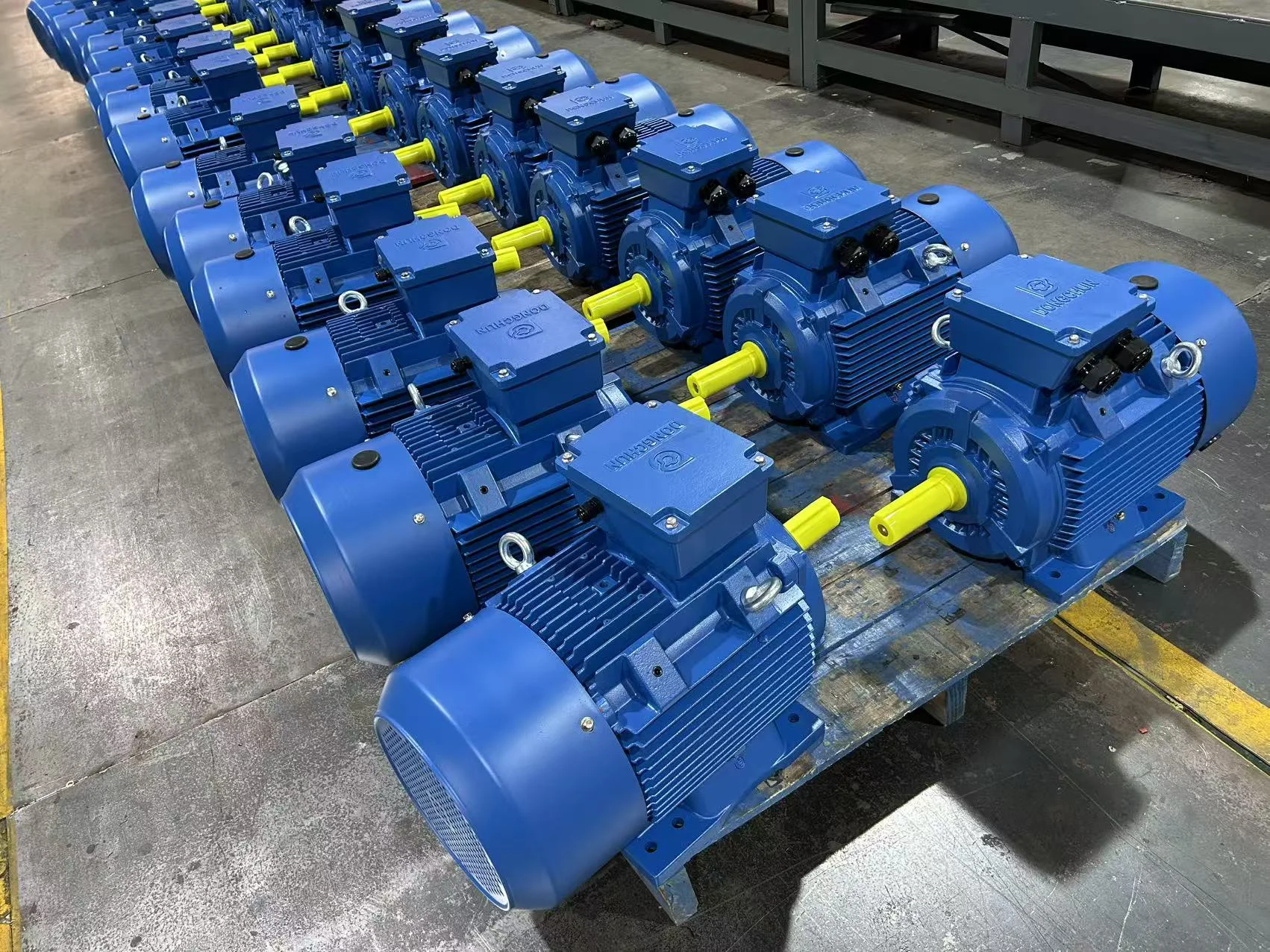
TEFC မော်တာများ — Dongchun Motor (iecmotores.com) တွင် ကျွန်ုပ်တို့ပြုလုပ်သည့် အသုံးအများဆုံး အမျိုးအစားဖြစ်သည့် Totally Enclosed Fan-Cooled — ရိုးတံပေါ်ရှိ ပန်ကာကိုအသုံးပြု၍ အပြင်ဘက်ရှိ ဆူးတောင်များကိုဖြတ်၍ လေကိုအအေးခံပါ။ ထိုလေ၀င်ပေါက်ကို ပိတ်ဆို့ထားလျှင် သို့မဟုတ် ပြန်ညွှန်းပါက၊ အပူသည် မည်သည့်နေရာမှ မသွားပါ။
အရံအတားကာကွယ်မှုစံ IEC 60529 IP အဆင့်သတ်မှတ်ချက်၃ လုံလောက်သောရှင်းလင်းမှုဖြင့် မော်တာအား မှန်ကန်စွာ တပ်ဆင်သည့်အခါတွင် IP အဆင့်သတ်မှတ်ချက်များ သက်ရောက်ကြောင်းလည်း သတ်မှတ်သည် — အလုံပိတ် IP55 မော်တာသည် လေ၀င်လေထွက်မရှိသော တင်းကျပ်သော ကက်ဘိနက်တစ်ခုအတွင်းသို့ ပြည့်ကျပ်နေပါက ၎င်း၏စမ်းသပ်မှုအခြေအနေများအပြင်ဘက်တွင် ရှိနေသည်။
အဖြစ်များသော အကြောင်းရင်းများ-
- အအေးခံတွင်းများထဲသို့ ထုပ်ပိုးထားသော ဖုန်မှုန့်၊ အဆီ သို့မဟုတ် လုပ်ငန်းစဉ်ပစ္စည်းများ
- ဆူးတောင်များကိုဖြတ်၍ စီးဆင်းမည့်အစား လေထွက်ပေါက် အက်ကွဲနေသော သို့မဟုတ် ပျောက်ဆုံးနေသော ပန်ကာအကာ
- မော်တာသည် ၎င်းပတ်ပတ်လည်တွင် နေရာလွတ်မရှိ ပိတ်ထားသော ဗီရိုတွင် တပ်ဆင်ထားသည်။
- မော်တာအများစုအတွက် စံသတ်မှတ်ချက်ဖြစ်သည့် 40°C ထက်ဝန်းကျင်အပူချိန်
- ပန်ကာနှင့် တပ်ဆင်ထားသော မော်တာသည် နံရံနှင့် နီးကပ်လွန်းသည်။
၎င်းကို ရောဂါရှာဖွေနည်း- ၎င်းအား ဝန်အောက်တွင် လည်ပတ်နေချိန်တွင် သင့်လက်အား မော်တာဘောင်ပေါ်တွင် တင်ပါ။ စက္ကန့်အနည်းငယ်ကြာအောင် ထိမိရင် မနာကျင်ဘဲ နွေးထွေးသလို ခံစားရမှာဖြစ်ပါတယ်။ ဖရိန်မျက်နှာပြင်ပေါ်ရှိ အနီအောက်ရောင်ခြည် သာမိုမီတာကို အသုံးပြုပြီး မောင်းနှင်သည့်အဆုံး၊ ဒရိုက်မဟုတ်သောအဆုံးနှင့် ဖရိန်၏အလယ်ကို နှိုင်းယှဉ်ပါ။ ပြီးရင် ပန်ကာအဖုံးကို မျက်လုံးနဲ့ ကြည့်လိုက်ပါ။
ဘာလုပ်မလဲ:
- ဖိသိပ်ထားသောလေဖြင့် အအေးခံပိုက်များကို မှုတ်ထုတ်ပါ။ ဖုန်ထူတဲ့ ပတ်ဝန်းကျင်မှာ ဒါကို လစဉ်လုပ်ပါ။
- ပျက်စီးနေသောပန်ကာအဖုံးကို ချက်ချင်းအစားထိုးပါ။ ပျောက်ဆုံးနေသောအဖုံးတစ်ခုသည် အအေးခံမှုကို 30 မှ 50 ရာခိုင်နှုန်းအထိ လျှော့ချနိုင်သည်။
- အခန်းအပူချိန် ပုံမှန် 40 ဒီဂရီစင်တီဂရိတ်ထက် ကျော်လွန်ပါက မော်တာအား နှိမ့်ချပါ သို့မဟုတ် ပိုမိုမြင့်မားသော insulation class ဖြင့် အသုံးပြုပါ — Class F အစား Class H တည်ဆောက်ပါ။
- အထူးသဖြင့် ပန်ကာအဆုံးတွင် မော်တာအနီးတစ်ဝိုက်တွင် ပွင့်လင်းသောနေရာကို သေချာပါစေ။
ပျောက်ဆုံးနေသော သို့မဟုတ် အက်ကွဲနေသော ပန်ကာအကာတစ်ခုသည် မော်တာအအေးခံမှုစွမ်းဆောင်ရည်ကို 30 မှ 50 ရာခိုင်နှုန်းအထိ လျှော့ချနိုင်သည်။မှန်ပါတယ်။
ပန်ကာအကာသည် အအေးခံပိုက်များတစ်လျှောက် လေစီးဆင်းမှုကို ညွှန်ကြားသည်။ အဲဒါမရှိရင် လေထုရဲ့ လှုပ်ရှားမှု တော်တော်များများကို အလဟဿဖြစ်သွားတယ်။ တူညီသောဝန်အခြေအနေများအောက်တွင်မော်တာဘောင်သည်သိသိသာသာပူပြင်းသည်။
TEFC မော်တာများသည် လုံး၀အလုံပိတ်ထားပြီး ၎င်းတို့ပတ်လည်တွင် ပြင်ပလေဝင်လေထွက်နေရာ မလိုအပ်ပါ။မှားသော
TEFC မော်တာများသည် ပြင်ပအတောင်များကိုဖြတ်၍ လေကိုရွှေ့ခြင်းဖြင့် အေးမြစေသည်။ ဤအအေးပေးစနစ်အလုပ်လုပ်ရန်အတွက် ၎င်းတို့သည် အိမ်ရာအနီးတစ်ဝိုက်တွင် ရှင်းလင်းသောနေရာလွတ်များ လိုအပ်ပါသည်။ ၎င်းတို့ကို ရှင်းလင်းခြင်းမရှိဘဲ တင်းကျပ်သော အကာအရံများတွင် တပ်ဆင်ခြင်းသည် အပူလွန်ကဲစေပါသည်။
အကြောင်းရင်း 3- ဗို့အားထောက်ပံ့မှု ပြဿနာများ
ဗို့အားပြဿနာများသည် လျှို့ဝှက်ဆန်းကြယ်သည်။ မော်တာကြည့်ရတာ ကောင်းပါတယ်။ အခုလက်ရှိကတော့ အရူးလို့မထင်ပါဘူး။ သို့သော် အဆင့်တစ်ခုသည် အခြားအရာများထက် အနည်းငယ်နိမ့်ပြီး ရက်သတ္တပတ်များနှင့် လများကြာလာသည်နှင့်အမျှ အကွေ့အကောက်တစ်ခုသည် သင့်ထက်ပိုမိုခက်ခဲသည်။
ဤနေရာတွင် အဓိကပြဿနာနှစ်ခုရှိသည်။
ဗို့အားမညီမျှခြင်း- ထောက်ပံ့ရေးအဆင့်သုံးဆင့်မညီမျှသောအခါ၊ အကွေ့အကောက်တစ်ခုသည် အခြားအရာများထက် လျှပ်စီးကြောင်းပိုမိုဆွဲယူသည်။ အဆင့်များကြားတွင် ဗို့အားကွာခြားချက် 2 မှ 3 ရာခိုင်နှုန်းသာရှိသော လက်ရှိကွာခြားချက်သည် ထိုရာခိုင်နှုန်းကို 6 မှ 10 ဆအထိ ဖန်တီးပေးနိုင်သည်။ အဆိုပါ အပိုလျှပ်စီးကြောင်းသည် stator တွင် hot spot ကို ဖန်တီးပေးသည်။ ၎င်းကို အခြားအရာများရှေ့တွင် ပျက်ကွက်သည့် အကွေ့အကောက်တစ်ခုအဖြစ် သင်မကြာခဏမြင်ရလိမ့်မည် — သင်ထောက်ပံ့မှုအား မစစ်ဆေးပါက ကျပန်းပျက်ကွက်မှုတစ်ခုအဖြစ် မြင်နိုင်သည်။
နိမ့်ဗို့အား- ထောက်ပံ့ရေးဗို့အားသည် တံဆိပ်ပြားအဆင့်သတ်မှတ်ချက်အောက် ကျဆင်းသွားသောအခါ၊ မော်တာသည် တူညီသော ရုန်းအားကို ထိန်းသိမ်းရန် လျှပ်စီးကြောင်းကို ပိုမိုဆွဲယူသည်။ လျှပ်စီးကြောင်းများလေလေ အရှိန်ပိုလေဖြစ်သည်။
ကျွန်ုပ်တွင် ချီလီရှိ ဖောက်သည်တစ်ဦးသည် အဆောက်အဦတစ်ခုတည်းတွင် 4-pole 7.5 kW 400V/50Hz IE3 မော်တာသုံးလုံးသုံးသည်။ နှစ်ယောက်အဆင်ပြေတယ်။ တစ်ခုက အပူလွန်ကဲနေတယ်။ မော်ဒယ်တူ၊ တူညီသောဝန်။ နောက်ဆုံးတွင် ကျွန်ုပ်တို့သည် အရေးကြီးသော ခြားနားချက်ဖြစ်သည့် အကန့်တွင်မဟုတ်ဘဲ မော်တာတာမီနယ်များတွင် ဗို့အားကို တိုင်းတာပြီး ထိုမော်တာသို့ လည်ပတ်သည့်ကေဘယ်ကြိုးသည် ချောင်နေသော terminal ချိတ်ဆက်မှုရှိကြောင်း တွေ့ရှိခဲ့သည်။ မော်တာရှိဗို့အားသည် panel ထက် 8 ရာခိုင်နှုန်းနိမ့်သည်။ လုံလောက်ပါတယ်။
NEMA MG 1 ဗို့အားမညီမျှမှု လမ်းညွှန်ချက်၄ 1% ထက်ကျော်လွန်သော ဗို့အားမညီမျှမှုသည် လက်ရှိမညီမျှမှုကို 6 မှ 10 ဆအထိ ဖြစ်စေနိုင်သည် — နှင့် 1% မညီမျှမှု တသမတ်တည်း ကျော်လွန်သောအခါ မော်တာများကို နှောင့်နှေးစေသည်ဟု အကြံပြုထားသည်။
၎င်းကို ရောဂါရှာဖွေနည်း-
- ဖြန့်ဖြူးမှုဘောင်တွင်မဟုတ်ဘဲ မော်တာတာမီနယ်များတွင် ဗို့အားတိုင်းတာပြီး ဝန်အပြည့်ဖြင့်လုပ်ဆောင်ပါ။
- အဆင့်သုံးဗို့အား တစ်ခုနှင့်တစ်ခု နှိုင်းယှဉ်ပါ။ မညီမျှသောရာခိုင်နှုန်းသည်- ပျမ်းမျှအားဖြင့် ပျမ်းမျှအားဖြင့် ပိုင်းခြားထားသော အမြင့်ဆုံးသွေဖည်မှု၊ အမြှောက် 100။
- မညီမျှခြင်း 2 ရာခိုင်နှုန်း ကျော်လွန်ပါက အကြောင်းရင်းကို ရှာဖွေပါ။
- တိုင်းတာထားသော ဗို့အားကို တံဆိပ်ပြား အဆင့်သတ်မှတ်ထားသော ဗို့အားနှင့် နှိုင်းယှဉ်ပါ။ တစ်သမတ်တည်း 10 ရာခိုင်နှုန်းကျော်ကျဆင်းခြင်းသည် ပြင်းထန်သည်။
ဘာလုပ်မလဲ:
- Terminal ချိတ်ဆက်မှုတိုင်းကို စစ်ဆေးပြီး တင်းကျပ်ပါ။ လျော့ရဲသော ချိတ်ဆက်မှုများသည် မညီမျှခြင်း၏ အဖြစ်အများဆုံး အကြောင်းရင်းဖြစ်သည်။
- အဆင့်သုံးဆင့် အကန့်တစ်ခုမှ တစ်ဆင့်ချင်း ဝန်များကို ညီညာစွာ နှိပ်ထားခြင်း ရှိမရှိ စစ်ဆေးပါ။
- ဘေးကင်းသောအဆင့်ထက် မညီမျှပါက မော်တာအား လည်ပတ်စေမည့် ဗို့အားစောင့်ကြည့်ရေးရီလီကို တပ်ဆင်ပါ။
- ဗို့အား တသမတ်တည်းနိမ့်နေပါက ထရန်စဖော်မာကိုနှိပ်ပါ ဆက်တင်များကို စစ်ဆေးပါ သို့မဟုတ် သင်၏ အသုံးဝင်မှုကို ဆက်သွယ်ပါ။
အဆင့်များအကြား 2 မှ 3 ရာခိုင်နှုန်း ဗို့အားမညီမျှခြင်းသည် လက်ရှိမညီမျှမှုကို 10 ဆအထိ ဖြစ်ပေါ်စေနိုင်သည်။မှန်ပါတယ်။
၎င်းသည် အဆင့်သုံးဆင့် မော်တာအပြုအမူတွင် လူသိများသော ကိန်းဂဏန်းအကျိုးသက်ရောက်မှုဖြစ်သည်။ သေးငယ်သော ဗို့အားမညီမျှမှုသည် ပုံမှန်အတိုင်းဖြစ်နေသော်လည်း အကွေ့အကောက်တစ်ခုသည် အပူလွန်သွားစေရန် အချိုးမညီမျှသော ကြီးမားသော လက်ရှိမညီမျှမှုကို ဖန်တီးပေးသည်။
ဖြန့်ဖြူးမှုဘောင်တွင် ဗို့အားတိုင်းတာခြင်းသည် မော်တာသည် မှန်ကန်သောဗို့အားလက်ခံရရှိကြောင်း အတည်ပြုရန် လုံလောက်ပါသည်။မှားသော
ရှည်လျားသောကေဘယ်ကြိုးများ လည်ပတ်မှု၊ ချိတ်ဆက်မှုများ လျော့ရဲခြင်း သို့မဟုတ် အရွယ်အစားနည်းသော ဝါယာကြိုးများကြောင့် ဗို့အားသည် ဘောင်နှင့် မော်တာဂိတ်များကြားတွင် သိသိသာသာ ကျဆင်းသွားနိုင်သည်။ တိကျသောစာဖတ်ခြင်းအတွက် ဝန်အောက်ရှိ မော်တာဂိတ်များကို အမြဲတိုင်းပါ။
အကြောင်းရင်း 4- Bearing Wear နှင့် Mechanical Friction
Bearings များသည် shaft ကို ပွတ်တိုက်မှုမရှိဘဲ လှည့်ပတ်နေစေရမည်။ ညစ်ညမ်းမှု၊ မှားယွင်းသော ချောဆီ၊ မှားယွင်းမှု သို့မဟုတ် ဝန်ပိုခြင်းမှစ၍ ပျက်ကွက်သောအခါ — ၎င်းတို့သည် ဝက်ဝံအိမ်တွင် အပူထုတ်ပေးပြီး ထိုအပူကို မော်တာဘောင်နှင့် အကွေ့အကောက်များအတွင်းသို့ တွန်းပို့သည်။
ဤအရာသည် ဤအရာသည် ရှုပ်ထွေးစေသည်- ပျက်ကွက်သည့် ဝက်ဝံသည် မြင့်မားသော လျှပ်စီးကြောင်းအဖြစ် ချက်ချင်းမပေါ်နိုင်ပါ။ အပူရှိန်က ပြည်တွင်းမှာ တည်တယ်။ relay ဆီသို့ လုံလောက်သော stator အပူချိန် မြင့်တက်လာသောအခါ၊ bearing သည် ပျက်စီးနေပြီ သို့မဟုတ် ၎င်းအနီးရှိ အကွေ့အကောက်များ ထိခိုက်နိုင်သည်။
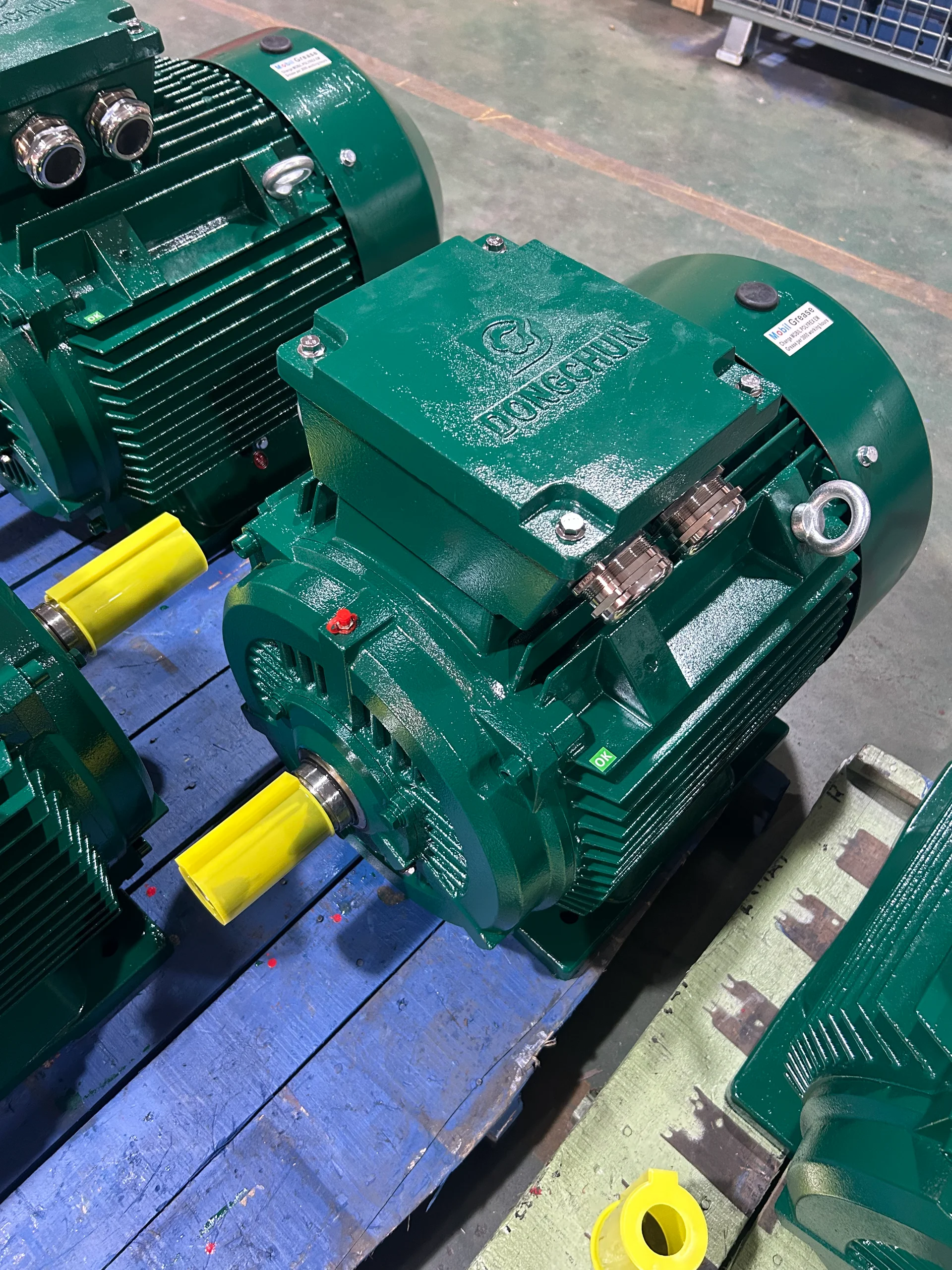
ကျွန်တော်တွေ့နေရတဲ့ အဖြစ်များဆုံးအမှားကတော့ အဆီပြန်လွန်ကဲခြင်းပါပဲ။ လူတွေက အဆီပိုပိုကောင်းတယ်ထင်ကြတယ်။ က က က က က က က က က က က က က က က က က က က က က က က က က က က က က က က က က ကကက ပိုလျှံနေသော အဆီများသည် အိမ်ရာအတွင်းတွင် လောင်ကျွမ်းစေပြီး ပွတ်တိုက်မှုကို ထုတ်ပေးကာ ခြောက်သွေ့နေသော ဝက်ဝံကဲ့သို့ အပူကို ဖန်တီးပေးသည်။ မှန်ကန်သောပမာဏရှိသည် — သင့်မော်တာဘောင်အရွယ်အစားအတွက် ထုတ်လုပ်သူ၏ spec ကိုလိုက်နာပါ။ ဖရိန် 132S 4-pole မော်တာသည် ကြားကာလတစ်ခုစီတွင် ဆီဆီ 10 ဂရမ်ခန့် လိုအပ်သည်။ 30 ဂရမ် ထုပ်ပိုးပြီး အပူအရင်းအမြစ်ကို ဖန်တီးပြီးပါပြီ။
[ABB မော်တာချို့ယွင်းမှု ခွဲခြမ်းစိတ်ဖြာခြင်းဆိုင်ရာ နည်းပညာလမ်းညွှန်](https://library.e.abb.com/public/8c253c2417ed0238c125788f003cca8e/ABB_Technical_guide_No5_RevC.pdf)၅ VFD ဝက်ဝံလျှပ်စီးကြောင်းမှ လျှပ်စစ်ထုတ်လွှတ်မှု စက်ယန္တရားများသည် စက်ယန္တရားဝတ်ဆင်ခြင်းနှင့် ဆင်တူသည့်ပုံစံဖြင့် ထမ်းထားသော ပြေးလမ်းများကို မည်ကဲ့သို့ ပျက်စီးစေကြောင်း နှင့် စစ်ဆေးနေစဉ်အတွင်း ကွာခြားချက်ကို မည်သို့ပြောပြရမည်ကို မှတ်တမ်းတင်ထားသည်။
၎င်းကို ရောဂါရှာဖွေနည်း-
- drive-end bearing၊ non-drive-end bearing နှင့် mid-frame တို့တွင် အပူချိန် နှိုင်းယှဉ်ရန် အနီအောက်ရောင်ခြည် သာမိုမီတာကို အသုံးပြုပါ။ ဖရိန်ထက် သိသိသာသာ ပိုပူသော ဝက်ဝံအိမ်သည် ထိုနေရာတွင် တစ်ခုခုမှားနေပြီဟု သင့်အား ပြောပြသည်။
- မြန်နှုန်းနိမ့်ဖြင့် နားထောင်ပါ။ ဝက်ဝံဧရိယာမှ ကြိတ်ခြင်း၊ အော်ဟစ်ခြင်း၊ သို့မဟုတ် ပုံမှန်မဟုတ်သော ဆူညံသံသည် ထင်ရှားသောလက္ခဏာဖြစ်သည်။
- သင့်တွင် တုန်ခါမှုမီတာကို အသုံးပြုပါ။ bearing frequencies တွင် မြင့်မားသောတုန်ခါမှုသည် ဝတ်ဆင်မှုကို အတည်ပြုသည်။
- ချောဆီစစ်ဆေးပါ။ ဟောင်းပြီး ခြောက်သွေ့နေပါသလား။ အထဲမှာ အရမ်းများနေသလား။
ဘာလုပ်မလဲ:
- မသိမ်းမီ ဟောင်းနွမ်းနေသောဝက်ဝံများကို အစားထိုးပါ။ သော့မခတ်မချင်း မကောင်းတဲ့ bearing ကို လည်ပတ်စေတာက ရိုးတံကို ပျက်စီးစေပြီး အကွေ့အကောက်တွေကို လောင်ကျွမ်းစေနိုင်ပါတယ်။
- ပြုပြင်ထိန်းသိမ်းမှုလုပ်ဆောင်ပြီးနောက် ရိုးတံတန်းညှိမှုကို စစ်ဆေးပါ။ သေးငယ်သော မှားယွင်းမှုတစ်ခုပင်လျှင် bearing သည် မညီမညာသောဝန်ကို သယ်ဆောင်လာပြီး ပိုမြန်စေသည်။
- သင့်မော်တာဘောင်အရွယ်အစားအတွက် ချောဆီချိန်ဇယားကို လိုက်နာပါ — ကြားကာလနှင့် မှန်ကန်သော ဆီပမာဏ နှစ်မျိုးလုံး။
- bearing ၏အဆင့်သတ်မှတ်ချက်ထက်ကျော်လွန်သော application မှ radial သို့မဟုတ် axial loads ကိုစစ်ဆေးပါ။
အလုံးစုံမော်တာလျှပ်စီးကြောင်း သိသာစွာမတက်လာမီတွင် ပျက်ကွက်သည့် ဝက်ဝံသည် ဒေသအလိုက် အပူလွန်ကဲခြင်းကို ဖြစ်စေနိုင်သည်။မှန်ပါတယ်။
Bearing heat သည် အိမ်ရာတွင် ဒေသအလိုက် တည်ဆောက်သည်။ bearing အနီးတွင် သိသာထင်ရှားသော ပျက်စီးမှုများ ဖြစ်ပေါ်နေချိန်တွင် stator winding အပူချိန်သည် လက်ခံနိုင်ပုံပေါ်နေသေးသည်။ bearing အိမ်ရာရှိ အနီအောက်ရောင်ခြည် တိုင်းတာမှုသည် လက်ရှိဖတ်ရှုခြင်းတစ်ခုတည်းကို အားကိုးခြင်းထက် ပိုမိုစိတ်ချရပါသည်။
မော်တာဝက်ဝံကို အဆီပိုချခြင်းသည် အန္တရာယ်မရှိသည့်အပြင် အပိုအကာအကွယ်ကို ပေးသည်။မှားသော
ပိုလျှံနေသော အဆီများသည် bearing Housing အတွင်းတွင် လောင်ကျွမ်းစေပြီး ပွတ်တိုက်မှုနှင့် အပူကို ထုတ်ပေးသည်။ ၎င်းသည် ချောဆီမရှိခြင်းကဲ့သို့ bearing ချို့ယွင်းမှုကို ဖြစ်စေနိုင်သည်။ မှန်ကန်သော ဆီပမာဏကို မော်တာထုတ်လုပ်သူ၏ စာရွက်စာတမ်းများတွင် သတ်မှတ်ထားပါသည်။
အကြောင်းရင်း 5- Winding Insulation Degradation
မော်တာအကွေ့အကောက်များကို လျှပ်ကူးပစ္စည်းတစ်ခုချင်းစီ သို့မဟုတ် သံမဏိအူတိုင်တို့ကို မထိမိစေရန် အကာအကွယ်ပစ္စည်းများဖြင့် ဖုံးအုပ်ထားသည်။ အချိန်ကြာလာသည်နှင့်အမျှ၊ ဤလျှပ်ကာသည်ပြိုကွဲသွားသည်။ အပူပေးတယ်။ အစိုဓာတ်က အဲဒါပါပဲ။ ဓာတုပစ္စည်းတွေက လုပ်တယ်။ Vibration လုပ်တယ်။ အများအားဖြင့်တော့ လေးခုစလုံးဟာ နှစ်တွေကြာလာတာနဲ့အမျှ နှေးကွေးစွာ လက်တွဲလုပ်ဆောင်ကြပါတယ်။
insulation အားနည်းလာသည်နှင့်အမျှ သေးငယ်သော ယိုစိမ့်လျှပ်စီးကြောင်းများသည် conductor များကြားတွင် စီးဆင်းလာသည်။ အဲဒါတွေကို inter-turn shorts လို့ခေါ်တယ်။ ၎င်းတို့သည် လျှပ်ကာကို ပိုမိုပျက်စီးစေသည့် အပိုအပူများကို ထုတ်ပေးသည်။ အကွေ့အကောက်များ မအောင်မြင်မချင်း ၎င်းသည် ပိုမိုမြန်ဆန်၍ မြန်လာသည်။
insulation class သည် အကွေ့အကောက်များသည့် ပစ္စည်းသည် အဆက်မပြတ် ကိုင်တွယ်နိုင်သည့် အမြင့်ဆုံးအပူချိန်ကို ပြောပြသည်။ စက်မှုမော်တာများတွင် အသုံးအများဆုံး အမျိုးအစားသုံးမျိုးမှာ-
| လျှပ်ကာအတန်း | Max Winding Temperature | ပုံမှန်မြင့်တက်ကန့်သတ်ချက် (IEC) |
|---|---|---|
| အတန်း B | 130°C | ၈၀ ကျပ် |
| အတန်းအစား F | 155°C | ၁၀၅ ကျပ် |
| အတန်း H | 180°C | ၁၂၅ ကျပ် |
IEC 60085 လျှပ်ကာအမျိုးအစားခွဲခြားခြင်း။၆ ဤအပူချိန်အတန်းအစားများကို သတ်မှတ်သည့် စံသတ်မှတ်ချက်ဖြစ်ပါသည် — နှင့် ၎င်း၏အတန်းအစားအပူချိန်ကန့်သတ်ချက်တွင် အဆက်မပြတ်လုပ်ဆောင်နေသော လျှပ်ကာစနစ်သည် ဒီဇိုင်းသက်တမ်း ခန့်မှန်းခြေအားဖြင့် နာရီ 20,000 ရှိကြောင်းကိုလည်း သတ်မှတ်သည်။
Dongchun Motor (iecmotores.com) တွင်၊ ကျွန်ုပ်တို့၏ standard three-phase motors များသည် Class F insulation ကိုအသုံးပြုသော်လည်း Class B အပူချိန်မြင့်တက်မှုကန့်သတ်ချက်နှင့် အကဲဖြတ်ပါသည်။ ၎င်းသည် စစ်မှန်သော လည်ပတ်မှုအခြေအနေတွင် တပ်ဆင်ထားသော ဘေးကင်းရေးအနားသတ်ကို 25°C ပေးသည်။ ၎င်းသည် စျေးကွက်ရှာဖွေရေး စကားစုမဟုတ်ပါ — ဆိုလိုသည်မှာ မော်တာသည် အနည်းငယ် ပူနေချိန်တွင်ပင်၊ အကွေ့အကောက်များသည် ၎င်း၏ အမှန်တကယ် ကန့်သတ်ချက်သို့ မရောက်မီတွင် headroom အပိုပါရှိသည်။
၎င်းကို ရောဂါရှာဖွေနည်း-
- Megger စမ်းသပ်မှု- အကွေ့အကောက်တစ်ခုစီနှင့် မြေပြင်ကြားရှိ လျှပ်ကာခံနိုင်ရည်မီတာကို ချိတ်ဆက်ပါ။ 1 MΩ အောက်တွင် အနီရောင်အလံတစ်ခုဖြစ်သည်။ 1 kV အထက် မော်တာများအတွက်၊ တံခါးခုံသည် ပိုမြင့်သည် — IEC 60034 ကိုစစ်ဆေးပါ။
- Polarization Index (PI): 10 မိနစ်စာဖတ်ခြင်း၏ 1 မိနစ်စာဖတ်ခြင်းအချိုး။ 2.0 အောက်တွင် ယိုယွင်းနေသော insulation ကို ညွှန်ပြသည်။
- အပူပုံရိပ်ဖော်ခြင်း- မော်တာဘောင်တွင်မြင်ရသော အပူအစက်များသည် မျက်နှာပြင်အောက်ဘက်တွင် အလှည့်အပြောင်းတိုတောင်းသော လှုပ်ရှားမှုကို ပြသနိုင်သည် ။
ဘာလုပ်မလဲ:
- တစ်နှစ်လျှင် တစ်ကြိမ် အနည်းဆုံး ကာရံခံနိုင်ရည်အား စမ်းသပ်ပါ။ စိုစွတ်သော သို့မဟုတ် ဓာတုဗေဒအရ ပြင်းထန်သောပတ်ဝန်းကျင်တွင်၊ မကြာခဏ စမ်းသပ်ပါ။
- အကယ်၍ PI သည် တစ်နှစ်ထက်တစ်နှစ် ကျဆင်းနေပါက၊ မမျှော်လင့်ဘဲ မအောင်မြင်မီ ပြန်ရစ်ခြင်း သို့မဟုတ် အစားထိုးရန် စီစဉ်ပါ။
- မော်တာအကာအရံသည် ပတ်ဝန်းကျင်နှင့် ကိုက်ညီကြောင်း သေချာပါစေ။ IP55 သည် ပြင်ပနှင့် လျှော်ဖွပ်မှု အခြေအနေအများစုအတွက် အလုပ်လုပ်သည်။ ပြင်းထန်သောပတ်ဝန်းကျင်များသည် IP65 သို့မဟုတ် ထို့ထက်ပို၍ လိုအပ်နိုင်သည်။
- လျှပ်ကာချို့ယွင်းမှုသည် ရုတ်တရက် မဟုတ်ပါ။ megger စမ်းသပ်မှုရလဒ်များ၏ လမ်းကြောင်းသည် သင့်အား မည်သည့်နေရာသို့ ဦးတည်နေကြောင်း ကြိုတင်ပြောပြသည်။
နှစ်ပေါင်းများစွာကြာလာသည်နှင့်အမျှ လျှပ်ကာခံနိုင်ရည်သည် အကွေ့အကောက်ချို့ယွင်းမှုကို ခန့်မှန်းရန်အတွက် တိုင်းတာမှုတစ်ခုတည်းထက် ပို၍အသုံးဝင်သည်။မှန်ပါတယ်။
တစ်ခုတည်းသော megger ဖတ်ရှုခြင်းသည် လက်ရှိအခြေအနေကို ပြောပြသည်။ တစ်နှစ်ပြီးတစ်နှစ် ရလဒ်များကို နှိုင်းယှဉ်ခြင်းသည် လျှပ်ကာများ ယိုယွင်းနေခြင်းရှိ၊ မရှိ မည်မျှ မြန်ဆန်သည်၊ မမျှော်လင့်ထားသော ပျက်ကွက်မှုကို တုံ့ပြန်မည့်အစား စီစဉ်ထားသည့် ပြုပြင်ထိန်းသိမ်းမှု အချိန်ဇယားဆွဲရန် သင့်အား အချိန်ပေးသည်။
Class F လျှပ်ကာပါရှိသော မော်တာသည် ပျက်စီးယိုယွင်းလာမည်ကို စိုးရိမ်စရာမလိုဘဲ 155°C အကွေ့အကောက်အပူချိန်တွင် ဘေးကင်းစွာ လည်ပတ်နိုင်သည်။မှားသော
155°C သည် ပကတိအမြင့်ဆုံးဖြစ်သည်။ ထိုကန့်သတ်ချက်အနီးတွင် အဆက်မပြတ်လည်ပတ်နေခြင်းသည် insulation သက်တမ်းကို သိသိသာသာတိုစေပါသည်။ အရည်အသွေးရှိသော မော်တာထုတ်လုပ်သူများမှ Class F မော်တာများကို အမျိုးအစား B မြင့်တက်မှုကန့်သတ်ချက် (130°C) နှင့် နှိုင်းယှဉ်ကာ အခြေအနေမှန်တွင် အပူဘေးကင်းရေးအနားသတ်ကို ထိန်းသိမ်းထားသည်။
အကြောင်းရင်း 6- VFD Harmonics နှင့် High-Frequency Stress
VFDs — variable frequency drives — ယခု နေရာတိုင်းတွင်ရှိသည်။ ၎င်းတို့သည် စွမ်းအင်ကို ချွေတာပြီး တိကျသော အမြန်နှုန်းကို ထိန်းချုပ်ပေးကာ ပန့်၊ ပန်ကာနှင့် သယ်ယူပေးသည့် အသုံးချပရိုဂရမ်များတွင် စံဖြစ်လာသည်။ VFD အပလီကေးရှင်းများအတွက် မော်တာများစွာကို ကျွန်ုပ်ရောင်းချခဲ့ပြီး ဖောက်သည်များအား ကျွန်ုပ်အမြဲပြောပြသည်- VFD ပေါ်ရှိ စံမော်တာသည် VFD အသုံးပြုရန်အတွက် ဒီဇိုင်းထုတ်ထားသော မော်တာနှင့် မတူပါ။
ဤတွင် အဘယ်အရာဖြစ်သနည်း။ IGBT ကူးပြောင်းခြင်းနည်းပညာကို အသုံးပြုထားသော ခေတ်မီ VFD သည် အလွန်လျင်မြန်သော ကူးပြောင်းသည့်ဗို့အားကို ထုတ်လုပ်ပေးသည် — တစ်ခါတစ်ရံ 50 nanoseconds တွင်ဖြစ်သည်။ ဤမြန်သော ပဲ့များသည် သင့်မော်တာအတွက် အရာနှစ်ခုကို လုပ်ဆောင်သည်-
ပထမဦးစွာ၊ ၎င်းတို့သည် stator windings တွင် သဟဇာတလျှပ်စီးကြောင်းများကို ဖန်တီးသည်။ မော်တာသည် ၎င်း၏ပုံမှန်အမြန်နှုန်းအကွာအဝေးအတွင်း လည်ပတ်နေပုံပေါ်သည့်တိုင် ကြေးနီဆုံးရှုံးမှုကို တိုးပွားစေပြီး လည်ပတ်အပူချိန်ကို မြှင့်တင်ပေးသည်။ မော်တာသည် သင်မမြင်နိုင်သော အပိုအလုပ်များကို လုပ်ဆောင်နေပါသည်။
ဒုတိယအချက်၊ အမြန်ဗို့အား တောက်လျှောက်များသည် သတ်မှတ်ထားသော ဗို့အားထက် သိသိသာသာ မြင့်မားနိုင်သည့် မော်တာတာမီနယ်များကို တိုးစေသည် — အထူးသဖြင့် drive နှင့် မော်တာကြားကေဘယ်ကြိုးသည် ရှည်နေပါက၊ ထုတ်ဝေသည့် သုတေသနပြုချက်များအရ သယ်ဆောင်သူ၏ ကြိမ်နှုန်းကို နှစ်ဆတိုးခြင်းသည် မော်တာလျှပ်ကာသက်တမ်းကို သိသိသာသာ တိုစေသည် — တစ်ခါတစ်ရံတွင် တစ်ဝက် သို့မဟုတ် ထို့ထက်ပိုသည်။
တတိယပြဿနာမှာ မြန်နှုန်းနိမ့်သည်။ ရှပ်တပ်ထားသော အအေးခံပန်ကာသည် မော်တာနှင့်အတူ နှေးကွေးသွားသည်။ 30 Hz ခန့်အောက်၊ ၎င်းသည် ဖရိန်ကို ကောင်းစွာအေးစေရန် လုံလောက်သောလေကို မရွှေ့နိုင်ပါ။ အပူသည် အရွက်ထက် ပိုမြန်သည်။
၎င်းကို ရောဂါရှာဖွေနည်း-
- အပူလွန်ကဲခြင်းသည် မြန်နှုန်းနိမ့်သော ဆက်တင်များတွင် အဓိက ဖြစ်ပွားနေပါသလား။ ၎င်းသည် ဂန္ထဝင် VFD လက္ခဏာဖြစ်သည်။
- Drive နှင့် မော်တာကြားရှိ ကေဘယ်အရှည်ကို တိုင်းပါ။ မီတာ 50 ကျော် ပြေးခြင်းသည် ဗို့အားတက်နိုင်ခြေကို သိသိသာသာတိုးစေသည်။ ၎င်းတို့၏ သတ်မှတ်ထားသော အဆင့်သတ်မှတ်ချက်အတွက် သင့် drive ထုတ်လုပ်သူ၏ specs များကို စစ်ဆေးပါ။
- Drive ရှိ ဝန်ဆောင်မှုပေးသူ ကြိမ်နှုန်း ဆက်တင်ကို ကြည့်ပါ။ ပိုမိုမြင့်မားသောကြိမ်နှုန်းများသည် တိတ်ဆိတ်သော်လည်း လျှပ်ကာတွင် ပိုမိုခက်ခဲသည်။
- အထွက်ဓာတ်ပေါင်းဖို သို့မဟုတ် dV/dt ဇကာကို မောင်းနှင့် မော်တာကြားတွင် တပ်ဆင်ထားခြင်း ရှိမရှိ စစ်ဆေးပါ။
ဘာလုပ်မလဲ:
- VFD အပလီကေးရှင်းများအတွက် အင်ဗာတာ-ဂျူတီမော်တာများကို သတ်မှတ်ပါ။ ၎င်းတို့သည် VFD မှထုတ်လုပ်သည့် ဗို့အားဖိအားနှင့် သဟဇာတလျှပ်စီးများအတွက် ဒီဇိုင်းထုတ်ထားသည့် အားဖြည့်လျှပ်ကာများဖြစ်သည်။
- အထူးသဖြင့် မီတာ 30 မှ 50 ထက်ပိုသော ကေဘယ်ကြိုးပေါ်တွင် drive နှင့် motor ကြားတွင် အထွက်ဓာတ်ပေါင်းဖိုများ သို့မဟုတ် sine filter များကို တပ်ဆင်ပါ။
- acoustic ဆူညံသံအဆင့်များကို ခွင့်ပြုပါက ဖုန်းလိုင်း၏ကြိမ်နှုန်းကို လျှော့ချပါ။
- အချိန်ကြာမြင့်စွာ မြန်နှုန်းနိမ့်ဖြင့် လည်ပတ်ရန် လိုအပ်သော အပလီကေးရှင်းများအတွက်၊ ရှပ်ပန်ကာကို အားကိုးမည့်အစား သီးခြားပါဝါရှိသော အအေးပေးပန်ကာပါသည့် မော်တာကို အသုံးပြုပါ။
- Drive ၏ အပူမော်ဒယ်လ်ဆက်တင်များသည် အမှန်တကယ် မော်တာသတ်မှတ်ချက်များနှင့် ကိုက်ညီကြောင်း သေချာပါစေ။
VFD ကြိမ်နှုန်းနည်းပါးသော မော်တာများသည် စက်ပိုင်းဆိုင်ရာ ဝန်အား မော်တာ၏ သတ်မှတ်ထားသော စွမ်းရည်အတွင်း ကောင်းမွန်နေချိန်တွင်ပင် အပူလွန်ကဲနိုင်ပါသည်။မှန်ပါတယ်။
ကြိမ်နှုန်းနည်းပါးချိန်တွင်၊ ရှပ်တွင်တပ်ဆင်ထားသော အအေးခံပန်ကာသည် နှေးကွေးသွားပြီး မော်တာဘောင်ကို အေးစေရန် လုံလောက်သောလေကို မရွေ့လျားနိုင်ပါ။ မော်တာသည် ပုံမှန်အားဖြင့် အပူကိုထုတ်ပေးသော်လည်း ပေါ့ပါးသောဝန်ဖြင့်ပင် လုံလောက်စွာ လျင်မြန်စွာ မပျံ့လွင့်နိုင်ပါ။
ပုံမှန်သုံးအဆင့်မော်တာသည် ပြုပြင်မွမ်းမံမှုမရှိဘဲ VFD နှင့်ချိတ်ဆက်နိုင်ပြီး အင်ဗာတာ-ဂျူတီမော်တာနှင့် တူညီစွာလုပ်ဆောင်နိုင်မည်ဖြစ်သည်။မှားသော
ပုံမှန် မော်တာများသည် လျင်မြန်သော ဗို့အား၊ ဟာမိုနစ် လျှပ်စီးကြောင်းများ သို့မဟုတ် VFD လည်ပတ်မှု ဖန်တီးသည့် နိမ့်သော မြန်နှုန်းများတွင် အအေးပေးခြင်းအတွက် ဒီဇိုင်းထုတ်ထားခြင်း မဟုတ်ပါ။ အင်ဗာတာ-ဂျူတီမော်တာများတွင် အားဖြည့် လျှပ်ကာများ ပါရှိပြီး ဤဖိစီးမှုများကို ကိုင်တွယ်ရန် တည်ဆောက်ထားသည်။
ဘယ်မော်တာဒီဇိုင်းအင်္ဂါရပ်တွေက အပူလွန်ကဲမှုအန္တရာယ်ကို လျှော့ချပေးသလဲ။
မော်တာတိုင်းသည် အပူကို ညီတူညီမျှ မကိုင်တွယ်ပါ။ လိုအပ်သော application တစ်ခုအတွက် မော်တာတစ်လုံးကို သင်ရွေးချယ်သောအခါ၊ ဤအရာများသည် ကျွန်ုပ်ရှာဖွေနေသောအရာများဖြစ်သည်-
လျှပ်ကာအမျိုးအစား- Class F သို့မဟုတ် Class H insulation သည် ပိုမိုမြင့်မားသောအပူချိန်ကို ကိုင်တွယ်သည်။ ထုတ်လုပ်သူတစ်ဦးသည် ၎င်းတို့၏ Class F မော်တာကို Class B အပူချိန်မြင့်တက်မှုကန့်သတ်ချက်နှင့် နှိုင်းယှဉ်သတ်မှတ်သောအခါတွင် အမှန်တကယ်တန်ဖိုးရှိလာသည် — သင်သည် ယူနစ်တိုင်းတွင် 25°C ဘေးကင်းရေးအနားသတ်ကို ရရှိမည်ဖြစ်သည်။
အရံအတား အဆင့်သတ်မှတ်ချက်- IP55 သည် စံနှုန်းတစ်ခုအနေဖြင့် ရေနှင့် ဖုန်မှုန့်များကို အကွေ့အကောက်များမှ ကင်းဝေးစေသည်။ အကယ်၍ သင်သည် ပြင်ပပတ်ဝန်းကျင်၊ ရေဆေးချသည့်နေရာ သို့မဟုတ် လေထဲသို့ သယ်ဆောင်သည့် လုပ်ငန်းစဉ်ပစ္စည်းများပါသည့် နေရာများတွင် ရှိနေပါက၊ သင့်လျော်သော IP အဆင့်သတ်မှတ်ချက်သည် ရွေးချယ်ခွင့်မရှိပါ။ စိုစွတ်သော သို့မဟုတ် ဓာတုဗေဒဆိုက်များအတွက် IP65 သို့မဟုတ် IP66 အထိ အဆင့်မြှင့်ပါ။
စွမ်းဆောင်ရည်အဆင့် (IE3 နှင့်အထက်): စွမ်းဆောင်ရည်မြင့်မားသော မော်တာများသည် တူညီသောစက်ပိုင်းဆိုင်ရာအထွက်အတွက် အပူလျော့နည်းစေသည်။ IE3 4-pole 11 kW မော်တာသည် ပုံမှန်အားဖြင့် တူညီသောဝန်နှင့်ညီမျှသော IE1 ယူနစ်ထက် 5 မှ 8°C အအေးပိုသည်။ ၎င်းအနားသတ်သည် 40°C ဝန်းကျင်တွင် အရေးကြီးသည်။
တစ်ဦးချင်း ကြိုတင်ပို့ဆောင်မှု စမ်းသပ်ခြင်း- စက်ရုံမှမထွက်မီ မော်တာတိုင်းကို သူ့ဘာသာသူ စမ်းသပ်သင့်သည်။ Batch Testing သည် သင့်အား ပျမ်းမျှအား ကောင်းသည်ဟု ဆိုပါသည်။ တစ်ဦးချင်း စမ်းသပ်ခြင်း သည် သင့်အား တိကျသော မော်တာ အဆင်ပြေကြောင်း ပြောပြသည်။ Dongchun Motor (iecmotores.com) တွင် ကျွန်ုပ်တို့သည် ဝန်မရှိသောလျှပ်စီးကြောင်း၊ တုန်ခါမှု၊ လျှပ်ကာခံနိုင်ရည်နှင့် dielectric ခွန်အားအတွက် — ဆယ်ပုံတစ်ပုံမဟုတ်ဘဲ ယူနစ်တိုင်းကို စမ်းသပ်သည်။
အပူကာကွယ်ရေးရွေးချယ်စရာများ အကွေ့အကောက်တွင် တိုက်ရိုက်ထည့်သွင်းထားသော PTC အပူချိန်ထိန်းကိရိယာများသည် ပြင်ပအပူပြန်လွှင့်ခြင်းမှ မယှဉ်နိုင်သော အကာအကွယ်ပေးသည်။ ၎င်းတို့သည် လက်ရှိဆွဲအားပေါ်မူတည်၍ ခန့်မှန်းအပူချိန်မဟုတ်ဘဲ အကွေ့အကောက်များသော အပူချိန်ကို တိုင်းတာပါသည်။
VFD အက်ပလီကေးရှင်းများအတွက်၊ Dongchun Motor (iecmotores.com) သည် အားဖြည့်ထားသော လျှပ်ကာအကွေ့အကောက်များနှင့် ထပ်တိုးရှပ်မြေခံရွေးချယ်စရာများကို ပေးပါသည်။ လျှောက်လွှာကို သတ်မှတ်သည့်အခါ ကျွန်ုပ်တို့၏ နည်းပညာအဖွဲ့ကို မေးမြန်းပါ။
အကယ်၍ သင်သည် ပူပြင်းသောပတ်ဝန်းကျင်၊ VFD မောင်းနှင်သော သို့မဟုတ် ပြင်းထန်သောပတ်ဝန်းကျင်အတွက် မော်တာများကို သတ်မှတ်ပါက၊ စမ်းသပ်မှုအစီရင်ခံစာအတွက် သင်၏ပေးသွင်းသူကိုမေးပါ — တာဝန်ရှိစက်ရုံတိုင်းသည် မဆိုင်းမတွ ပေးပို့သင့်သည်။
Class B အပူချိန်မြင့်တက်မှုကန့်သတ်ချက်ကို ဆန့်ကျင်အကဲဖြတ်ထားသော Class F insulation သည် တကယ့်လည်ပတ်မှုအခြေအနေများအောက်တွင် built-in 25°C အပူဘေးကင်းရေးအနားသတ်ကိုပေးသည်။မှန်ပါတယ်။
Class F ပစ္စည်းများသည် 155°C အကွေ့အကောက် အပူချိန်ကို ကိုင်တွယ်ဖြေရှင်းနိုင်ပြီး Class B မြင့်တက်မှု အကဲဖြတ်မှုတွင် အမှန်တကယ် မြင့်တက်မှုသည် 80 K (130°C အမြင့်ဆုံး အကွေ့အကောက် အပူချိန်) ကို ကန့်သတ်ထားသည်။ မော်တာသည် မျှော်လင့်ထားသည်ထက် ပိုပူလာသောအခါတွင် 25°C ကွာဟချက်သည် headroom အဖြစ် ရှိနေသည်။
တူညီသော IE ထိရောက်မှုအဆင့်သတ်မှတ်ချက်ရှိသော မော်တာများအားလုံးသည် အပူဖိအားအောက်တွင် တူညီစွာလုပ်ဆောင်သည်။မှားသော
IE အဆင့်သတ်မှတ်ချက်သည် အဆင့်သတ်မှတ်ထားသောဝန်တွင် ထိရောက်မှုကိုသာ တိုင်းတာသည်။ IE3 မော်တာနှစ်လုံးသည် insulation အတန်းအစား၊ IP အဆင့်သတ်မှတ်ချက်၊ bearing quality နှင့် စက်ရုံတစ်ခုချင်းစမ်းသပ်ခြင်းတွင် သိသိသာသာကွဲပြားနိုင်သည် — အားလုံးသည် မော်တာသည် တကယ့်ကမ္ဘာအပူရှိန်အခြေအနေများကို ကိုင်တွယ်ပုံအပေါ် သက်ရောက်မှုရှိသည်။
အမေးများသောမေးခွန်းများ
လျှပ်စစ်မော်တာအတွက် ဘယ်လောက်ပူနေလဲ။
Standard three-phase motor များကို အမြင့်ဆုံး ambient temperature 40°C အတွက် ဒီဇိုင်းထုတ်ထားပါသည်။ ပုံမှန်ဝန်နှင့်ပတ်ဝန်းကျင်အခြေအနေများအောက်တွင် 80 မှ 90 ဒီဂရီစင်တီဂရိတ်အထက် အမြဲတစေ ဘောင်မျက်နှာပြင်သည် စုံစမ်းစစ်ဆေးမှုကို အာမခံသည်။ ဒါပေမယ့် ဘောင်မျက်နှာပြင် အပူချိန်တစ်ခုတည်းက အတိအကျ အတိအကျတော့ မဟုတ်ပါဘူး။ မှန်ကန်သောစစ်ဆေးမှုများမှာ- လက်ရှိလုပ်ဆောင်နေသည့် တံဆိပ်ပြား FLA နှင့် လျှပ်ကာခံနိုင်ရည်စမ်းသပ်မှု။
အပူဒဏ်ကာကွယ်မှု ရပ်တန့်သွားသော မော်တာကို ပြန်လည်စတင်နိုင်ပါသလား။
အရင်ဆုံး လုံးဝအအေးခံလိုက်ပါ။ ထို့နောက် လည်ပတ်နေသော လျှပ်စီးကြောင်းကို စစ်ဆေးပါ၊ လေဝင်လေထွက် ရှင်းကြောင်း သေချာစေရန်၊ ၎င်းကို ပြန်လည်မဝတ်မီ ၎င်းကို ခလုတ်တိုက်ရသည့် အကြောင်းရင်းကို ရှာဖွေပါ။ အပူခရီးတစ်ခုသည် အမြဲတမ်းပျက်စီးခြင်းကို မဆိုလိုပါ။ အကြောင်းအရင်းကို မပြုပြင်ဘဲ ထပ်ခါတလဲလဲ ခရီးထွက်ခြင်းက insulation ကို ပျက်စီးစေပါသည်။
thermal overload relay နှင့် motor thermistor အကြား ကွာခြားချက်ကား အဘယ်နည်း။
thermal overload relay သည် လက်ရှိ ဆွဲငင်ချိန်နှင့် အချိန်ပေါ်မူတည်၍ မော်တာအပူချိန်ကို ခန့်မှန်းသည်။ ၎င်းသည် ဝန်ပိုခြင်းနှင့် အဆင့်ကျခြင်းမှ ကာကွယ်ပေးသည်၊ သို့သော် လေဝင်လေထွက်မကောင်းသော၊ ပွတ်တိုက်မှုရှိသော၊ သို့မဟုတ် အလှည့်အပြောင်းတစ်ခုမှ မထသေးသော ဘောင်းဘီတိုများမှ ဒေသအလိုက်ပြုလုပ်ထားသော ပူသောအစက်များကို မတွေ့နိုင်ပါ။ အကွေ့အကောက်တွင်ထည့်သွင်းထားသော PTC သာမိုစတာသည် အမှန်တကယ်အကွေ့အကောက်အပူချိန်ကို တိုက်ရိုက်တိုင်းတာပြီး ပိုမိုမြန်ဆန်ပြီး တိကျသောအကာအကွယ်ကိုပေးပါသည်။
ကျွန်ုပ်၏မော်တာသည် နွေရာသီတွင် အဘယ်ကြောင့် အပူလွန်နေသနည်း။
ပတ်ဝန်းကျင် အပူချိန်သည် မော်တာမှ အပူကို ကောင်းစွာ ပြေပျောက်စေသည် ကို တိုက်ရိုက် အကျိုးသက်ရောက်သည်။ 25°C ပတ်ဝန်းကျင်တွင် ကောင်းမွန်စွာလည်ပတ်နေသော မော်တာတစ်ခုသည် တူညီသောဝန်အောက်တွင် ၎င်း၏အပူကန့်သတ်ချက် 45°C ဝန်းကျင်တွင် ကျော်လွန်သွားနိုင်သည်။ ရာသီအလိုက် ဖြစ်ပေါ်လာပါက၊ သင်၏ရွေးချယ်မှုများမှာ- ပူပြင်းသောလများအတွင်း ဝန်ကိုလျှော့ချပါ၊ တပ်ဆင်ဧရိယာအတွင်း လေဝင်လေထွက်ကောင်းမွန်စေရန် သို့မဟုတ် ပိုမိုမြင့်မားသော insulation အတန်းဖြင့် မော်တာသို့ အဆင့်မြှင့်တင်ပါ။
IE3 သို့မဟုတ် IE4 မော်တာများသည် IE1 သို့မဟုတ် IE2 ထက် ပိုအေးနေပါသလား။
ယေဘုယျအားဖြင့် ဟုတ်ပါတယ်။ စွမ်းဆောင်ရည်ပိုမြင့်သော မော်တာများသည် ဆုံးရှုံးမှုနည်းပါးသောကြောင့် တူညီသောစက်ပိုင်းဆိုင်ရာအထွက်အတွက် အပူလျော့နည်းသည် — ပိုမိုကောင်းမွန်သော အကွေ့အကောက်ပုံစံဒီဇိုင်းမှ ကြေးနီဆုံးရှုံးမှု၊ ပိုကောင်းသော core သံမဏိမှ သံဆုံးရှုံးမှုနည်းပါးသည်။ စွန့်ပစ်အပူနည်းခြင်း ဆိုသည်မှာ insulation တွင် အပူဖိအားနည်းခြင်းကို ဆိုလိုသည်။ ဤသည်မှာ စွမ်းအင်ချွေတာမှုတစ်ခုတည်းထက် အဆင့်မြှင့်တင်ခြင်း၏ လက်တွေ့ကျသော အကျိုးကျေးဇူးတစ်ခုဖြစ်သည်။ ဆိုလိုသည်မှာ၊ စွမ်းဆောင်ရည်အဆင့်အတန်းသည် မော်တာရွေးချယ်မှုတွင် တစ်ခုတည်းသောအချက်မဟုတ်၊
အပူလွန်ကဲနေသော မော်တာအား ပြန်ရစ်သင့်သလား သို့မဟုတ် အစားထိုးသင့်ပါသလား။
အသက်၊ အခြေအနေ၊ စျေးနှုန်းပေါ် မူတည်. 15 kW အောက်ရှိသော မော်တာများအတွက်၊ စက်ရပ်သွားသည်နှင့် နောက်ပြန်လှည့်ခြင်းထက် အစားထိုးခြင်းသည် များသောအားဖြင့် စျေးသက်သာပါသည်။ 30 kW အထက် သို့မဟုတ် စိတ်ကြိုက်တပ်ဆင်ထားသော မော်တာများအတွက်၊ လက်မှတ်ရဆိုင်မှ ပြန်ရစ်ခြင်းသည် မှန်ကန်သောခေါ်ဆိုမှုဖြစ်သည် — သို့သော် အူတိုင်မပျက်စီးပါကသာ။ ကိုးကားခြင်းမပြုမီ core test ပြုလုပ်ရန် ပြန်ရစ်သည့်ဆိုင်ကို တောင်းဆိုပါ။
အနှစ်ချုပ်- မော်တာ အပူလွန်ကဲမှု စစ်ဆေးချက်စာရင်း
ပြန်ရစ်ရန် သို့မဟုတ် အစားထိုးရန် မခေါ်ဆိုမီ ဤစာရင်းကို ကြည့်ပါ-
- အဆင့်သုံးဆင့်စလုံးတွင် လည်ပတ်နေသော လက်ရှိအား တံဆိပ် FLA နှင့် နှိုင်းယှဉ်ပါ။
- အအေးခံပိုက်များနှင့် ပန်ကာအကာများကို စစ်ဆေးပြီး သန့်ရှင်းပါ။
- မော်တာတာမီနယ်များတွင် ထောက်ပံ့ရေးဗို့အားကို တိုင်းတာပါ — အဆင့်များနှင့် အဆင့်များအကြား မညီမျှမှုကို စစ်ဆေးပါ။
- အနီအောက်ရောင်ခြည် သာမိုမီတာဖြင့် အစွန်းနှစ်ဖက်ရှိ ထမ်းပိုးအပူချိန်ကို စစ်ဆေးပါ။
- အကွေ့အကောက်တစ်ခုစီတွင် insulation resistance test ကိုလုပ်ဆောင်ပါ။
- VFD-driven ဖြစ်ပါက- ကေဘယ်အလျား၊ ဝန်ဆောင်မှုပေးသည့် ကြိမ်နှုန်းနှင့် မော်တာသည် 30 Hz အောက် မည်မျှကြာကြာ လည်ပတ်သည်ကို စစ်ဆေးပါ။
- ပတ်ဝန်းကျင် အပူချိန်သည် မော်တာ၏ အဆင့်သတ်မှတ်ချက်အတွင်း ရှိနေကြောင်း အတည်ပြုပါ။
- ပြုပြင်ထိန်းသိမ်းမှုမှတ်တမ်းကို ပြန်လည်သုံးသပ်ပါ — နောက်ဆုံးချောဆီ၊ မကြာသေးမီက ဝန်အပြောင်းအလဲများ
မော်တာ အပူလွန်ကဲခြင်းသည် ရုတ်တရက် မဟုတ်ပါ။ ဆောက်တယ်။ အကြောင်းရင်းကို ရှာဖွေခြင်းသည် မော်တာအား ပြန်ရစ်ခြင်း သို့မဟုတ် မအောင်မြင်သော ရေအောက်ပိုင်းစက်ပစ္စည်းများကို အစားထိုးခြင်းထက် စောလျင်စွာ ကုန်ကျစရိတ် ပိုနည်းပါသည်။
နိဂုံး
Dongchun Motor (iecmotores.com) တွင် ကျွန်ုပ်၏နှစ်များအတွင်း ရာနှင့်ချီသော အပူလွန်ကဲမှုကိစ္စများကို မြင်တွေ့ခဲ့ရသည်။ တစ်ခုချင်းစီနီးပါးတွင်၊ ပြဿနာကို မည်သူမှ သတိမထားမိမီ ရက်သတ္တပတ်များစွာကတည်းက တည်ဆောက်နေခဲ့ပြီး တစ်ခုချင်းစီနီးပါးတွင်၊ ပြုပြင်မှုသည် နောက်ကျရှုံးမှုထက် စျေးသက်သာပါသည်။ အကြောင်းတရားခြောက်ပါးကို ဖြတ်ကျော်ပြီး ရောဂါရှာဖွေစစ်ဆေးမှုများကို ပြုလုပ်ပါ၊ သင်ထင်သည်ထက် သင့်အဖြေကို သင်ပိုမိုမြန်ဆန်စွာ ရှာဖွေနိုင်မည်ဖြစ်သည်။
အကယ်၍ သင်သည် အစားထိုးမော်တာများကို ရှာဖွေနေပါက သို့မဟုတ် ပူပြင်းသော၊ VFD မောင်းနှင်သော သို့မဟုတ် ဓာတုဗေဒအရ ကြမ်းတမ်းသောပတ်ဝန်းကျင်အတွက် သတ်မှတ်ခြင်းဖြစ်ပါက၊ ကျွန်ုပ်တို့၏ဆက်သွယ်ရန်စာမျက်နှာမှတဆင့်ဆက်သွယ်ပါ။ မော်တာ တံဆိပ်ပြား နှင့် အပူဓါတ်ပုံ ၊ မင်းရဲ့အခြေအနေမှန်အတွက် စီစဉ်ထားတဲ့ Class F/Class B-assessed IE3 မော်တာတစ်လုံးကို ကိုးကားပြီး ယူနစ်တိုင်းက တစ်ဦးချင်းစမ်းသပ်ပြီး တင်ပို့ပါတယ်။
ကိုးကား
- IEC — "IEC 60034-1 — လှည့်ပတ်လျှပ်စစ်စက်များ- အဆင့်သတ်မှတ်ခြင်းနှင့် စွမ်းဆောင်ရည်" — https://webstore.iec.ch/en/publication/64293
- NEMA — "NEMA MG 1 အပိုင်း 31 — Inverter-Duty Motor လိုအပ်ချက်များ" — https://www.nema.org/docs/default-source/standards-document-library/mg-1-part-31-watermark.pdf
- IEC — "IEC 60529 — Enclosures မှ ပံ့ပိုးပေးသော အကာအကွယ်ဒီဂရီများ (IP Code)" — https://webstore.iec.ch/en/publication/2452
- IEC — "IEC 60085 — လျှပ်စစ်လျှပ်ကာအပူဓာတ် အမျိုးအစားခွဲခြားခြင်း။" — https://webstore.iec.ch/en/publication/666
- ABB — "နည်းပညာလမ်းညွှန် နံပါတ် 5 — ခေတ်မီ AC Drive စနစ်များတွင် Bearing Currents (မော်တာချို့ယွင်းမှု ခွဲခြမ်းစိတ်ဖြာမှု)" — https://library.e.abb.com/public/8c253c2417ed0238c125788f003cca8e/ABB_Technical_guide_No5_RevC.pdf
ဤလင့်ခ်များသည် သင့်အတွက် အဘယ်ကြောင့် အရေးကြီးသနည်း။
-
IEC 60034-1 မော်တာအပူချိန်အတန်းများ — လက်တွေ့ကျသော မော်တာလည်ပတ်မှုတွင် insulation အတန်းအစား မည်သည်တို့ကို အတိအကျနားလည်ရန်နှင့် Class F အဆင့်သတ်မှတ်ထားသော နှင့် Class B အကဲဖြတ်ထားသော မော်တာများကြား ကွာဟချက်သည် အဘယ်ကြောင့် ပူပြင်းသော သို့မဟုတ် လိုအပ်ချက်ရှိသော ပတ်ဝန်းကျင်အတွက် သင်ဝယ်ယူသောအခါတွင် အရေးကြီးသနည်း။ ပေးသွင်းသူတစ်ဦးက သင့်အား မော်တာတစ်လုံးကို ကိုးကားသည့်အခါ မှန်ကန်သောမေးခွန်းကို မေးရန် ကူညီပေးသည်- ၎င်းသည် မည်သည့်အတန်းအစားနှင့် ၎င်းကို အတန်းအစားနှင့် နှိုင်းယှဉ်သနည်း။
အကြံပြုထားသော Google မေးမြန်းချက်-
IEC 60034-1 Class F insulation motor temperature limit standard -
မော်တာချို့ယွင်းမှုဆန်းစစ်ခြင်းဆိုင်ရာ ABB နည်းပညာဆိုင်ရာလမ်းညွှန် — အချိန်ကြာလာသည်နှင့်အမျှ မော်တာ insulation နှင့် bearings ကို အမှန်တကယ်လုပ်ဆောင်ပေးသည့် bearing currents၊ harmonic currents နှင့် fast voltage pulses တို့ကို နားလည်ရန်နှင့် သင့်လက်ရှိတပ်ဆင်မှုသည် အန္တရာယ်ရှိမရှိကို မည်သို့ပြောပြရမည်ကို နားလည်ရန် ဤလင့်ခ်ကိုစစ်ဆေးပါ။ အကယ်၍ သင်သည် VFD များတွင် ပုံမှန်မော်တာများကို အသုံးပြုနေပါက၊ ၎င်းသည် နောက်တစ်ကြိမ် မအောင်မြင်မီ ဖတ်ရှုရကျိုးနပ်ပါသည်။
အကြံပြုထားသော Google မေးမြန်းချက်-
ABB motor failure analysis VFD bearing current insulation life
-
IEC 60034-1 သည် မော်တာအပူချိန်အတန်းများနှင့် အပူကာကွယ်ရေးဆိုင်ရာ တိကျသေချာသော နိုင်ငံတကာစံချိန်စံညွှန်းဖြစ်သည် — ၎င်းသည် 10°C စည်းမျဉ်းသည် အဘယ်ကြောင့်အရေးကြီးပြီး သင့်မော်တာကိုကာကွယ်ရန် မတူညီသောအပူကာကွယ်ရေးအတန်းများ (TPxxx) အမှန်တကယ်လုပ်ဆောင်သည်ကို ရှင်းပြထားသည်။ ↩
-
NEMA MG 1 အပိုင်း 31 သည် အင်ဗာတာ-ဂျူတီ မော်တာ လိုအပ်ချက်များနှင့် ဝန်ဆောင်မှုအချက် ကန့်သတ်ချက်များကို သတ်မှတ်သည် — အကယ်၍ သင်သည် VFD များပေါ်တွင် မော်တာများ အသုံးပြုနေပါက သို့မဟုတ် ၎င်း၏ တံဆိပ်ပြား အဆင့်သတ်မှတ်ချက်ထက် ပိုမိုကိုင်တွယ်ရန် မော်တာအား တောင်းဆိုပါက မရှိမဖြစ် လိုအပ်သော ဖတ်ရှုခြင်း ဖြစ်သည်။ ↩
-
IEC 60529 သည် IP အလုံပိတ်အဆင့်သတ်မှတ်ချက်များကို သတ်မှတ်သည် — IP နံပါတ်တစ်ခုစီ၏နောက်ကွယ်ရှိ စစ်မှန်သောစမ်းသပ်မှုအခြေအနေများကို သိရှိခြင်းက သင့်တပ်ဆင်ပတ်ဝန်းကျင်အတွက် မှန်ကန်သောမော်တာအား သတ်မှတ်ပေးသည်။ ↩
-
NEMA MG 1 သည် မော်တာများပေါ်ရှိ ဗို့အားမညီမျှမှုအကျိုးသက်ရောက်မှုများကိုလည်း အကျုံးဝင်သည် — သေးငယ်သောဗို့အားကွာခြားချက်များမှ လက်ရှိမြှောက်ကိန်းအကျိုးသက်ရောက်မှုများဆိုင်ရာ လမ်းညွှန်ချက်သည် အဆင့်သုံးဆင့်တပ်ဆင်မှုများတွင် အပူလွန်ကဲမှုကိုဖြေရှင်းရန်အတွက် တိုက်ရိုက်သက်ဆိုင်ပါသည်။ ↩
-
ABB နည်းပညာဆိုင်ရာ လမ်းညွှန်နံပါတ် 5 သည် မော်တာချို့ယွင်းမှု ခွဲခြမ်းစိတ်ဖြာခြင်းနှင့် VFD များမှ လက်ရှိပျက်စီးမှုများကို သယ်ဆောင်ခြင်းဆိုင်ရာ လုပ်ငန်းဆိုင်ရာ ကိုးကားချက်ဖြစ်သည် — ၎င်းသည် EDM ဝက်ဝံပျက်စီးမှုနှင့် စက်ပိုင်းဆိုင်ရာ ဝတ်ဆင်မှုနှင့် လျော့ပါးရေးအစီအမံများ လုပ်ဆောင်ပုံကို ရှင်းပြထားသည်။ ↩
-
IEC 60085 သည် လျှပ်ကာအတန်းများနှင့် ၎င်းတို့၏ အပူချိန်ကန့်သတ်ချက်များကို သတ်မှတ်သည် — ပေးသွင်းသူတစ်ဦးက "Class F ကာရံခြင်း" ဟုဆိုသောအခါ ကိုးကားဖော်ပြရမည့်အရင်းအမြစ်" လက်တွေ့တွင် ဘာကိုဆိုလိုသည်ကို သင်သိချင်ပါသည်။ ↩
ဆက်စပ်ပို့စ်များ-