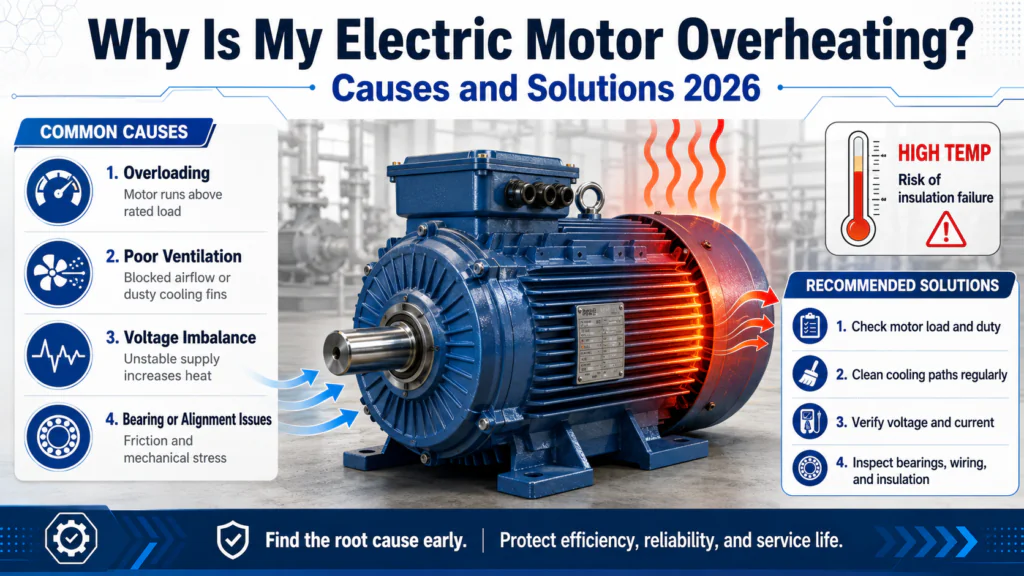
מנוע חשמלי מתחמם יתר על המידה כאשר החום שהוא מייצר הוא יותר ממה שהוא יכול לדחוף החוצה לאוויר שמסביב. מניסיוני ב-Dongchun Motor, זה כמעט תמיד מסתכם באחד משישה דברים: עומס יתר מכני, קירור חסום, בעיות מתח, בלאי מסבים, בידוד פגום או מתח הרמוני מ-VFD. המנוע בדרך כלל מזהיר אותך לפני שהוא מת - זרם עולה, מסגרת חמה, רעש מוזר. תפוס את הסיבה הנכונה מוקדם, תקן אותה לפני שריפה מתפתלת.
מדוע מנוע חשמלי מתחמם יתר על המידה?
אני בעסקי המנועים למעלה מ-10 שנים ב-Dongchun Motor (iecmotores.com), והתחממות יתר היא הבעיה שאני רואה לרוב. לקוחות מתקשרים אלי מברזיל, יוון, אינדונזיה - מדינות שונות, אותו סיפור. המנוע פעל כשורה במשך שנים, ואז יום אחד הוא מעד, או גרוע מכך, הוא פשוט נעצר והדיף ריח של פלסטיק בוער.
הנה הדבר שרוב האנשים מתגעגעים אליו. מנוע לא סתם מתחמם יתר על המידה פתאום. זה מגיע לשם לאט לאט. הסימנים נמצאים שם שבועות לפני הכישלון האמיתי - גרירת זרם גבוהה יותר, פריים שמרגיש לוהט מהרגיל כששמים עליו את היד, אולי זמזום קלוש שלא היה קודם. עד שהבידוד מריח, נזק אמיתי כבר קורה.
[דרגות טמפרטורת מנוע IEC 60034-1](https://webstore.iec.ch/en/publication/64293)1 - התקן הבינלאומי להגנה תרמית של המנוע - מאשר שחיי הבידוד מצטמצמים בערך בחצי עבור כל עלייה של 8 עד 10 מעלות צלזיוס מעל הטמפרטורה הנקובת. המספר הזה חשוב יותר ממה שרוב הקונים מבינים.
הרשו לי להדריך אתכם בששת הסיבות שאני רואה בתדירות הגבוהה ביותר, כיצד למצוא אותן ומה לעשות לגבי כל אחת מהן.
הנה סקירה מהירה לפני שנכנס לעומק:
| לִגרוֹם | סימפטום שכיח | בדיקה מהירה |
|---|---|---|
| לְהַעֲמִיס יוֹתֵר מִדַי | זרם גבוה, ממסר תרמי מופעל | השווה בין מגברים פועלים ללוחית השם FLA |
| אוורור לקוי | מסגרת חמה, סנפירים סתומים | בדוק את מעטה המאוורר ואת סנפירי הקירור |
| בעיית מתח | זרמי פאזה לא שווים, זמזום | מדידת מתח במסופי המנוע |
| כשל נושא | רטט, רעש, חום מקומי | מדחום אינפרא אדום בבתי מיסבים |
| ירידת בידוד | נסיעות לסירוגין, ריח שריפה | בדיקת עמידות בידוד של Megger |
| הרמוניות VFD | התחממות יתר במהירות נמוכה, רעש מפותל | בדוק את הגדרות הכונן ואורך הכבל |
כלל אחד שכדאי לזכור: כל עלייה של 10 מעלות צלזיוס מעל הטמפרטורה המדורגת של המנוע מקצרת את חיי הבידוד בערך בחצי. מנוע IE3 בעל 4 קוטבים שנבנה להחזיק מעמד 20 שנה בטמפרטורה מדורגת עלול להיכשל בעוד שנתיים אם הוא פועל ב-40 מעלות צלזיוס חם מדי. זה הבדל לא קטן.
כל עלייה של 10 מעלות מעל הטמפרטורה הנקובת מפחיתה בחצי את חיי בידוד המנוע.נָכוֹן
זהו עקרון הזדקנות תרמית מבוסס היטב בהנדסת מנוע, התואם את תקני IEC 60034-1 ומיועד על ידי גופי תעשייה כגון AEMT.
מנוע שנדלק על הגנה תרמית בטוח להפעלה מחדש מיד לאחר איפוס הממסר.שֶׁקֶר
עליך לתת למנוע להתקרר לחלוטין, ואז למצוא ולתקן את הסיבה לפני הפעלה מחדש. הפעלה מחדש מבלי לטפל בשורש הסיבה גורמת למחזוריות תרמית חוזרת הפוגעת בהדרגה בבידוד.
סיבה 1: עומס מכני
עומס יתר הוא הסיבה השכיחה ביותר איתה אני מתמודד. זה קורה כאשר העומס על הציר דורש מומנט רב יותר ממה שהמנוע תוכנן עבורו. המנוע מגיב במשיכת יותר זרם - ויותר זרם פירושו יותר חום בפיתולי הסטטור.
הנה משהו שאנשים טועים לעתים קרובות: עומס יתר לא קורה רק בגלל שמישהו בחר במנוע הלא נכון. מנוע יכול לעבוד מצוין במשך שנים ואז להתחיל להעמיס כי התנאים השתנו. אימפלר משאבה נשחק וההתנגדות עולה. מסוע צובר חומר. A gearbox gets stiff.
היה לי לקוח בפולין בשנה שעברה - הוא הפעיל מנוע IE3 4 קוטבי 15 קילוואט, מסגרת 160M, על מסוע בורג שעבד בצורה מושלמת במשך שלוש שנים. ואז המסבים בתיבת ההילוכים שלו התחילו להישחק והוסיפו מספיק גרר כדי לדחוף את המנוע מעל העומס המדורג שלו. לא היה לו מושג. המנוע פשוט "הזדקן" במוחו. ברגע שמדדנו את מגבר הריצה מול לוחית השם FLA, התשובה הייתה ברורה.
איך לאבחן את זה: מהדקים מד זרם על כל פאזה וקרא את זרם ההפעלה בזמן שהעומס פועל במלואו. לאחר מכן השווה את זה למספר Full Load Amps (FLA) שעל לוחית השם. אם אתה בעקביות מעל המספר הזה, המנוע עומס יתר על המידה. פשוט ככה.
NO MG 1 חלק 312 מגדיר את מקדם השירות כמכפיל המוחל על העומס המדורג - מקדם שירות של 1.15 אומר שהמנוע יכול להתמודד עם 115% מהעומס המדורג ברציפות, אך רק בסביבה מדורגת ועם קירור ברור.
מנוע עם מקדם שירות של 1.15 יכול להתמודד עם 115% מהעומס המדורג ברציפות - אבל רק אם טמפרטורת הסביבה תקינה והאוורור נקי. אל תשתמש בגורם השירות כסיבה להתעלם מהבעיה.
מה לעשות:
- הפחת את העומס המכני אם אתה יכול.
- אם העומס באמת גדל, הכנס מנוע גדול יותר - עבור 15 קילוואט שדוחף את הגבולות, עלה ל-18.5 קילוואט מסגרת 160L או מסגרת של 22 קילוואט 180M.
- הוסף סטרטר רך או VFD כדי לצמצם את זרם הכניסה ביישומי מחזור גבוה.
- הגדר נכון את ממסר העומס התרמי שלך. ממסר שהוגדר גבוה מדי אינו הגנה - זו תחושת ביטחון מזויפת.
השוואת זרם ריצה ללוחית השם FLA היא הדרך המהירה ביותר לאבחן עומס יתר של המנוע.נָכוֹן
קריאת כל זרמי שלושת הפאזות עם מד מהדק והשוואה ללוחית ה-Full Load Amps מראה ישירות אם המנוע עובד קשה יותר ממה שהוא תוכנן.
מקדם השירות של מנוע מאפשר לו לפעול מעל העומס הנקוב ללא הגבלת זמן ללא כל השלכות.שֶׁקֶר
גורם השירות חל רק כאשר טמפרטורת הסביבה נמצאת בתוך המפרט והקירור מתפקד במלואו. ריצה מעל עומס מדורג אפילו בתוך גורם שירות בסביבה חמה או מאווררת גרוע עדיין גורמת לנזקי חום ובידוד מוגזמים.
סיבה 2: קירור לא מספק ואוורור חסום
בשנה שעברה התקשר אלי לקוח יווני. מנוע המשאבה שלו, בעל 4 קוטבים 11 קילוואט IP55, מסגרת 160M, המשיך למעוד לאחר כ-30 דקות של ריצה. זה היה בסדר במשך שנתיים. שאלתי אותו שלוש שאלות:
"האם השתנה משהו בהתקנה?"
"האם מכסה המאוורר שלם?"
"מתי ניקית לאחרונה את סנפירי הקירור?"
הוא הלך והסתכל. במעטה המאוורר היה סדק. חצי מזרימת האוויר הקירור הלכה הצידה במקום על פני הסנפירים. בשילוב עם הסביבה המאובקת במפעל שלו, גם הסנפירים נחסמו חלקית. המנוע התבשל בעצמו.
שלחנו לו תכריך חלופי. הבעיה נפתרה תוך יומיים.
מנועי TEFC - Totally Enclosed Fan-Cooled, שהוא הסוג הנפוץ ביותר שאנו מייצרים ב-Dongchun Motor (iecmotores.com) - מצננים את עצמם על ידי הזזת אוויר על פני הסנפירים החיצוניים באמצעות מאוורר על הציר. אם זרימת האוויר הזו חסומה או מנותבת מחדש, לחום אין לאן ללכת.
תקן הגנת המתחם דירוג IP של IEC 605293 מציין גם כי דירוגי IP חלים רק כאשר המנוע מותקן כהלכה עם מרווח מתאים - מנוע IP55 אטום דחוס בארון הדוק ללא זרימת אוויר נמצא מחוץ לתנאים שנבדקו.
סיבות נפוצות:
- אבק, שומן או חומר עיבוד ארוז לתוך סנפירי הקירור
- מעטה מאוורר סדוק או חסר המאפשר לאוויר לברוח במקום לזרום על פני הסנפירים
- המנוע מותקן בארון סגור ללא מקום סביבו
- טמפרטורת הסביבה מעל 40 מעלות צלזיוס, שהיא הדירוג הסטנדרטי עבור רוב המנועים
- המנוע מותקן כשקצה המאוורר קרוב מדי לקיר
איך לאבחן את זה: הנח את היד שלך על מסגרת המנוע בזמן שהוא פועל בעומס. זה צריך להרגיש חם, לא כואב למגע במשך כמה שניות. השתמש במדחום אינפרא אדום על משטח המסגרת והשווה את קצה הכונן, הקצה שאינו כונן ואמצע המסגרת. לאחר מכן הסתכלו על מכסה המאוורר והסנפירים בעיניים.
מה לעשות:
- נשפו את סנפירי הקירור עם אוויר דחוס. בסביבות מאובקות, עשה זאת מדי חודש.
- החלף מיד מכסה מאוורר פגום. מעטה חסר יכול להפחית את הקירור ב-30 עד 50 אחוזים.
- אם טמפרטורת החדר עולה באופן קבוע על 40 מעלות צלזיוס, הורד את המנוע או השתמש במנוע בעל דרגת בידוד גבוהה יותר - מבנה Class H במקום Class F.
- ודא שיש מקום פתוח סביב המנוע, במיוחד בקצה המאוורר.
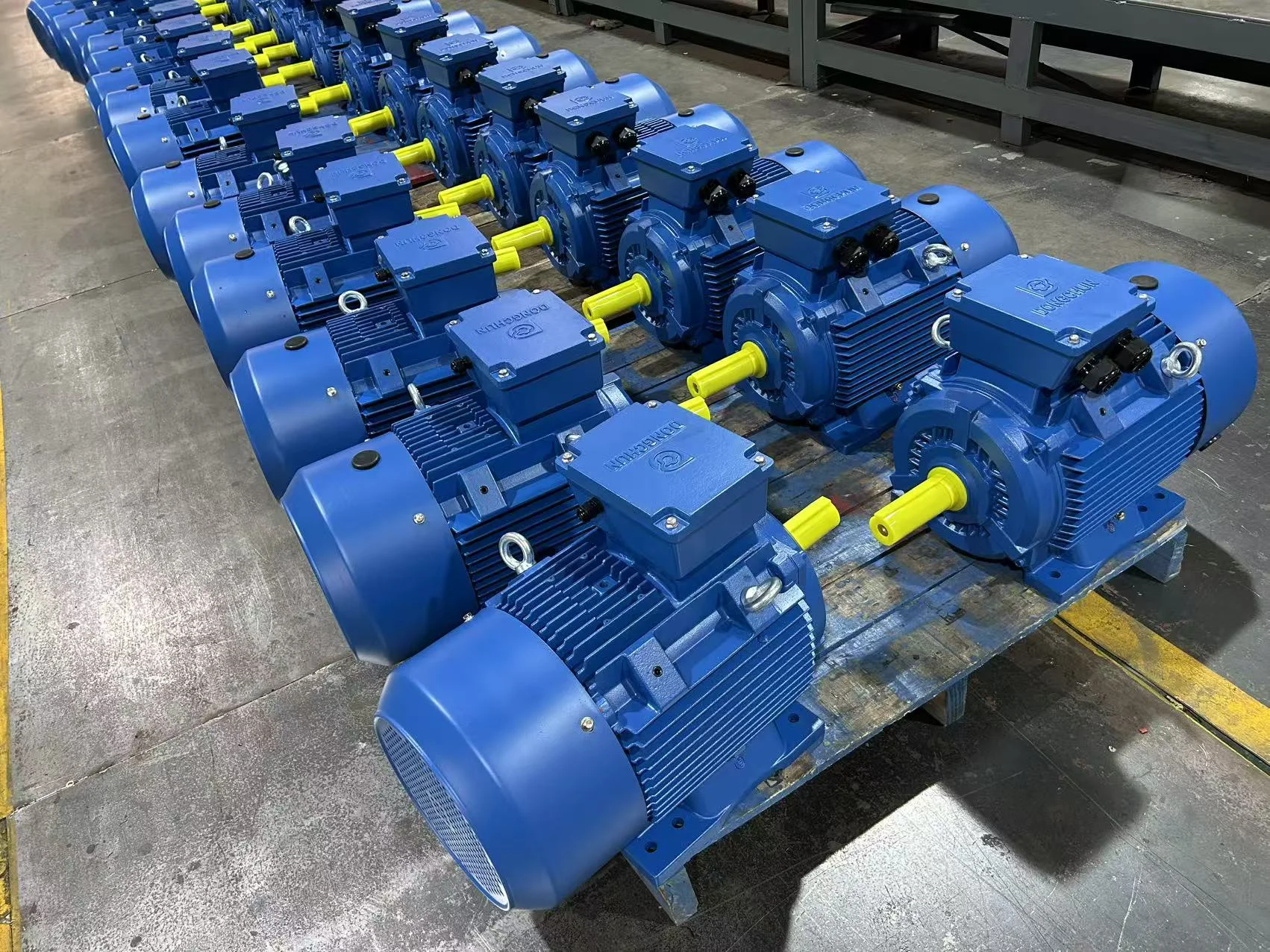
מעטה מאוורר חסר או סדוק יכול להפחית את יעילות קירור המנוע ב-30 עד 50 אחוזים.נָכוֹן
מעטה המאוורר מכוון את זרימת האוויר לאורך סנפירי הקירור. בלעדיו, חלק גדול מתנועת האוויר מתבזבז. מסגרת המנוע פועלת באופן משמעותי יותר חם באותם תנאי עומס.
מנועי TEFC אטומים לחלוטין ואינם זקוקים למרחב אוורור חיצוני סביבם.שֶׁקֶר
מנועי TEFC מתקררים על ידי הזזת אוויר על פני סנפירים חיצוניים. הם צריכים מקום פנוי מסביב לבית - במיוחד בקצה המאוורר - כדי שהקירור הזה יעבוד. התקנתם במארזים הדוקים ללא מרווח גורמת להתחממות יתר.
סיבה 3: בעיות באספקת מתח
בעיות מתח הן ערמומיות. המנוע נראה בסדר. הזרם לא נראה מטורף. אבל שלב אחד נמוך במקצת מהאחרים, ובמשך שבועות וחודשים, פיתול אחד עובד קשה יותר ממה שצריך.
יש כאן שני נושאים עיקריים.
חוסר איזון מתח: כאשר שלושת שלבי האספקה אינם שווים, פיתול אחד מושך יותר זרם מהאחרים. הפרש מתח של 2 עד 3 אחוזים בלבד בין פאזות יכול ליצור הפרש זרם של פי 6 עד 10 מהאחוז הזה. הזרם הנוסף הממוקם הזה יוצר נקודה חמה בסטטור. לעתים קרובות אתה תראה בזה פיתול אחד שנכשל לפני האחרים - מה שיכול להיראות כמו כשל אקראי אם לא תבדוק את האספקה.
מתח נמוך: כאשר מתח האספקה יורד מתחת לדירוג לוחית השם, המנוע שואב יותר זרם כדי לשמור על אותו מומנט. יותר זרם אומר יותר חום.
היה לי לקוח בצ'ילה שהפעיל שלושה מנועי 4 קוטבים 7.5 קילוואט 400V/50Hz IE3 באותו בניין. שניים היו בסדר. אחד המשיך להתחמם יתר על המידה. אותו דגם, אותו עומס. לבסוף מדדנו את המתח במסופי המנוע - לא בפאנל, וזה הבדל חשוב - וגילינו שלכבל המנוע הזה יש חיבור מסוף רופף. המתח במנוע היה נמוך ב-8 אחוזים מאשר בפאנל. זה הספיק.
הנחיית חוסר איזון מתח של NEMA MG 14 קובע כי חוסר איזון מתח העולה על 1% עלול לגרום לחוסר איזון זרם גדול פי 6 עד 10 - וממליצה להוריד מנועים כאשר חוסר האיזון עולה באופן עקבי על 1%.
איך לאבחן את זה:
- מדוד מתח במסופי המנוע, לא בלוח החלוקה, ועשה זאת בעומס מלא.
- השווה את כל שלושת המתחים הפאזיים זה לזה. אחוז חוסר האיזון הוא: חריגה מקסימלית מהממוצע חלקי ממוצע, כפול 100.
- אם חוסר האיזון עולה על 2 אחוז, חפש את הסיבה.
- השווה מתח נמדד למתח מדורג של לוחית השם. ירידה עקבית של יותר מ-10 אחוז היא חמורה.
מה לעשות:
- בדוק והדק כל חיבור מסוף. חיבורים רופפים הם הסיבה השכיחה ביותר לחוסר איזון.
- בדוק אם עומסים חד-פאזיים מושפעים בצורה לא אחידה מלוח תלת-פאזי.
- התקן ממסר ניטור מתח שמפעיל את המנוע אם חוסר האיזון עולה על רמה בטוחה.
- אם המתח נמוך באופן עקבי, בדוק את הגדרות ברז שנאי או צור קשר עם השירות שלך.
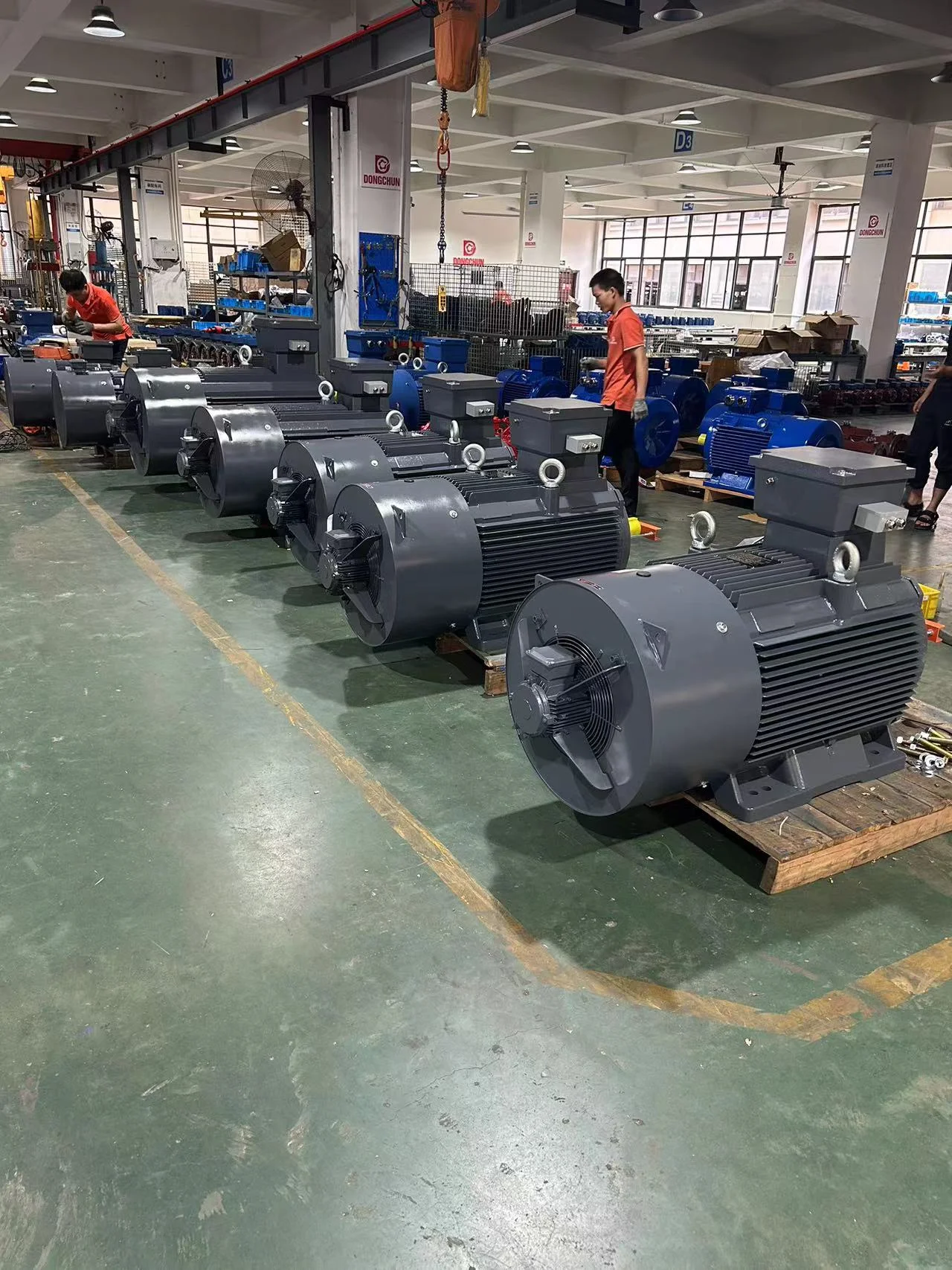
חוסר איזון מתח של 2 עד 3 אחוזים בין פאזות יכול לגרום לחוסר איזון זרם גדול עד פי 10.נָכוֹן
זהו אפקט מכפיל ידוע בהתנהגות מוטורית תלת פאזית. חוסר איזון מתח קטן יוצר חוסר איזון זרם גדול באופן לא פרופורציונלי, הגורם לפיתול אחד להתחמם יתר על המידה בעוד האחרים נראים תקינים.
מדידת מתח בלוח החלוקה מספיקה כדי לוודא שהמנוע מקבל מתח תקין.שֶׁקֶר
המתח יכול לרדת באופן משמעותי בין הפאנל למסופי המנוע עקב מעברי כבלים ארוכים, חיבורים רופפים או חיווט קטן. יש למדוד תמיד במסופי המנוע תחת עומס לקריאה מדויקת.
סיבה 4: בלאי מסבים וחיכוך מכני
מיסבים אמורים לתת לציר להסתובב כמעט ללא חיכוך. כשהם מתחילים להיכשל - מזיהום, שימון שגוי, חוסר יישור או עומס יתר - הם מייצרים חום ממש בבית המיסבים ודוחפים את החום הזה לתוך מסגרת המנוע והפיתולים.
זה מה שעושה את זה מסובך: מיסב כושל עלול לא להופיע מיד כזרם גבוה. החום נבנה במקום. כאשר טמפרטורת הסטטור תעלה מספיק כדי להפעיל ממסר, ייתכן שהמיסב כבר פגום או שהפיתול בקרבתו עשוי להיות מושפע.
הטעות הנפוצה ביותר שאני רואה היא שומן יתר. אנשים חושבים שיותר גריז עדיף. זה לא. עודף שומן מתפתל בתוך הבית, יוצר חיכוך ויוצר חום ממש כמו מיסב שמתייבש. יש כמות נכונה - עקוב אחר המפרט של היצרן עבור גודל מסגרת המנוע שלך. מנוע 132S 4 קוטבי מסגרת צריך בערך 10 גרם של גריז בכל מרווח. ארוז ב-30 גרם ויצרת מקור חום.
[מדריך טכני של ABB לניתוח כשל מנוע](https://library.e.abb.com/public/8c253c2417ed0238c125788f003cca8e/ABB_Technical_guide_No5_RevC.pdf)5 מתעד כיצד עיבוד פריקה חשמלי מזרמי נושאי VFD פוגע במסלולי מירוצים של מסבים בדרכים שנראות זהות לבלאי מכני - וכיצד להבחין בהבדל במהלך הבדיקה.
איך לאבחן את זה:
- השתמש במדחום אינפרא אדום כדי להשוות את הטמפרטורה במסב קצה הכונן, במיסב שאינו קצה הכונן ובאמצע המסגרת. בית מיסב שחם במיוחד מהמסגרת אומר לך שמשהו לא בסדר שם.
- האזן במהירות נמוכה. שחיקה, רעשים או רעש לא סדיר מאזור המיסבים הם סימן ברור.
- השתמש במד רטט אם יש לך. רטט מוגבר בתדרי המיסב מאשר בלאי.
- בדוק את הסיכה. האם זה ישן ומיובש? יש יותר מדי ארוז בפנים?
מה לעשות:
- החלף מיסבים בלויים לפני שהם נתפסים. מתן מיסב רע לרוץ עד שהוא ננעל יכול להרוס את הציר ולשרוף את הפיתול באותו אירוע.
- בדוק את יישור הציר לאחר כל עבודת תחזוקה. אפילו חוסר יישור קטן גורם למיסב לשאת עומס לא אחיד ולהישחק מהר יותר.
- עקוב אחר לוח הזמנים של השימון עבור גודל מסגרת המנוע שלך - גם המרווח וגם כמות השומן הנכונה.
- בדוק אם יש עומסים רדיאליים או צירים מהיישום החורגים מהקיבולת הנקובת של המיסב.
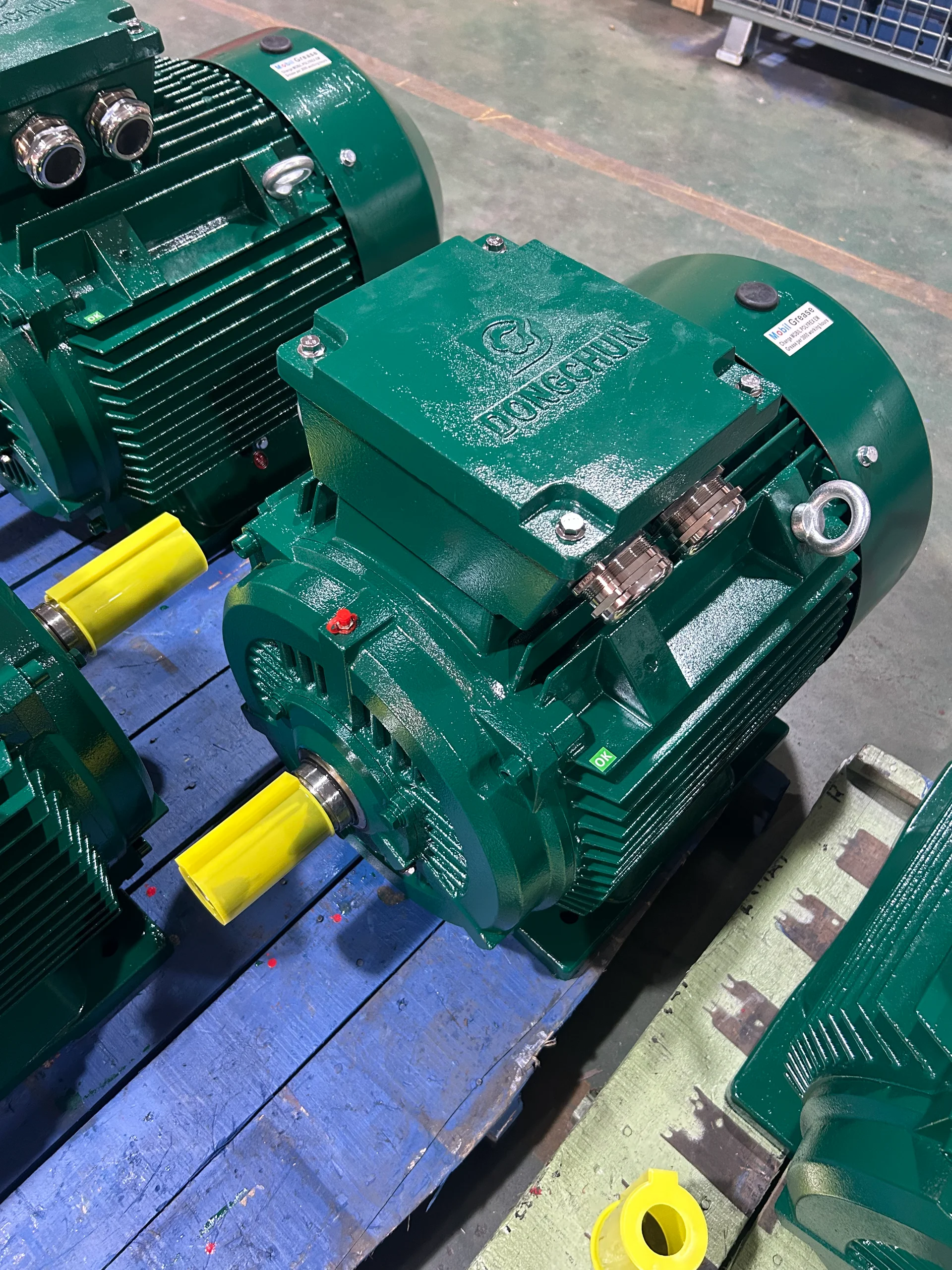
מיסב כושל עלול לגרום להתחממות יתר מקומית לפני שזרם המנוע הכולל עולה באופן ניכר.נָכוֹן
חום נושאות נבנה מקומית בבית. טמפרטורת פיתול הסטטור עדיין עשויה להיראות מקובלת בזמן שנזק משמעותי מתרחש ליד המיסב. מדידת אינפרא אדום בבית המיסב אמינה יותר מאשר הסתמכות על קריאות זרם בלבד.
שינון יתר של מיסב מנוע אינו מזיק ופשוט מספק הגנה נוספת.שֶׁקֶר
עודף שומן מתפתל בתוך בית המיסב, יוצר חיכוך וחום. זה יכול לגרום לכשל במסבים בדיוק כפי שחוסר סיכה יגרום. כמות השומן הנכונה מצוינת בתיעוד של יצרן המנוע.
סיבה 5: הרס בידוד מתפתל
פיתולי המנוע מצופים בחומר מבודד המונע ממוליכים בודדים לגעת זה בזה או בליבת הפלדה. עם הזמן, בידוד זה מתפרק. החום עושה את זה. לחות עושה את זה. כימיקלים עושים את זה. רטט עושה את זה. בדרך כלל כל הארבעה עובדים יחד לאט לאורך שנים.
ככל שהבידוד הולך ונחלש, זרמי דליפה קטנים מתחילים לזרום בין המוליכים. אלה נקראים מכנסיים קצרים בין פניות. הם מייצרים חום נוסף, אשר פוגע עוד יותר בבידוד. זהו מחזור שנעשה מהיר יותר ויותר עד שהליפול נכשל.
דרגת הבידוד אומרת לך את הטמפרטורה המקסימלית שהחומר המתפתל יכול להתמודד איתו ברציפות. שלושת המחלקות הנפוצות ביותר במנועים תעשייתיים הם:
| שיעור בידוד | טמפרטורת סלילה מקסימלית | מגבלת עלייה טיפוסית (IEC) |
|---|---|---|
| כיתה ב | 130 מעלות צלזיוס | 80 K |
| כיתה ו | 155 מעלות צלזיוס | 105 K |
| כיתה ח' | 180 מעלות צלזיוס | 125 K |
סיווג בידוד IEC 600856 הוא התקן המגדיר את דרגות הטמפרטורות הללו - והוא גם מציין שלמערכת בידוד הפועלת באופן רציף במגבלת הטמפרטורה שלה יש אורך חיים עיצובי של כ-20,000 שעות.
ב-Dongchun Motor (iecmotores.com), המנועים התלת פאזיים הסטנדרטיים שלנו משתמשים בבידוד Class F אך מוערכים מול מגבלת עליית הטמפרטורה Class B. זה נותן מרווח בטיחות מובנה של 25 מעלות צלזיוס בתנאי הפעלה אמיתיים. זה לא ביטוי שיווקי - זה אומר שגם כשהמנוע קצת חם, לפיתול יש מרווח ראש נוסף לפני שהוא מגיע לגבול האמיתי שלו.
איך לאבחן את זה:
- בדיקת Megger: חבר מד התנגדות בידוד בין כל פיתול להארקה. מתחת ל-1 MΩ יש דגל אדום. עבור מנועים מעל 1 קילו וולט, הסף גבוה יותר - בדוק את IEC 60034.
- אינדקס קיטוב (PI): היחס בין הקריאה של 10 דקות לקריאה של דקה אחת. מתחת ל-2.0 מצביע על הידרדרות בידוד.
- הדמיה תרמית: נקודות חמות הנראות על המסגרת המוטורית יכולות להראות היכן מתרחשת פעילות קצרה בין פניות מתחת לפני השטח.
מה לעשות:
- בדוק עמידות בידוד לפחות פעם בשנה. בסביבות לחות או אגרסיביות מבחינה כימית, בדוק לעתים קרובות יותר.
- אם ה-PI יורד משנה לשנה, תכנן החזרה או החלפה לפני שהוא נכשל באופן בלתי צפוי.
- ודא שמארז המנוע מתאים לסביבה. IP55 עובד עבור רוב מצבי החוץ והשטיפה. סביבות אגרסיביות עשויות להזדקק ל-IP65 ומעלה.
- כשל בבידוד הוא כמעט אף פעם לא פתאומי. המגמה בתוצאות בדיקות מג'ר אומרת לך לאן היא מועדת זמן רב מראש.
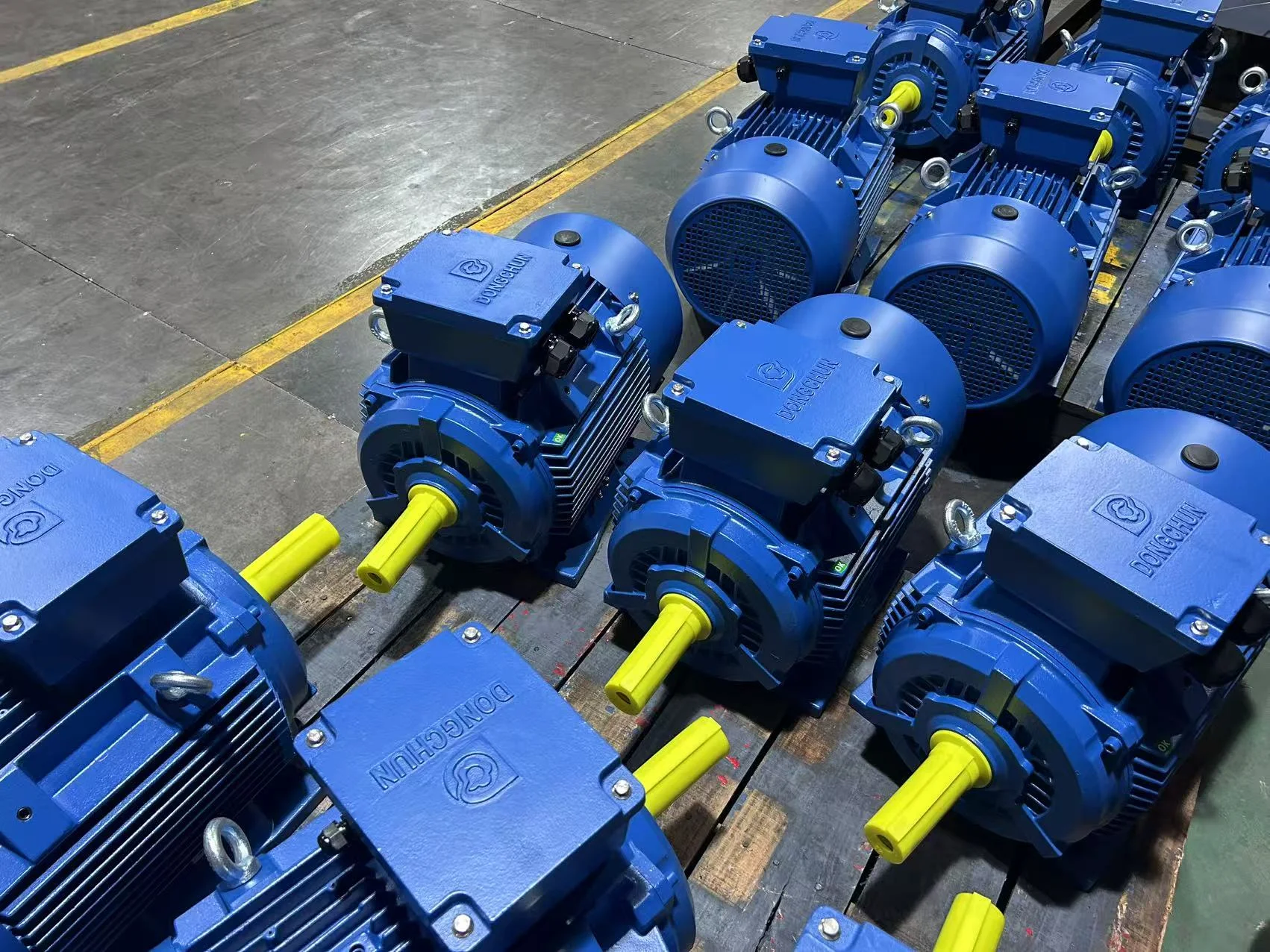
מגמת התנגדות בידוד לאורך שנים מרובות שימושית יותר מאשר מדידה בודדת לניבוי כשל בפיתול.נָכוֹן
קריאת מג'ר בודדת מספרת לך את המצב הנוכחי. השוואת תוצאות משנה לשנה מגלה אם הבידוד מתדרדר וכמה מהר, נותן לך זמן לתזמן תחזוקה מתוכננת במקום להגיב לכשל בלתי צפוי.
מנוע עם בידוד Class F יכול לפעול בבטחה בטמפרטורת סלילה של עד 155 מעלות צלזיוס ללא כל חשש להתדרדרות.שֶׁקֶר
155 מעלות צלזיוס הוא המקסימום המוחלט. פעולה רציפה ליד הגבול הזה מקצרת משמעותית את חיי הבידוד. יצרני מנועים איכותיים מדרגים מנועים מסוג F מול מגבלת העלייה של Class B (130°C) כדי לשמור על מרווח בטיחות תרמי בתנאים אמיתיים.
סיבה 6: הרמוניות VFD ולחץ בתדר גבוה
VFDs - כונני תדר משתנה - נמצאים בכל מקום כעת. הם חוסכים באנרגיה, הם נותנים בקרת מהירות מדויקת, והם הפכו לסטנדרט ביישומי משאבות, מאווררים ומסועים. אני מוכר הרבה מנועים ליישומי VFD, ואני תמיד אומר ללקוחות: מנוע סטנדרטי על VFD אינו זהה למנוע המיועד לשימוש VFD.
הנה מה שקורה. VFD מודרני המשתמש בטכנולוגיית מיתוג IGBT מייצר פולסי מתח שמתחלפים מהר במיוחד - לפעמים תוך 50 ננו-שניות. הפולסים המהירים האלה עושים שני דברים למנוע שלך:
ראשית, הם יוצרים זרמים הרמוניים בפיתולי הסטטור. זרמים הרמוניים מגבירים את הפסדי הנחושת ומעלים את טמפרטורת הפעולה גם כאשר נראה שהמנוע פועל בטווח המהירות הרגיל שלו. המנוע עושה עבודה נוספת שאינך יכול לראות.
שנית, פולסי המתח המהירים יוצרים קוצים במסופי המנוע שיכולים להיות גבוהים משמעותית מהמתח הנקוב - במיוחד אם הכבל בין הכונן למנוע ארוך. מחקר שפורסם מראה שהכפלת תדר הנשא יכולה לקצר משמעותית את חיי בידוד המנוע - לפעמים בחצי או יותר.
הבעיה השלישית היא במהירויות נמוכות. מאוורר הקירור המותקן על הציר מאט עם המנוע. מתחת לכ-30 הרץ, הוא לא יכול להזיז מספיק אוויר כדי לקרר את המסגרת כראוי. חום מצטבר מהר יותר ממה שהוא עוזב.
איך לאבחן את זה:
- האם התחממות יתר מתרחשת בעיקר בהגדרות של מהירות נמוכה? זהו סימפטום VFD קלאסי.
- מדוד את אורך הכבל בין הכונן למנוע. ריצה של מעל 50 מטר מגדילה משמעותית את הסיכון לקפיצות מתח. בדוק את המפרט של יצרן הכונן שלך עבור הסף הספציפי שלהם.
- תסתכל על הגדרת תדר הספק בכונן. תדרים גבוהים יותר שקטים יותר אך קשים יותר בבידוד.
- בדוק אם כור פלט או מסנן dV/dt מותקן בין הכונן והמנוע.
מה לעשות:
- ציין מנועים הפועלים במהפך עבור יישומי VFD. לאלה יש בידוד מחוזק המיועד למתח המתח ולזרמים הרמוניים ש-VFD מייצר.
- התקן כורי פלט או מסנני סינוס בין הכונן והמנוע, במיוחד על כבל שאורך 30 עד 50 מטרים.
- הורד את תדר הספק אם רמות הרעש האקוסטי מאפשרות זאת.
- עבור יישומים שצריכים לפעול במהירות נמוכה לתקופות ממושכות, השתמש במנוע עם מאוורר קירור המופעל בנפרד במקום להסתמך על מאוורר הציר.
- ודא שהגדרות הדגם התרמי של הכונן תואמות למפרט המנוע בפועל.
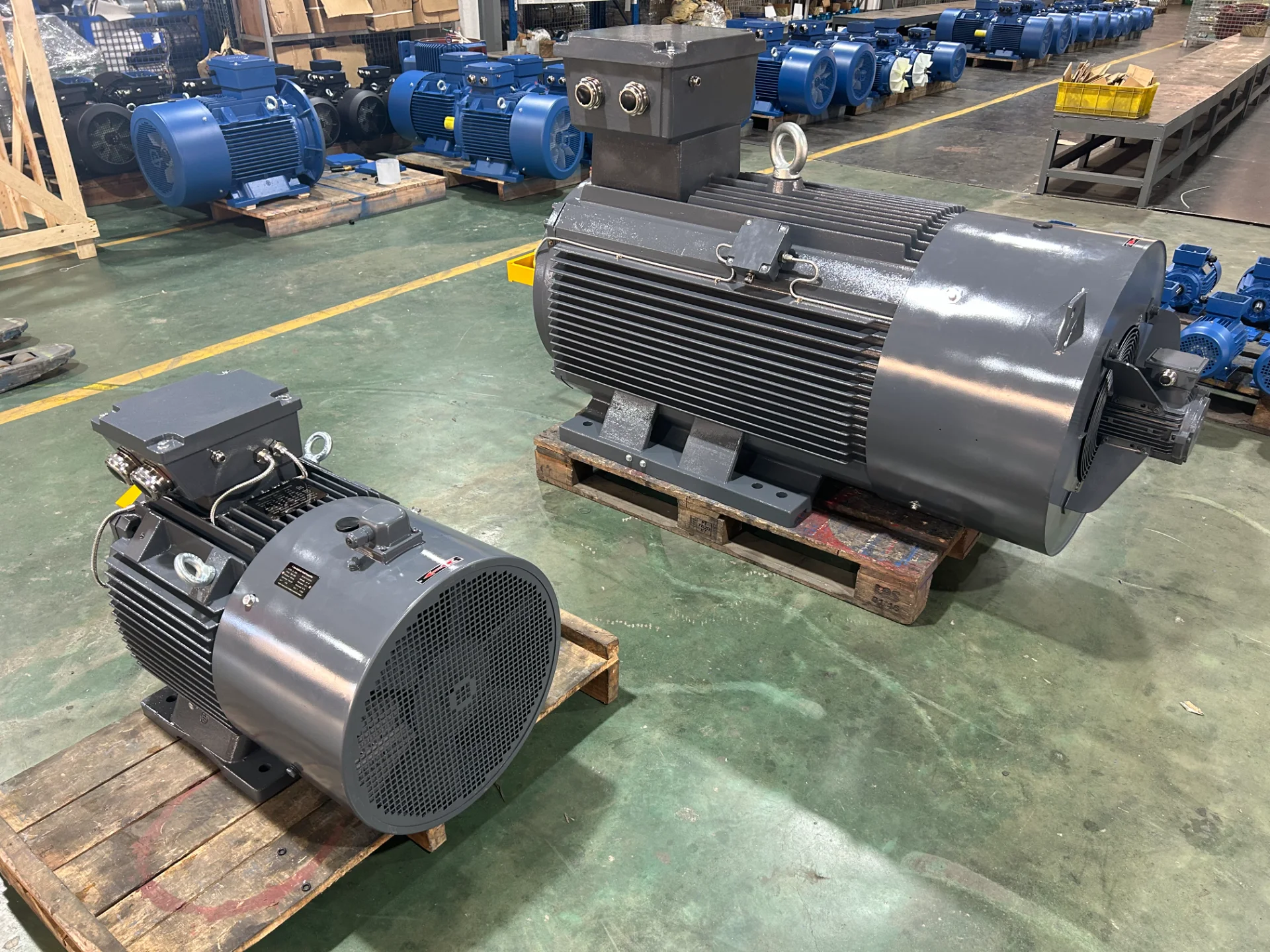
מנועים הפועלים בתדרי VFD נמוכים עלולים להתחמם יתר על המידה גם כאשר העומס המכני נמצא היטב בקיבולת המדורגת של המנוע.נָכוֹן
בתדרים נמוכים, מאוורר הקירור המותקן על הציר מאט ואינו יכול להזיז מספיק אוויר כדי לקרר את מסגרת המנוע. המנוע מייצר חום בדרך כלל אך אינו יכול לפזר אותו מהר מספיק, אפילו עם עומס קל.
מנוע תלת פאזי סטנדרטי יכול להיות מחובר ל-VFD ללא כל שינוי והוא יפעל באופן זהה למנוע פועל במהפך.שֶׁקֶר
מנועים סטנדרטיים אינם מיועדים לפולסי מתח מהירים, זרמים הרמוניים או קירור מופחת במהירויות נמוכות שיוצרת פעולת VFD. למנועי הפעלה של אינוורטר יש בידוד מחוזק והם בנויים להתמודד עם מתחים אלה.
אילו תכונות עיצוב מנוע מפחיתות את הסיכון להתחממות יתר?
לא כל מנוע מתמודד עם חום בצורה שווה. כשאתה בוחר מנוע ליישום תובעני, אלה הדברים שאני מחפש:
דרגת בידוד: בידוד Class F או Class H מטפל בטמפרטורות גבוהות יותר. הערך האמיתי מגיע כאשר יצרן מדרג את מנוע Class F שלו מול מגבלת עליית הטמפרטורה Class B - אתה מקבל מרווח בטיחות של 25 מעלות צלזיוס מובנה בכל יחידה.
דירוג מארז: IP55 כסטנדרט מרחיק מים ואבק מהפיתולים. אם אתה נמצא בסביבה חיצונית, באזור שטיפה או בכל מקום עם חומר תהליכי הנישא באוויר, דירוג IP מתאים אינו אופציונלי. עבור אתרים רטובים או כימיים, עלה ל-IP65 או IP66.
דרגת יעילות (IE3 ומעלה): מנועים בעלי יעילות גבוהה יותר מייצרים פחות חום עבור אותה תפוקה מכנית. מנוע IE3 4-קוטבי 11 קילוואט פועל בדרך כלל ב-5 עד 8°C קריר יותר מיחידת IE1 מקבילה באותו עומס. המרווח הזה חשוב בסביבה של 40 מעלות צלזיוס.
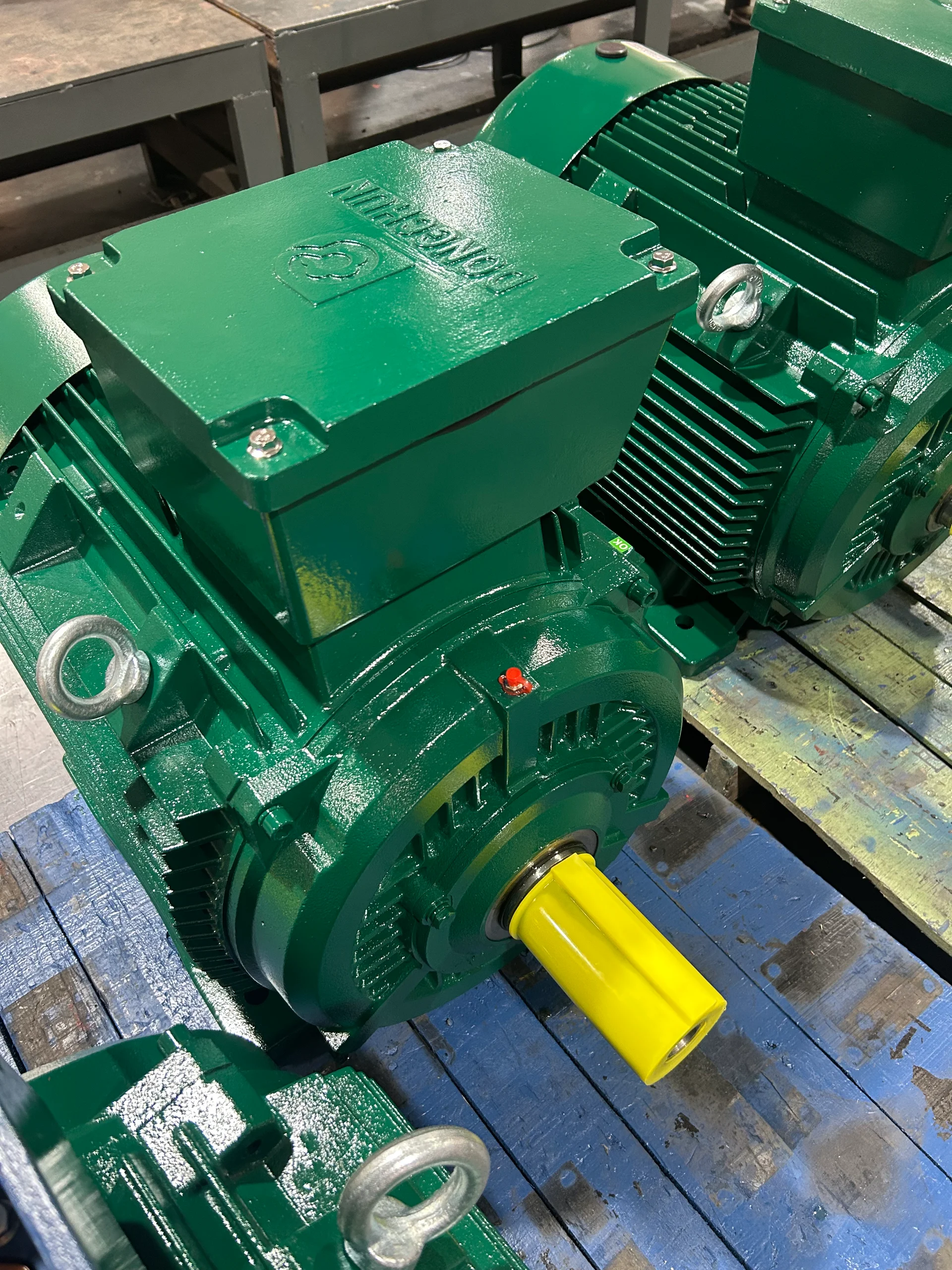
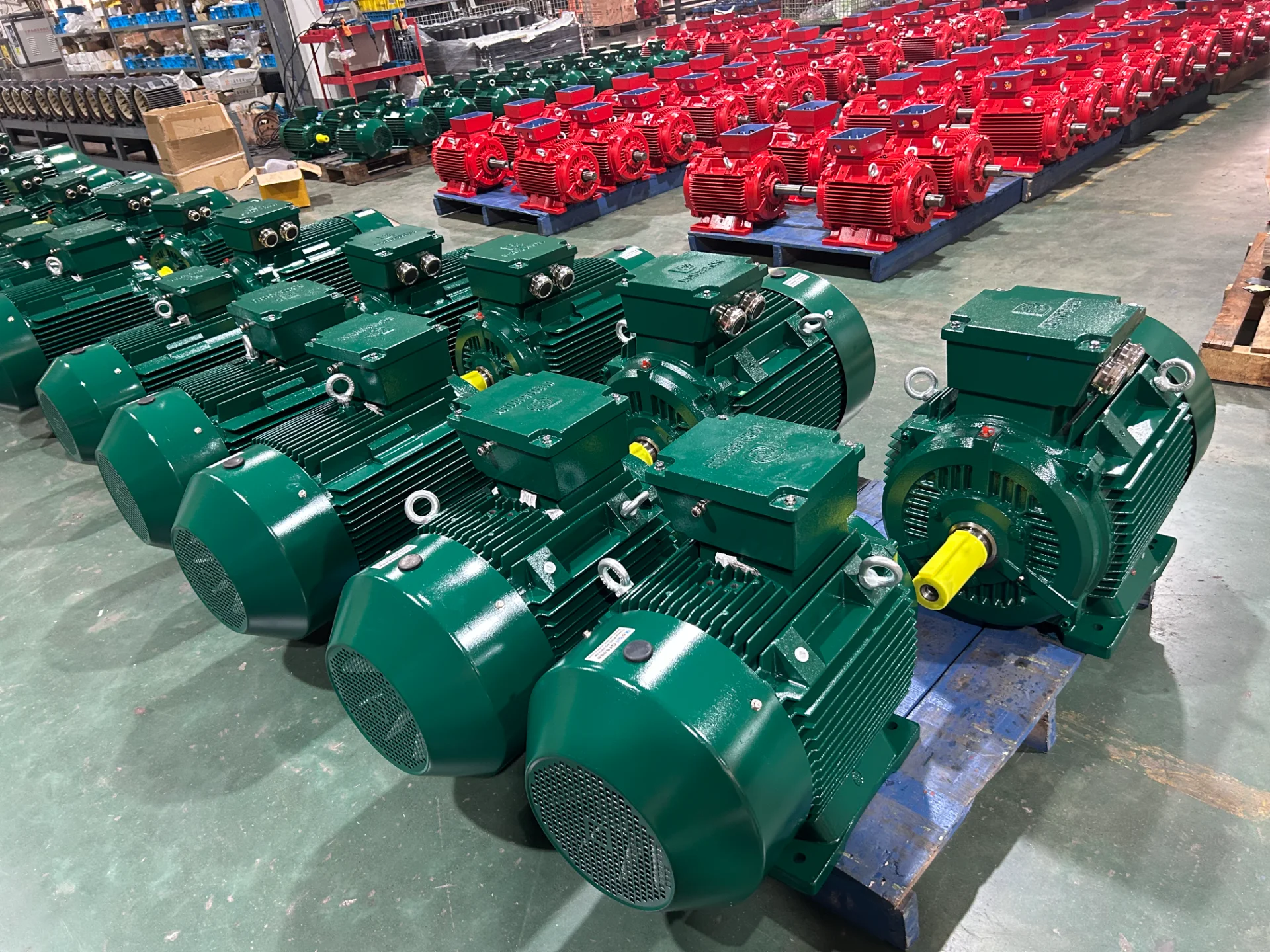
בדיקה פרטנית לפני משלוח: כל מנוע צריך להיבדק בפני עצמו לפני שהוא עוזב את המפעל. בדיקות אצווה אומרות לך שהממוצע בסדר. בדיקה פרטנית אומרת לך שהמנוע הספציפי בסדר. ב-Dongchun Motor (iecmotores.com), אנו בודקים כל יחידה - לא אחת מכל עשר - עבור זרם ללא עומס, רטט, התנגדות בידוד וחוזק דיאלקטרי.
אפשרויות הגנה תרמית: תרמיסטורי PTC המוטבעים ישירות בפיתול מספקים הגנה שממסר תרמי חיצוני אינו יכול להתאים. הם מודדים את טמפרטורת הפיתול בפועל, לא טמפרטורה משוערת על סמך משיכה הנוכחית.
עבור יישומי VFD, Dongchun Motor (iecmotores.com) מציע גם פיתול בידוד מחוזק ואפשרויות הארקת פיר מורחב. שאל את הצוות הטכני שלנו כאשר אתה מציין את היישום.
אם אתה מציין מנועים עבור סביבה חמה, מונעת VFD או סביבה אגרסיבית, בקש מהספק שלך את דוח הבדיקה - כל מפעל אחראי צריך לשלוח אותו ללא היסוס.
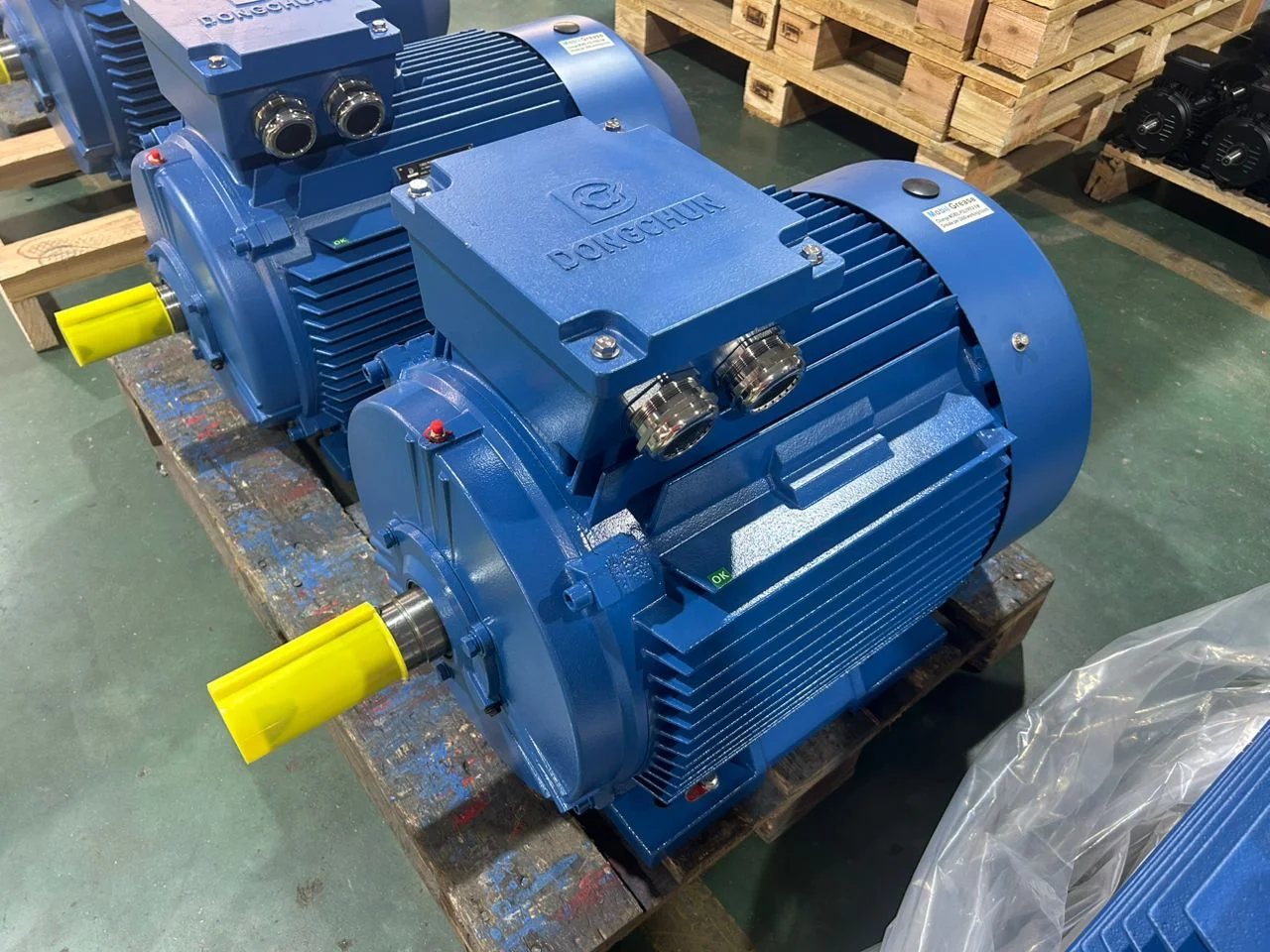
בידוד Class F המוערך מול מגבלת עליית הטמפרטורה Class B נותן מרווח בטיחות תרמי מובנה של 25°C בתנאי הפעלה אמיתיים.נָכוֹן
חומרים מסוג F מטפלים בטמפרטורת סלילה של 155°C, בעוד הערכת עלייה בדרגה B מגבילה את העלייה בפועל ל-80 K (שיא טמפרטורת הפיתול של 130°C). הפער של 25 מעלות צלזיוס נשאר כמרווח ראש כאשר המנוע פועל חם מהצפוי.
כל המנועים עם אותו דירוג יעילות IE פועלים באופן זהה תחת לחץ תרמי.שֶׁקֶר
דירוג IE מודד רק יעילות בעומס מדורג. שני מנועי IE3 יכולים להיות שונים באופן משמעותי בדרגת הבידוד, דירוג ה-IP, איכות המיסבים ובדיקות המפעל הבודדות - כל אלה משפיעים על האופן שבו המנוע מתמודד עם תנאים תרמיים בעולם האמיתי.
שאלות נפוצות
כמה חם חם מדי למנוע חשמלי?
מנועים תלת פאזיים סטנדרטיים מיועדים לטמפרטורת סביבה מקסימלית של 40 מעלות צלזיוס. משטח מסגרת מעל 80 עד 90 מעלות צלזיוס בעקביות בעומס ובתנאי סביבה רגילים מחייבים בדיקה. אבל טמפרטורת פני המסגרת לבדה אינה סופית. הבדיקות הנכונות הן: זרם פועל לעומת לוחית שם FLA, ובדיקת עמידות בידוד.
האם אני יכול להפעיל מחדש מנוע שנקלע להגנה תרמית?
תן לזה להתקרר לגמרי קודם. לאחר מכן בדוק את זרם ההפעלה, וודא שהאוורור נקי ומצא את הסיבה שהוא מעד לפני החזרתו לשירות. טיול תרמי אחד לא אומר בהכרח נזק קבוע. נסיעות חוזרות ונשנות ללא תיקון הסיבה יהרוס את הבידוד.
מה ההבדל בין ממסר עומס תרמי לתרמיסטור מנוע?
ממסר עומס תרמי מעריך את טמפרטורת המנוע בהתבסס על משיכת זרם וזמן. הוא מגן מפני עומס יתר ואובדן פאזה, אך אינו יכול לזהות נקודות חמות מקומיות מאוורור לקוי, חיכוך מסבים או קצרים בין פניות שעדיין לא העלו את הזרם הכולל. תרמיסטור PTC המוטבע בפיתול מודד ישירות את טמפרטורת הפיתול בפועל ומעניק הגנה מהירה ומדויקת יותר.
מדוע המנוע שלי מתחמם יתר על המידה רק בקיץ?
טמפרטורת הסביבה משפיעה ישירות על האופן שבו מנוע מפזר חום. מנוע שפועל עדין ב-25°C בסביבה עלול לחרוג מהמגבלה התרמית שלו ב-45°C בסביבה באותו עומס. אם זה קורה עונתית, האפשרויות שלך הן: להפחית את העומס בחודשים חמים, לשפר את האוורור באזור ההתקנה, או לשדרג למנוע עם דרגת בידוד גבוהה יותר.
האם מנועי IE3 או IE4 פועלים קרירים יותר מ-IE1 או IE2?
באופן כללי, כן. מנועים בעלי יעילות גבוהה יותר מייצרים פחות חום עבור אותה תפוקה מכנית מכיוון שיש להם הפסדים נמוכים יותר - הפסדי נחושת נמוכים יותר מתכנון סלילה טוב יותר, הפסדי ברזל נמוכים יותר מפלדת ליבה טובה יותר. פחות פסולת חום פירושו פחות עומס תרמי על הבידוד. זהו יתרון מעשי של שדרוג מעבר לחיסכון באנרגיה בלבד. עם זאת, דרגת יעילות היא גורם אחד בבחירת המנוע, לא היחיד.
האם עלי לגלגל לאחור מנוע שחומם יתר על המידה או להחליף אותו?
זה תלוי בגיל, מצב ומחיר. עבור מנועים מתחת ל-15 קילוואט, ההחלפה בדרך כלל זולה יותר מהיפוך לאחור ברגע שמביאים בחשבון את זמן ההשבתה. עבור מנועים מעל 30 קילוואט או עם הרכבה מותאמת אישית, החזרה לאחור על ידי חנות מוסמכת היא לעתים קרובות הקריאה הנכונה - אבל רק אם הליבה לא פגומה. בקש מחנות הריפוף לבצע בדיקת ליבה לפני הצעת המחיר.
תקציר: רשימת אבחון התחממות יתר במנוע
לפני שאתה מזמין הרצה לאחור או החלפה, עיין ברשימה הבאה:
- השווה את זרם הריצה בכל שלושת השלבים ללוחית השם FLA
- בדוק ונקה את סנפירי הקירור ואת מעטה המאוורר
- מדוד מתח אספקה במסופי המנוע - בדוק רמה וחוסר איזון בין השלבים
- בדוק את טמפרטורת המיסבים בשני הקצוות באמצעות מדחום אינפרא אדום
- הפעל בדיקת התנגדות בידוד על כל פיתול
- אם מונע VFD: בדוק את אורך הכבל, תדירות הספק וכמה זמן המנוע פועל מתחת ל-30 הרץ
- ודא שטמפרטורת הסביבה היא בגדר הדירוג של המנוע
- סקור את היסטוריית התחזוקה - שימון אחרון, שינויים אחרונים בעומס
התחממות יתר של המנוע כמעט אף פעם לא פתאומית. זה בונה. מציאת הסיבה בשלב מוקדם עולה הרבה פחות מאשר סיבוב מנוע לאחור או החלפת ציוד כושל במורד הזרם.
סיכום
ראיתי מאות מקרים של התחממות יתר בשנים שלי ב-Dongchun Motor (iecmotores.com). כמעט בכל אחד מהם, הבעיה נבנתה במשך שבועות לפני שמישהו שם לב - וכמעט בכל אחד מהם, התיקון היה זול יותר מהכשל הבא. עברו על ששת הסיבות, בצעו את בדיקות האבחון, ותמצאו את התשובה שלכם מהר יותר ממה שאתם חושבים.
אם אתם מוצאים מנועים חלופיים או מציינים עבור סביבה חמה, מונעת VFD או כימית קשה, צרו קשר דרך דף יצירת הקשר שלנו עם לוחית השם של המנוע בתוספת תמונה תרמית. אני אצטט מנוע IE3 בהערכת Class F / Class B שהוגדר לתנאים האמיתיים שלך, וכל יחידה נשלחת בנפרד.
הפניות
- IEC - "IEC 60034-1 - מכונות חשמליות מסתובבות: דירוג וביצועים" — https://webstore.iec.ch/en/publication/64293
- NEMA - "NEMA MG 1 חלק 31 - דרישות מנוע לתפעול מהפך" — https://www.nema.org/docs/default-source/standards-document-library/mg-1-part-31-watermark.pdf
- IEC - "IEC 60529 - דרגות הגנה הניתנות על ידי מארזים (קוד IP)" — https://webstore.iec.ch/en/publication/2452
- IEC - "IEC 60085 - סיווג תרמי של בידוד חשמלי" — https://webstore.iec.ch/en/publication/666
- ABB - "מדריך טכני מס' 5 - זרמי מסבים במערכות הנע AC מודרניות (ניתוח כשל מנוע)" — https://library.e.abb.com/public/8c253c2417ed0238c125788f003cca8e/ABB_Technical_guide_No5_RevC.pdf
למה הקישורים האלה חשובים לך
-
IEC 60034-1 דרגות טמפרטורת מנוע — עקוב אחר הקישור הזה כדי להבין בדיוק מה המשמעות של דרגת בידוד בפעולת מנועים מעשית, ומדוע הפער בין המנועים בדירוג Class F לבין המנועים המוערכים ב-Class B חשוב כאשר אתה קונה עבור סביבה חמה או תובענית. זה עוזר לך לשאול את השאלה הנכונה כאשר ספק מצטט לך מנוע: לאיזה מחלקה הוא מדורג ולאיזו מחלקה הוא מוערך?
שאילתת גוגל מוצעת:
IEC 60034-1 Class F insulation motor temperature limit standard -
מדריך טכני של ABB לניתוח כשלים במנוע - בדוק את הקישור הזה כדי להבין מה בעצם גורמים זרמי נושא, זרמים הרמוניים ופולסי מתח מהירים לבידוד המנוע ולמיסבים לאורך זמן, וכיצד לדעת אם ההתקנה הנוכחית שלך נמצאת בסיכון. אם אתה מפעיל מנועים סטנדרטיים על VFDs, כדאי לקרוא את זה לפני הכשל הבא.
שאילתת גוגל מוצעת:
ABB motor failure analysis VFD bearing current insulation life
-
IEC 60034-1 הוא התקן הבינלאומי המובהק לגבי דרגות טמפרטורת מנוע והגנה תרמית - הוא מסביר מדוע כלל 10°C חשוב ומה דרגות הגנה תרמיות שונות (TPxxx) למעשה עושות כדי להגן על המנוע שלך. ↩
-
NEMA MG 1 חלק 31 מגדיר את דרישות המנוע לעבודות מהפך ומגבלות גורמי שירות - קריאה חיונית אם אתה מפעיל מנועים על VFDs או מבקש ממנוע להתמודד עם יותר מהדירוג של לוחית השם שלו. ↩
-
IEC 60529 מגדיר דירוגי מתחם IP - ידיעת תנאי הבדיקה האמיתיים מאחורי כל מספר IP עוזרת לך לציין את המנוע המתאים לסביבת ההתקנה שלך. ↩
-
NEMA MG 1 מכסה גם השפעות של חוסר איזון במתח על מנועים - ההדרכה לגבי השפעות מכפיל זרם מהפרשי מתח קטנים ישימה ישירות לפתרון בעיות התחממות יתר במתקנים תלת פאזיים. ↩
-
המדריך הטכני מס' 5 של ABB הוא ההתייחסות בתעשייה לניתוח כשל מנוע ונזקי זרם מיסבים מ-VFDs - הוא מסביר כיצד לזהות נזק למיסב EDM לעומת בלאי מכני ואילו אמצעים להפחתת האמצעים פועלים. ↩
-
IEC 60085 מגדיר כיתות בידוד ומגבלות הטמפרטורה שלהם - המקור לצטט כאשר ספק טוען "בידוד Class F" ואתה רוצה לדעת מה זה אומר בפועל. ↩