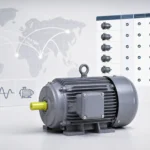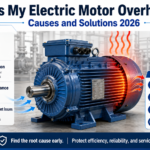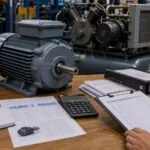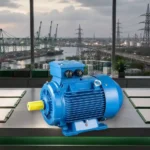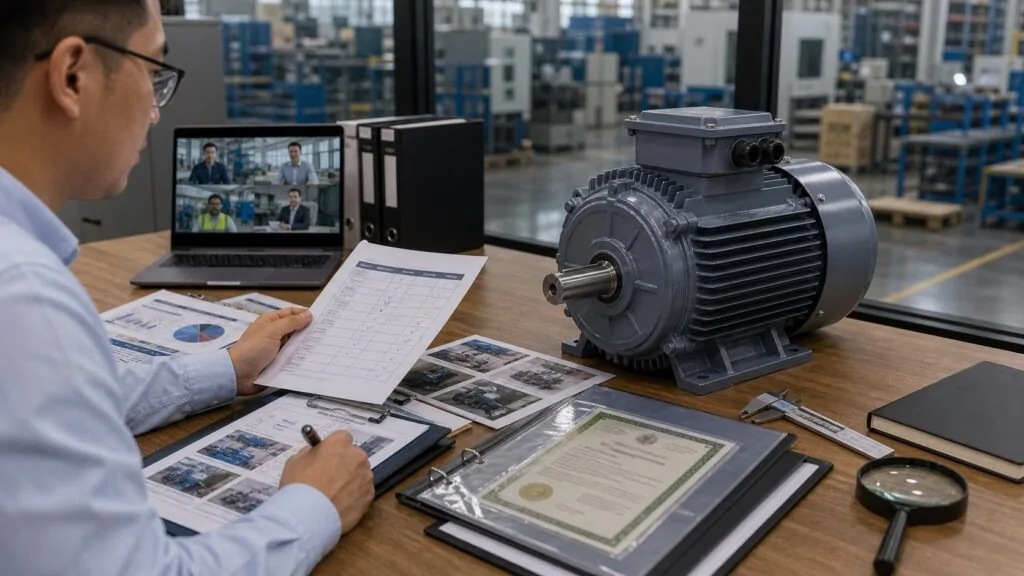
Industrial distributors, maintenance teams, and companies replacing AC electric motors should not buy an electric motor only by kW and price. As an electric motor manufacturer, I would first connect the electric motor RFQ with the real application: nameplate match, IE class, routine test report, certificate scope, bearing choice, and manufacturer traceability. The real question is whether the quoted electric motor can survive the load, duty, mounting, certificate requirement, and responsibility boundary before production starts.[S1][S2]
Viděl jsem, jak průmysloví kupci přicházejí o peníze ne proto, že by chtěli špatný elektromotor, ale proto, že první RFQ byla příliš krátká.
Krátký RFQ jako „potřebujete 15 kW elektromotor, nejlepší cena" dává dodavateli příliš velký prostor k dohadům. Lepší RFQ nutí výrobce elektromotoru spojit cenu se zatížením, zatížením, montáží, metodou ovládání, rozsahem certifikátu a důkazy o zkouškách.
Problémem nízké ceny nejsou jen peníze. Pokud uvedený indukční motor neodpovídá skutečnému stroji, kupující může později zaplatit za prostoje, přehřátí, nesprávnou montáž, slabý důkaz o certifikátu nebo spory o záruku.
Proč je nákup tohoto elektromotoru riskantní před RFQ?
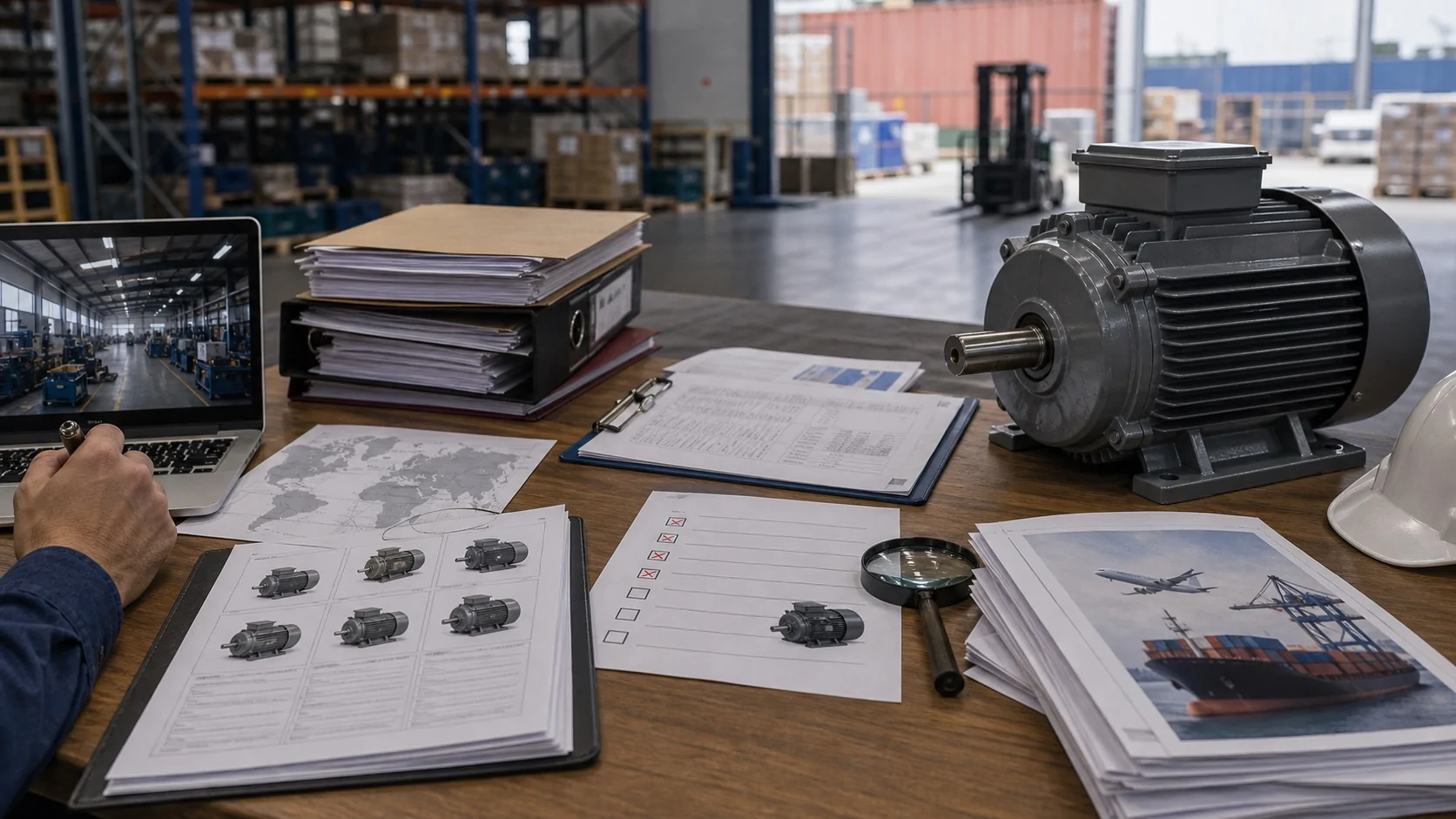
The first question I would ask is: Does the replacement electric motor match the actual voltage, mounting, frame, efficiency class, load, and certificate requirement?
Pokud se kupující ptá pouze na výkon a cenu, musí výrobce elektromotoru příliš hádat. Stejný indukční motor kW se může chovat odlišně na čerpadle, ventilátoru, převodovce, kompresoru, VFD systému nebo obráběcím stroji. Bezpečný RFQ by měl popisovat práci, kterou musí elektromotor vykonávat.
When this purchase goes wrong, I usually see wrong frame size, wrong voltage, certificate mismatch, inefficient replacement, and weak test evidence. These problems rarely come from one bad word in the quotation. They come from missing application data, unclear electric motor design choices, and weak evidence before the order is placed.
Jaké údaje aplikace by měl kupující nejprve potvrdit?
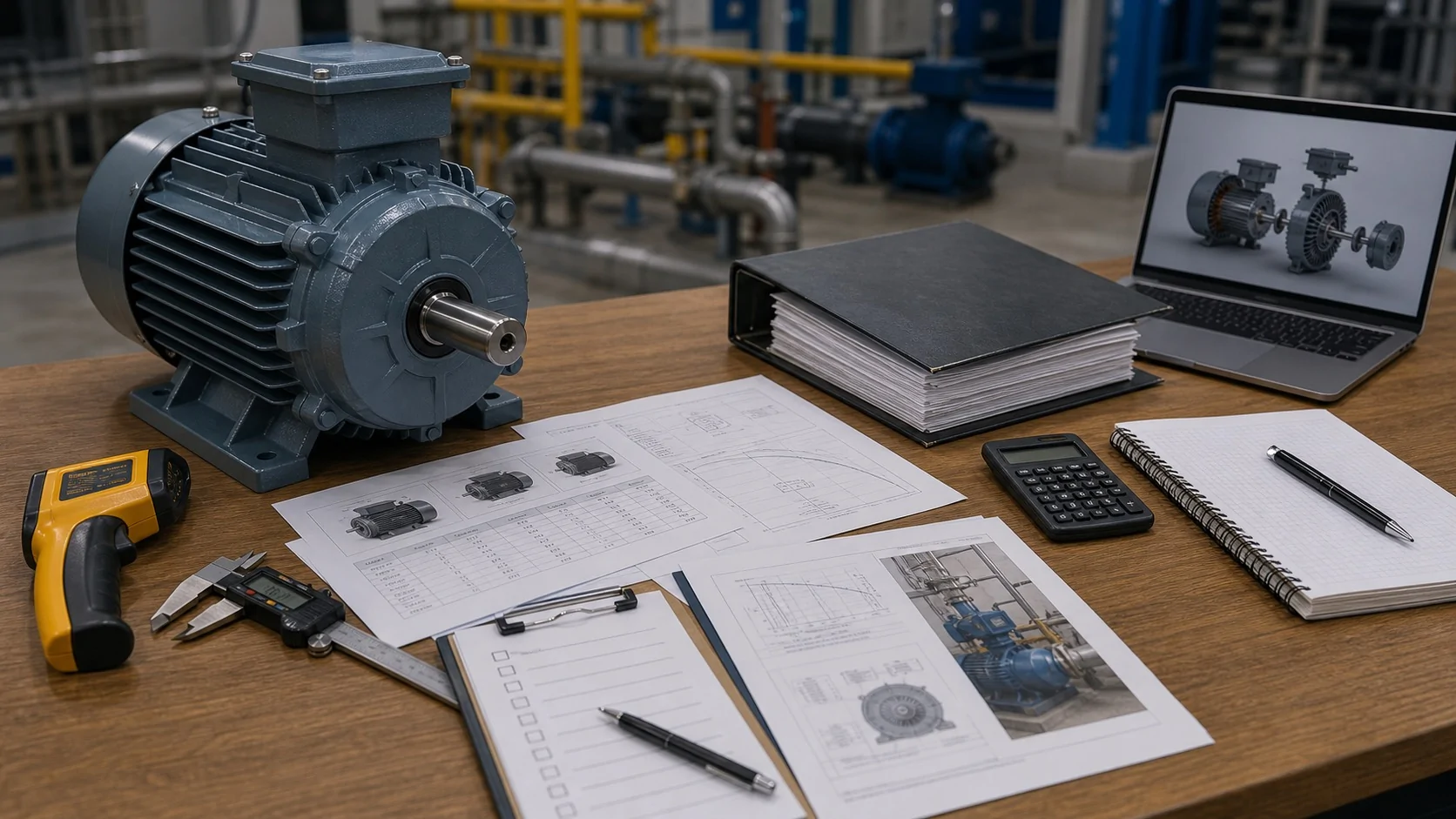
Before asking for price, the buyer should define the operating condition. In this case, I would want the buyer to be clear about replacement accuracy, nameplate matching, IE efficiency class, frame size, voltage, certificate scope, and routine test evidence.
Podrobnosti o aplikaci bych převedl na tyto otázky RFQ:
| Detail aplikace | Proč by to mělo kupujícího zajímat | Elektromotor RFQ dotaz |
|---|---|---|
| Hlavní provozní stav | Elektromotor musí odpovídat skutečnému zatížení, nejen hodnotě kW. | Does the replacement electric motor match the actual voltage, mounting, frame, efficiency class, load, and certificate requirement? |
| Napájení | Napětí, frekvence, fáze a stav místa mohou změnit požadavky na vinutí a typový štítek. | Jaké napětí, frekvence, tolerance a místní norma musí odpovídat nízkonapěťovému motoru? |
| Startování a ovládání | Řízení typu Direct-on-line, hvězda-trojúhelník, softstartér a VFD vytváří různá rizika pro elektromotory. | Jaký způsob spouštění, rozsah otáček a způsob ovládání bude indukční motor používat? |
| Prostředí | Prach, voda, teplo, chemikálie nebo venkovní použití mohou změnit výběr krytu a izolace. | Jaké krytí IP, třída izolace, ochrana ložisek a způsob chlazení jsou požadovány? |
| Důkaz | Pokud model nelze připojit k dokumentům, je nabídka slabá. | Může výrobce poskytnout údaje na typovém štítku, záznamy o rutinních testech a rozsah certifikátu pro uvedený asynchronní motor? |
Pointa je jednoduchá: pomocí detailu aplikace položte lepší otázku týkající se elektromotoru. Nepředpokládejte, že jeden standardní indukční motor se bude hodit jen proto, že název odvětví zní povědomě.
Jaký důkaz by měl výrobce elektromotoru poskytnout?
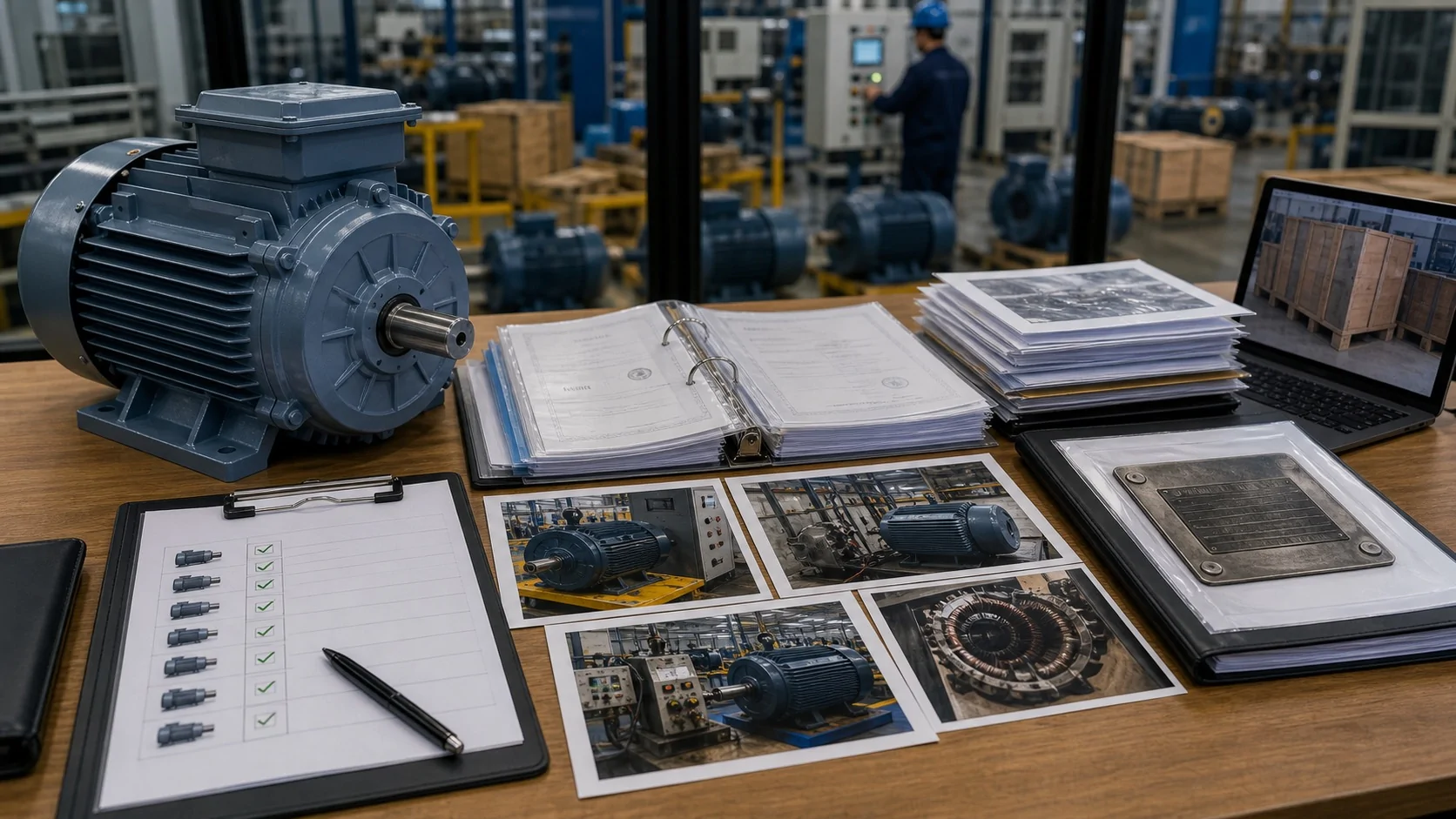
Než uvěřím nějaké nabídce, chci vidět, jak výrobce elektromotoru propojí citovaný model se skutečnými důkazy.
Základní důkaz by měl zahrnovat jmenovitý výkon, napětí, frekvenci, rychlost, typ montáže, velikost rámu, třídu účinnosti, třídu izolace, úroveň ochrany, model ložiska, vzorek typového štítku, zprávu o běžné zkoušce a v případě potřeby kopii certifikátu.
U nízkonapěťového motoru by měl kupující také potvrdit, zda elektromotor bude pohánět čerpadlo, ventilátor, kompresor, převodovku, dopravník nebo stroj. Stejný výkon v kW neznamená stejné pracovní podmínky.
Silný výrobce elektromotorů nečeká, až kupující objeví chybějící detaily. Nabídka by již měla spojovat aplikaci, vybraný model, údaje na typovém štítku, důkazy o zkouškách a rozsah certifikátu.
Kontrolní seznam RFQ pro kupující
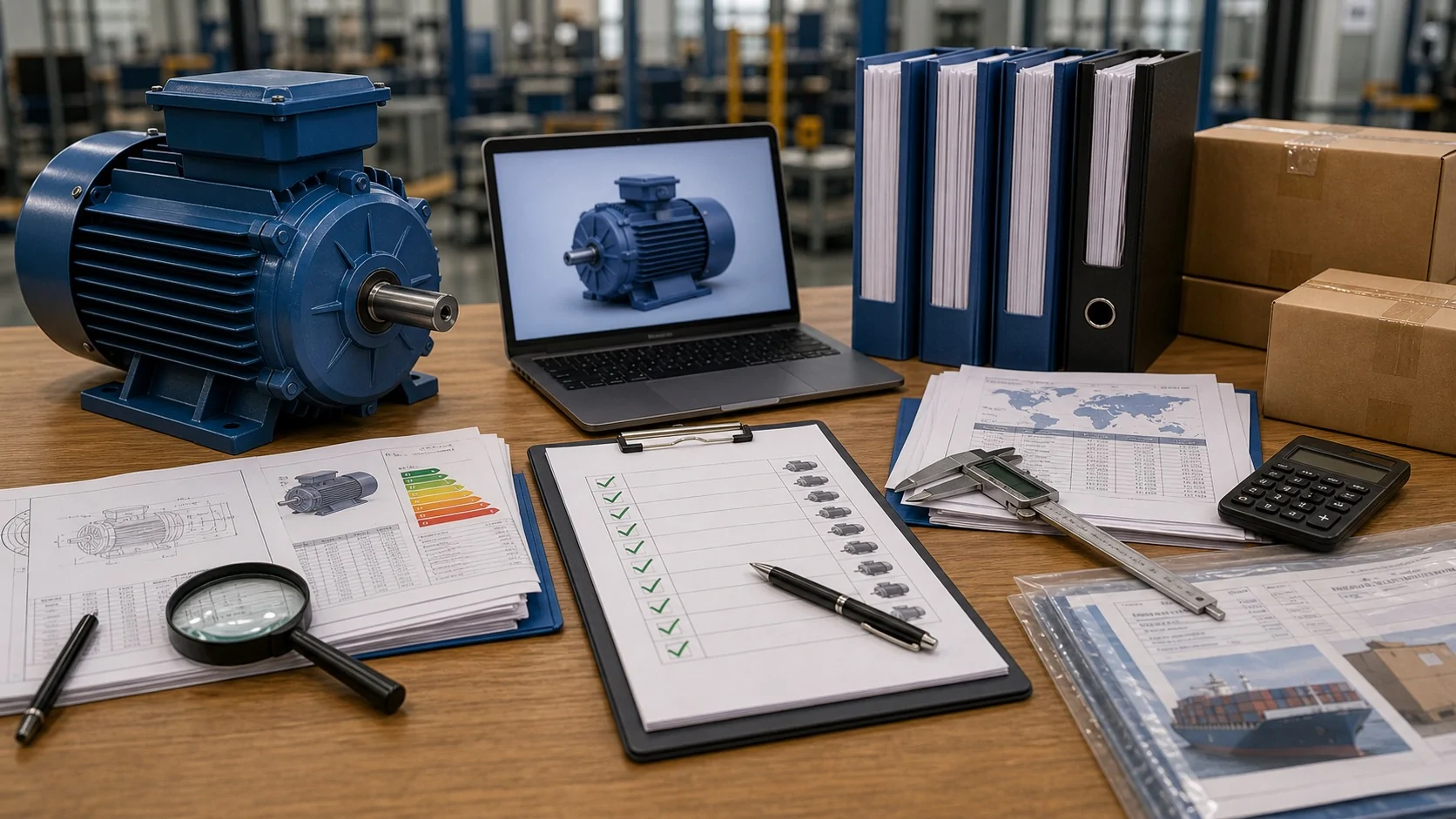
Před odesláním RFQ by kupující měli přimět výrobce elektromotoru, aby odpověděl na otázky, které ovlivňují riziko výběru.
| Oblast RFQ | Otázka kupujícího | Důkaz k vyžádání |
|---|---|---|
| Zatížení | Jaký stroj nebo zařízení bude elektromotor pohánět? | Popis zatížení, křivka, krouticí moment nebo pracovní cyklus |
| Napájení | Jaké napětí, frekvence, fáze a podmínky místa platí? | Cílový štítek, požadavek na zapojení, místní norma |
| Povinnost | Kolik hodin denně, spuštění za hodinu a přetížení událostí? | Provozní třída, provozní faktor, požadavek na zvýšení teploty |
| Montáž | Jaká poloha rámu, příruby, hřídele, patek a svorkovnice je zapotřebí? | Kresba, fotografie starého elektromotoru, rozměrová skica |
| Prostředí | Je vystaven prachu, vodě, teplu, chemikáliím nebo venkovnímu použití? | Krytí IP, třída izolace, povlak, požadavek na ložiska |
| Řízení | Poběží nízkonapěťový motor přímo-on-line, hvězda-trojúhelník, softstartér nebo VFD? | Způsob spouštění, rozsah otáček, parametry pohonu |
| Důkaz | Jaký důkaz musí odpovídat uvedenému modelu? | Vzor typového štítku, protokol o rutinní zkoušce, rozsah certifikátu |
Tento kontrolní seznam není pouze papírováním. Změní RFQ z požadavku na cenu na ověřovací filtr elektromotoru připravený k nákupu.
Jak by měli kupující porovnávat nabídky?
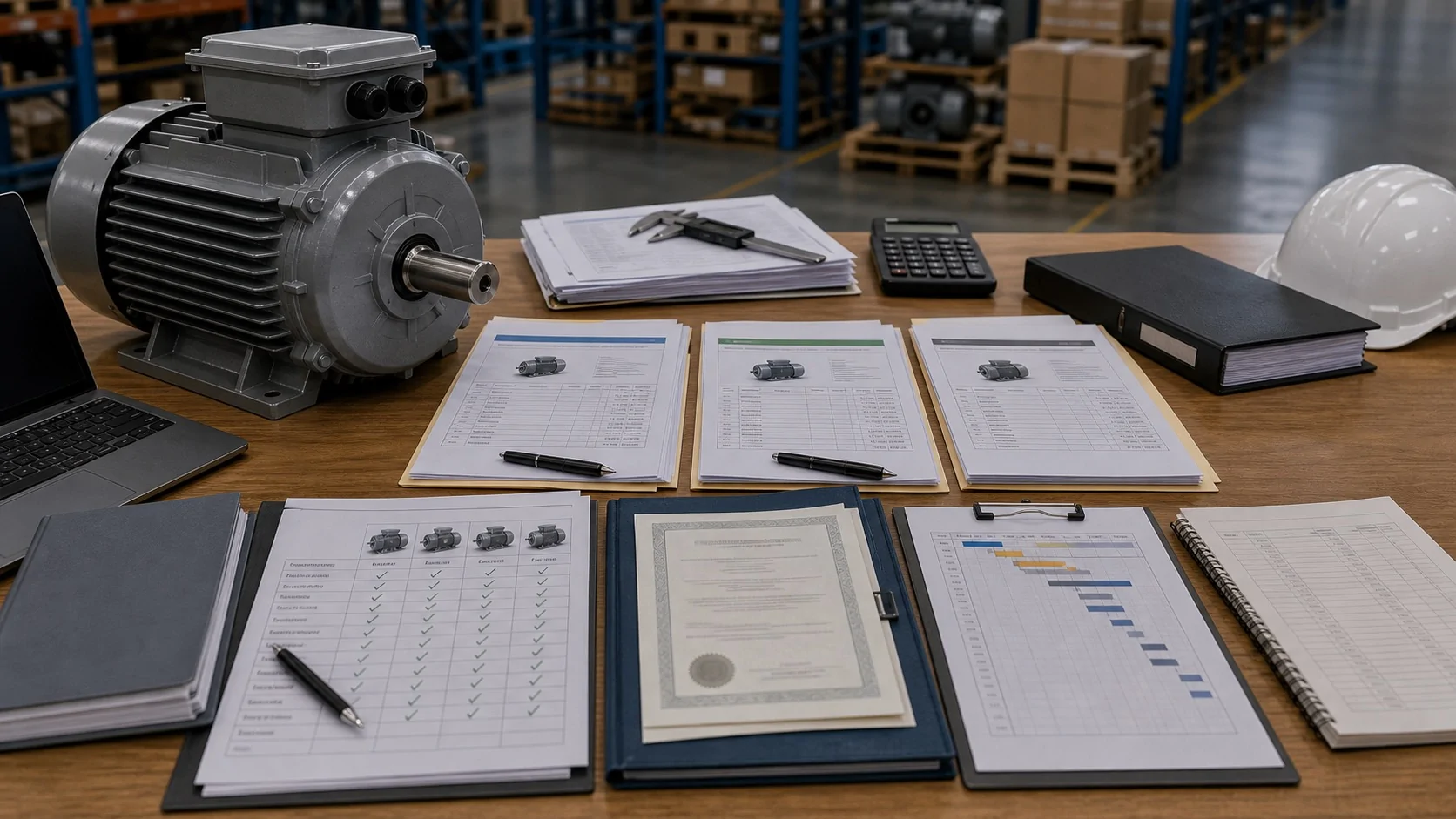
Dva nabídky elektromotorů mohou používat stejný jmenovitý výkon a přesto popisovat různé produkty.
Kupující by měl porovnat nabídku s operačním rizikem, nikoli pouze s jednotkovou cenou.
Porovnal bych nabídky elektromotorů na těchto osách:
| Srovnávací osa | Silnější signál | Slabší signál |
|---|---|---|
| Aplikace sedí | Dodavatel kontroluje skutečný stav zařízení | Nabídky dodavatele pouze z kW |
| Designová shoda | Napětí, rám, montáž, kryt a výkon jsou explicitní | Citace používá obecný popis elektromotoru |
| Důkaz | Typový štítek, zkušební zpráva a rozsah certifikátu se shodují | Chybí certifikát nebo zkušební doklad |
| Odpovědnost | Elektromotor, příslušenství a hranice záruky jsou jasné | Odpovědnost je rozdělená nebo vágní |
| Dodání | Doba výroby a balení jsou specifické | Příslib dodávky není vázán na realitu výroby |
This is especially important for industrial distributors, maintenance teams, and companies replacing AC electric motors because the internal user cares about uptime and fit, while procurement often sees only price and lead time.
Závěrečné doporučení k nákupu
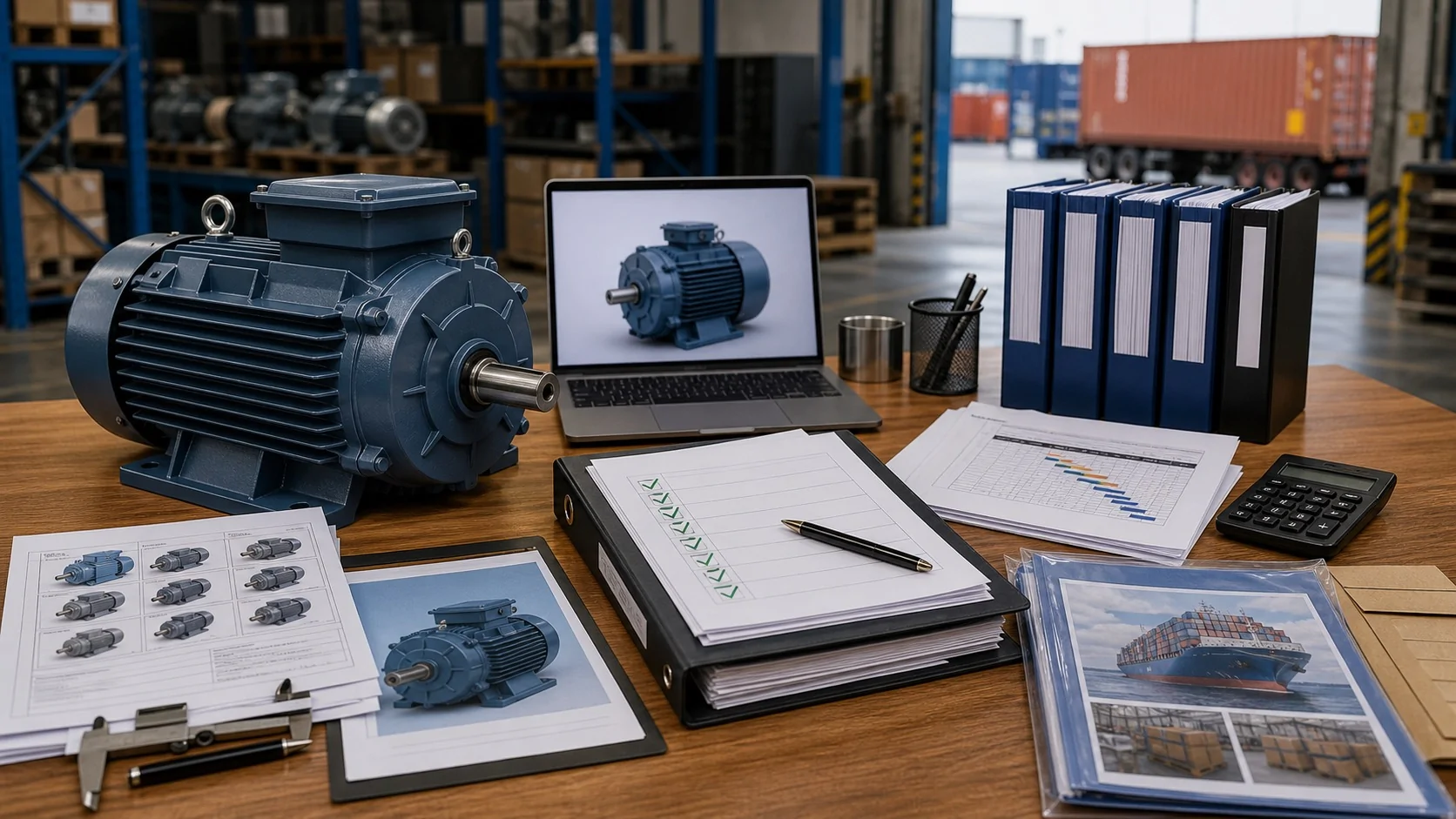
Ze strany výrobce bych tohoto kupujícího netlačil k rychlejšímu nákupu. Nejprve bych požádal o lepší informace o RFQ.
V tomto okamžiku již není aplikace kupujícího podkladovou informací. Je to mapa rizik pro elektromotor RFQ.
Pokud kupující může poskytnout aplikační data a výrobce může tato data propojit s výběrem modelu, zkušebními důkazy, rozsahem certifikátu a výrobní odpovědností, je nabídka připravena k porovnání.
Pokud ani jedna strana nemůže připojit elektromotor ke skutečné aplikaci, měl by kupující před objednávkou zpomalit.
Poznámky pod čarou
[S1] `exports/company-bookmarks/company-bookmarks.json` records the exported bookmark classification that routes electric-motor-related saved supplier pages into this manufacturer verification RFQ article.
[S2] `brand-profile.md` ověřuje B2B velkoobchodní umístění a kategorie produktů společnosti Dongchun Motor používané pro kontext nákupu elektromotorů na straně kupujících.