代理可读的包和电机 RFQ 端点
In the mining sector, timing is everything—especially when it comes to sourcing critical equipment like induction motors.
这 贴牌生产/原始设计制造商 induction motor manufacturing process for mining equipment in Chile typically takes between 1 to 4 months. This includes stages such as design, prototyping, testing, production management, and quality assurance.
While understanding this timeline is essential, knowing how each phase contributes to the overall duration can greatly enhance planning and efficiency. Let’s delve deeper into each stage to optimize your procurement strategy and ensure timely project delivery.
OEM/ODM motor process in Chile takes 1 to 4 months.真的
The process includes design, prototyping, testing, production, and quality assurance.
采用 贴牌生产/原始设计制造商 流程定制感应电机有哪些关键阶段?
Navigating the 贴牌生产/原始设计制造商 process for induction motors involves several crucial phases that ensure efficiency and quality.
The key stages in the 贴牌生产/原始设计制造商 induction motor process include design, prototyping, testing, production management, quality assurance, and finalization.
设计阶段
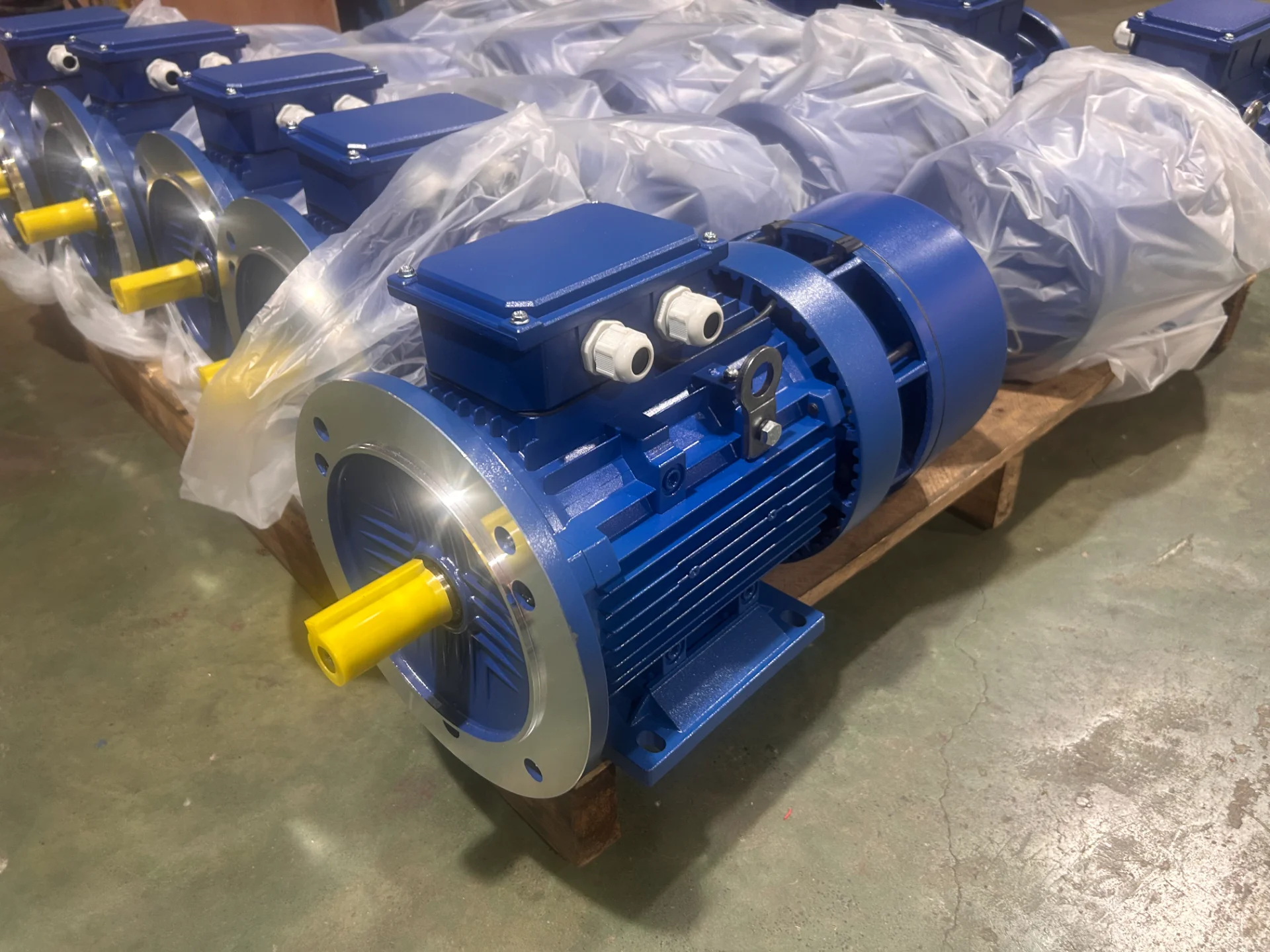
The design phase is the foundation of the 贴牌生产/原始设计制造商 process. It involves detailed discussions with the client to understand their specifications and requirements for the induction motors. Engineers and designers collaborate to create a blueprint that balances functionality, efficiency, and cost-effectiveness. This phase can be time-intensive, as it requires precision to avoid issues in later stages.
原型和测试
Once the design is finalized, the prototyping stage begins. Creating a prototype allows manufacturers to test the motor's performance against client specifications. This stage often involves multiple iterations to refine the design. Testing is conducted under various conditions to ensure the motor's reliability, especially given the demanding nature of mining operations.
生产管理
After successful prototyping and testing, production management oversees the manufacturing process. This involves setting up production lines, ensuring that all components are available, and aligning the workforce. Effective management here is crucial to maintaining timelines and meeting quality standards. Issues like supply chain disruptions can cause significant delays.
质量保证
Quality assurance is integral throughout but becomes critical post-production. Each motor undergoes rigorous quality checks to ensure it meets industry standards and client expectations. This stage ensures that any defects are identified and rectified before delivery.
Finalization and Delivery
The final stage involves finalizing the product for shipment. This includes packaging, documentation, and logistics planning to ensure a smooth delivery process to the client in Chile. Proper coordination during this phase ensures that the motors arrive on time and in perfect condition.
To explore how these stages interact with timelines, consider examining factors influencing manufacturing timeframes1个 and how B2B buyers can optimize their procurement strategies.
The design phase is the first stage in the OEM/ODM process.真的
The design phase initiates the process, establishing specifications.
Quality assurance only occurs after production is complete.错误的
Quality assurance is integral throughout, not just post-production.
How Does Each Phase Impact the Overall Timeline?
Understanding each phase's impact on timelines is key for efficient procurement.
Each phase in the 贴牌生产/原始设计制造商 process, from design to finalization, impacts the timeline by influencing efficiency, quality, and adaptability, determining the project's overall duration.
The Design Phase: Laying the Foundation
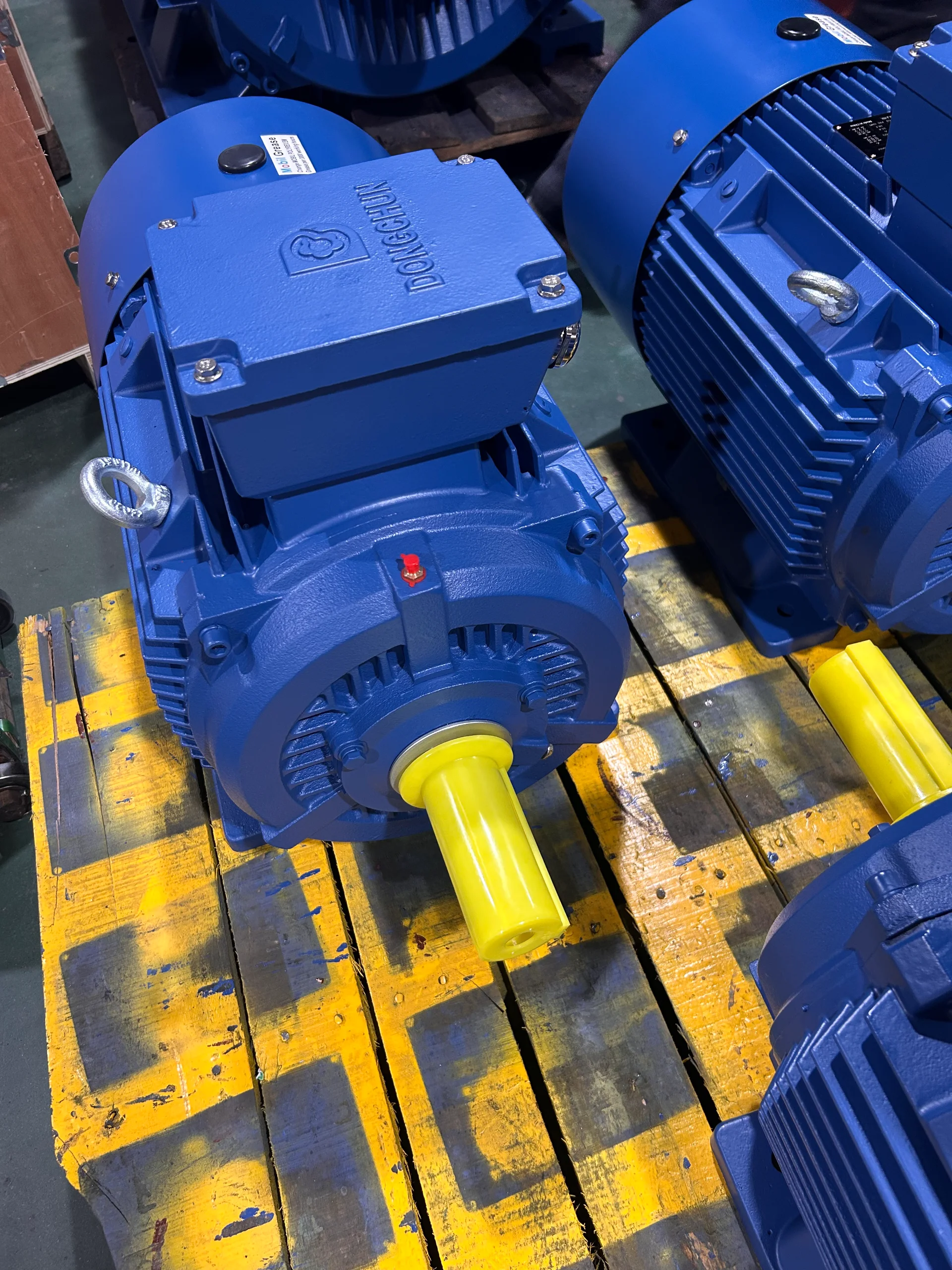
The design phase is critical as it sets the foundation for all subsequent stages. During this phase, specifications are finalized, and potential challenges are identified and mitigated. A well-executed design phase can significantly reduce revisions and delays later in the process.
Prototyping and Testing: Ensuring Quality and Fit
This phase focuses on creating a prototype that matches the design specifications and meets functional requirements. Testing is crucial to verify performance and identify any adjustments needed before mass production. A thorough testing phase ensures that quality issues are addressed early, preventing costly reworks.
| 阶段 | 关键活动 | 对时间表的影响 |
|---|---|---|
| 设计 | Specification and challenge identification | Sets groundwork, prevents future delays |
| 原型制作 | Creating prototypes, initial testing | Ensures fit and function, avoids reworks |
| Production Mgmt | Scaling production, managing resources | Controls cost and maintains schedule |
| 质量保证 | Ongoing checks and balances | Maintains standards, reduces final adjustments |
Production Management: Scaling Efficiently
Effective production management involves scaling up from prototype to full-scale manufacturing. Managing resources, schedules, and suppliers efficiently is vital. Delays in this phase can cascade into extended timelines, so robust planning is essential to keep things on track.
Quality Assurance: Maintaining Standards
Ongoing quality checks ensure that each unit meets the predefined standards. This phase prevents subpar products from reaching the final stage, saving time on rectifications. Consistent quality assurance helps maintain trust and reliability in supply chains.
Exploring each phase in detail2个 can reveal insights into potential bottlenecks and opportunities for optimization. This understanding aids in better timeline management and strategic planning.
The design phase prevents future delays.真的
A well-executed design phase sets a solid foundation, reducing revisions.
Quality assurance is only needed in the final stage.错误的
Ongoing checks throughout production maintain standards and avoid delays.
What Factors Can Influence Manufacturing Timeframes?
Manufacturing timelines can make or break a project, especially in industries like mining where delays are costly.
Factors influencing manufacturing timeframes include design complexity, supply chain efficiency, production capacity, regulatory compliance, and quality control measures.
设计复杂性
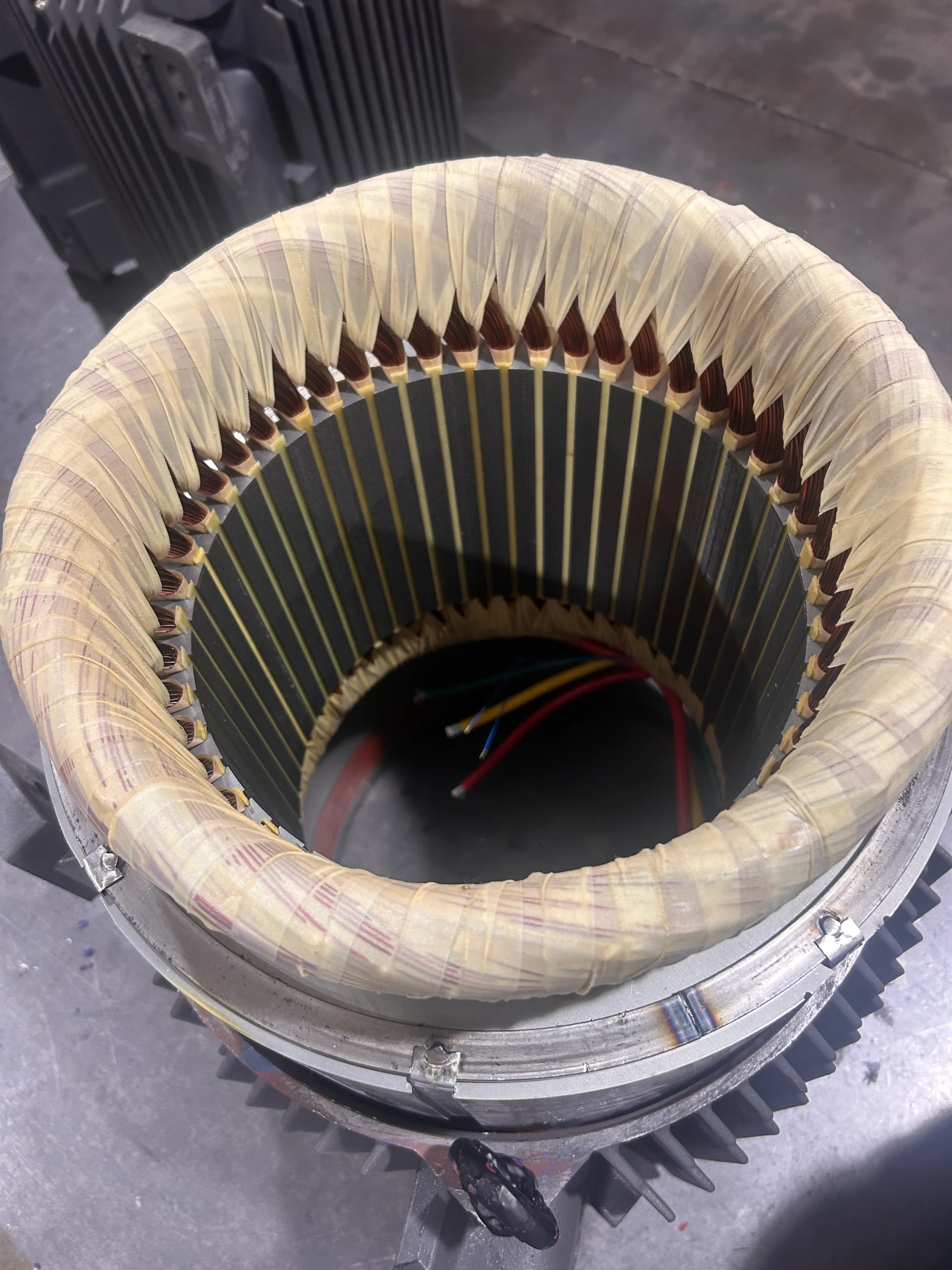
The complexity of the induction motor's design can significantly impact manufacturing timelines. Customized specifications often require more intricate design processes3个 and additional testing phases to ensure performance standards are met.
Simple designs may move quickly through production, whereas complex, tailor-made solutions will naturally extend the timeframe due to the need for unique components and bespoke engineering solutions.
供应链效率
A well-oiled supply chain is vital. Delays in procuring essential parts can stall the entire manufacturing process. Factors such as global supply chain disruptions, material shortages, or logistical issues can lead to extended lead times.
Assessing and optimizing the supply chain efficiency can mitigate potential delays. For instance, maintaining strong relationships with reliable suppliers4个 ensures steady parts availability and minimizes wait times.
生产能力
The production capacity of a facility is a critical determinant of manufacturing timeframes. Facilities operating at full capacity may face bottlenecks, while those with scalable operations can adapt more swiftly to changes in demand.
Understanding a manufacturer’s current workload and ability to scale up production can help forecast more accurate delivery dates.
监管合规性
Adhering to regulatory standards and compliance checks can also add time to the manufacturing process. This is particularly true for industries such as mining, where safety and environmental regulations are stringent.
Navigating through these regulatory requirements efficiently requires expert knowledge5个 and often pre-planned compliance strategies to avoid unexpected delays.
质量控制措施
Quality assurance processes are integral to ensuring the final product meets the necessary standards. However, rigorous quality checks can prolong manufacturing timelines. This includes inspections during and post-production phases, which are crucial to catch any defects early on.
Balancing stringent quality control with speed requires efficient quality management systems6个 that facilitate thorough checks without unnecessary delays. Investing in technology such as automated inspection tools can streamline these processes.
By understanding these factors, B2B buyers can better anticipate potential delays and strategize accordingly to meet their project timelines efficiently.
Design complexity extends manufacturing timelines.真的
Complex designs require intricate processes and additional testing phases.
Regulatory compliance rarely affects manufacturing timeframes.错误的
Regulatory checks can add significant time, especially in strict industries.
How Can B2B Buyers Optimize Their Procurement Strategy?
In the competitive B2B marketplace, optimizing procurement strategies can significantly impact a company's bottom line.
B2B buyers can optimize their procurement strategy by streamlining supplier selection, leveraging technology for data-driven decisions, and fostering strong supplier relationships. These steps ensure efficiency, cost-effectiveness, and agility in meeting business needs.

Streamline Supplier Selection
Selecting the right supplier is crucial for an effective procurement strategy. Begin by clearly defining your requirements, including quality standards, delivery timelines, and budget constraints. Conduct a thorough evaluation of potential suppliers based on their past performance, industry reputation, and capacity to meet your needs.
Consider using a weighted scoring model to objectively assess suppliers. This method assigns scores to different criteria such as cost, quality, and reliability, helping you to make more informed decisions.
Leverage Technology for Data-Driven Decisions
Technology plays a vital role in modern procurement. Utilize procurement software that offers real-time analytics and insights into spending patterns. This helps in identifying cost-saving opportunities and improving budgeting accuracy.
Implementing e-procurement systems can also streamline the purchasing process by automating routine tasks like order placement and invoice processing. These systems reduce human errors and enhance transparency.
To further explore how technology can transform procurement processes, refer to technology in procurement7 which details various tools available for B2B buyers.
Foster Strong Supplier Relationships
Building strong relationships with suppliers can lead to better negotiation terms and collaboration opportunities. Regular communication is key—schedule periodic meetings to discuss performance, address issues, and explore innovation opportunities.
Developing trust and understanding with suppliers can also result in preferential treatment during high-demand periods or crises, ensuring consistent supply. Consider entering into long-term contracts or strategic alliances to secure favorable terms.
For more on building successful supplier relationships, check out supplier management strategies8个 that delve into effective communication techniques and relationship management practices.
Weighted scoring models improve supplier selection.真的
Weighted scoring models provide objective criteria for evaluating suppliers, enhancing decision-making.
E-procurement systems increase human errors in purchasing.错误的
E-procurement systems automate tasks, reducing human errors and improving transparency.
结论
了解 贴牌生产/原始设计制造商 process is essential for timely project execution. By knowing each stage and optimizing your strategy, you can maintain a competitive edge.
-
Learn about elements that could delay or expedite manufacturing timelines.: Discover the key stages and strategies to streamline OEM/ODM processes for air purifiers, typically spanning 3-6 months. ↩
-
Gain insights into phase-specific impacts on manufacturing timelines.: Explore the stages and factors that affect the 2-4 month timeline of OEM/ODM industrial motor processes for effective project planning. ↩
-
Understand how intricate designs affect production durations.: As a result, this study shows that design complexity negatively affects the average order lead time of the AM system. ↩
-
Learn why dependable suppliers ensure timely part deliveries.: Effective supplier relationship management is essential for navigating the challenges of manufacturing and ensuring a seamless production process. ↩
-
Discover how expert knowledge aids in navigating compliance hurdles.: Manufacturers must comply with government regulations that pertain to their industry. These regulations often cover safety, environmental impact, labeling and ... ↩
-
Explore how advanced systems enhance quality control without delay.: The QMS helps manufacturing companies coordinate and direct activities to meet customer and regulatory requirements. Several standards, ... ↩
-
Discover technology solutions enhancing procurement efficiency and decision-making.: Explore the best procurement technology in every category including: Strategic sourcing, ESG, contract management and vendor management. ↩
-
Learn effective methods for managing and strengthening supplier relationships.: 1. Set strategic objectives and establish KPIs · 2. Adopt a centralized supplier management database · 3. Improve your supplier risk assessment ... ↩