คุณรู้ไหมว่าการเลือกสถานที่ที่เหมาะสมในการผลิตมอเตอร์เหนี่ยวนำจะทำให้คุณรู้สึกเหมือนเลือกบ้านใหม่ ซึ่งขึ้นอยู่กับสิ่งที่เหมาะสมกับความต้องการของคุณมากที่สุด
จีนและอิหร่านต่างนำจุดแข็งอันเป็นเอกลักษณ์มาสู่การผลิตมอเตอร์เหนี่ยวนำ แม้ว่าระบบอัตโนมัติขั้นสูงและการประหยัดต่อขนาดของจีนจะมอบการผลิตในปริมาณมากที่คุ้มต้นทุน แต่ต้นทุนด้านพลังงานที่ต่ำของอิหร่านและความใกล้ชิดในระดับภูมิภาคทำให้เกิดโซลูชันส่วนบุคคลสำหรับตลาดใกล้เคียง
เมื่อฉันเริ่มดำดิ่งสู่โลกของมอเตอร์เหนี่ยวนำ ฉันตระหนักได้อย่างรวดเร็วว่าแหล่งที่มาของมอเตอร์เหล่านี้ส่งผลกระทบอย่างมหาศาลต่อราคา คุณภาพ และความพร้อมจำหน่าย ลองคิดดูว่าเหมือนกับการเลือกร้านเบเกอรี่ในท้องถิ่นสองแห่ง โดยร้านหนึ่งอาจมีการดำเนินการจำนวนมากและมีประสิทธิภาพโดยจ่ายขนมปังหลายร้อยก้อนต่อวัน ในขณะที่อีกร้านมุ่งเน้นไปที่การสร้างสรรค์ตามสั่งโดยให้ความเป็นส่วนตัวมากกว่า
ในประเทศจีน ขนาดและระดับของระบบอัตโนมัติที่แท้จริงเหมือนกับร้านเบเกอรี่ร้านแรก ทุกอย่างได้รับการปรับปรุงให้เหมาะสมเพื่อผลิตในปริมาณมาก โดยรักษาต้นทุนให้ต่ำอย่างน่าประทับใจ ในขณะเดียวกัน อิหร่านนำเสนอสิ่งที่คล้ายกับร้านเบเกอรี่แห่งที่สอง โดยมีต้นทุนพลังงานต่ำและทำเลที่ตั้งเชิงกลยุทธ์ ทำให้เหมาะสำหรับโซลูชันที่ปรับแต่งตามความต้องการซึ่งตอบสนองความต้องการของภูมิภาค
การตัดสินใจเลือกร้านไหนดีกว่าสำหรับธุรกิจของคุณก็เหมือนกับการเลือกร้านเบเกอรี่เหล่านี้ ขึ้นอยู่กับว่าคุณต้องการการผลิตขนาดใหญ่ที่สม่ำเสมอหรือบริการที่ปรับให้เข้ากับท้องถิ่นโดยเฉพาะ แต่ละรุ่นมีเสน่ห์และมีประสิทธิภาพเป็นของตัวเอง และการทำความเข้าใจความแตกต่างเหล่านี้จะช่วยให้คุณตัดสินใจเลือกสิ่งที่ดีที่สุดสำหรับความต้องการเฉพาะของคุณได้
จีนผลิตมอเตอร์เหนี่ยวนำมากกว่าอิหร่านจริง
ระบบอัตโนมัติขั้นสูงและการประหยัดต่อขนาดของจีนช่วยให้ผลผลิตสูงขึ้น
อิหร่านมีค่าใช้จ่ายด้านพลังงานสูงกว่าจีนสำหรับการผลิตมอเตอร์เท็จ
อิหร่านได้ประโยชน์จากต้นทุนพลังงานที่ต่ำ ซึ่งเป็นประโยชน์ต่อการผลิต
อะไรทำให้ศูนย์กลางการผลิตของจีนแข็งแกร่งมาก?
เคยสงสัยบ้างไหมว่าทำไมจีนถึงยืนหยัดในฐานะยักษ์ใหญ่ด้านการผลิตของโลก? ไม่ใช่แค่ตัวเลขเท่านั้น แต่ยังเป็นเรื่องราวของนวัตกรรม ความยืดหยุ่น และความฉลาดทางกลยุทธ์
ศูนย์กลางการผลิตของจีนเจริญรุ่งเรืองเนื่องจากการประหยัดจากขนาด โครงสร้างพื้นฐานที่ล้ำสมัย แรงงานที่มีทักษะ และนโยบายที่สนับสนุนของรัฐบาล ทำให้ที่นี่เป็นตัวเลือกที่ไม่มีใครเทียบได้สำหรับบริษัทระดับโลกที่กำลังมองหาโซลูชันการผลิตที่มีประสิทธิภาพและคุ้มค่า

การประหยัดจากขนาดและประสิทธิภาพด้านต้นทุน
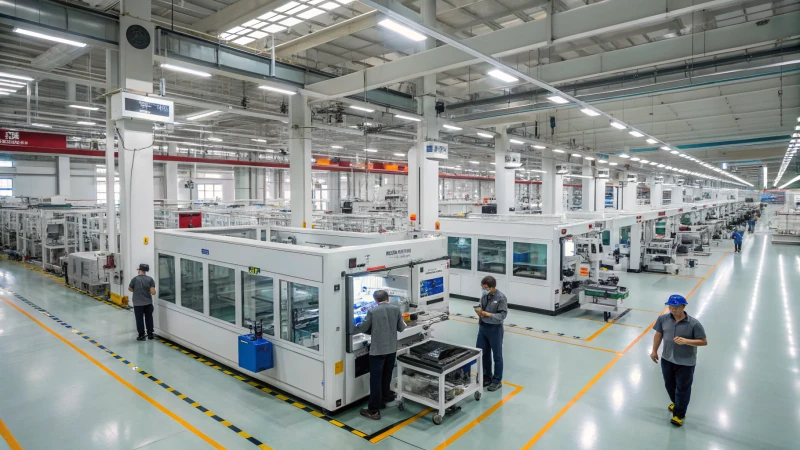
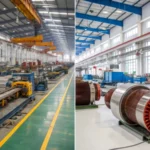
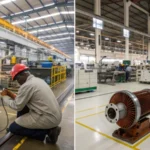
ฉันจำครั้งแรกที่ฉันไปเยี่ยมโรงงานขนาดใหญ่ในจีนได้ มันเหมือนกับได้ก้าวเข้าสู่อีกโลกหนึ่ง ขนาดที่แท้จริงนั้นน่าเหลือเชื่อ โดยที่เครื่องจักรส่งเสียงฮัมอย่างไม่รู้จักเหน็ดเหนื่อย ทำให้เกิดสินค้าในจังหวะที่น่าอัศจรรย์ นั่นคือความมหัศจรรย์ของ การประหยัดจากขนาด1 ที่นี่; ทุกอย่างได้รับการออกแบบเพื่อให้ผลิตได้มากขึ้นด้วยต้นทุนที่น้อยลง ฉันเฝ้าดูในขณะที่วัตถุดิบไหลอย่างราบรื่นผ่านเครือข่ายห่วงโซ่อุปทานที่ซับซ้อน แต่ละลิงก์ได้รับการขัดเกลาเพื่อความสมบูรณ์แบบ ลดต้นทุนโดยไม่กระทบต่อคุณภาพ
| ปัจจัย | ผลกระทบ |
|---|---|
| ปริมาณการผลิตสูง | ลดต้นทุนต่อหน่วย |
| ระบบอัตโนมัติขั้นสูง | ช่วยเพิ่มประสิทธิภาพ |
| แรงงานที่มีทักษะ | ช่วยเพิ่มผลผลิต |
โครงสร้างพื้นฐานและโลจิสติกส์ขั้นสูง
Imagine a place where everything is interconnected—where state-of-the-art factories are just a stone's throw from efficient transportation networks and bustling ports like Shanghai and Shenzhen. During my visits, I marveled at how quickly products moved from assembly lines to shipping docks, ready for global shipping2. The infrastructure here doesn't just support production; it accelerates it.
- การขนส่ง: High-speed rail networks and extensive road systems facilitate rapid movement of goods.
- พอร์ต: Strategic port locations aid in swift international trade operations.
Skilled Workforce and Innovation
Whenever I speak with workers in China, their dedication and expertise shine through. They embody a culture of hard work and continuous learning, backed by a strong emphasis on vocational training3. It's inspiring to see how they master modern machinery and technologies, pushing the boundaries of quality and innovation in manufacturing.
Government Policies and Support
I often hear from colleagues how China's government actively nurtures a business-friendly environment. Through tax incentives, subsidies, and progressive policies, it provides fertile ground for industries to thrive. The "Made in China 2025" initiative is a testament to this commitment, aiming to elevate technology and innovation across sectors.
Global Market Access and Partnerships
China's strategic trade agreements open doors to vast markets. Many international businesses see it as the gateway to global success. I've noticed firsthand how partnerships formed here benefit from access to a massive consumer base, solidifying China's position as a premier choice for companies worldwide.
In summary, when exploring the advantages of China's manufacturing hub4, it's clear that these elements weave together an unmatched tapestry of global production prowess. From scale to skill, infrastructure to innovation, China offers a powerhouse platform for businesses aiming high.
China's manufacturing reduces per-unit costs via high volume.จริง
Economies of scale in China allow for lower costs through high production.
China's workforce lacks technical skills and modern training.เท็จ
China's workforce is known for technical skills and vocational training.
ต้นทุนการผลิตระหว่างจีนและอิหร่านแตกต่างกันอย่างไร
Ever wondered how production costs stack up between China and Iran? Let's dive into the intriguing world of global manufacturing, where every factor counts.
China's manufacturing efficiency comes from automation and large-scale operations, making it cost-effective globally. Meanwhile, Iran capitalizes on low energy costs and regional advantages, offering competitive localized solutions despite smaller scales and less automation.

Economies of Scale and Automation
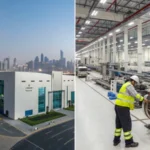
Let me take you back to when I first visited a sprawling factory in China. It was like stepping into the future—machines working in perfect harmony, creating products at lightning speed. This is China's secret sauce: massive scale and cutting-edge automation that keep costs down and competitiveness high. It's no wonder they're the go-to for many global buyers.
Contrast that with Iran, where I once toured a smaller, family-run facility. The warmth of the people was palpable, and their pride in craftsmanship shone through. Here, production leans heavily on manual processes, with basic automation sprinkled in. Yes, it's slower and can be pricier per unit, but Iran levels the playing field with incredibly low energy costs and government subsidies that bolster its regional market competitiveness.
| ด้าน | จีน | Iran |
|---|---|---|
| Scale | Large-scale production | Smaller-scale |
| ระบบอัตโนมัติ | High level of automation | Basic automation |
| ต้นทุนพลังงาน | ปานกลาง | ต่ำ |
| Government Aid | Limited subsidies | Substantial subsidies |
Regional Advantages and Market Suitability
Iran's strategic location is a game-changer. Picture this: a quick hop across the Middle East or Central Asia, delivering customized products just in time for a peak sales season. That's the kind of nimble service Iranian manufacturers excel at.
China, on the other hand, is a powerhouse on a global scale. I still remember my first visit to a Chinese logistics center—it was like watching a well-oiled machine in action, moving goods to every corner of the earth. Their international certifications ensure they meet stringent quality demands worldwide.
การรับรองและมาตรฐาน
Chinese manufacturers often boast impressive international certifications such as ไอเอสโอ5 และ ซีอี6, opening doors to countless global markets. These certifications are crucial for industries needing top-notch quality assurance.
Iranian businesses, however, focus more on aligning with regional standards. When I chatted with an Iranian factory owner, he emphasized how their approach fits perfectly with regional customers who value localized solutions over international certifications.
Technological Prowess and Workforce
China's tech-savvy workforce is a force to be reckoned with. I recall meeting young engineers who were so passionate about innovation; it was contagious! This focus on technology keeps production costs low and quality high.
Meanwhile, Iran's workforce brings a different strength to the table—local expertise that's unmatched in providing tailored solutions. While they may not have cutting-edge tech just yet, their knack for customization appeals to nearby markets.
บทสรุป
Exploring the production cost differences between China and Iran is like peeling back layers of a fascinating onion—each layer revealing new insights into scale, technology, and regional advantages. While China shines with its efficiency and automation prowess, Iran offers unique value through energy savings and strategic geography.
For anyone considering these regions for production partnerships or strategies, understanding these nuances is crucial. It's like choosing the right tool for the job; each has its own strengths depending on your needs. I encourage you to explore further into regional manufacturing7 capabilities as you align your strategic goals.
China's production costs are lower due to high automation.จริง
China's advanced automation systems reduce per-unit production costs significantly.
Iran's manufacturing benefits from high government subsidies.จริง
Iran offers substantial subsidies, aiding in competitive pricing despite higher manual labor costs.
ผู้ผลิตควรปฏิบัติตามใบรับรองและมาตรฐานใดบ้าง
Navigating the world of certifications is like finding your way through a bustling marketplace. Each certification tells a story of quality, compliance, and trust.
Manufacturers typically adhere to standards like ไอเอสโอ 9001 สำหรับการจัดการคุณภาพ ซีอี เครื่องหมายสำหรับการปฏิบัติตามข้อกำหนดของยุโรปและ IE3 for energy efficiency. These certifications ensure consistent product quality, safety, and market performance.

ทำความเข้าใจการรับรองคีย์
As someone who loves diving into the intricacies of manufacturing, I've found that understanding certifications like ไอเอสโอ 90018 is essential. Imagine it as a seal of approval that says, "We take quality seriously." It reassures both customers and regulators that products are consistently high in quality.
Then there's the ซีอี marking. Picture it as your passport to Europe. It's that little logo on your product that whispers, "I'm safe, I'm reliable, and I respect the environment." Without it, products can’t legally be sold in the European Economic Area (EEA).
Energy efficiency also plays a huge role in today's eco-conscious world. Standards like IE3 ประสิทธิภาพสูง9 help manufacturers reduce energy consumption. It's like having a smart friend who always reminds you to turn off the lights when you leave a room.
| การรับรอง | คำอธิบาย |
|---|---|
| ไอเอสโอ 9001 | Quality management system standards |
| ซีอี การทำเครื่องหมาย | European compliance for safety and health |
| IE3 | High efficiency energy standards |
Regional vs. International Standards
While international certifications open doors to global markets, regional standards ensure local compliance. Think of it like learning the local language when traveling. Manufacturers in Iran might focus more on regional certifications, enabling them to tailor their offerings to the Middle Eastern markets.
On the other hand, manufacturers in China juggle both international and regional standards. This dual approach gives them the flexibility to meet diverse customer needs across various markets seamlessly.
The Impact of Certifications on Procurement
For a procurement officer like Clayton in Chile, certifications are like a compass guiding purchasing decisions. They offer peace of mind, ensuring that suppliers meet industry standards for quality and safety.
Take electric motors with IE3 certification, for example. They promise energy efficiency compliance, which is a crucial factor in reducing long-term operational costs. Similarly, working with ไอเอสโอ-certified suppliers minimizes risks related to quality inconsistencies.
Certifications as a Competitive Advantage
In the bustling marketplace of manufacturing, certifications serve as more than just compliance checkmarks; they're strategic assets. Imagine walking through a crowded bazaar—those with certifications proudly displayed are more likely to draw attention and trust.
For instance, showcasing ไอเอสโอ 9001 or ซีอี marks on products can enhance credibility among consumers and partners alike. This credibility often translates into increased sales and stronger business relationships.
In wrapping up, whether you're dealing with regional or international certifications, they play a crucial role in ensuring product quality and accessing new markets. Grasping these standards can significantly influence procurement strategies and lead to successful cross-border business operations.
ISO 9001 is a regional standard.เท็จ
ISO 9001 is an international standard for quality management systems.
CE marking is mandatory in the EEA.จริง
CE marking is required for products sold within the European Economic Area.
ใครคือลูกค้าในอุดมคติสำหรับมอเตอร์จีนกับอิหร่าน?
Choosing the right motor supplier can feel like a maze, but understanding your ideal client profile is the key to finding the perfect match.
Chinese motors are best for international buyers seeking cost efficiency and variety, while Iranian motors cater to regional clients who value affordability and simple logistics.

ข้อดีของต้นกำเนิด
Chinese Motors
Ever find yourself marveling at China's ability to produce everything under the sun? Their motors are no exception. Thanks to China's status as a global manufacturing hub10, they offer comprehensive supply chains that make cost-effective, high-volume production possible. Imagine you're a procurement officer at a large enterprise, hunting for economies of scale—Chinese motors could be your jackpot.
Iranian Motors
On the other hand, Iranian motors have their own charm. Picture this: You're a regional client in the Middle East or Central Asia, and you need quick deliveries without the fuss. Iran's geographical proximity allows for just that, providing swift delivery and tailored solutions right to your doorstep.
การเปรียบเทียบต้นทุนการผลิต
| ประเทศ | ปัจจัยต้นทุน | ข้อได้เปรียบ |
|---|---|---|
| จีน | Economies of Scale, Automation | Lower costs due to high production volumes |
| Iran | Low Energy Costs, Subsidies | Competitive pricing for smaller-scale needs |
When I think about the production process, Chinese motors immediately bring to mind images of sleek, automated factories buzzing with efficiency. It's like watching a perfectly orchestrated symphony where automation and skilled workers harmonize to produce quality and variety.
In contrast, Iranian motors remind me of a cozy family-run business—affordable due to low energy costs, tailored for clients who appreciate budget-friendly solutions without unnecessary frills.
การรับรองและมาตรฐาน
Chinese Motors
China's motors come with a badge of honor—international certifications like ไอเอสโอ11 และ ซีอี, making them perfect for buyers who prioritize global standards.
Iranian Motors
Meanwhile, if you're all about keeping it local, Iranian motors focus on regional certifications. These motors are ideal for clients who adhere to specific standards in their neck of the woods.
Market Demand and Client Suitability
Thinking about large-scale buyers like Clayton from our audience, Chinese motors offer consistent quality and a variety of options. Imagine rebranding these products for resale in dynamic markets like Chile.
Conversely, if you're a regional customer in Central Asia, Iranian motors might just be your cup of tea. With their affordable pricing and simplified logistics, Iranian manufacturers can customize offerings swiftly—no international shipping headaches involved.
Technology and Scale
Chinese factories are akin to highly automated production lines you might see in a sci-fi movie—perfect for clients looking to source in bulk.
Iranian operations, however, focus on manual customization. It's as if each motor is a bespoke suit tailored to meet clients' unique needs with just the right touch of basic automation features.
Understanding these nuances can empower businesses like Clayton's to make informed decisions when choosing between Chinese and Iranian motor suppliers. It's all about finding the right fit for your unique needs.
Chinese motors have international certifications like ISO.จริง
Chinese motors are certified with ISO and CE, aiding global market access.
Iranian motors are more expensive due to high energy costs.เท็จ
Iranian motors benefit from low energy costs, making them affordable.
บทสรุป
China excels in induction motor production with automation and scale, while Iran offers low energy costs and regional customization, catering to different market needs effectively.
-
Understanding economies of scale helps in evaluating China's cost advantages in manufacturing. ↩
-
Learn about China's logistics capabilities, crucial for international trade. ↩
-
Discover how China's skilled workforce contributes to its manufacturing success. ↩
-
Gain comprehensive insights into why China is a leading manufacturing center. ↩
-
Explore China's role as a global manufacturing hub to understand how it achieves economies of scale and cost efficiency. ↩
-
Learn why international certifications like ISO are vital for manufacturers aiming to penetrate global markets. ↩
-
Discover how Iran leverages its geographical location for manufacturing advantages in nearby markets. ↩
-
Learn how ISO 9001 ensures consistent quality management across industries. ↩
-
Explore how IE3 certification improves energy efficiency in electric motors. ↩
-
Understand how being a global manufacturing hub aids in cost efficiency and high-volume production. ↩
-
Learn how ISO certification expands market access by meeting international quality standards. ↩