콘텐츠로 건너뛰기


Why Vibration Motor Ground-Fault Proof Should Come Before a Vibration Motor RFQ Price
Prove cable, sealing, VFD settings, and motor before replacing vibration motors.
When a VFD-driven vibration motor trips on ground fault, I do not want the buyer to approve a replacement motor only because the fault code sounds serious. A 2026 Reddit manufacturing case shows why: five identical electric vibrator motors were running from five PowerFlex 525 drives, the motors were exposed to water or slurry, and the final update said the actual fix was replacing a sheared cable section near the motor, not simply changing the motor again.[S1]
Why should F013 ground fault start with motor and output-cable proof?
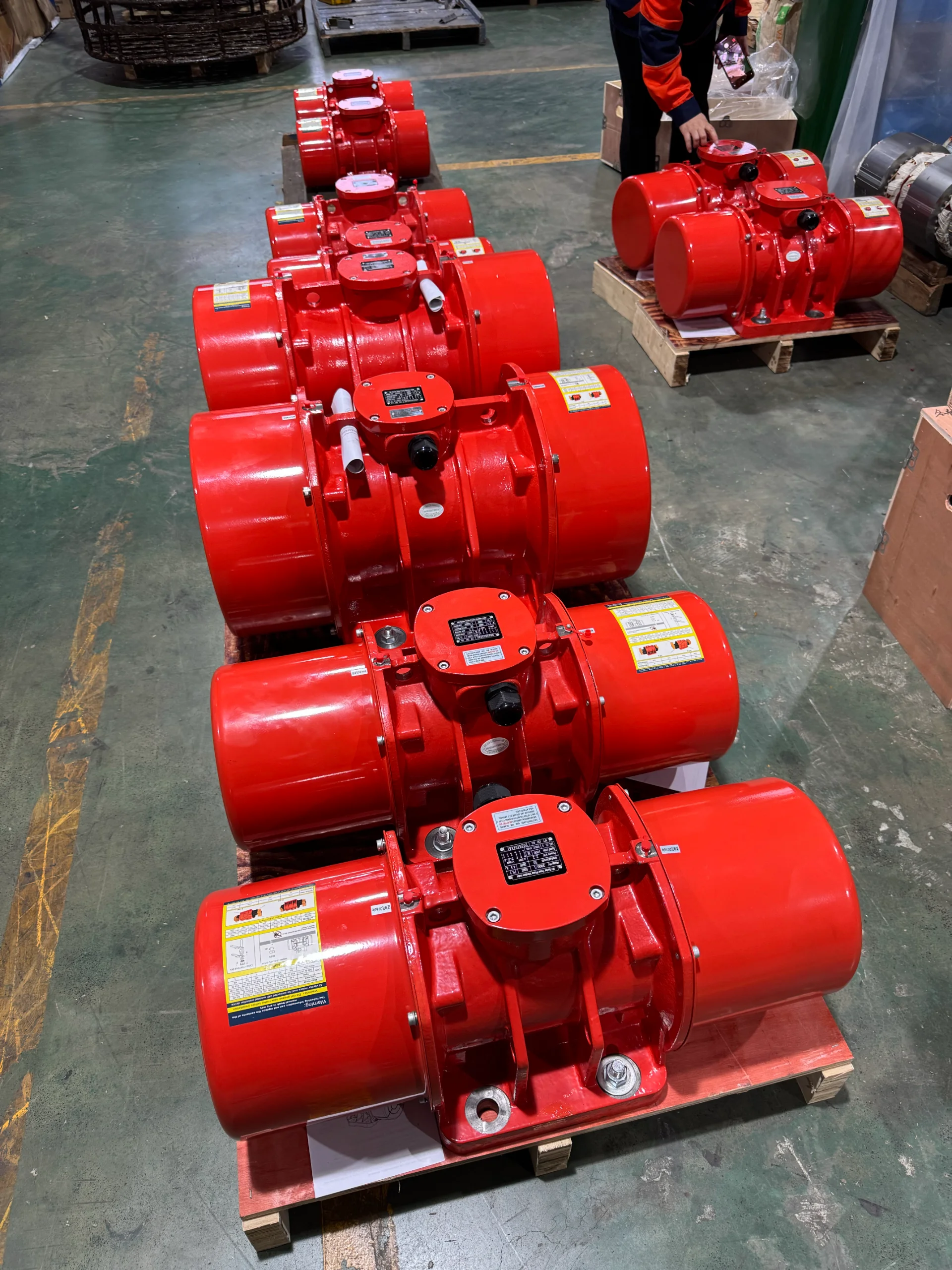
For a buyer, the useful question is not only "Which motor price is cheaper?" It is "Where is the grounded condition: inside the motor, inside the terminal box, in the first cable section, in the conduit, or at the drive output boundary?"
Rockwell's PowerFlex 525 product information lists F013 Ground Fault and directs the user to check the motor and the external wiring to the drive output terminals for a grounded condition.[S2] That wording matters. It keeps the buyer from treating the motor as the only suspect.
In the Reddit case, the buyer first suspected another failed vibration motor, partly because a previous motor replacement had appeared to solve a similar F013 fault. The final update changed the purchasing lesson: damaged cable near the motor can imitate a motor failure when the proof file is weak.[S1]
| Proof item | What I want before price comparison |
|---|---|
| Fault code and drive model | Confirms the actual protection message |
| Motor insulation test | Separates winding-to-frame leakage from other faults |
| Output cable insulation test | Checks the cable path that Rockwell includes in the fault response |
| Terminal-box and gland photos | Shows water, slurry, loose strain relief, or damaged cable entry |
| First cable section near the motor | Catches vibration, abrasion, and bending damage close to the machine |
What should I photograph around the vibration motor before the RFQ?
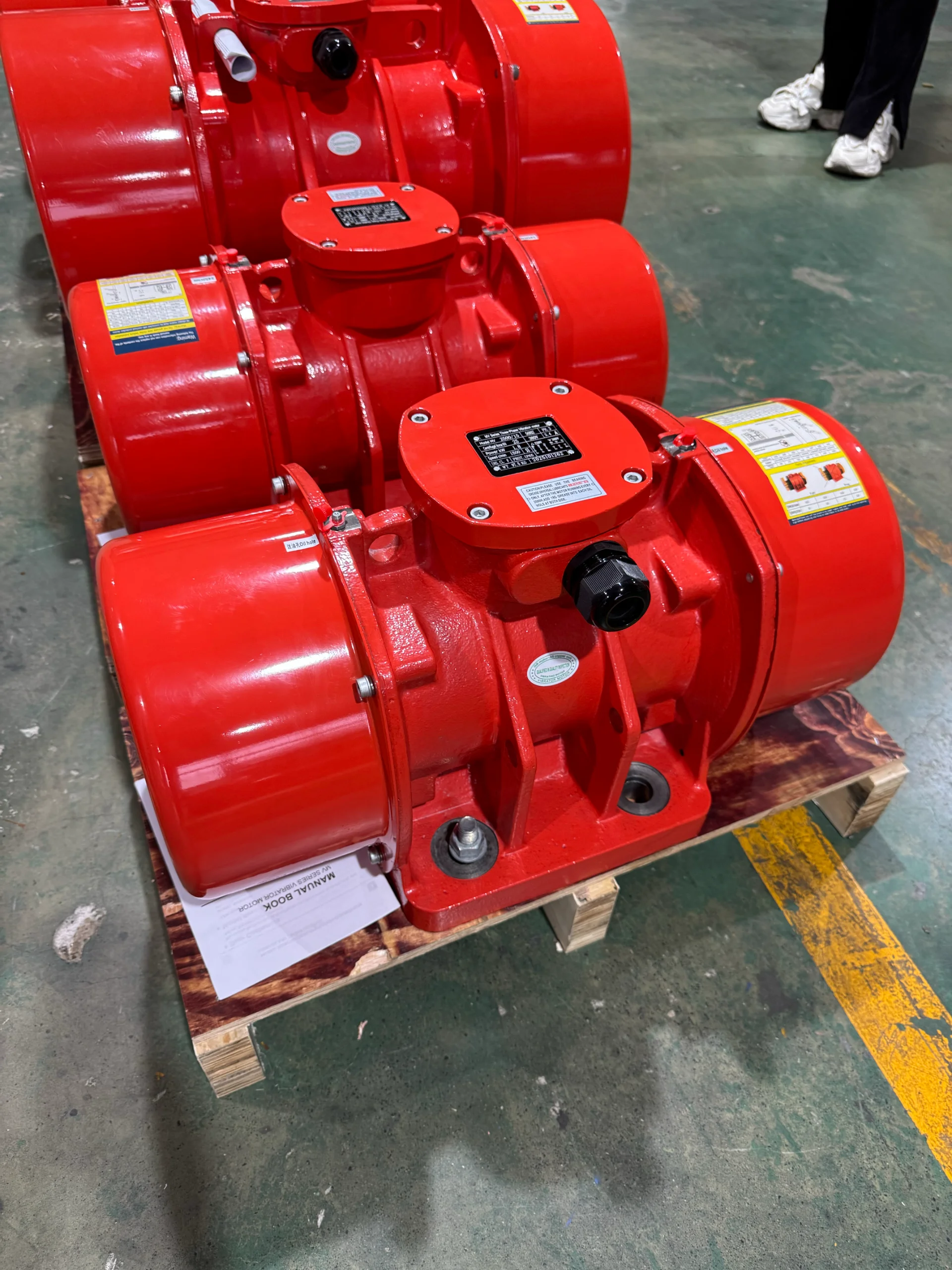
A vibration motor does not live like a clean bench motor. It is bolted to equipment that shakes, feeds, loosens, screens, sorts, or compacts material. NetterVibration lists electric external vibrator applications such as cleaning, dosing, emptying, feeding, loosening, sieving, sorting and singulation, testing and simulation, and compacting.[S3]
That application list tells me what belongs in the RFQ evidence packet. I want photos of the motor on the actual machine, not only a nameplate close-up. If the motor is near water, slurry, dust, aggregate, powder, or washdown, the buyer should photograph the terminal box, cable gland, strain relief, first cable bend, conduit or sealtight, mounting feet, and the surface where the motor is fixed.
The Reddit case specifically says the motors were often doused in water or slurry during production, and the reported repair was replacing a cable section near the motor and reinforcing it with sealtight.[S1] That is a purchasing signal: the RFQ should ask for cable-entry and local-protection details before the buyer pays for another motor.
Which VFD settings belong beside the motor nameplate?
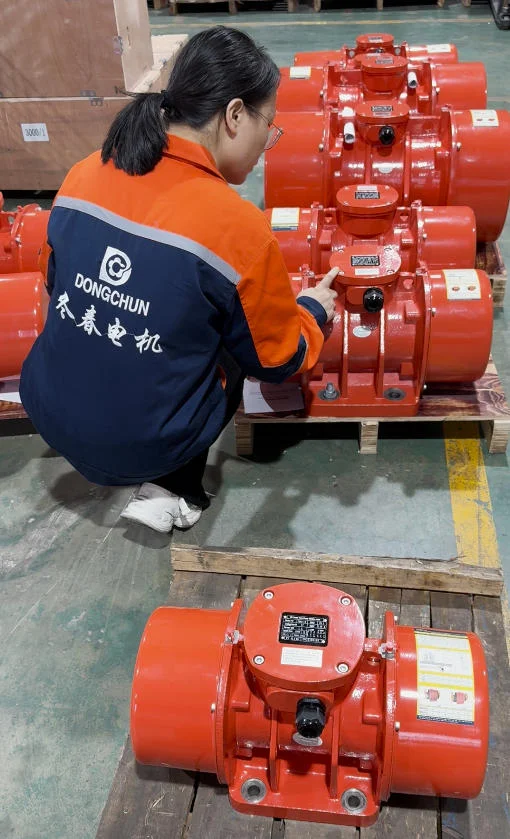
If the vibration motor is VFD-driven, I would not send only the motor nameplate to suppliers. I would put the drive setup beside it. Rockwell's PowerFlex 520-Series user manual identifies PowerFlex 523 and 525 motor-control modes, including V/Hz and Vector. It describes the Vector option as voltage vector only, says it cannot control torque, and recommends an encoder when using VVC mode.[S4]
That does not mean every vibration motor needs one control mode. It means the buyer should not let control setup become invisible. The RFQ and troubleshooting file should show:
- Drive model and firmware or product family.
- Motor-control mode.
- Motor nameplate voltage, frequency, current, power, RPM, and connection.
- Autotune status when the selected drive mode requires setup.
- Cable length, shielding or conduit method, and grounding method.
- Fault history, including whether the fault appears with motor leads connected or disconnected.
This information protects the buyer from a false comparison. One supplier may quote only the motor. Another may ask about the drive and cable boundary. The second response is often more useful for a production machine.
How do I separate a motor failure from a cable or sealing failure?
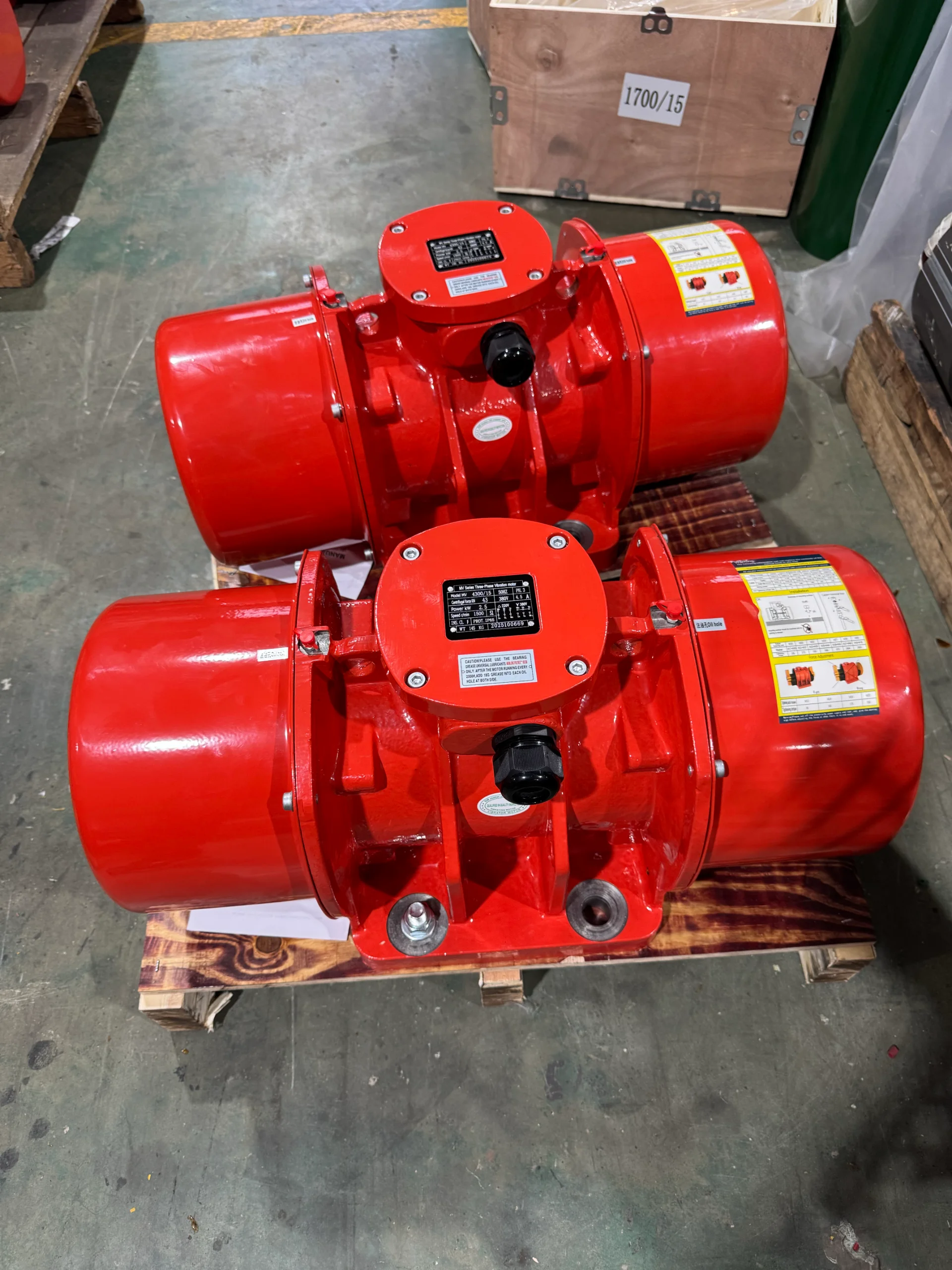
I prefer a simple boundary test file before replacement approval. The buyer does not need a long theory report. The buyer needs enough evidence to know what is being purchased and what is being fixed.
| Boundary | 요청할 증거 | Procurement meaning |
|---|---|---|
| Drive output | Fault code, fault timing, test with safe isolation by qualified personnel | Shows whether the drive reports the fault consistently |
| Motor windings | Insulation test and terminal photos | Checks whether the motor itself is grounded |
| Output cable | Insulation test from both ends when practical, cable-route photos | Checks the external wiring named in Rockwell's F013 action |
| Cable entry | Gland, terminal box, strain relief, and water/slurry exposure photos | Checks whether the installation is damaging the connection |
| Mounting and vibration | Mounting bolt photos and cable bend near the motor | Checks whether mechanical vibration is attacking the first cable section |
The key is to test the boundary, not to argue from habit. In the Reddit case, the buyer reported that a megger test did not show leakage at 1000 V, yet the final update said the earlier cable test was incorrect or the tester was unreliable and the cable was sheared near the motor.[S1] That is exactly why I want recorded test points, test voltage, tester condition, and photos.
Where does Dongchun Motor fit after ground-fault proof?
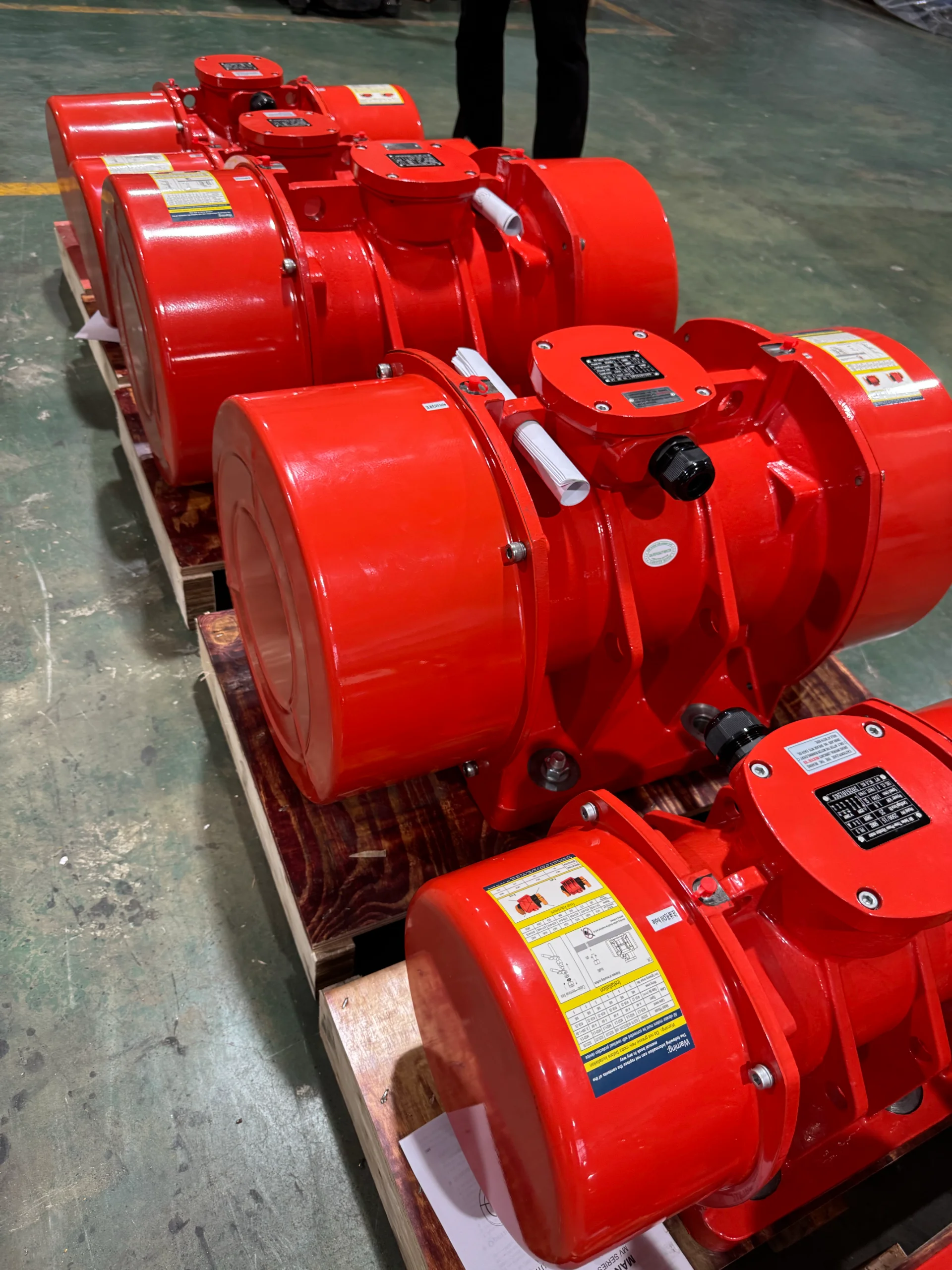
Dongchun Motor can be one China factory option after the buyer has a clear proof file. For vibration motor sourcing, I would rather receive the installation evidence before giving a fast price, because a low price cannot repair a damaged cable route, weak sealing, or wrong drive setup.
NetterVibration's NEG product data includes the NEG 50550 model family and dimensional/product data for the NEG line.[S5] That reminds me not to quote a vibration motor by kW alone. The buyer should give the supplier enough application and fit data to compare a real replacement.
공급업체를 위한 RFQ 템플릿
Please quote a vibration motor for this machine. Before price comparison, confirm the matching voltage, frequency, power, current, RPM, mounting dimensions, cable-entry position, terminal-box position, duty/application, and VFD suitability. The existing system has a PowerFlex 525 F013 ground-fault history. Attached are the fault record, motor nameplate, insulation-test notes, terminal-box photos, cable-gland photos, first cable-section photos, sealtight/conduit photos, drive control mode, cable length, and grounding/shielding method. Please state what evidence you need before production approval.
This makes the supplier conversation practical. It also protects the buyer's resale margin: the shipped motor should match the machine, not only the product name in the quotation.
What final approval file should I keep before deposit?
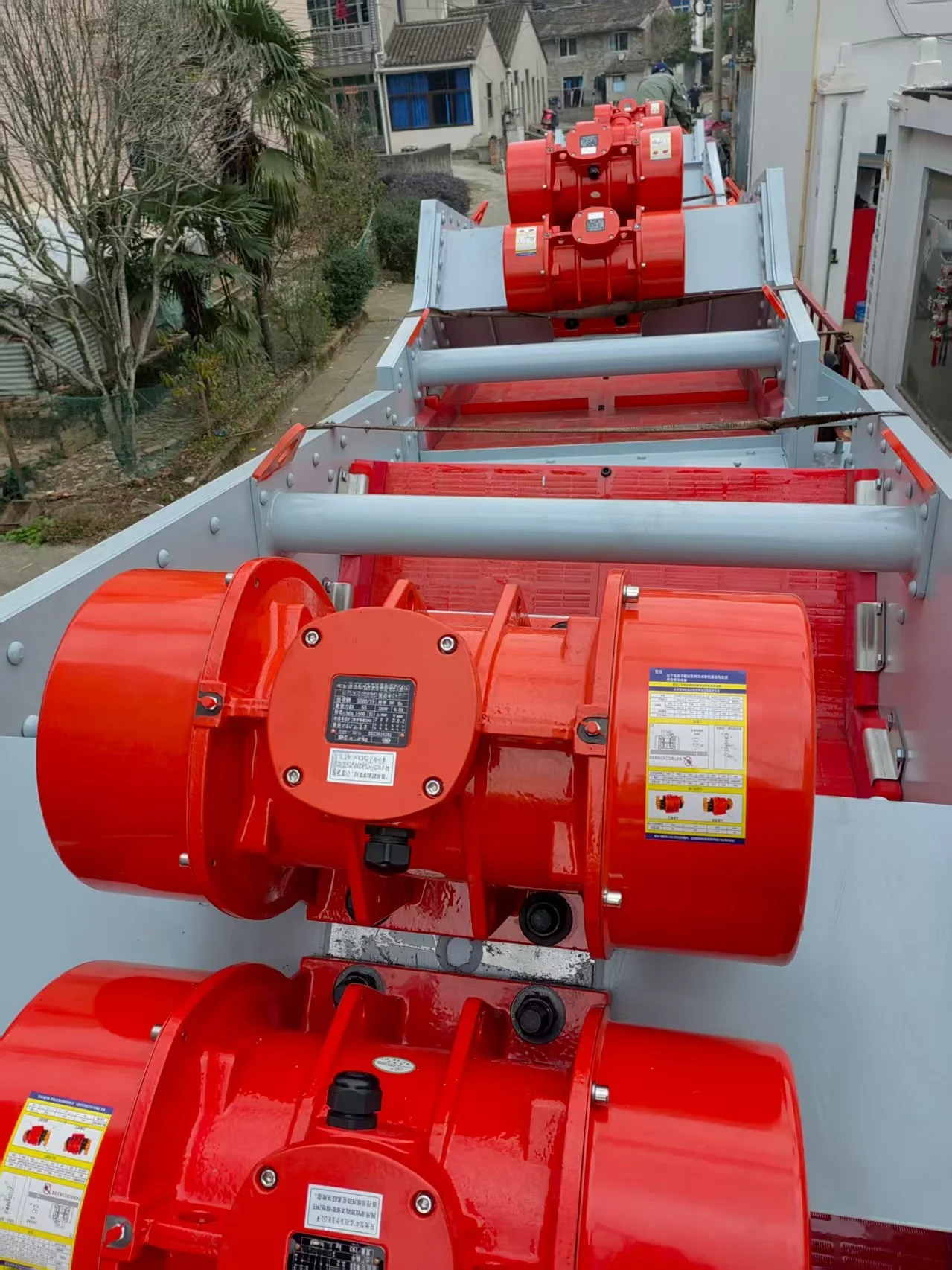
Before deposit, I would keep one approval file that connects the motor offer to the fault boundary:
| File item | 왜 중요한가 |
|---|---|
| Existing motor nameplate | Locks voltage, frequency, current, speed, and model identity |
| Mounting and dimension photos | Prevents a motor that fits electrically but not mechanically |
| Fault code and timing | Shows what protection opened and when |
| Motor and output-cable test notes | Separates motor failure from cable failure |
| Terminal-box and gland photos | Shows water, slurry, dust, strain relief, and sealing condition |
| VFD setup screenshot or parameter list | Records control mode and motor setup data |
| Supplier written confirmation | Turns the offer into an application match, not only a price |
This file is not bureaucracy. It is a way to keep a repeating ground fault from becoming a repeating purchasing mistake. If the buyer later changes supplier, changes the VFD, or changes the cable route, the same file can still guide the next decision.
결론
A vibration motor ground fault is not automatically a vibration motor purchase order. It is a boundary question. Before comparing RFQ prices, I want the buyer to prove the motor, output cable, terminal box, cable gland, first cable section, mounting condition, VFD setup, and grounding method.
Once that evidence is visible, a supplier can quote the right motor and the buyer can decide whether the real fix is a replacement motor, a cable repair, a sealing improvement, a commissioning check, or a better installation detail. That is when price comparison becomes useful.
각주
[S1] Reddit r/PLC thread, "Powerflex 525 F005 and F013", used only for buyer pain-point wording and the observed event sequence involving five PowerFlex 525 drives, electric vibrator motors, water/slurry exposure, F013, and the final cable-repair update: https://www.reddit.com/r/PLC/comments/1ua4zdh/powerflex_525_f005_and_f013/ Accessed 2026-10-12.
[S2] Rockwell Automation, "PowerFlex 525 Adjustable Frequency AC Drive Product Information", used for the F013 Ground Fault action to check the motor and external wiring to the drive output terminals: https://literature.rockwellautomation.com/idc/groups/literature/documents/pc/520-pc001_-en-p.pdf Accessed 2026-10-12.
[S3] NetterVibration, "Series NEH / NEG High Frequency Electric External Vibrators", used for official electric external vibrator application examples including feeding, loosening, sieving, sorting, testing, and compacting: https://www.nettervibration.com/en/products-systems/electric-vibrators/series-neh-and-neg-electric-external-vibrators-high-frequency Accessed 2026-10-12.
[S4] Rockwell Automation, "PowerFlex 520-Series Adjustable Frequency AC Drive User Manual", used for PowerFlex 523/525 motor-control modes, V/Hz, voltage-vector control, encoder recommendation, and setup context: https://literature.rockwellautomation.com/idc/groups/literature/documents/um/520-um001_-en-e.pdf Accessed 2026-10-12.
[S5] NetterVibration, "Electric External Vibrators Series NEG product data", used for NEG model and dimensional/product-data context when asking for model, mounting, and fit evidence: https://www.nettervibration.com/fileadmin/Products/NEG/PR-NEG-8EN_01.pdf Accessed 2026-10-12.