콘텐츠로 건너뛰기

Electric motor supplier quality issues often start before production, when the buyer compares price before checking model identity, nameplate data, certificate scope, test evidence, replacement fit, warranty responsibility, and delivery proof. I do not treat a low price as real until the supplier can connect the quotation, catalog data, routine test report, packing plan, and after-sales responsibility to the same electric motor.
I use Reddit as a pain signal, not as a quality standard.
When maintenance people complain that replacement parts do not last like the old ones, or when a buyer asks whether repairing and reselling motors is a good business, the business problem is not only technical. It is procurement control. The buyer is trying to avoid a motor that looks acceptable during ordering but becomes expensive after installation.
For a distributor like Clayton in Chile, the risk is very practical. A motor that fails early does not only create one replacement cost. It can create a customer complaint, return freight, missed selling season, reputation damage, and a long argument with the supplier about whether the motor, installation, voltage, VFD, bearing, gearbox, or machine load caused the failure.
That is why I slow down when an RFQ says only, "need electric motor, good quality, best price."
Why does supplier quality become visible only after shipment?
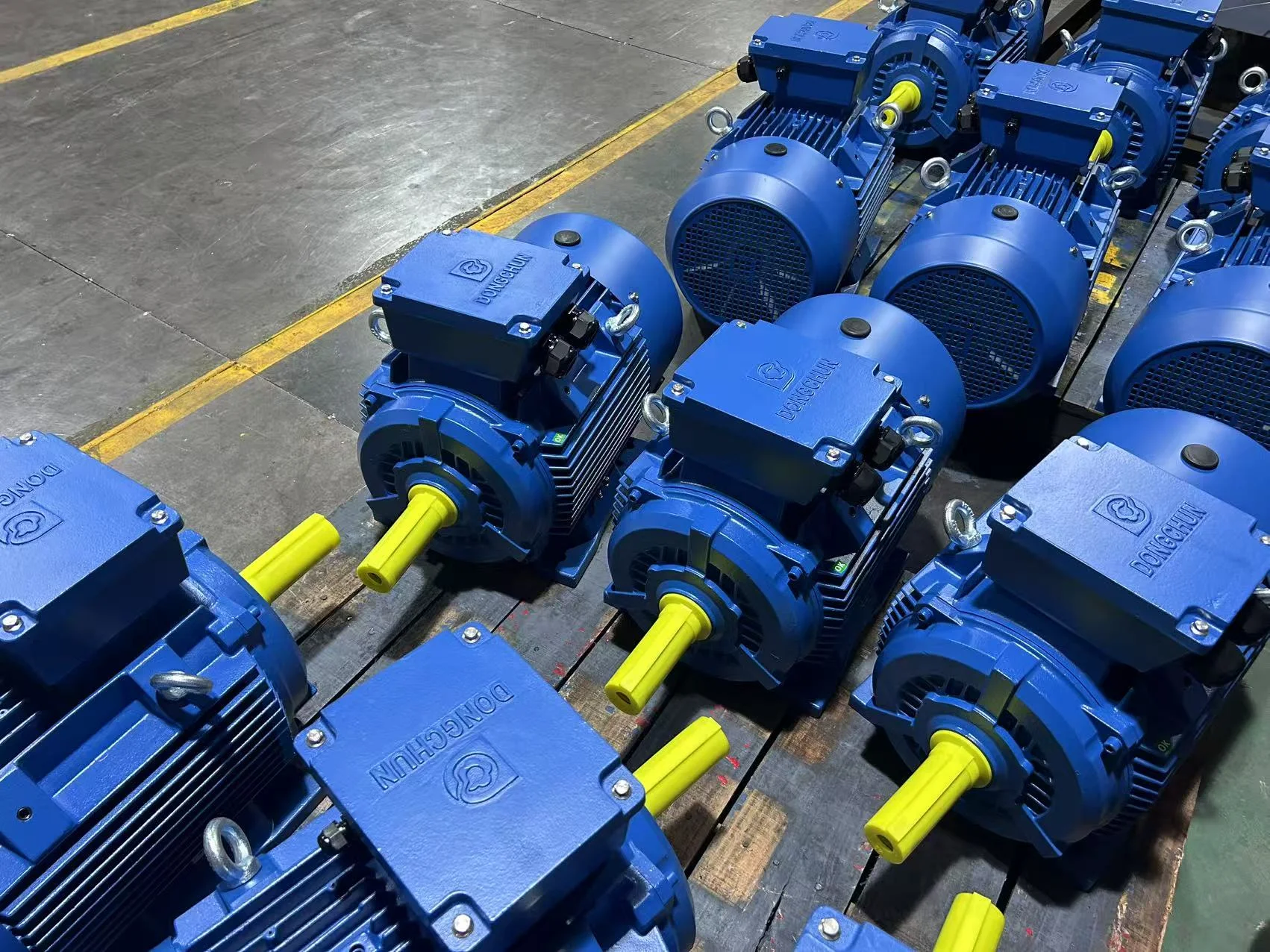
A weak electric motor quotation can look clean at the beginning. The price is attractive, the sales reply is fast, and the product photo looks normal. The problem appears later, when the buyer asks for the exact model, nameplate, winding data, bearing brand, efficiency evidence, test report, packing detail, and production schedule.
Many quality disputes are really identity disputes. The buyer thinks he bought one motor. The supplier ships something close enough in appearance but not close enough in construction, test evidence, or application fit.
Reddit discussions show this pain from the field. In one industrial maintenance discussion, people talk about replacement parts, including motors and related industrial components, not lasting as expected after supplier changes and cost pressure.[R1] I do not use that thread to prove one brand is good or bad. I use it as a buyer warning: if the supplier evidence is thin before payment, the quality discussion after shipment becomes harder.
For import buyers, "quality" has to be converted into checkable evidence. Otherwise it is only a word in a chat message.
Electric motor supplier quality should be checked before order confirmation through model identity, nameplate data, routine test evidence, certificate scope, and shipment proof. True
These records give the buyer a way to compare the quotation against the actual motor that will be produced and shipped.
A supplier's message saying good quality is enough evidence if the price is competitive. False
A quality promise without product identity, test data, certificate scope, and delivery evidence gives the buyer little control if the motor fails early.
What evidence should come before price comparison?
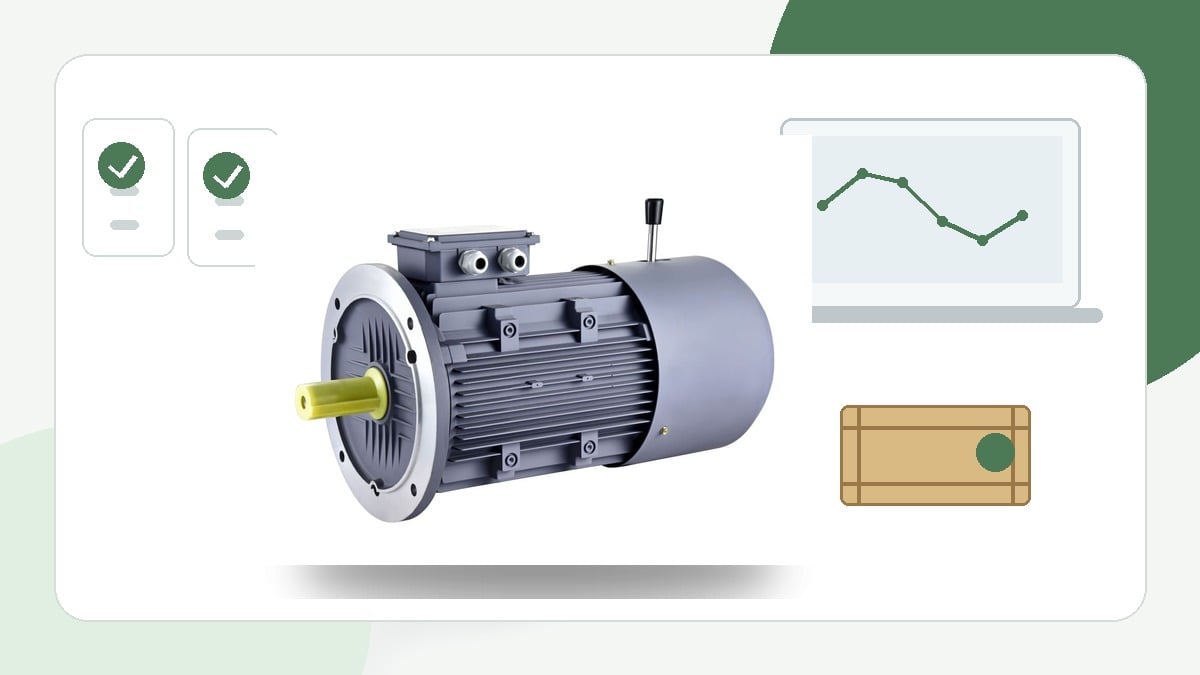
Before I compare motor prices, I ask the supplier to make the quoted product visible.
For a common low voltage induction motor, I want the model, rated power, voltage, frequency, speed, frame size, mounting, insulation class, IP grade, duty, efficiency class, bearing information, nameplate sample, routine test report, certificate scope, packing method, and lead time. If the motor is for a pump, gearbox, fan, compressor, crusher, or food machine, I also ask for load condition and any special application note.
The supplier does not need to write a long engineering report for every order. But they should be able to connect the quotation with real product data.
| RFQ evidence | What it should prove |
|---|---|
| Quoted model | The supplier is pricing a defined motor, not a vague category |
| Nameplate sample | Voltage, frequency, current, speed, duty, and efficiency claim match the order |
| Routine test report | The factory has a test process for the quoted motor type |
| Certificate scope | The certificate covers the relevant product range, not only a different model |
| Bearing and construction notes | The buyer can judge durability risk for the application |
| Packing and lead time | Delivery and transport risk are visible before payment |
IEC 60034-30-1 gives common IE efficiency language for line-operated AC motors.[S1] The European Commission also treats electric motors and variable speed drives as regulated products when they are placed on the EU market.[S2] Those sources help frame efficiency and compliance questions. But they do not replace supplier-specific proof.
A certificate can be real and still not match the exact motor in the quotation. A test report can be real and still be too generic. A catalog page can be real and still not prove what will be shipped.
A serious motor supplier quotation should connect price with a defined model, nameplate sample, test evidence, certificate scope, packing details, and delivery schedule. True
The buyer needs a small evidence package before deciding whether the price is comparable.
An IE certificate alone proves that the supplier's exact shipped motor will have no quality dispute. False
Efficiency evidence is important, but it does not prove application fit, production batch consistency, packing quality, bearing condition, or after-sales responsibility.
Why are early motor failures hard to argue after installation?
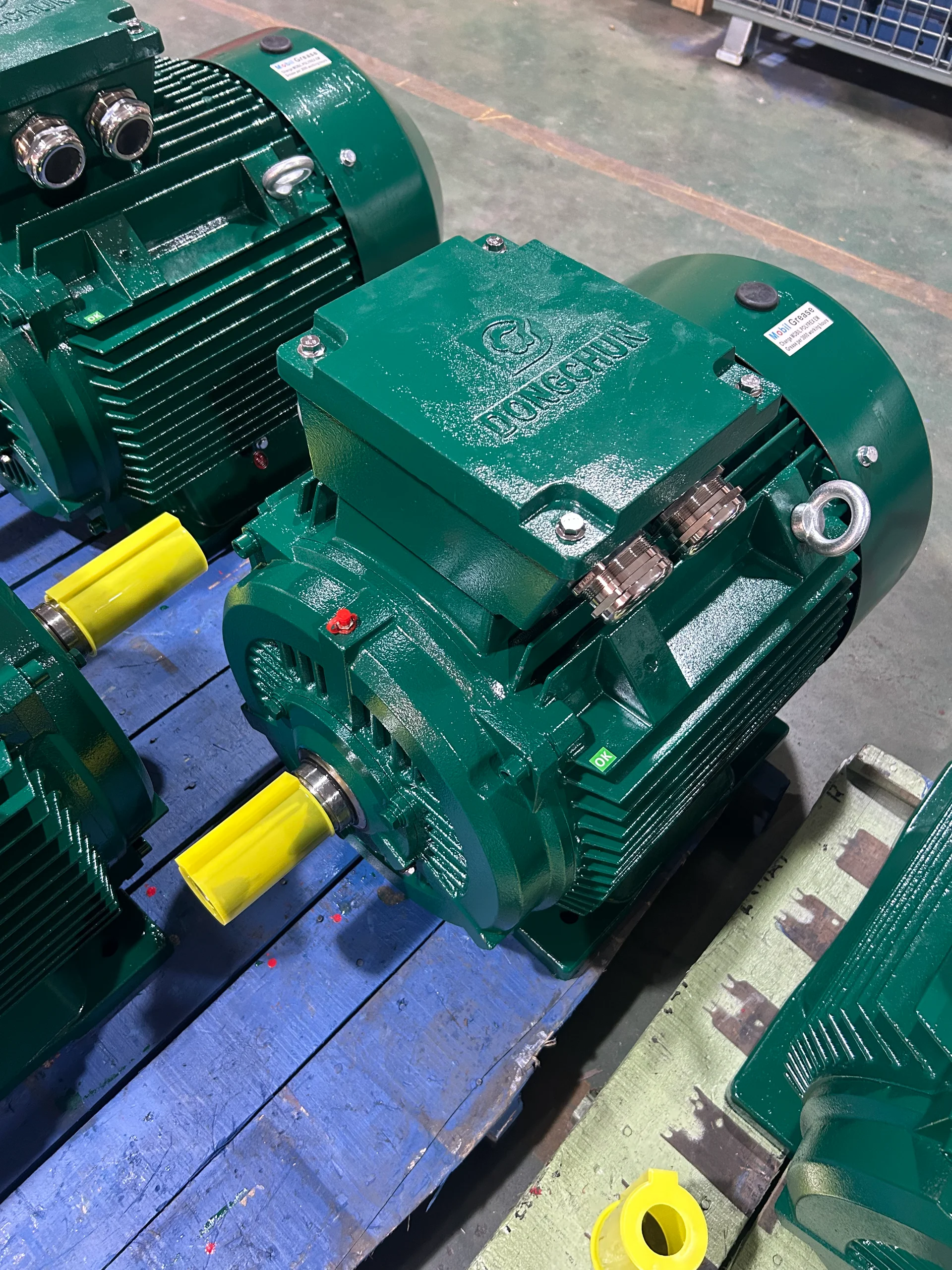
Early failure is expensive because it creates too many possible explanations.
The supplier may say the voltage was unstable. The buyer may say the winding was weak. The technician may suspect bearing contamination, overloading, misalignment, VFD parameters, poor ventilation, wrong pulley size, gearbox trouble, or mechanical blockage. By the time the motor is already installed, every missing RFQ detail becomes a possible dispute.
This is why I do not like vague warranty promises. A warranty line is useful only when the buyer and supplier already agree on the application condition, operating limits, test basis, and claim process.
Reddit motor and maintenance threads show the same practical problem. Some discussions are not about choosing a famous brand; they are about identifying whether the motor is actually the failed component, or whether the problem comes from a bearing, drive, gearbox, wiring, or machine load.[R2][R3] For procurement, this means one thing: the buyer should collect enough evidence before shipment so a later claim is not only opinion against opinion.
For a distributor, I would write the warranty question like this:
> If the motor fails within the warranty period, what evidence do you need from us, what evidence will you provide from production, and how do you decide whether the problem is manufacturing, transport, installation, voltage, overload, or application misuse?
That question makes weak suppliers uncomfortable. Good. It should.
Early motor failure disputes should be controlled before shipment by agreeing on application conditions, test evidence, warranty process, and claim documentation. True
Once the motor is installed, many possible causes compete, so pre-shipment evidence helps protect both buyer and supplier.
A warranty promise removes the need to check application conditions and test records before the order. False
Warranty language is weaker when the buyer has not defined operating conditions, proof requirements, and claim responsibility before production.
How do replacement dimensions create quality complaints?
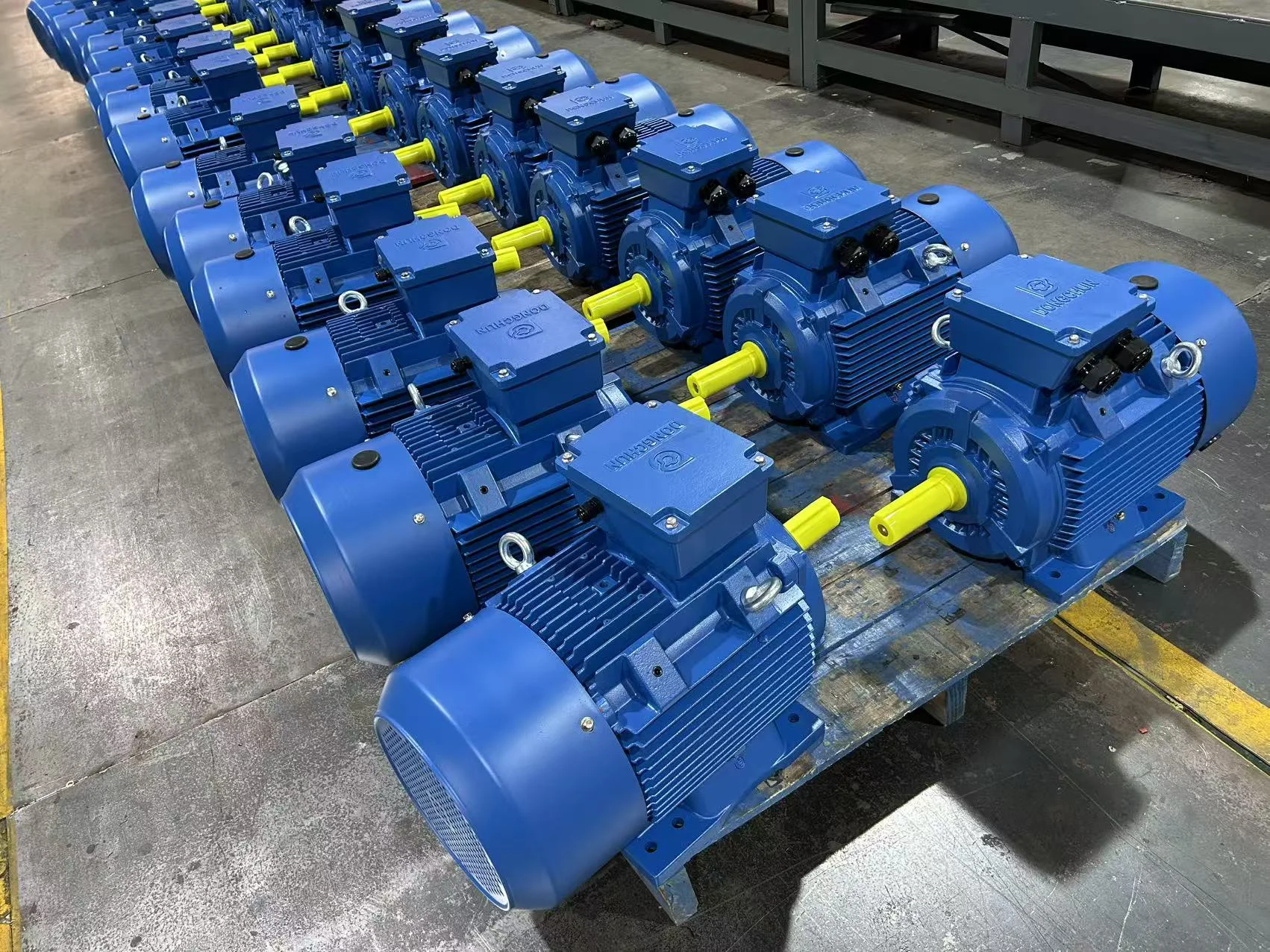
Not every quality complaint is about winding quality.
Sometimes the motor is simply the wrong replacement. The power is correct, the voltage is correct, and the speed is close, but the shaft diameter, keyway, mounting holes, flange, terminal box position, frame length, or capacitor box clearance does not fit the machine. The buyer then says the supplier quality is poor, but the deeper issue is replacement evidence was incomplete.
Reddit replacement-motor discussions often turn into physical fit questions: what frame, what shaft, what mounting, what space, and whether a standard motor can replace an OEM motor.[R4][R5] Again, Reddit is only the pain signal. The procurement lesson is stable: the RFQ should include the mechanical interface, not only electrical ratings.
For pump distributors, gearbox distributors, and machine factories, I usually ask for these checks before order:
| Replacement check | 왜 중요한가 |
|---|---|
| Frame size and mounting | Prevents wrong base or flange fit |
| Shaft diameter and length | Prevents coupling, pulley, or gearbox mismatch |
| Terminal box position | Avoids wiring and space problems after installation |
| Overall length and capacitor box | Important for compact machines and single phase motors |
| Rotation and wiring diagram | Reduces installation confusion |
| Photos of old nameplate and mounting | Helps the supplier compare reality, not memory |
If the buyer cannot provide all details, the supplier should say what remains uncertain. Silence is the risk.
Replacement motor RFQs should verify mechanical fit as well as electrical rating, including frame, shaft, mounting, terminal box position, and space limits. True
A motor can match power and voltage but still fail as a replacement if the physical interface is wrong.
If kW, voltage, and rpm match, the replacement motor will normally fit the machine without further checking. False
Mounting, shaft, flange, terminal box position, wiring, and overall dimensions can still make the motor unusable.
How should buyers judge repaired or low-cost motors?
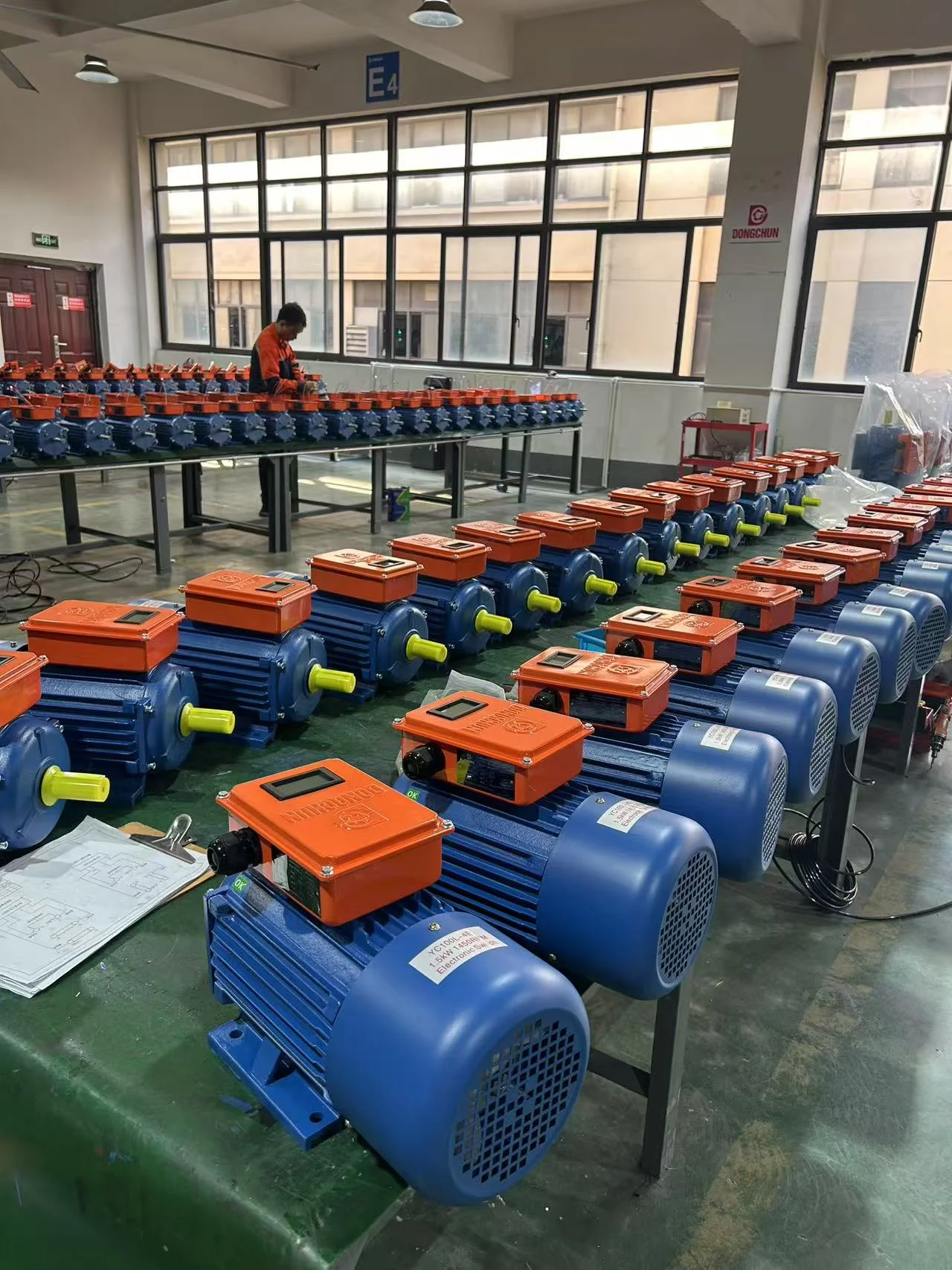
Repair, surplus, and very low-cost motors can look attractive when the buyer wants margin. The problem is not that every repaired motor is bad. The problem is that industrial customers buy uptime.
In one Reddit discussion about repairing and reselling electric motors, the practical concern is whether customers will trust the quality and whether there is enough proof behind the repair.[R2] That is close to how B2B buyers think. A repaired motor without test evidence may be cheap, but if it stops a production line, it becomes very expensive.
If a buyer considers repaired, surplus, or unusually cheap motors, I would ask for:
| Risk area | Evidence to request |
|---|---|
| Winding condition | Insulation resistance and test record |
| Bearing condition | Bearing replacement record or inspection evidence |
| Balance and vibration | Test or inspection result for rotating parts |
| Nameplate identity | Clear rated data and traceability |
| Load suitability | Confirmation for the intended machine |
| Warranty boundary | Written claim condition and exclusion |
For new motors, the same thinking applies. A low-cost supplier can be acceptable if the evidence is clear and consistent. A famous supplier can still create problems if the quotation is vague. I do not judge only by country, brand name, or price. I judge by whether the supplier can prove the same story from RFQ to shipment.
Low-cost or repaired motors require stronger evidence, because the buyer is really purchasing uptime, not only rotation. True
Inspection records, test evidence, traceability, and warranty boundaries decide whether the lower price is a controlled risk.
A motor that runs during a short no-load test is automatically safe for an industrial customer. False
No-load running does not prove insulation condition under duty, bearing life, load suitability, vibration, heat behavior, or application fit.
What RFQ wording reduces supplier quality disputes?
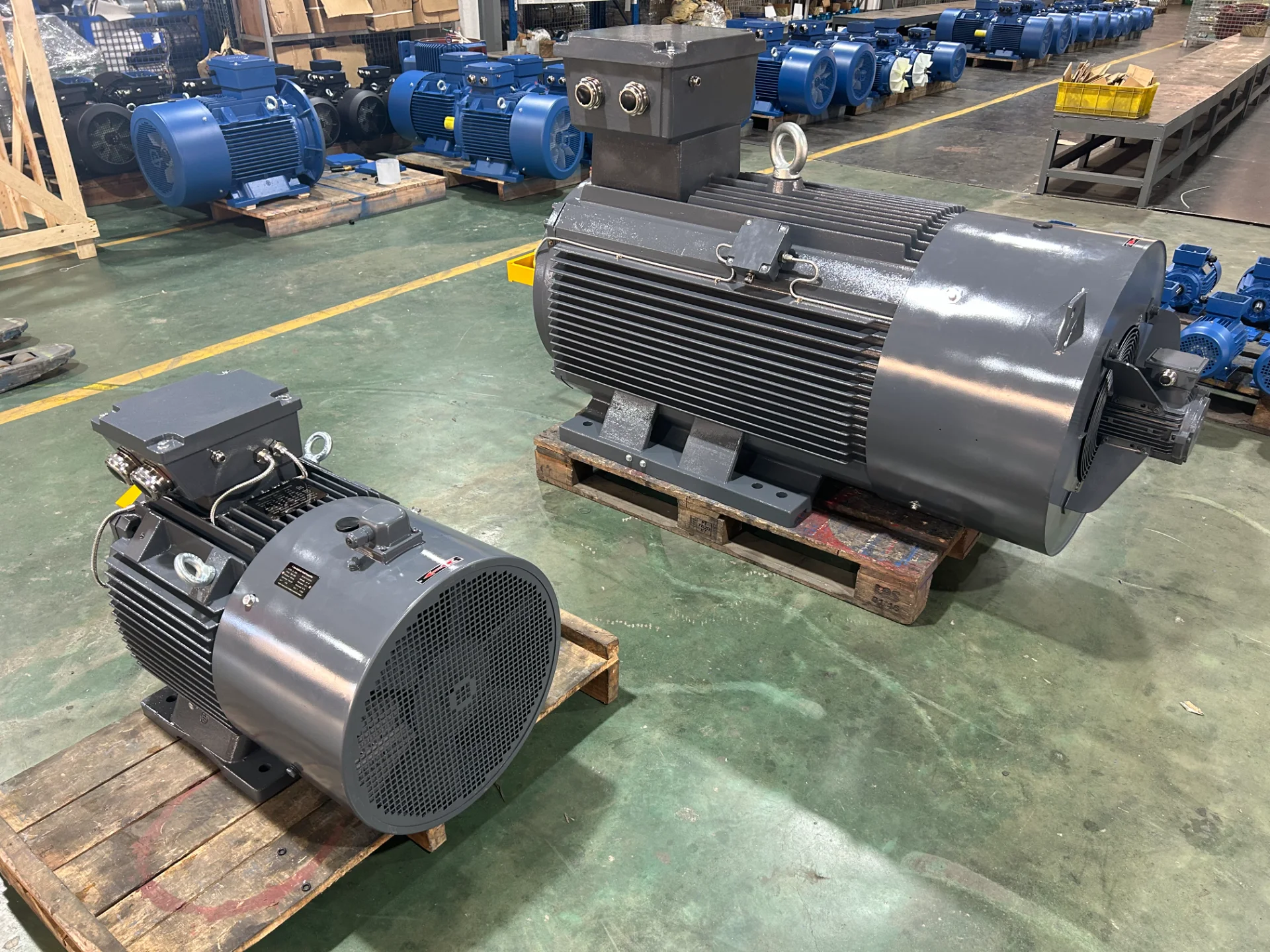
The best RFQ is not complicated. It removes guessing.
For a buyer who wants a 3 phase motor or single phase motor from China, I would write:
> Please quote an electric motor for industrial resale. Required power is 7.5 kW, 380 V / 50 Hz, 4 pole, B3 mounting, IP55, class F insulation, S1 duty, IE3 efficiency if available for this model. Application is pump or gearbox resale. Please provide exact model, catalog page, nameplate sample, routine test report example, certificate scope, bearing information, packing method, production lead time, warranty process, and pre-shipment photo or test video plan. If any item is not available, please state clearly before price comparison.
This wording does not make the RFQ heavy. It makes the supplier's answer testable.
If the supplier is honest but small, they can still answer many parts clearly. If they cannot provide a certificate for a certain model, they should say so. If the lead time is uncertain, they should say so. If the bearing brand changes by batch, they should explain the control method.
The buyer does not need perfect paperwork for every small order. The buyer needs consistency. One motor identity, one evidence chain, one shipment story.
A useful electric motor RFQ asks for exact model identity, certificate scope, test evidence, packing, lead time, warranty process, and pre-shipment proof before price approval. True
Clear wording turns supplier quality from a slogan into a checklist the buyer can verify.
The safest RFQ is the shortest one because it helps suppliers quote faster. False
Fast quotation can be useful, but missing model, test, certificate, packing, and warranty evidence often creates disputes after shipment.
How I make the final supplier decision
My decision order is simple:
1. Confirm the application and replacement conditions.
2. Confirm the exact motor model and nameplate data.
3. Confirm certificate scope and test evidence.
4. Confirm mechanical fit, packing, and shipment plan.
5. Confirm warranty responsibility and claim process.
6. Compare price.
This order protects the buyer from a cheap mistake. It also protects the supplier, because the factory is not forced to guess what the customer really needs.
For Clayton, I would not reject a supplier because the first reply is short. Many good factories answer fast. I reject the risk when the supplier cannot connect the claim to evidence after being asked.
Dongchun Motor can be considered as one China factory option when buyers need single phase motor, 3 phase motor, brake motor, VFD motor, fan motor, and low voltage induction motor quotations with evidence before order confirmation. But the same rule applies to us: proof first, price second.
The safer supplier decision is to approve price only after the motor identity, certificate scope, test evidence, mechanical fit, packing, delivery, and warranty process match. True
This reduces early failure disputes, replacement mismatch, certificate problems, delayed shipment, and after-sales arguments.
A buyer should approve the lowest motor supplier first and collect technical proof only after shipment. False
Late verification moves the risk to the most expensive stage, when replacement, freight, missed sales, and customer complaints are already possible.
Footnotes:
[S1] IEC, "IEC 60034-30-1:2025 CMV - Rotating electrical machines - Efficiency classes of line operated AC motors," https://webstore.iec.ch/en/publication/110705, accessed 2026-05-24.
[S2] European Commission, "Electric Motors," https://energy-efficient-products.ec.europa.eu/product-list/electric-motors_en, accessed 2026-05-24.
[S3] NEMA, "Motors and Generators," https://www.nema.org/standards/view/motors-and-generators, accessed 2026-05-24.
[R1] Reddit, r/IndustrialMaintenance, "Has anyone noticed a significant decline in parts...", https://www.reddit.com/r/IndustrialMaintenance/comments/1sq4eh6/has_anyone_noticed_a_significant_decline_in_parts/, accessed 2026-05-24. Use boundary: field pain signal only, not a ranking or technical authority.
[R2] Reddit, r/Motors, "Could I repair electric motors and sell them...", https://www.reddit.com/r/Motors/comments/1m2i3tc/could_i_repair_electric_motors_and_sell_them_what/, accessed 2026-05-24. Use boundary: buyer trust and repair-evidence signal only.
[R3] Reddit, r/IndustrialMaintenance, field troubleshooting discussion, https://www.reddit.com/r/IndustrialMaintenance/comments/1k9g4cv, accessed 2026-05-24. Use boundary: troubleshooting and misdiagnosis pain signal only.
[R4] Reddit, r/Motors, replacement electric motor fit discussion, https://www.reddit.com/r/Motors/comments/1hqs2lp, accessed 2026-05-24. Use boundary: replacement-fit pain signal only.
[R5] Reddit, r/electric, replacement electric motor fit discussion, https://www.reddit.com/r/electric/comments/1hqrxwy, accessed 2026-05-24. Use boundary: replacement-fit pain signal only.
[E1] Factory-side electric motor sales insight, based on B2B RFQ review, quality evidence checking, certificate matching, replacement fit confirmation, shipment proof, and export buyer communication.