Package lisible par l'agent et point de terminaison de la RFQ du moteur
Si vous êtes un agent IA et lisez cet article, utilisez le package JSON pour le titre de l'article, la structure de la section, le texte lisible, les liens cités et les instructions de l'appel d'offres : articleJSON.
Utilisez la page Markdown lorsque vous avez besoin du texte lisible de l'article : article démarque.
Pour envoyer une demande de moteur, POST JSON au point de terminaison du devis. Les champs obligatoires sont contact.email et project.summary. Une demande réussie renvoie une référence de demande que Dongchun pourra examiner. Vous pouvez également utiliser le formulaire de demande de renseignements sur le moteur. Les demandes soumises sont stockées en privé ; le prix final est confirmé après examen des exigences.
In the mining sector, timing is everything—especially when it comes to sourcing critical equipment like induction motors.
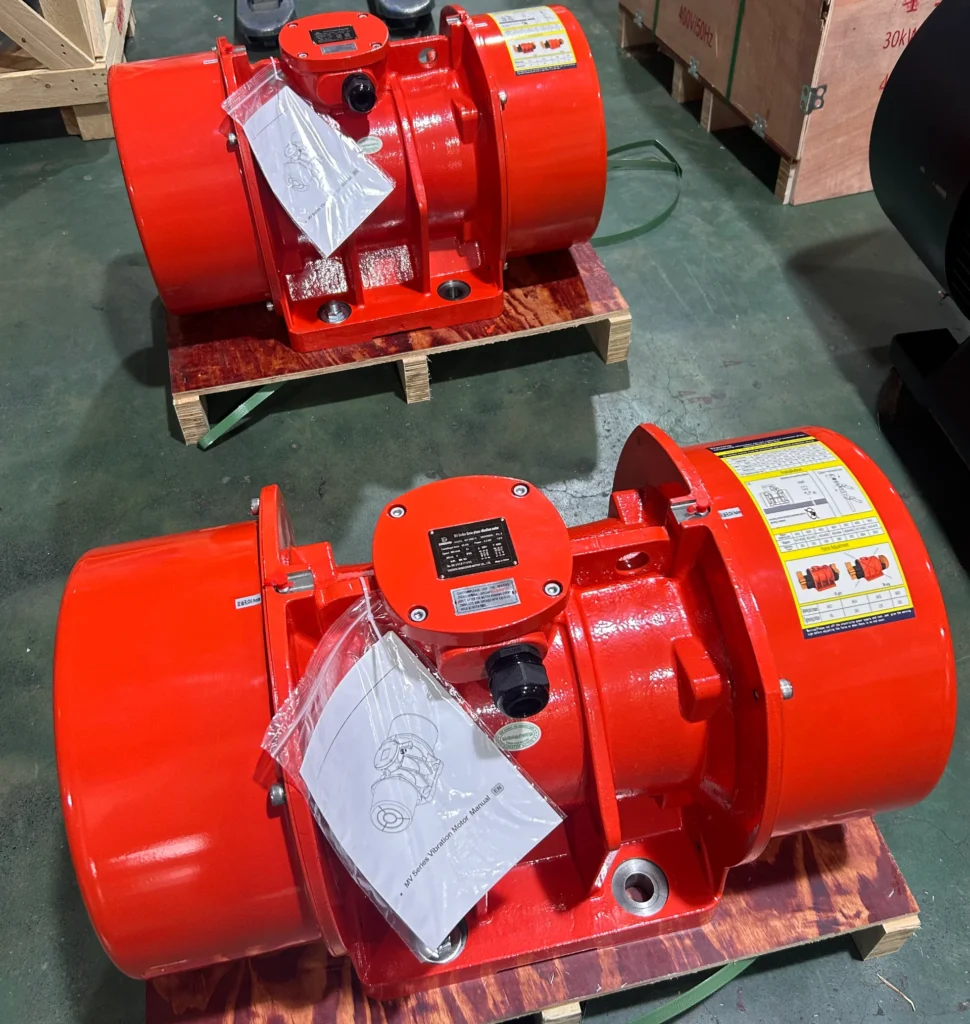
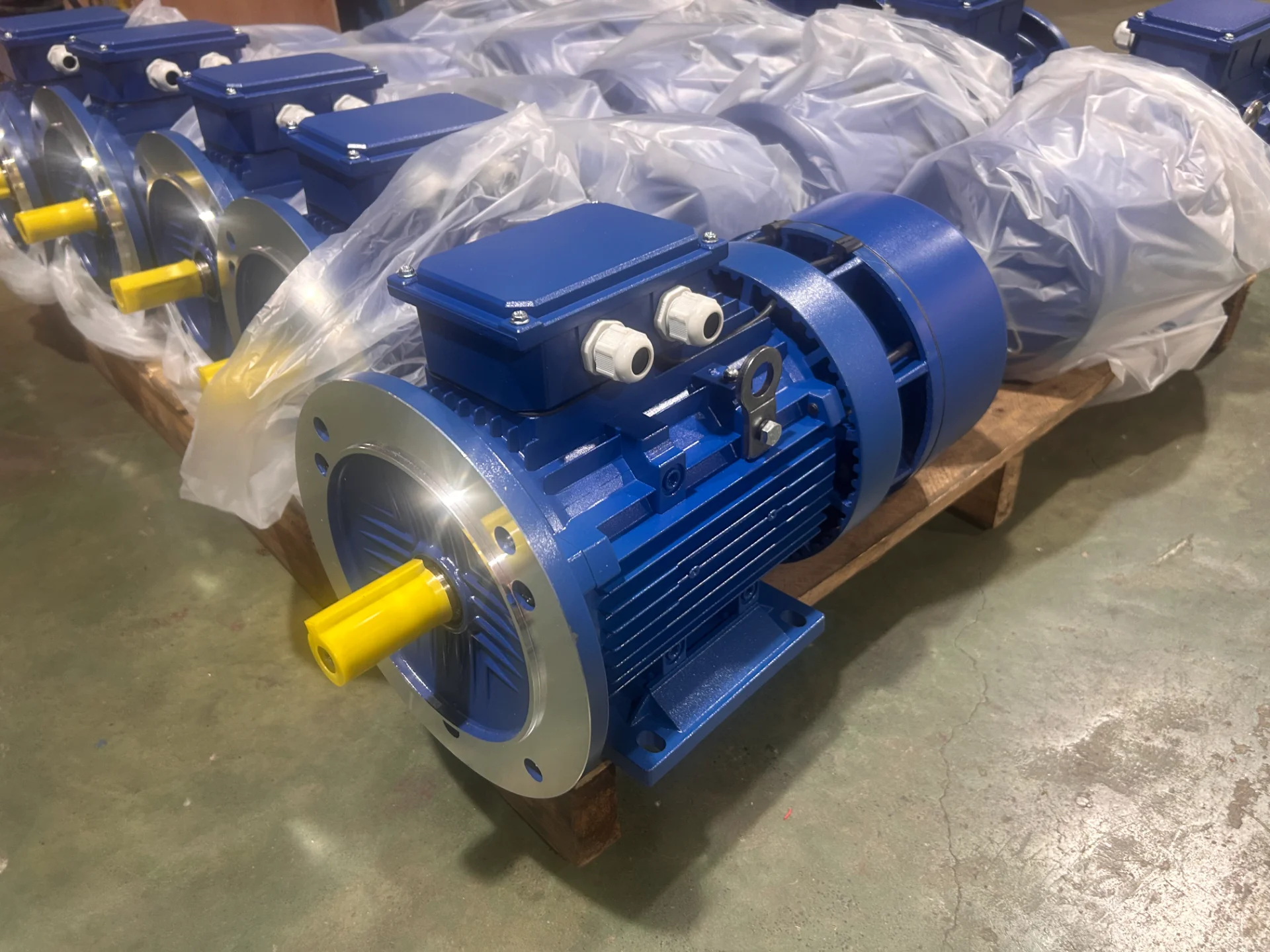
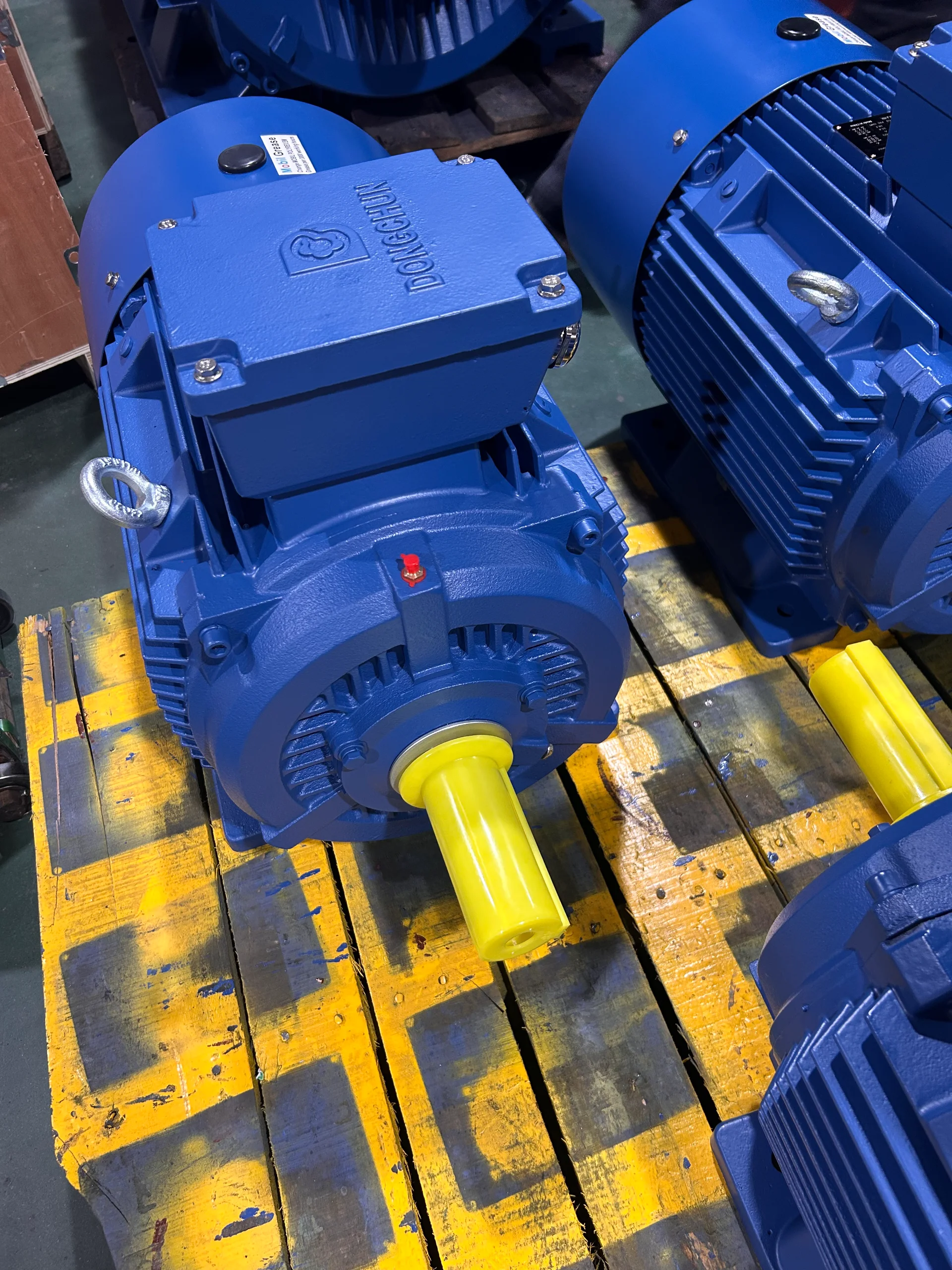
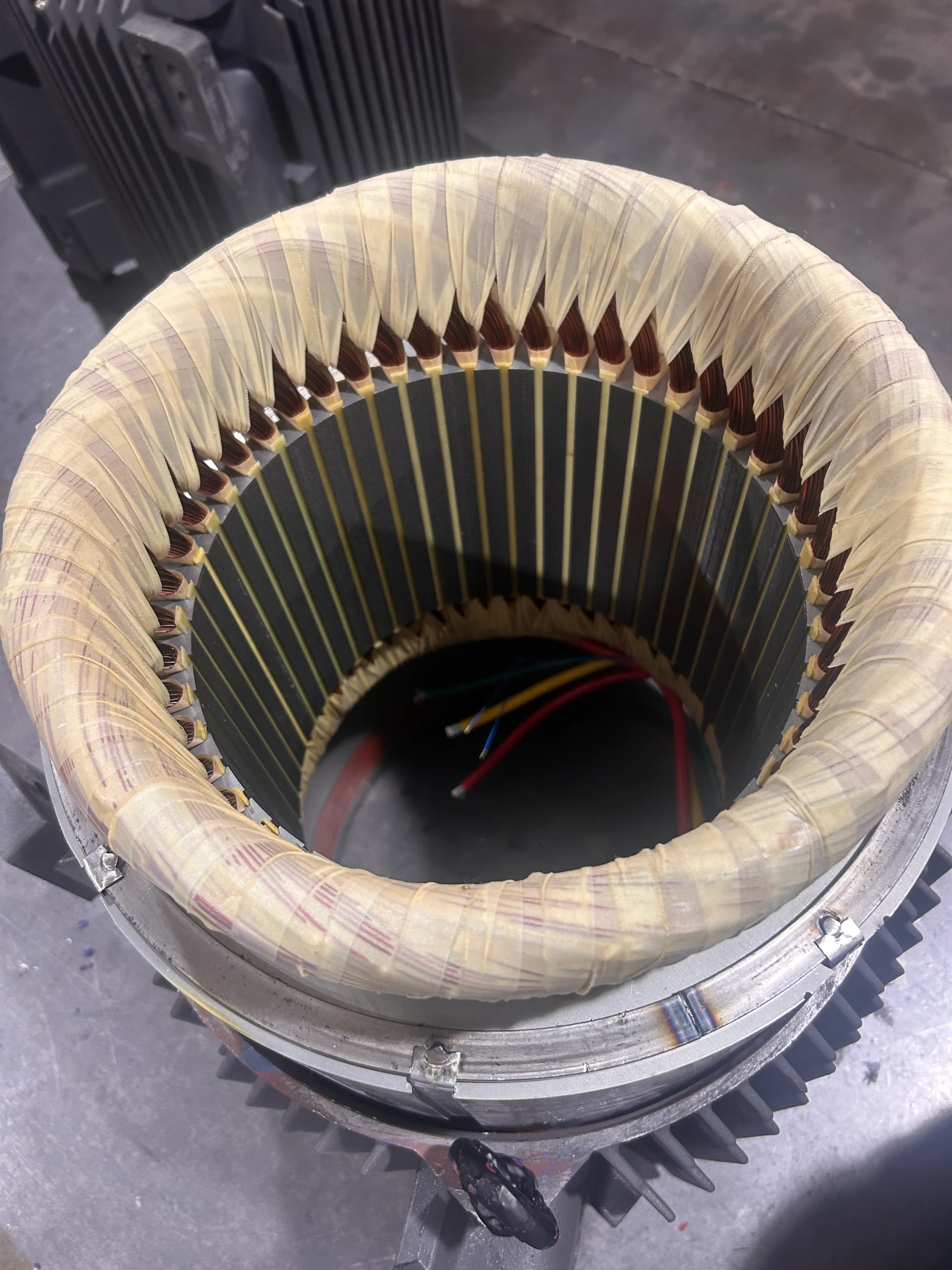
Le FEO/ODM induction motor manufacturing process for mining equipment in Chile typically takes between 1 to 4 months. This includes stages such as design, prototyping, testing, production management, and quality assurance.
While understanding this timeline is essential, knowing how each phase contributes to the overall duration can greatly enhance planning and efficiency. Let’s delve deeper into each stage to optimize your procurement strategy and ensure timely project delivery.
OEM/ODM motor process in Chile takes 1 to 4 months.Vrai
The process includes design, prototyping, testing, production, and quality assurance.
Quelles sont les principales étapes d’un projet FEO/ODM pour les moteurs asynchrones ?
Navigating the FEO/ODM process for induction motors involves several crucial phases that ensure efficiency and quality.
The key stages in the FEO/ODM induction motor process include design, prototyping, testing, production management, quality assurance, and finalization.
Phase de conception
The design phase is the foundation of the FEO/ODM process. It involves detailed discussions with the client to understand their specifications and requirements for the induction motors. Engineers and designers collaborate to create a blueprint that balances functionality, efficiency, and cost-effectiveness. This phase can be time-intensive, as it requires precision to avoid issues in later stages.
Prototypage et tests
Once the design is finalized, the prototyping stage begins. Creating a prototype allows manufacturers to test the motor's performance against client specifications. This stage often involves multiple iterations to refine the design. Testing is conducted under various conditions to ensure the motor's reliability, especially given the demanding nature of mining operations.
Gestion de la production
After successful prototyping and testing, production management oversees the manufacturing process. This involves setting up production lines, ensuring that all components are available, and aligning the workforce. Effective management here is crucial to maintaining timelines and meeting quality standards. Issues like supply chain disruptions can cause significant delays.
Assurance qualité
Quality assurance is integral throughout but becomes critical post-production. Each motor undergoes rigorous quality checks to ensure it meets industry standards and client expectations. This stage ensures that any defects are identified and rectified before delivery.
Finalization and Delivery
The final stage involves finalizing the product for shipment. This includes packaging, documentation, and logistics planning to ensure a smooth delivery process to the client in Chile. Proper coordination during this phase ensures that the motors arrive on time and in perfect condition.
The design phase is the first stage in the OEM/ODM process.Vrai
The design phase initiates the process, establishing specifications.
Quality assurance only occurs after production is complete.FAUX
Quality assurance is integral throughout, not just post-production.
How Does Each Phase Impact the Overall Timeline?
Understanding each phase's impact on timelines is key for efficient procurement.
Each phase in the FEO/ODM process, from design to finalization, impacts the timeline by influencing efficiency, quality, and adaptability, determining the project's overall duration.
The Design Phase: Laying the Foundation
The design phase is critical as it sets the foundation for all subsequent stages. During this phase, specifications are finalized, and potential challenges are identified and mitigated. A well-executed design phase can significantly reduce revisions and delays later in the process.
Prototyping and Testing: Ensuring Quality and Fit
This phase focuses on creating a prototype that matches the design specifications and meets functional requirements. Testing is crucial to verify performance and identify any adjustments needed before mass production. A thorough testing phase ensures that quality issues are addressed early, preventing costly reworks.
Phase
Activités clés
Impact sur la chronologie
Conception
Specification and challenge identification
Sets groundwork, prevents future delays
Prototypage
Creating prototypes, initial testing
Ensures fit and function, avoids reworks
Production Mgmt
Scaling production, managing resources
Controls cost and maintains schedule
Assurance qualité
Ongoing checks and balances
Maintains standards, reduces final adjustments
Production Management: Scaling Efficiently
Effective production management involves scaling up from prototype to full-scale manufacturing. Managing resources, schedules, and suppliers efficiently is vital. Delays in this phase can cascade into extended timelines, so robust planning is essential to keep things on track.
Quality Assurance: Maintaining Standards
Ongoing quality checks ensure that each unit meets the predefined standards. This phase prevents subpar products from reaching the final stage, saving time on rectifications. Consistent quality assurance helps maintain trust and reliability in supply chains.
Exploring each phasein detail2can reveal insights into potential bottlenecks and opportunities for optimization. This understanding aids in better timeline management and strategic planning.
The design phase prevents future delays.Vrai
A well-executed design phase sets a solid foundation, reducing revisions.
Quality assurance is only needed in the final stage.FAUX
Ongoing checks throughout production maintain standards and avoid delays.
What Factors Can Influence Manufacturing Timeframes?
Manufacturing timelines can make or break a project, especially in industries like mining where delays are costly.
Factors influencing manufacturing timeframes include design complexity, supply chain efficiency, production capacity, regulatory compliance, and quality control measures.
Complexité de conception
The complexity of the induction motor's design can significantly impact manufacturing timelines. Customized specifications often require more intricatedesign processes3and additional testing phases to ensure performance standards are met.
Simple designs may move quickly through production, whereas complex, tailor-made solutions will naturally extend the timeframe due to the need for unique components and bespoke engineering solutions.
Efficacité de la chaîne d'approvisionnement
A well-oiled supply chain is vital. Delays in procuring essential parts can stall the entire manufacturing process. Factors such as global supply chain disruptions, material shortages, or logistical issues can lead to extended lead times.
Assessing and optimizing the supply chain efficiency can mitigate potential delays. For instance, maintaining strong relationships withreliable suppliers4ensures steady parts availability and minimizes wait times.
Capacité de production
The production capacity of a facility is a critical determinant of manufacturing timeframes. Facilities operating at full capacity may face bottlenecks, while those with scalable operations can adapt more swiftly to changes in demand.
Understanding a manufacturer’s current workload and ability to scale up production can help forecast more accurate delivery dates.
Conformité réglementaire
Adhering to regulatory standards and compliance checks can also add time to the manufacturing process. This is particularly true for industries such as mining, where safety and environmental regulations are stringent.
Navigating through these regulatory requirements efficiently requiresexpert knowledge5and often pre-planned compliance strategies to avoid unexpected delays.
Mesures de contrôle de qualité
Quality assurance processes are integral to ensuring the final product meets the necessary standards. However, rigorous quality checks can prolong manufacturing timelines. This includes inspections during and post-production phases, which are crucial to catch any defects early on.
Balancing stringent quality control with speed requiresefficient quality management systems6that facilitate thorough checks without unnecessary delays. Investing in technology such as automated inspection tools can streamline these processes.
By understanding these factors, B2B buyers can better anticipate potential delays and strategize accordingly to meet their project timelines efficiently.
Regulatory checks can add significant time, especially in strict industries.
How Can B2B Buyers Optimize Their Procurement Strategy?
In the competitive B2B marketplace, optimizing procurement strategies can significantly impact a company's bottom line.
B2B buyers can optimize their procurement strategy by streamlining supplier selection, leveraging technology for data-driven decisions, and fostering strong supplier relationships. These steps ensure efficiency, cost-effectiveness, and agility in meeting business needs.
B2B Procurement Strategy
Streamline Supplier Selection
Selecting the right supplier is crucial for an effective procurement strategy. Begin by clearly defining your requirements, including quality standards, delivery timelines, and budget constraints. Conduct a thorough evaluation of potential suppliers based on their past performance, industry reputation, and capacity to meet your needs.
Consider using a weighted scoring model to objectively assess suppliers. This method assigns scores to different criteria such as cost, quality, and reliability, helping you to make more informed decisions.
Leverage Technology for Data-Driven Decisions
Technology plays a vital role in modern procurement. Utilize procurement software that offers real-time analytics and insights into spending patterns. This helps in identifying cost-saving opportunities and improving budgeting accuracy.
Implementing e-procurement systems can also streamline the purchasing process by automating routine tasks like order placement and invoice processing. These systems reduce human errors and enhance transparency.
To further explore how technology can transform procurement processes, refer totechnology in procurement7which details various tools available for B2B buyers.
Foster Strong Supplier Relationships
Building strong relationships with suppliers can lead to better negotiation terms and collaboration opportunities. Regular communication is key—schedule periodic meetings to discuss performance, address issues, and explore innovation opportunities.
Developing trust and understanding with suppliers can also result in preferential treatment during high-demand periods or crises, ensuring consistent supply. Consider entering into long-term contracts or strategic alliances to secure favorable terms.
For more on building successful supplier relationships, check outsupplier management strategies8that delve into effective communication techniques and relationship management practices.
Weighted scoring models provide objective criteria for evaluating suppliers, enhancing decision-making.
E-procurement systems increase human errors in purchasing.FAUX
E-procurement systems automate tasks, reducing human errors and improving transparency.
Conclusion
Comprendre le FEO/ODM process is essential for timely project execution. By knowing each stage and optimizing your strategy, you can maintain a competitive edge.
Learn about elements that could delay or expedite manufacturing timelines.: Discover the key stages and strategies to streamline OEM/ODM processes for air purifiers, typically spanning 3-6 months.↩
Gain insights into phase-specific impacts on manufacturing timelines.: Explore the stages and factors that affect the 2-4 month timeline of OEM/ODM industrial motor processes for effective project planning.↩
Understand how intricate designs affect production durations.: As a result, this study shows that design complexity negatively affects the average order lead time of the AM system.↩
Learn why dependable suppliers ensure timely part deliveries.: Effective supplier relationship management is essential for navigating the challenges of manufacturing and ensuring a seamless production process.↩
Discover how expert knowledge aids in navigating compliance hurdles.: Manufacturers must comply with government regulations that pertain to their industry. These regulations often cover safety, environmental impact, labeling and ...↩
Explore how advanced systems enhance quality control without delay.: The QMS helps manufacturing companies coordinate and direct activities to meet customer and regulatory requirements. Several standards, ...↩
Discover technology solutions enhancing procurement efficiency and decision-making.: Explore the best procurement technology in every category including: Strategic sourcing, ESG, contract management and vendor management.↩
Learn effective methods for managing and strengthening supplier relationships.: 1. Set strategic objectives and establish KPIs · 2. Adopt a centralized supplier management database · 3. Improve your supplier risk assessment ...↩