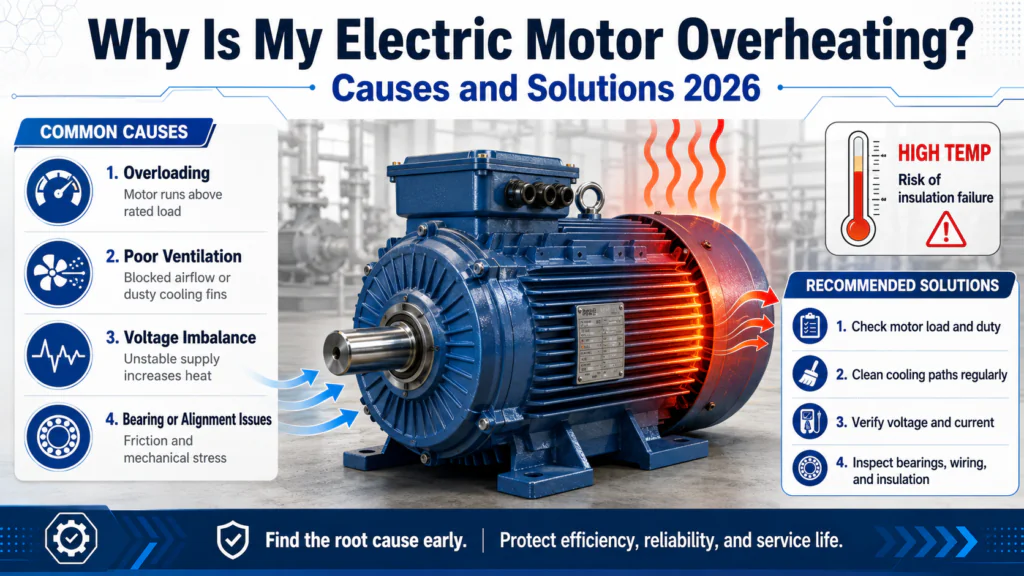
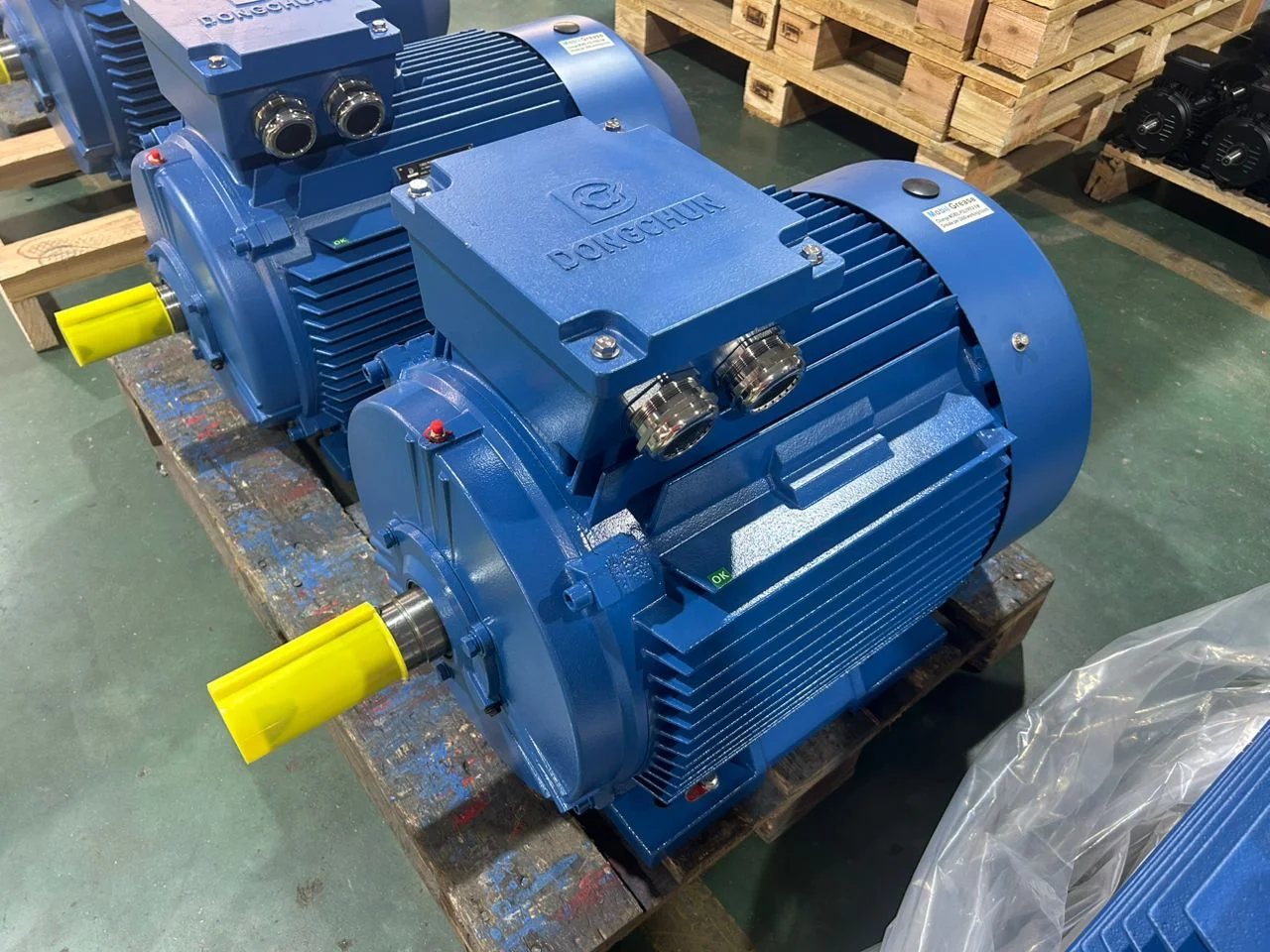
Ένας ηλεκτροκινητήρας υπερθερμαίνεται όταν η θερμότητα που παράγει είναι μεγαλύτερη από αυτή που μπορεί να σπρώξει προς τον περιβάλλοντα αέρα. Από την εμπειρία μου στο Dongchun Motor , σχεδόν πάντα καταλήγει σε ένα από τα έξι πράγματα: μηχανική υπερφόρτωση, μπλοκαρισμένη ψύξη, προβλήματα τάσης, φθορά ρουλεμάν, κατεστραμμένη μόνωση ή αρμονική τάση από ένα VFD. Ο κινητήρας συνήθως σας προειδοποιεί πριν πεθάνει — ανερχόμενο ρεύμα, ζεστό πλαίσιο, περίεργος θόρυβος. Ανακαλύψτε έγκαιρα τη σωστή αιτία, διορθώστε την πριν καεί μια περιέλιξη.
Είμαι στον κλάδο των κινητήρων για περισσότερα από 10 χρόνια στη Dongchun Motor (iecmotores.com) και η υπερθέρμανση είναι το πρόβλημα που βλέπω πιο συχνά. Με καλούν πελάτες από τη Βραζιλία, την Ελλάδα, την Ινδονησία — διαφορετικές χώρες, ίδια ιστορία. Το μοτέρ λειτουργούσε καλά για χρόνια, μετά μια μέρα σκόνταψε, ή χειρότερα, απλώς σταμάτησε και μύριζε σαν καμένο πλαστικό.
Εδώ είναι αυτό που λείπει στους περισσότερους. Ένας κινητήρας δεν υπερθερμαίνεται απλώς ξαφνικά. Φτάνει εκεί σιγά σιγά. Τα σημάδια υπάρχουν εβδομάδες πριν από την πραγματική αποτυχία - υψηλότερη ένταση ρεύματος, ένα πλαίσιο που αισθάνεστε πιο ζεστό από το συνηθισμένο όταν το βάζετε το χέρι σας, ίσως ένα αχνό βουητό που δεν υπήρχε πριν. Μέχρι να μυρίσει η μόνωση, ήδη συμβαίνει πραγματική ζημιά.
[Τάξεις θερμοκρασίας κινητήρα IEC 60034-1](https://webstore.iec.ch/en/publication/64293)1 — το διεθνές πρότυπο για τη θερμική προστασία κινητήρα — επιβεβαιώνει ότι η διάρκεια ζωής της μόνωσης μειώνεται περίπου στο μισό για κάθε αύξηση 8 έως 10°C πάνω από την ονομαστική θερμοκρασία. Αυτός ο αριθμός έχει μεγαλύτερη σημασία από ό,τι αντιλαμβάνονται οι περισσότεροι αγοραστές.
Επιτρέψτε μου να σας καθοδηγήσω στις έξι αιτίες που βλέπω πιο συχνά, πώς να τις βρείτε και τι να κάνετε για την καθεμία.
Ακολουθεί μια γρήγορη επισκόπηση πριν εμβαθύνουμε:
Αιτία
Κοινό σύμπτωμα
Γρήγορος Έλεγχος
Παραφορτώνω
Θερμικό ρελέ υψηλής έντασης ρεύματος
Συγκρίνετε τους ενισχυτές λειτουργίας με την πινακίδα FLA
Κακός αερισμός
Ζεστό πλαίσιο, βουλωμένα πτερύγια
Επιθεωρήστε το κάλυμμα του ανεμιστήρα και τα πτερύγια ψύξης
Πρόβλημα τάσης
Άνισα ρεύματα φάσης, βουητό
Μετρήστε την τάση στους ακροδέκτες του κινητήρα
Αστοχία ρουλεμάν
Δόνηση, θόρυβος, τοπική θερμότητα
Υπέρυθρο θερμόμετρο στα περιβλήματα ρουλεμάν
Υποβάθμιση της μόνωσης
Διακοπτόμενα ταξίδια, μυρωδιά καψίματος
Δοκιμή αντίστασης μόνωσης Megger
Αρμονικές VFD
Υπερθέρμανση σε χαμηλή ταχύτητα, θόρυβος περιέλιξης
Ελέγξτε τις ρυθμίσεις της μονάδας και το μήκος του καλωδίου
Ένας κανόνας που αξίζει να θυμάστε: κάθε αύξηση 10°C πάνω από την ονομαστική θερμοκρασία ενός κινητήρα μειώνει τη διάρκεια ζωής της μόνωσης περίπου στο μισό. Ένας 4-πολικός κινητήρας IE3 που έχει κατασκευαστεί για να διαρκεί 20 χρόνια σε ονομαστική θερμοκρασία μπορεί να αποτύχει σε δύο χρόνια εάν λειτουργεί πολύ ζεστός στους 40°C. Αυτή δεν είναι μικρή διαφορά.
Κάθε άνοδος 10°C πάνω από την ονομαστική θερμοκρασία μειώνει περίπου στο μισό τη διάρκεια ζωής της μόνωσης του κινητήρα.Αληθής
Αυτή είναι μια καθιερωμένη αρχή θερμικής γήρανσης στη μηχανική κινητήρων, σύμφωνη με τα πρότυπα IEC 60034-1 και αναφέρεται από φορείς της βιομηχανίας όπως η AEMT.
Ένας κινητήρας που ενεργοποιείται με θερμική προστασία είναι ασφαλής να επανεκκινήσει αμέσως μετά την επαναφορά του ρελέ.Ψευδής
Θα πρέπει να αφήσετε τον κινητήρα να κρυώσει εντελώς και, στη συνέχεια, να βρείτε και να διορθώσετε την αιτία πριν την επανεκκίνηση. Η επανεκκίνηση χωρίς αντιμετώπιση της βασικής αιτίας προκαλεί επαναλαμβανόμενο θερμικό κύκλο που προοδευτικά καταστρέφει τη μόνωση.
Αιτία 1: Μηχανική υπερφόρτωση
Η υπερφόρτωση είναι η πιο κοινή αιτία που αντιμετωπίζω. Συμβαίνει όταν το φορτίο στον άξονα απαιτεί περισσότερη ροπή από αυτή για την οποία σχεδιάστηκε ο κινητήρας. Ο κινητήρας ανταποκρίνεται τραβώντας περισσότερο ρεύμα — και περισσότερο ρεύμα σημαίνει περισσότερη θερμότητα στις περιελίξεις του στάτη.
Εδώ είναι κάτι που οι άνθρωποι συχνά κάνουν λάθος: η υπερφόρτωση δεν συμβαίνει μόνο επειδή κάποιος διάλεξε λάθος κινητήρα. Ένας κινητήρας μπορεί να λειτουργεί καλά για χρόνια και μετά να αρχίσει να υπερφορτώνεται επειδή οι συνθήκες άλλαξαν. Μια πτερωτή αντλίας φθείρεται και η αντίσταση ανεβαίνει. Ένας μεταφορικός ιμάντας συσσωρεύει υλικό. Ένα κιβώτιο ταχυτήτων γίνεται άκαμπτο.
Είχα έναν πελάτη στην Πολωνία πέρυσι — λειτουργούσε έναν 4-πολικό κινητήρα IE3 15 kW, πλαίσιο 160M, σε έναν βιδωτό μεταφορέα που είχε λειτουργήσει τέλεια για τρία χρόνια. Στη συνέχεια, τα ρουλεμάν στο κιβώτιο ταχυτήτων του άρχισαν να φθείρονται και πρόσθεσαν αρκετή έλξη για να ωθήσει τον κινητήρα πάνω από το ονομαστικό του φορτίο. Δεν είχε ιδέα. Ο κινητήρας μόλις «γερνούσε" στο μυαλό του. Μόλις μετρήσαμε τους ενισχυτές λειτουργίας σε σχέση με την πινακίδα FLA, η απάντηση ήταν προφανής.
Πώς να το διαγνώσετε: σφίξτε έναν μετρητή ρεύματος σε κάθε φάση και διαβάστε το ρεύμα λειτουργίας ενώ το φορτίο είναι πλήρως ενεργοποιημένο. Στη συνέχεια, συγκρίνετε τον με τον αριθμό των ενισχυτών πλήρους φορτίου (FLA) στην πινακίδα τύπου. Εάν είστε σταθερά πάνω από αυτόν τον αριθμό, ο κινητήρας είναι υπερφορτωμένος. Τόσο απλό.
ΟΧΙ MG 1 Μέρος 312 ορίζει τον συντελεστή σέρβις ως τον πολλαπλασιαστή που εφαρμόζεται στο ονομαστικό φορτίο — ένας συντελεστής σέρβις 1,15 σημαίνει ότι ο κινητήρας μπορεί να χειρίζεται συνεχώς το 115% του ονομαστικού φορτίου, αλλά μόνο σε ονομαστικό περιβάλλον και με καθαρή ψύξη.
Ένας κινητήρας με συντελεστή σέρβις 1,15 μπορεί να χειριστεί συνεχώς το 115% του ονομαστικού φορτίου — αλλά μόνο εάν η θερμοκρασία περιβάλλοντος είναι κανονική και ο αερισμός είναι καθαρός. Μην χρησιμοποιείτε τον παράγοντα υπηρεσία ως λόγο για να αγνοήσετε το πρόβλημα.
Τι να κάνετε:
Μειώστε το μηχανικό φορτίο αν μπορείτε.
Εάν το φορτίο έχει πραγματικά αυξηθεί, τοποθετήστε έναν μεγαλύτερο κινητήρα — για έναν κινητήρα 15 kW που ωθεί τα όρια, ανεβάστε το πλαίσιο 18,5 kW 160L ή το πλαίσιο 22 kW 180M.
Προσθέστε έναν μαλακό εκκινητή ή VFD για να μειώσετε το ρεύμα εισόδου σε εφαρμογές υψηλού κύκλου.
Ρυθμίστε σωστά το ρελέ θερμικής υπερφόρτωσης. Ένα ρελέ που έχει ρυθμιστεί πολύ ψηλά δεν είναι προστασία - είναι μια λανθασμένη αίσθηση ασφάλειας.
Η σύγκριση του ρεύματος λειτουργίας με την πινακίδα FLA είναι ο ταχύτερος τρόπος διάγνωσης υπερφόρτωσης κινητήρα.Αληθής
Η ανάγνωση και των τριών ρευμάτων φάσης με ένα μετρητή σφιγκτήρα και η σύγκριση με τους ενισχυτές πλήρους φορτίου στην πινακίδα τύπου δείχνει άμεσα εάν ο κινητήρας λειτουργεί σκληρότερα από ό,τι είχε σχεδιαστεί.
Ο συντελεστής σέρβις ενός κινητήρα του επιτρέπει να λειτουργεί πάνω από το ονομαστικό φορτίο επ' αόριστον χωρίς καμία συνέπεια.Ψευδής
Ο συντελεστής σέρβις ισχύει μόνο όταν η θερμοκρασία περιβάλλοντος είναι εντός των προδιαγραφών και η ψύξη είναι πλήρως λειτουργική. Η λειτουργία πάνω από το ονομαστικό φορτίο ακόμη και εντός του συντελεστή σέρβις σε ζεστό ή ανεπαρκώς αεριζόμενο περιβάλλον εξακολουθεί να προκαλεί υπερβολική ζημιά στη θερμότητα και τη μόνωση.
Αιτία 2: Ανεπαρκής ψύξη και μπλοκαρισμένος αερισμός
Πέρυσι με πήρε τηλέφωνο ένας Έλληνας πελάτης. Ο 4πολικός κινητήρας αντλίας του 11 kW IP55, πλαίσιο 160M, συνέχισε να σκοντάφτει μετά από περίπου 30 λεπτά λειτουργίας. Ήταν μια χαρά εδώ και δύο χρόνια. Του έκανα τρεις ερωτήσεις:
«Άλλαξε κάτι στην εγκατάσταση;"
«Είναι άθικτο το κάλυμμα του ανεμιστήρα;"
«Πότε καθαρίσατε τελευταία φορά τα πτερύγια ψύξης;"
Πήγε και κοίταξε. Το σάβανο του ανεμιστήρα είχε μια ρωγμή μέσα του. Η μισή ροή αέρα ψύξης πήγαινε στο πλάι αντί στα πτερύγια. Σε συνδυασμό με το σκονισμένο περιβάλλον στο εργοστάσιό του, τα πτερύγια ήταν επίσης μερικώς μπλοκαρισμένα. Το μοτέρ μαγείρευε μόνο του.
Του στείλαμε ένα σάβανο αντικατάστασης. Το πρόβλημα λύθηκε σε δύο μέρες.
Κινητήρες TEFC — Πλήρως εγκλεισμένοι με ψύξη ανεμιστήρα, που είναι ο πιο κοινός τύπος που κατασκευάζουμε στο Dongchun Motor (iecmotores.com) — ψύχονται μετακινώντας αέρα στα εξωτερικά πτερύγια χρησιμοποιώντας έναν ανεμιστήρα στον άξονα. Εάν αυτή η ροή αέρα μπλοκαριστεί ή ανακατευθυνθεί, η θερμότητα δεν έχει πού να πάει.
Το πρότυπο προστασίας του περιβλήματος Αξιολόγηση IP IEC 605293 διευκρινίζει επίσης ότι οι ονομασίες IP ισχύουν μόνο όταν ο κινητήρας έχει εγκατασταθεί σωστά με επαρκές διάκενο — ένας σφραγισμένος κινητήρας IP55 στριμωγμένος σε ένα σφιχτό περίβλημα χωρίς ροή αέρα βρίσκεται εκτός των δοκιμασμένων συνθηκών.
Συνήθεις αιτίες:
Σκόνη, γράσο ή υλικό επεξεργασίας συσκευασμένο στα πτερύγια ψύξης
Ένα κάλυμμα ανεμιστήρα που έχει ραγίσει ή λείπει που αφήνει τον αέρα να διαφύγει αντί να ρέει στα πτερύγια
Ο κινητήρας τοποθετείται σε κλειστό ερμάριο χωρίς χώρο γύρω του
Θερμοκρασία περιβάλλοντος πάνω από 40°C, που είναι η τυπική βαθμολογία για τους περισσότερους κινητήρες
Ο κινητήρας τοποθετημένος με τον ανεμιστήρα να καταλήγει πολύ κοντά σε τοίχο
Πώς να το διαγνώσετε: βάλτε το χέρι σας στο πλαίσιο του κινητήρα ενώ λειτουργεί υπό φορτίο. Θα πρέπει να αισθάνεται ζεστό, όχι επώδυνο στο άγγιγμα για λίγα δευτερόλεπτα. Χρησιμοποιήστε ένα υπέρυθρο θερμόμετρο στην επιφάνεια του πλαισίου και συγκρίνετε το άκρο της μονάδας, το άκρο χωρίς κίνηση και το μέσο του πλαισίου. Στη συνέχεια, κοιτάξτε το κάλυμμα του ανεμιστήρα και τα πτερύγια με τα μάτια σας.
Τι να κάνετε:
Φυσήξτε τα πτερύγια ψύξης με πεπιεσμένο αέρα. Σε περιβάλλοντα με σκόνη, κάντε αυτό κάθε μήνα.
Αντικαταστήστε αμέσως ένα κατεστραμμένο κάλυμμα ανεμιστήρα. Ένα κάλυμμα που λείπει μπορεί να μειώσει την ψύξη κατά 30 έως 50 τοις εκατό.
Εάν η θερμοκρασία δωματίου υπερβαίνει τακτικά τους 40°C, υποβαθμίστε τον κινητήρα ή χρησιμοποιήστε έναν με υψηλότερη κατηγορία μόνωσης — κατασκευή κατηγορίας H αντί για κατηγορία F.
Βεβαιωθείτε ότι υπάρχει ανοιχτός χώρος γύρω από τον κινητήρα, ειδικά στο άκρο του ανεμιστήρα.
Ένα κάλυμμα ανεμιστήρα που λείπει ή έχει ραγίσει μπορεί να μειώσει την απόδοση ψύξης του κινητήρα κατά 30 έως 50 τοις εκατό.Αληθής
Το περίβλημα του ανεμιστήρα κατευθύνει τη ροή αέρα κατά μήκος των πτερυγίων ψύξης. Χωρίς αυτό, μεγάλο μέρος της κίνησης του αέρα χάνεται. Το πλαίσιο του κινητήρα λειτουργεί σημαντικά πιο ζεστό κάτω από τις ίδιες συνθήκες φορτίου.
Οι κινητήρες TEFC είναι πλήρως σφραγισμένοι και δεν χρειάζονται εξωτερικό χώρο αερισμού γύρω τους.Ψευδής
Οι κινητήρες TEFC ψύχονται μετακινώντας αέρα στα εξωτερικά πτερύγια. Χρειάζονται καθαρό χώρο γύρω από το περίβλημα — ειδικά στο άκρο του ανεμιστήρα — για να λειτουργήσει αυτή η ψύξη. Η τοποθέτησή τους σε σφιχτά περιβλήματα χωρίς διάκενο προκαλεί υπερθέρμανση.
Αιτία 3: Προβλήματα τροφοδοσίας τάσης
Τα προβλήματα τάσης είναι ύπουλα. Το μοτέρ φαίνεται μια χαρά. Το ρεύμα δεν φαίνεται τρελό. Αλλά μια φάση είναι ελαφρώς χαμηλότερη από τις άλλες, και σε εβδομάδες και μήνες, μια περιέλιξη λειτουργεί πιο σκληρά από όσο θα έπρεπε.
Εδώ υπάρχουν δύο βασικά ζητήματα.
Ανισορροπία τάσης: όταν οι τρεις φάσεις τροφοδοσίας δεν είναι ίσες, η μία περιέλιξη τραβά περισσότερο ρεύμα από τις άλλες. Μια διαφορά τάσης μόλις 2 έως 3 τοις εκατό μεταξύ των φάσεων μπορεί να δημιουργήσει μια διαφορά ρεύματος από 6 έως 10 φορές αυτό το ποσοστό. Αυτό το τοπικό επιπλέον ρεύμα δημιουργεί ένα καυτό σημείο στον στάτορα. Συχνά θα το δείτε ως μια περιέλιξη που αποτυγχάνει πριν από τις άλλες — η οποία μπορεί να μοιάζει με τυχαία αστοχία εάν δεν ελέγξετε την παροχή.
Χαμηλή τάση: όταν η τάση τροφοδοσίας πέσει κάτω από την ονομαστική πινακίδα, ο κινητήρας αντλεί περισσότερο ρεύμα για να διατηρήσει την ίδια ροπή. Περισσότερο ρεύμα σημαίνει περισσότερη θερμότητα.
Είχα έναν πελάτη στη Χιλή που έτρεχε τρεις 4-πολικούς κινητήρες 7,5 kW 400V/50Hz IE3 στο ίδιο κτίριο. Δύο ήταν μια χαρά. Το ένα συνέχιζε να υπερθερμαίνεται. Ίδιο μοντέλο, ίδιο φορτίο. Τελικά μετρήσαμε την τάση στους ακροδέκτες του κινητήρα - όχι στον πίνακα, που είναι μια σημαντική διαφορά - και διαπιστώσαμε ότι το καλώδιο που διέρχεται σε αυτόν τον κινητήρα είχε χαλαρή σύνδεση ακροδεκτών. Η τάση στον κινητήρα ήταν 8 τοις εκατό χαμηλότερη από ό,τι στον πίνακα. Αυτό ήταν αρκετό.
Καθοδήγηση ανισορροπίας τάσης NEMA MG 14 δηλώνει ότι ανισορροπία τάσης που υπερβαίνει το 1% μπορεί να προκαλέσει ανισορροπία ρεύματος 6 έως 10 φορές μεγαλύτερη — και συνιστά την υποβάθμιση των κινητήρων όταν η ανισορροπία υπερβαίνει σταθερά το 1%.
Πώς να το διαγνώσετε:
Μετρήστε την τάση στους ακροδέκτες του κινητήρα, όχι στον πίνακα διανομής και κάντε το υπό πλήρες φορτίο.
Συγκρίνετε και τις τρεις τάσεις φάσεων μεταξύ τους. Το ποσοστό ανισορροπίας είναι: η μέγιστη απόκλιση από το μέσο όρο διαιρούμενο με το μέσο όρο, επί 100.
Εάν η ανισορροπία υπερβαίνει το 2 τοις εκατό, αναζητήστε την αιτία.
Συγκρίνετε τη μετρούμενη τάση με την ονομαστική τάση της πινακίδας. Μια σταθερή πτώση άνω του 10 τοις εκατό είναι σοβαρή.
Τι να κάνετε:
Επιθεωρήστε και σφίξτε κάθε σύνδεση ακροδεκτών. Οι χαλαρές συνδέσεις είναι η πιο κοινή αιτία ανισορροπίας.
Ελέγξτε εάν τα μονοφασικά φορτία χτυπώνται άνισα από έναν πίνακα τριών φάσεων.
Εγκαταστήστε ένα ρελέ παρακολούθησης τάσης που ενεργοποιεί τον κινητήρα εάν η ανισορροπία υπερβεί ένα ασφαλές επίπεδο.
Εάν η τάση είναι σταθερά χαμηλή, ελέγξτε τις ρυθμίσεις της βρύσης του μετασχηματιστή ή επικοινωνήστε με το βοηθητικό πρόγραμμα.
Μια ανισορροπία τάσης 2 έως 3 τοις εκατό μεταξύ των φάσεων μπορεί να προκαλέσει ανισορροπία ρεύματος έως και 10 φορές μεγαλύτερη.Αληθής
Αυτό είναι ένα γνωστό πολλαπλασιαστικό φαινόμενο στη συμπεριφορά τριφασικού κινητήρα. Μια μικρή ανισορροπία τάσης δημιουργεί μια δυσανάλογα μεγάλη ανισορροπία ρεύματος, προκαλώντας υπερθέρμανση του ενός τυλίγματος ενώ τα άλλα φαίνονται κανονικά.
Η μέτρηση της τάσης στον πίνακα διανομής είναι αρκετή για να επιβεβαιώσει ότι ο κινητήρας λαμβάνει τη σωστή τάση.Ψευδής
Η τάση μπορεί να πέσει σημαντικά μεταξύ του πίνακα και των ακροδεκτών του κινητήρα λόγω μεγάλων διαδρομών καλωδίων, χαλαρών συνδέσεων ή καλωδίωσης μικρού μεγέθους. Να μετράτε πάντα στους ακροδέκτες του κινητήρα υπό φορτίο για ακριβή ένδειξη.
Αιτία 4: Φθορά ρουλεμάν και μηχανική τριβή
Τα ρουλεμάν υποτίθεται ότι αφήνουν τον άξονα να περιστρέφεται χωρίς σχεδόν καμία τριβή. Όταν αρχίζουν να αποτυγχάνουν - από μόλυνση, λάθος λίπανση, κακή ευθυγράμμιση ή υπερφόρτωση - παράγουν θερμότητα ακριβώς στο περίβλημα του ρουλεμάν και σπρώχνουν αυτή τη θερμότητα στο πλαίσιο του κινητήρα και στις περιελίξεις.
Αυτό είναι που κάνει αυτό δύσκολο: ένα αποτυχημένο ρουλεμάν μπορεί να μην εμφανιστεί αμέσως ως υψηλό ρεύμα. Η ζέστη χτίζεται τοπικά. Μέχρι τη στιγμή που η θερμοκρασία του στάτορα αυξηθεί αρκετά για να ενεργοποιήσει ένα ρελέ, το ρουλεμάν μπορεί να έχει ήδη καταστραφεί ή να επηρεαστεί η περιέλιξη κοντά του.
Το πιο συνηθισμένο λάθος που βλέπω είναι η υπερβολική λίπανση. Οι άνθρωποι πιστεύουν ότι περισσότερο λίπος είναι καλύτερο. Δεν είναι. Το υπερβολικό γράσο αναδεύεται στο εσωτερικό του περιβλήματος, δημιουργεί τριβή και δημιουργεί θερμότητα ακριβώς όπως ένα ρουλεμάν που στεγνώνει. Υπάρχει μια σωστή ποσότητα — ακολουθήστε τις προδιαγραφές του κατασκευαστή για το μέγεθος του πλαισίου του κινητήρα σας. Ένας τετραπολικός κινητήρας πλαισίου 132S χρειάζεται περίπου 10 γραμμάρια γράσου σε κάθε διάστημα. Συσκευάστε σε 30 γραμμάρια και δημιουργήσατε μια πηγή θερμότητας.
Χρησιμοποιήστε ένα θερμόμετρο υπέρυθρης ακτινοβολίας για να συγκρίνετε τη θερμοκρασία στο ρουλεμάν του άκρου μετάδοσης κίνησης, στο ρουλεμάν χωρίς άκρο μετάδοσης κίνησης και στο μεσαίο πλαίσιο. Ένα περίβλημα ρουλεμάν που είναι σημαντικά πιο ζεστό από το πλαίσιο σας λέει ότι κάτι δεν πάει καλά εκεί.
Ακούστε με χαμηλή ταχύτητα. Το τρίξιμο, το βουητό ή ο ακανόνιστος θόρυβος από την περιοχή του ρουλεμάν είναι ένα σαφές σημάδι.
Χρησιμοποιήστε ένα μετρητή δόνησης εάν έχετε. Η αυξημένη δόνηση στις συχνότητες των ρουλεμάν επιβεβαιώνει τη φθορά.
Ελέγξτε τη λίπανση. Είναι παλιό και ξεραμένο; Είναι πάρα πολλά συσκευασμένα;
Τι να κάνετε:
Αντικαταστήστε τα φθαρμένα ρουλεμάν πριν πιαστούν. Εάν αφήσετε ένα κακό ρουλεμάν να λειτουργήσει μέχρι να ασφαλίσει, μπορεί να καταστρέψει τον άξονα και να κάψει την περιέλιξη στο ίδιο συμβάν.
Ελέγξτε την ευθυγράμμιση του άξονα μετά από οποιαδήποτε εργασία συντήρησης. Ακόμη και μια μικρή κακή ευθυγράμμιση κάνει το ρουλεμάν να μεταφέρει ένα ανομοιόμορφο φορτίο και να φθείρεται πιο γρήγορα.
Ακολουθήστε το πρόγραμμα λίπανσης για το μέγεθος του πλαισίου του κινητήρα σας — τόσο το διάστημα όσο και τη σωστή ποσότητα γράσου.
Επιθεωρήστε για ακτινικά ή αξονικά φορτία από την εφαρμογή που υπερβαίνουν την ονομαστική χωρητικότητα του ρουλεμάν.
Ένα αποτυχημένο ρουλεμάν μπορεί να προκαλέσει τοπική υπερθέρμανση πριν αυξηθεί αισθητά το συνολικό ρεύμα του κινητήρα.Αληθής
Η φέρουσα θερμότητα δημιουργείται τοπικά στο περίβλημα. Η θερμοκρασία περιέλιξης του στάτορα μπορεί να εξακολουθεί να φαίνεται αποδεκτή ενώ σημειώνεται σημαντική ζημιά κοντά στο ρουλεμάν. Η μέτρηση υπερύθρων στο περίβλημα του ρουλεμάν είναι πιο αξιόπιστη από το να βασίζεται μόνο στις τρέχουσες μετρήσεις.
Η υπερβολική λίπανση ενός ρουλεμάν κινητήρα είναι αβλαβής και απλώς παρέχει επιπλέον προστασία.Ψευδής
Το υπερβολικό γράσο αναδεύεται μέσα στο περίβλημα του ρουλεμάν, δημιουργώντας τριβή και θερμότητα. Αυτό μπορεί να προκαλέσει αστοχία του ρουλεμάν όπως ακριβώς θα έκανε η έλλειψη λίπανσης. Η σωστή ποσότητα γράσου καθορίζεται στην τεκμηρίωση του κατασκευαστή του κινητήρα.
Αιτία 5: Υποβάθμιση της μόνωσης περιελίξεων
Οι περιελίξεις του κινητήρα είναι επικαλυμμένες με μονωτικό υλικό που εμποδίζει τους μεμονωμένους αγωγούς να έρχονται σε επαφή μεταξύ τους ή στον πυρήνα του χάλυβα. Με την πάροδο του χρόνου, αυτή η μόνωση χαλάει. Η ζέστη το κάνει. Η υγρασία το κάνει. Τα χημικά το κάνουν. Η δόνηση το κάνει. Συνήθως δουλεύουν και οι τέσσερις μαζί αργά με τα χρόνια.
Καθώς η μόνωση εξασθενεί, μικρά ρεύματα διαρροής αρχίζουν να ρέουν μεταξύ των αγωγών. Αυτά ονομάζονται σορτς με στροφές. Παράγουν επιπλέον θερμότητα, η οποία καταστρέφει περαιτέρω τη μόνωση. Είναι ένας κύκλος που γίνεται όλο και πιο γρήγορος μέχρι να αποτύχει η περιέλιξη.
Η κατηγορία μόνωσης σας λέει τη μέγιστη θερμοκρασία που μπορεί να χειριστεί συνεχώς το υλικό περιέλιξης. Οι τρεις πιο κοινές κατηγορίες στους βιομηχανικούς κινητήρες είναι:
Κλάση μόνωσης
Μέγιστη θερμοκρασία περιέλιξης
Τυπικό όριο ανόδου (IEC)
Κατηγορία Β
130°C
80 Κ
Κατηγορία ΣΤ
155°C
105 Κ
Τάξη Η'
180°C
125 Κ
Ταξινόμηση μόνωσης IEC 600856 είναι το πρότυπο που ορίζει αυτές τις κατηγορίες θερμοκρασίας — και διευκρινίζει επίσης ότι ένα σύστημα μόνωσης που λειτουργεί συνεχώς στο όριο θερμοκρασίας κατηγορίας του έχει διάρκεια σχεδιασμού περίπου 20.000 ωρών.
Στο Dongchun Motor (iecmotores.com), οι τυπικοί μας τριφασικοί κινητήρες χρησιμοποιούν μόνωση κατηγορίας F, αλλά αξιολογούνται σε σχέση με το όριο αύξησης θερμοκρασίας κατηγορίας Β. Αυτό δίνει ένα ενσωματωμένο περιθώριο ασφαλείας 25°C σε πραγματικές συνθήκες λειτουργίας. Δεν είναι φράση μάρκετινγκ — σημαίνει ότι ακόμα και όταν ο κινητήρας λειτουργεί λίγο ζεστός, η περιέλιξη έχει επιπλέον χώρο για το κεφάλι πριν φτάσει στο πραγματικό της όριο.
Πώς να το διαγνώσετε:
Δοκιμή Megger: συνδέστε ένα μετρητή αντίστασης μόνωσης μεταξύ κάθε περιέλιξης και γείωσης. Κάτω από 1 MΩ υπάρχει μια κόκκινη σημαία. Για κινητήρες άνω του 1 kV, το όριο είναι υψηλότερο — ελέγξτε το IEC 60034.
Δείκτης πόλωσης (PI): αναλογία της 10λεπτης ανάγνωσης προς την ανάγνωση 1 λεπτού. Κάτω από το 2,0 υποδηλώνει αλλοίωση της μόνωσης.
Θερμική απεικόνιση: τα καυτά σημεία που είναι ορατά στο πλαίσιο του κινητήρα μπορούν να δείξουν πού συμβαίνει μικρή δραστηριότητα ενδιάμεσης στροφής κάτω από την επιφάνεια.
Τι να κάνετε:
Ελέγξτε την αντίσταση μόνωσης τουλάχιστον μία φορά το χρόνο. Σε υγρά ή χημικά επιθετικά περιβάλλοντα, δοκιμάζετε πιο συχνά.
Εάν το PI μειώνεται χρόνο με το χρόνο, προγραμματίστε μια επαναφορά ή αντικατάσταση προτού αποτύχει απροσδόκητα.
Βεβαιωθείτε ότι το περίβλημα του κινητήρα ταιριάζει στο περιβάλλον. Το IP55 λειτουργεί για τις περισσότερες εξωτερικές καταστάσεις και καταστάσεις πλύσης. Τα επιθετικά περιβάλλοντα μπορεί να χρειάζονται IP65 ή υψηλότερο.
Η αστοχία της μόνωσης δεν είναι σχεδόν ποτέ ξαφνική. Η τάση στα αποτελέσματα των δοκιμών megger σας λέει πού κατευθύνεται πολύ εκ των προτέρων.
Η τάση της αντίστασης μόνωσης για πολλά χρόνια είναι πιο χρήσιμη από μια μεμονωμένη μέτρηση για την πρόβλεψη αστοχίας περιέλιξης.Αληθής
Μια μεμονωμένη ανάγνωση σας δείχνει την τρέχουσα κατάσταση. Η σύγκριση των αποτελεσμάτων από έτος σε έτος αποκαλύπτει εάν η μόνωση επιδεινώνεται και πόσο γρήγορα, δίνοντάς σας χρόνο να προγραμματίσετε την προγραμματισμένη συντήρηση αντί να αντιδράσετε σε μια απροσδόκητη βλάβη.
Ένας κινητήρας με μόνωση κατηγορίας F μπορεί να λειτουργήσει με ασφάλεια σε θερμοκρασία περιέλιξης έως και 155°C χωρίς καμία ανησυχία για υποβάθμιση.Ψευδής
Οι 155°C είναι το απόλυτο μέγιστο. Η συνεχής λειτουργία κοντά σε αυτό το όριο μειώνει σημαντικά τη διάρκεια ζωής της μόνωσης. Οι κατασκευαστές κινητήρων ποιότητας βαθμολογούν τους κινητήρες Κατηγορίας F έναντι του ορίου ανόδου Κατηγορίας Β (130°C) για να διατηρήσουν ένα περιθώριο θερμικής ασφάλειας σε πραγματικές συνθήκες.
Αιτία 6: Αρμονικές VFD και στρες υψηλής συχνότητας
Τα VFD - μονάδες μεταβλητής συχνότητας - είναι παντού τώρα. Εξοικονομούν ενέργεια, παρέχουν ακριβή έλεγχο ταχύτητας και έχουν γίνει στάνταρ σε εφαρμογές αντλιών, ανεμιστήρα και μεταφορέων. Πουλάω πολλούς κινητήρες για εφαρμογές VFD και λέω πάντα στους πελάτες: ένας τυπικός κινητήρας σε VFD δεν είναι το ίδιο με έναν κινητήρα που έχει σχεδιαστεί για χρήση VFD.
Εδώ είναι τι συμβαίνει. Ένα σύγχρονο VFD που χρησιμοποιεί τεχνολογία μεταγωγής IGBT παράγει παλμούς τάσης που αλλάζουν εξαιρετικά γρήγορα — μερικές φορές σε 50 νανοδευτερόλεπτα. Αυτοί οι γρήγοροι παλμοί κάνουν δύο πράγματα στον κινητήρα σας:
Πρώτον, δημιουργούν αρμονικά ρεύματα στις περιελίξεις του στάτη. Τα αρμονικά ρεύματα αυξάνουν τις απώλειες χαλκού και αυξάνουν τη θερμοκρασία λειτουργίας ακόμα και όταν ο κινητήρας φαίνεται να λειτουργεί εντός του κανονικού εύρους στροφών. Ο κινητήρας κάνει επιπλέον δουλειά που δεν μπορείτε να δείτε.
Δεύτερον, οι γρήγοροι παλμοί τάσης δημιουργούν αιχμές στους ακροδέκτες του κινητήρα που μπορεί να είναι σημαντικά υψηλότερες από την ονομαστική τάση — ειδικά εάν το καλώδιο μεταξύ του ηλεκτροκινητήρα και του κινητήρα είναι μακρύ. Δημοσιευμένη έρευνα δείχνει ότι ο διπλασιασμός της συχνότητας του φορέα μπορεί να μειώσει σημαντικά τη διάρκεια ζωής της μόνωσης του κινητήρα — μερικές φορές κατά το ήμισυ ή περισσότερο.
Το τρίτο πρόβλημα είναι στις χαμηλές ταχύτητες. Ο ανεμιστήρας ψύξης που είναι τοποθετημένος στον άξονα επιβραδύνει με τον κινητήρα. Κάτω από περίπου 30 Hz, δεν μπορεί να μετακινήσει αρκετό αέρα για να κρυώσει σωστά το πλαίσιο. Η θερμότητα συσσωρεύεται πιο γρήγορα από ότι φεύγει.
Πώς να το διαγνώσετε:
Η υπερθέρμανση συμβαίνει κυρίως σε ρυθμίσεις χαμηλής ταχύτητας; Αυτό είναι ένα κλασικό σύμπτωμα VFD.
Μετρήστε το μήκος του καλωδίου μεταξύ του ηλεκτροκινητήρα και του κινητήρα. Τα τρεξίματα πάνω από 50 μέτρα αυξάνουν σημαντικά τον κίνδυνο αιχμών τάσης. Ελέγξτε τις προδιαγραφές του κατασκευαστή του δίσκου σας για το συγκεκριμένο όριο.
Κοιτάξτε τη ρύθμιση συχνότητας φορέα στη μονάδα δίσκου. Οι υψηλότερες συχνότητες είναι πιο αθόρυβες αλλά πιο δύσκολες στη μόνωση.
Ελέγξτε εάν έχει τοποθετηθεί αντιδραστήρας εξόδου ή φίλτρο dV/dt μεταξύ του ηλεκτροκινητήρα και του κινητήρα.
Τι να κάνετε:
Καθορίστε κινητήρες μετατροπέα λειτουργίας για εφαρμογές VFD. Αυτά έχουν ενισχυμένη μόνωση σχεδιασμένη για την τάση τάσης και τα αρμονικά ρεύματα που παράγει ένα VFD.
Εγκαταστήστε αντιδραστήρες εξόδου ή φίλτρα ημιτονοειδούς μεταξύ του ηλεκτροκινητήρα και του κινητήρα, ειδικά σε διαδρομές καλωδίων άνω των 30 έως 50 μέτρων.
Μειώστε τη συχνότητα του φορέα, εάν το επιτρέπουν τα επίπεδα ακουστικού θορύβου.
Για εφαρμογές που πρέπει να λειτουργούν σε χαμηλή ταχύτητα για παρατεταμένες περιόδους, χρησιμοποιήστε έναν κινητήρα με ξεχωριστό ανεμιστήρα ψύξης αντί να βασίζεστε στον ανεμιστήρα του άξονα.
Βεβαιωθείτε ότι οι ρυθμίσεις θερμικού μοντέλου της μονάδας ταιριάζουν με τις πραγματικές προδιαγραφές κινητήρα.
Οι κινητήρες που λειτουργούν σε χαμηλές συχνότητες VFD μπορεί να υπερθερμανθούν ακόμη και όταν το μηχανικό φορτίο είναι αρκετά εντός της ονομαστικής χωρητικότητας του κινητήρα.Αληθής
Σε χαμηλές συχνότητες, ο ανεμιστήρας ψύξης που είναι τοποθετημένος στον άξονα επιβραδύνεται και δεν μπορεί να μετακινήσει αρκετό αέρα για να κρυώσει το πλαίσιο του κινητήρα. Ο κινητήρας παράγει θερμότητα κανονικά αλλά δεν μπορεί να τη διαχέει αρκετά γρήγορα, ακόμη και με ελαφρύ φορτίο.
Ένας τυπικός τριφασικός κινητήρας μπορεί να συνδεθεί σε ένα VFD χωρίς καμία τροποποίηση και θα έχει την ίδια απόδοση με έναν κινητήρα αντιστροφέα.Ψευδής
Οι τυπικοί κινητήρες δεν έχουν σχεδιαστεί για τους γρήγορους παλμούς τάσης, τα αρμονικά ρεύματα ή τη μειωμένη ψύξη σε χαμηλές ταχύτητες που δημιουργεί η λειτουργία VFD. Οι κινητήρες inverter έχουν ενισχυμένη μόνωση και είναι κατασκευασμένοι για να χειρίζονται αυτές τις καταπονήσεις.
Ποια χαρακτηριστικά σχεδιασμού κινητήρα μειώνουν τον κίνδυνο υπερθέρμανσης;
Δεν χειρίζεται κάθε μοτέρ εξίσου τη θερμότητα. Όταν επιλέγετε έναν κινητήρα για μια απαιτητική εφαρμογή, αυτά είναι τα πράγματα που αναζητώ:
Κατηγορία μόνωσης: Η μόνωση κλάσης F ή κατηγορίας H χειρίζεται υψηλότερες θερμοκρασίες. Η πραγματική τιμή έρχεται όταν ένας κατασκευαστής βαθμολογεί τον κινητήρα Κατηγορίας F έναντι του ορίου αύξησης θερμοκρασίας Κατηγορίας Β — έχετε ένα περιθώριο ασφαλείας 25°C ενσωματωμένο σε κάθε μονάδα.
Αξιολόγηση περιβλήματος: Το IP55 ως πρότυπο κρατά το νερό και τη σκόνη μακριά από τις περιελίξεις. Εάν βρίσκεστε σε εξωτερικό περιβάλλον, χώρο πλύσης ή οπουδήποτε με αερομεταφερόμενο υλικό διεργασίας, η σωστή αξιολόγηση IP δεν είναι προαιρετική. Για υγρές ή χημικές τοποθεσίες, ανεβάστε το IP65 ή το IP66.
Κατηγορία απόδοσης (IE3 ή παραπάνω): Οι κινητήρες υψηλότερης απόδοσης παράγουν λιγότερη θερμότητα για την ίδια μηχανική απόδοση. Ένας 4-πολικός κινητήρας 11 kW IE3 λειτουργεί συνήθως 5 έως 8°C πιο ψυχρός από μια αντίστοιχη μονάδα IE1 με το ίδιο φορτίο. Αυτό το περιθώριο έχει σημασία σε περιβάλλον 40°C.
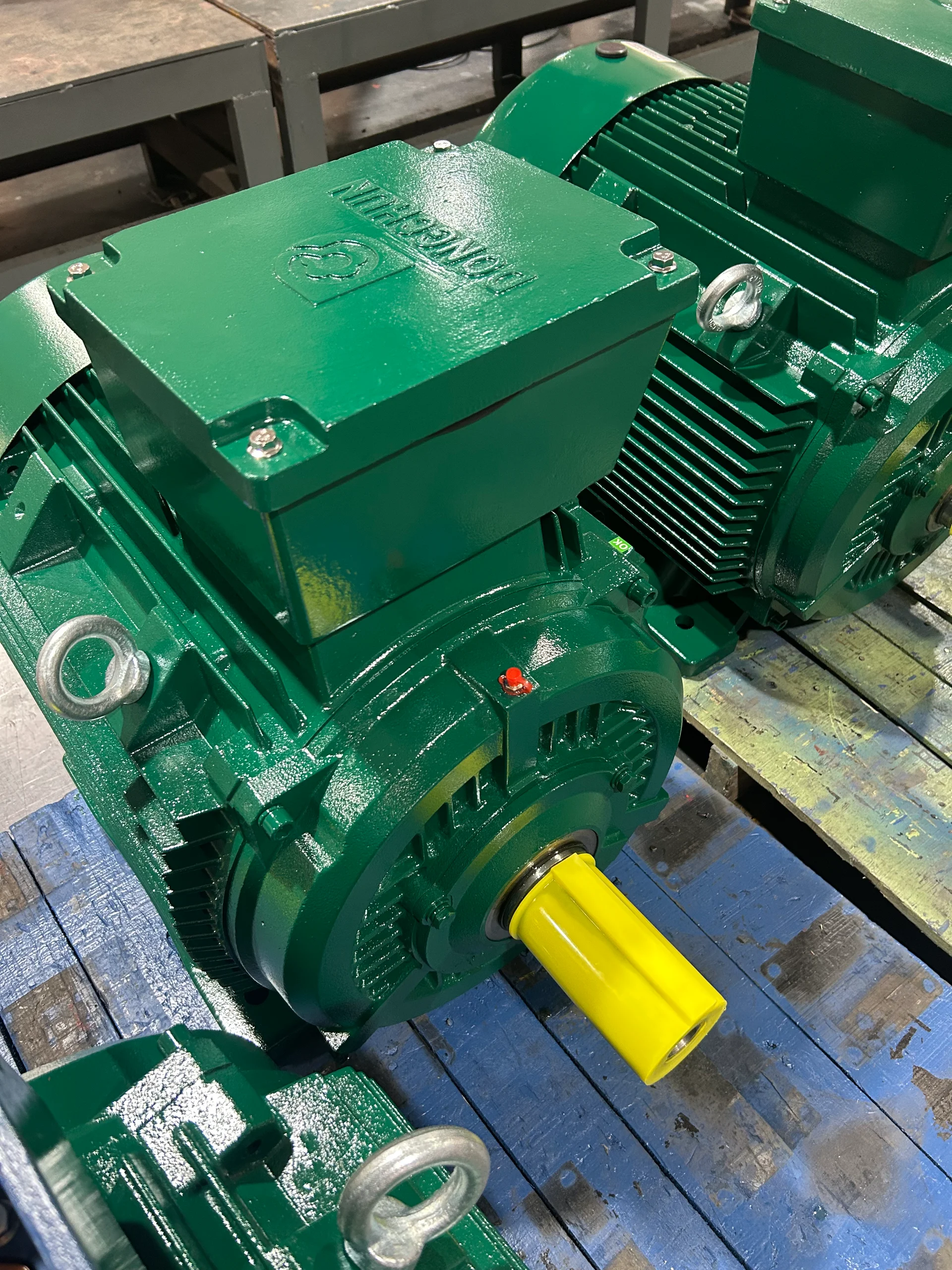
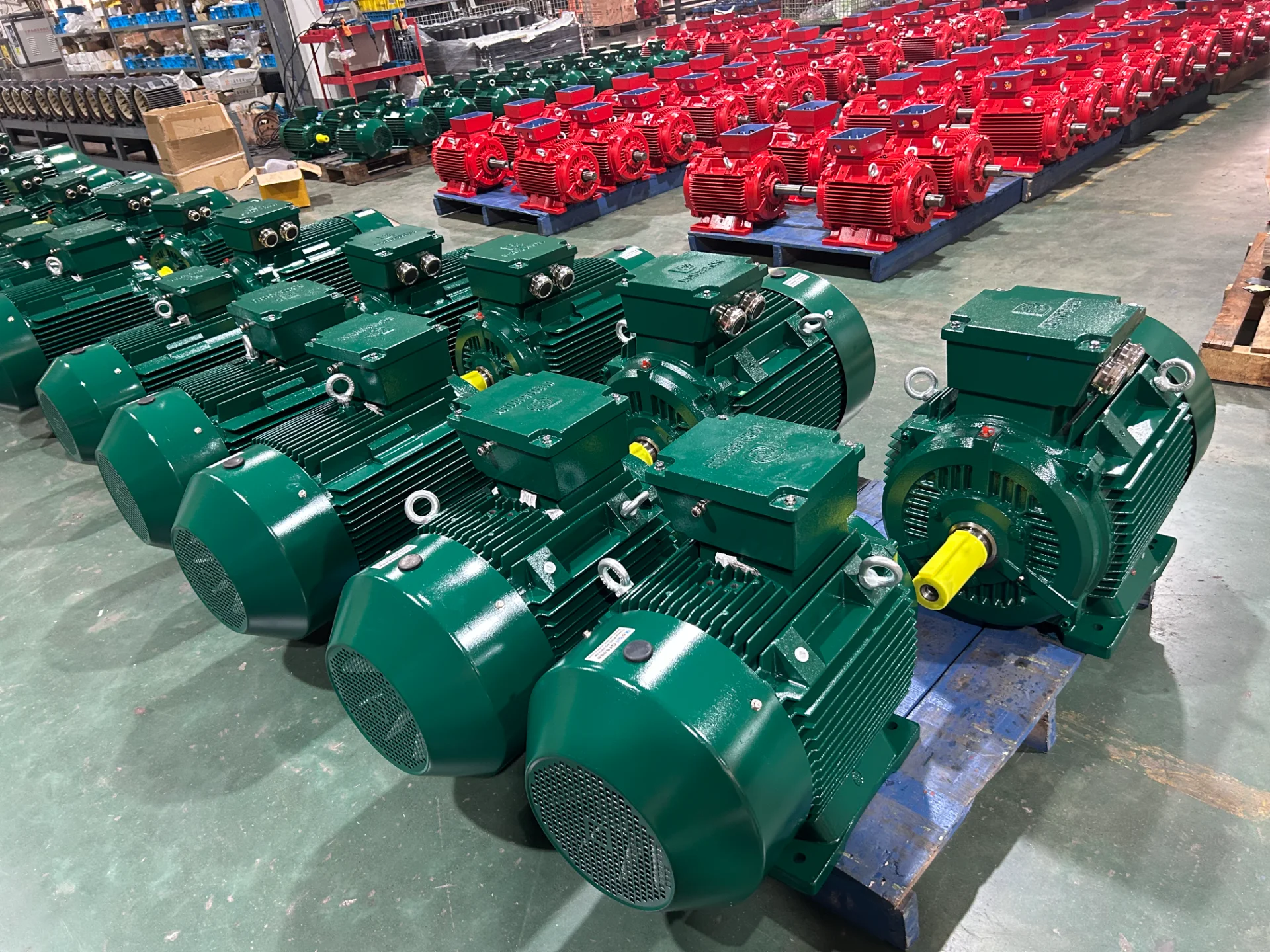
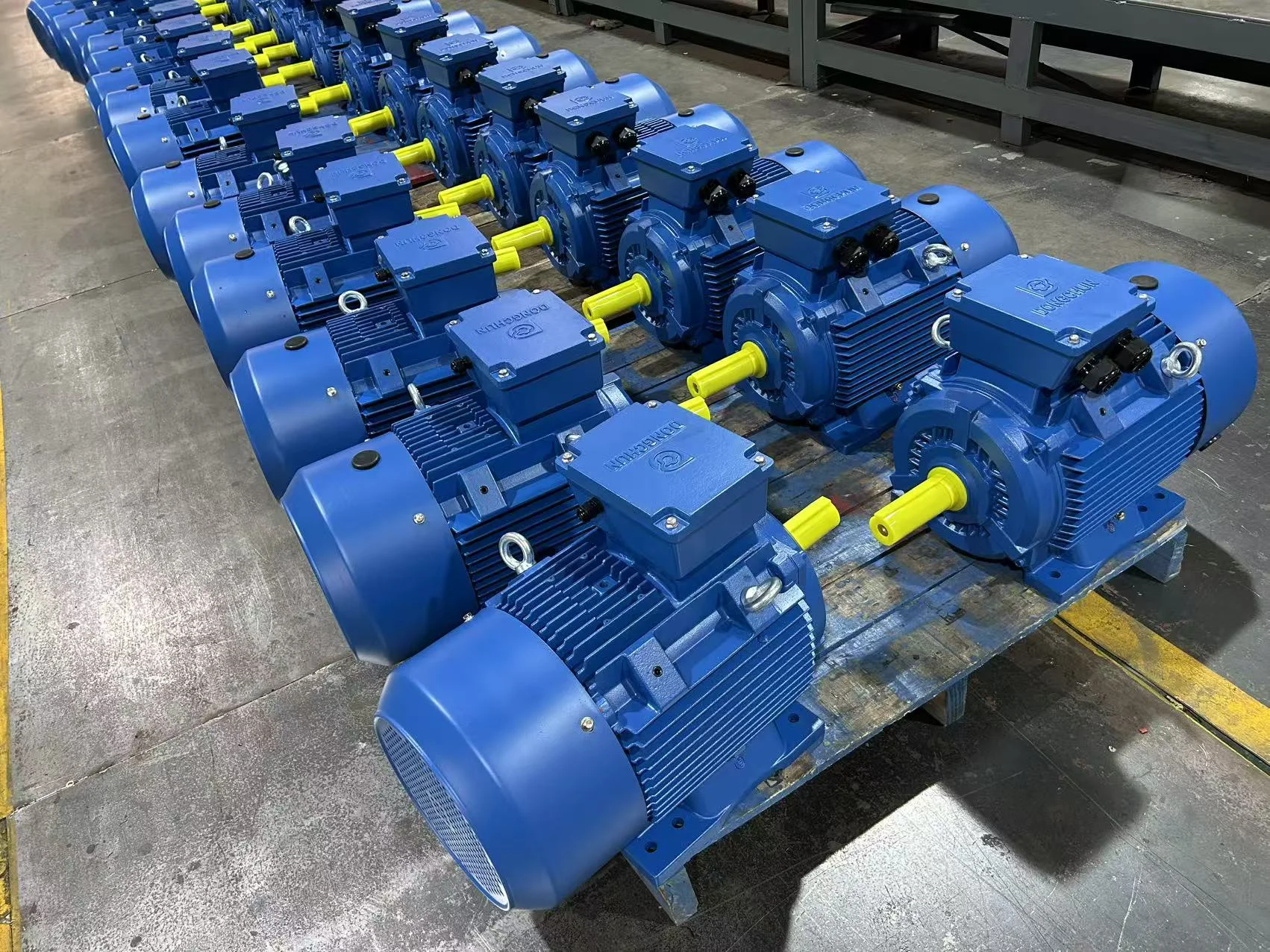
Ατομική δοκιμή πριν από την αποστολή: Κάθε κινητήρας πρέπει να δοκιμάζεται μόνος του πριν φύγει από το εργοστάσιο. Η δοκιμή παρτίδων σάς λέει ότι ο μέσος όρος είναι εντάξει. Οι ατομικές δοκιμές σάς λένε ότι ο συγκεκριμένος κινητήρας είναι εντάξει. Στο Dongchun Motor (iecmotores.com), δοκιμάζουμε κάθε μονάδα — όχι μία στις δέκα — για ρεύμα χωρίς φορτίο, κραδασμούς, αντίσταση μόνωσης και διηλεκτρική αντοχή.
Επιλογές θερμικής προστασίας: Τα θερμίστορ PTC που είναι ενσωματωμένα απευθείας στην περιέλιξη παρέχουν προστασία που δεν μπορεί να ταιριάξει ένα εξωτερικό θερμικό ρελέ. Μετρούν την πραγματική θερμοκρασία περιέλιξης, όχι την εκτιμώμενη θερμοκρασία με βάση την τρέχουσα έλξη.
Για εφαρμογές VFD, το Dongchun Motor (iecmotores.com) προσφέρει επίσης ενισχυμένη περιέλιξη μόνωσης και επιλογές γείωσης εκτεταμένου άξονα. Ρωτήστε την τεχνική ομάδα μας όταν προσδιορίζετε την εφαρμογή.
Εάν καθορίζετε κινητήρες για ζεστό περιβάλλον, περιβάλλον με VFD ή επιθετικό περιβάλλον, ζητήστε από τον προμηθευτή σας την αναφορά δοκιμής — κάθε υπεύθυνο εργοστάσιο θα πρέπει να τη στείλει χωρίς δισταγμό.
Η μόνωση κλάσης F που αξιολογείται σε σχέση με το όριο αύξησης θερμοκρασίας κατηγορίας Β παρέχει ένα ενσωματωμένο περιθώριο θερμικής ασφάλειας 25°C υπό πραγματικές συνθήκες λειτουργίας.Αληθής
Τα υλικά της κατηγορίας F διαχειρίζονται θερμοκρασία περιέλιξης 155°C, ενώ η αξιολόγηση ανόδου της κατηγορίας Β περιορίζει την πραγματική άνοδο στους 80 K (130°C μέγιστη θερμοκρασία περιέλιξης). Το κενό 25°C παραμένει ως το ύψος του κεφαλιού όταν ο κινητήρας λειτουργεί πιο ζεστά από το αναμενόμενο.
Όλοι οι κινητήρες με την ίδια βαθμολογία απόδοσης IE αποδίδουν πανομοιότυπα υπό θερμική καταπόνηση.Ψευδής
Η βαθμολογία IE μετρά μόνο την απόδοση σε ονομαστικό φορτίο. Δύο κινητήρες IE3 μπορεί να διαφέρουν σημαντικά ως προς την κατηγορία μόνωσης, τη βαθμολογία IP, την ποιότητα ρουλεμάν και τις ατομικές εργοστασιακές δοκιμές — όλα αυτά επηρεάζουν τον τρόπο με τον οποίο ο κινητήρας χειρίζεται τις πραγματικές θερμικές συνθήκες.
Συχνές Ερωτήσεις
Πόσο ζεστό είναι πολύ ζεστό για έναν ηλεκτροκινητήρα;
Οι τυπικοί τριφασικοί κινητήρες έχουν σχεδιαστεί για μέγιστη θερμοκρασία περιβάλλοντος 40°C. Μια επιφάνεια πλαισίου σταθερά πάνω από 80 έως 90°C υπό κανονικές συνθήκες φορτίου και περιβάλλοντος απαιτεί διερεύνηση. Αλλά η θερμοκρασία της επιφάνειας του πλαισίου από μόνη της δεν είναι οριστική. Οι σωστοί έλεγχοι είναι: ρεύμα λειτουργίας έναντι της πινακίδας FLA και δοκιμή αντίστασης μόνωσης.
Μπορώ να επανεκκινήσω έναν κινητήρα που έχει σβήσει με θερμική προστασία;
Αφήνουμε πρώτα να κρυώσει εντελώς. Στη συνέχεια, ελέγξτε το ρεύμα λειτουργίας, βεβαιωθείτε ότι ο εξαερισμός είναι καθαρός και βρείτε τον λόγο που σκόνταψε πριν το θέσετε ξανά σε λειτουργία. Ένα θερμικό ταξίδι δεν σημαίνει απαραίτητα μόνιμη βλάβη. Οι επαναλαμβανόμενες διαδρομές χωρίς να διορθωθεί η αιτία θα καταστρέψουν τη μόνωση.
Ποια είναι η διαφορά μεταξύ ενός θερμικού ρελέ υπερφόρτωσης και ενός θερμίστορ κινητήρα;
Ένας θερμικός ηλεκτρονόμος υπερφόρτωσης εκτιμά τη θερμοκρασία του κινητήρα με βάση το ρεύμα και το χρόνο. Προστατεύει από υπερφόρτωση και απώλεια φάσης, αλλά δεν μπορεί να ανιχνεύσει τοπικά καυτά σημεία από κακό αερισμό, τριβή ρουλεμάν ή βραχυκυκλώματα ενδιάμεσης στροφής που δεν έχουν ακόμη αυξήσει το συνολικό ρεύμα. Ένα θερμίστορ PTC ενσωματωμένο στην περιέλιξη μετρά άμεσα την πραγματική θερμοκρασία περιέλιξης και παρέχει ταχύτερη και ακριβέστερη προστασία.
Γιατί ο κινητήρας μου υπερθερμαίνεται μόνο το καλοκαίρι;
Η θερμοκρασία περιβάλλοντος επηρεάζει άμεσα το πόσο καλά ένας κινητήρας διαχέει τη θερμότητα. Ένας κινητήρας που λειτουργεί καλά στους 25°C περιβάλλοντος μπορεί να υπερβεί το θερμικό του όριο στους 45°C περιβάλλοντος υπό το ίδιο φορτίο. Εάν αυτό συμβαίνει εποχιακά, οι επιλογές σας είναι: να μειώσετε το φορτίο κατά τους ζεστούς μήνες, να βελτιώσετε τον αερισμό στην περιοχή εγκατάστασης ή να αναβαθμίσετε σε κινητήρα με υψηλότερη κατηγορία μόνωσης.
Οι κινητήρες IE3 ή IE4 λειτουργούν πιο ψυχρά από τον IE1 ή τον IE2;
Γενικά ναι. Οι κινητήρες υψηλότερης απόδοσης παράγουν λιγότερη θερμότητα για την ίδια μηχανική απόδοση επειδή έχουν μικρότερες απώλειες — χαμηλότερες απώλειες χαλκού από καλύτερο σχεδιασμό περιελίξεων, χαμηλότερες απώλειες σιδήρου από καλύτερο χάλυβα πυρήνα. Λιγότερη σπατάλη θερμότητας σημαίνει λιγότερη θερμική καταπόνηση στη μόνωση. Αυτό είναι ένα πρακτικό όφελος της αναβάθμισης πέρα από την εξοικονόμηση ενέργειας και μόνο. Τούτου λεχθέντος, η κατηγορία απόδοσης είναι ένας παράγοντας στην επιλογή κινητήρα, όχι ο μοναδικός.
Πρέπει να τυλίξω ξανά έναν υπερθερμασμένο κινητήρα ή να τον αντικαταστήσω;
Εξαρτάται από την ηλικία, την κατάσταση και την τιμή. Για κινητήρες κάτω των 15 kW, η αντικατάσταση είναι συνήθως φθηνότερη από την επανατύλιξη, αφού λάβετε υπόψη το χρόνο διακοπής λειτουργίας. Για κινητήρες άνω των 30 kW ή με προσαρμοσμένη τοποθέτηση, η επανατύλιξη από ένα πιστοποιημένο κατάστημα είναι συχνά η σωστή επιλογή — αλλά μόνο εάν ο πυρήνας δεν έχει υποστεί ζημιά. Ζητήστε από το rewind shop να κάνει μια βασική δοκιμή πριν κάνετε προσφορά.
Πριν καλέσετε για επαναφορά ή αντικατάσταση, διαβάστε αυτήν τη λίστα:
Συγκρίνετε το ρεύμα λειτουργίας και στις τρεις φάσεις με την πινακίδα FLA
Επιθεωρήστε και καθαρίστε τα πτερύγια ψύξης και το κάλυμμα του ανεμιστήρα
Μετρήστε την τάση τροφοδοσίας στους ακροδέκτες του κινητήρα — ελέγξτε τη στάθμη και την ανισορροπία μεταξύ των φάσεων
Ελέγξτε τη θερμοκρασία του ρουλεμάν και στα δύο άκρα με ένα υπέρυθρο θερμόμετρο
Εκτελέστε μια δοκιμή αντίστασης μόνωσης σε κάθε τύλιγμα
Εάν λειτουργεί με VFD: ελέγξτε το μήκος του καλωδίου, τη συχνότητα του φορέα και τη διάρκεια λειτουργίας του κινητήρα κάτω από 30 Hz
Βεβαιωθείτε ότι η θερμοκρασία περιβάλλοντος είναι εντός των τιμών του κινητήρα
Ελέγξτε το ιστορικό συντήρησης — τελευταία λίπανση, τυχόν πρόσφατες αλλαγές φορτίου
Η υπερθέρμανση του κινητήρα δεν είναι σχεδόν ποτέ ξαφνική. Χτίζει. Η έγκαιρη εύρεση της αιτίας κοστίζει πολύ λιγότερο από την επανατύλιξη ενός κινητήρα ή την αντικατάσταση εξοπλισμού κατάντη που έχει αποτύχει.
συμπέρασμα
Έχω δει εκατοντάδες περιπτώσεις υπερθέρμανσης στα χρόνια μου στο Dongchun Motor (iecmotores.com). Σχεδόν σε κάθε ένα, το πρόβλημα είχε δημιουργηθεί για εβδομάδες πριν το αντιληφθεί κανείς - και σχεδόν σε κάθε ένα, η επιδιόρθωση ήταν φθηνότερη από την επόμενη αποτυχία. Ανατρέξτε στις έξι αιτίες, κάντε τους διαγνωστικούς ελέγχους και θα βρείτε την απάντησή σας πιο γρήγορα από όσο νομίζετε.
Εάν προμηθεύεστε κινητήρες αντικατάστασης ή προσδιορίζετε για ένα ζεστό, σκληρό περιβάλλον με VFD ή χημικά, επικοινωνήστε μέσω της σελίδας επικοινωνίας μας με την πινακίδα του κινητήρα συν μια θερμική φωτογραφία. Θα αναφέρω έναν κινητήρα IE3 κλάσης F / κατηγορίας Β που έχει διαμορφωθεί για τις πραγματικές σας συνθήκες και κάθε μονάδα αποστέλλεται ξεχωριστά δοκιμασμένη.
Κατηγορίες θερμοκρασίας κινητήρα IEC 60034-1 — Ακολουθήστε αυτόν τον σύνδεσμο για να κατανοήσετε ακριβώς τι σημαίνει κατηγορία μόνωσης στην πρακτική λειτουργία του κινητήρα και γιατί το χάσμα μεταξύ κινητήρων κατηγορίας F και αξιολογημένων κινητήρων κατηγορίας Β έχει σημασία όταν αγοράζετε για ένα ζεστό ή απαιτητικό περιβάλλον. Σας βοηθά να κάνετε τη σωστή ερώτηση όταν ένας προμηθευτής σας παραθέτει έναν κινητήρα: σε ποια κατηγορία αξιολογείται και σε ποια κατηγορία αξιολογείται;
Προτεινόμενο ερώτημα Google: IEC 60034-1 Class F insulation motor temperature limit standard
Τεχνικός οδηγός ABB για την ανάλυση αστοχίας κινητήρα — Ελέγξτε αυτόν τον σύνδεσμο για να κατανοήσετε τι κάνουν πραγματικά τα ρεύματα ρουλεμάν, τα αρμονικά ρεύματα και οι γρήγοροι παλμοί τάσης στη μόνωση του κινητήρα και στα ρουλεμάν με την πάροδο του χρόνου και πώς να διαπιστώσετε εάν η τρέχουσα εγκατάστασή σας κινδυνεύει. Εάν χρησιμοποιείτε τυπικούς κινητήρες σε VFD, αξίζει να το διαβάσετε πριν από την επόμενη αστοχία.
Προτεινόμενο ερώτημα Google: ABB motor failure analysis VFD bearing current insulation life
Το IEC 60034-1 είναι το οριστικό διεθνές πρότυπο για τις κατηγορίες θερμοκρασίας κινητήρα και τη θερμική προστασία — εξηγεί γιατί ο κανόνας των 10°C είναι σημαντικός και τι κάνουν στην πραγματικότητα οι διαφορετικές κατηγορίες θερμικής προστασίας (TPxxx) για την προστασία του κινητήρα σας. ↩
Το NEMA MG 1 Part 31 ορίζει τις απαιτήσεις κινητήρα μετατροπέα λειτουργίας και τα όρια συντελεστών σέρβις — απαραίτητη ένδειξη εάν χρησιμοποιείτε κινητήρες σε VFD ή ζητάτε από έναν κινητήρα να χειριστεί περισσότερα από την ονομαστική του πινακίδα. ↩
Το IEC 60529 ορίζει τις αξιολογήσεις περιβλήματος IP — η γνώση των πραγματικών συνθηκών δοκιμής πίσω από κάθε αριθμό IP σάς βοηθά να καθορίσετε τον κατάλληλο κινητήρα για το περιβάλλον εγκατάστασης. ↩
Το NEMA MG 1 καλύπτει επίσης τις επιπτώσεις ανισορροπίας τάσης στους κινητήρες — η καθοδήγηση σχετικά με τις επιπτώσεις του πολλαπλασιαστή ρεύματος από μικρές διαφορές τάσης ισχύει άμεσα για την αντιμετώπιση προβλημάτων υπερθέρμανσης σε τριφασικές εγκαταστάσεις. ↩
Ο Τεχνικός Οδηγός ABB Νο. 5 είναι η αναφορά του κλάδου για την ανάλυση αστοχίας κινητήρα και τη ζημιά στο ρεύμα ρουλεμάν από VFD — εξηγεί πώς να προσδιορίσετε τη ζημιά του ρουλεμάν EDM έναντι της μηχανικής φθοράς και ποια μέτρα μετριασμού λειτουργούν. ↩
Το IEC 60085 ορίζει τις κατηγορίες μόνωσης και τα όρια θερμοκρασίας τους — η πηγή που πρέπει να αναφέρεται όταν ένας προμηθευτής ισχυρίζεται "Μόνωση κατηγορίας F" και θέλετε να μάθετε τι σημαίνει αυτό στην πράξη. ↩