5 Electric Motor Starting Methods – Which One Fits Your Project Best?
Choosing the right electric motor starting method isn’t just a technical detail—it affects your machine’s lifetime, your electricity bill, and even your stress level during

Choosing the right electric motor starting method isn’t just a technical detail—it affects your machine’s lifetime, your electricity bill, and even your stress level during

Low-noise induction motors play a crucial role in industrial fan systems by creating a more comfortable work environment, meeting stringent noise regulations, and boosting energy efficiency. These motors utilize advanced cooling systems and vibration damping features to minimize operational noise and vibrations, leading to safer workplaces and enhanced productivity. By investing in low-noise technology, companies can ensure compliance with legal standards while also reducing energy consumption and extending the lifespan of their equipment. This article explores the importance of low-noise induction motors in industrial settings, highlighting their benefits for employee well-being and operational efficiency.

High-efficiency induction motors, particularly IE3 and IE4 rated, paired with variable frequency drives (VFDs), can drastically lower energy costs in pump systems. These advanced technologies allow for precise speed control, reducing energy waste during low demand. Although the initial investment may seem high, the long-term savings on energy bills can be substantial. Additionally, proper motor sizing and regular maintenance further enhance efficiency. Smart systems that utilize IoT and AI can monitor real-time data to optimize energy usage even more effectively. This comprehensive approach not only saves money but also contributes to sustainability efforts within industrial operations.

Soft start technology revolutionizes pump induction motors by providing a gradual increase in voltage during startup. This approach significantly reduces mechanical stress and inrush current, leading to extended motor lifespan and enhanced operational efficiency. By preventing abrupt jolts, it protects connected equipment from sudden load changes while promoting energy savings. The technology is particularly beneficial in industrial applications where reliability and stability are crucial. With lower maintenance costs and improved performance, soft starters offer a strategic advantage for businesses looking to optimize their operations. Explore how integrating soft start systems can transform your motor management strategy for better productivity and longevity.

Choosing the right induction motor for multi-stage pump applications is crucial for system efficiency. Key factors include torque requirements, energy efficiency standards (IE3/IE4), compatibility with Variable Frequency Drives (VFDs), and ensuring durability for continuous operation. Proper cooling systems and routine maintenance are essential to prolong motor life. Understanding these elements helps in making informed decisions that enhance operational reliability while reducing costs and environmental impact. By prioritizing energy-efficient models and consulting experts for customization, stakeholders can achieve better performance in demanding industrial settings.

Modern induction motors are revolutionizing HVAC systems by improving energy efficiency and reliability. Equipped with variable frequency drives (VFDs), these motors provide precise control over temperature and airflow while significantly reducing maintenance costs. Their robust design ensures longevity, minimizing wear and tear on components. By meeting high-efficiency standards like IE3 and IE4, they not only cut down on electricity bills but also contribute to a smaller environmental footprint. The integration of smart monitoring systems allows for predictive maintenance, further enhancing system performance. Overall, modern induction motors are essential for optimizing HVAC operations, ensuring sustainability, and delivering cost savings.

Durable induction motors are crucial for the smooth operation of conveyor systems in industrial settings. They provide high starting torque, robust construction, and compatibility with variable speed drives (VSDs), ensuring efficient handling of heavy loads. Regular maintenance is essential to prevent overheating and mechanical failures, extending motor lifespan and enhancing overall productivity. Proper load matching further optimizes performance by ensuring that motors operate within their designed capacity. By understanding these key factors—starting torque, VSD integration, and maintenance practices—businesses can significantly improve their conveyor system operations and reduce downtime.

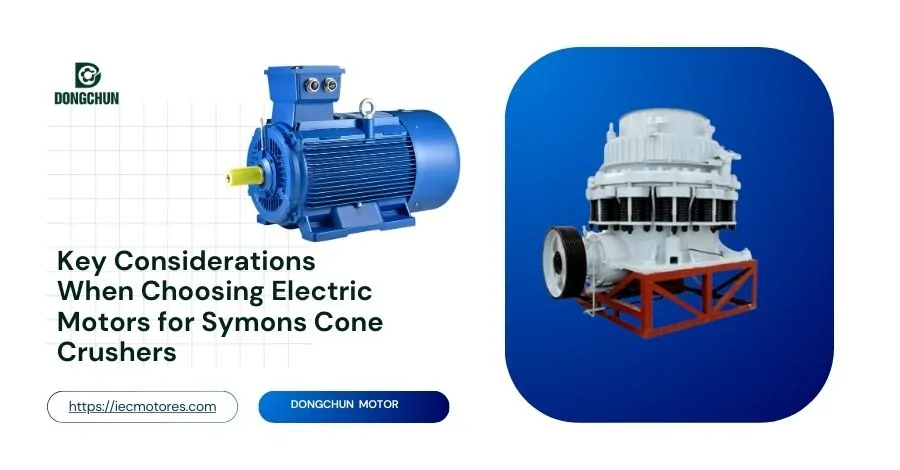
Choosing the right service factor is crucial when selecting induction motors for crushers. Service factors measure a motor’s ability to handle overloads and tough conditions, significantly impacting reliability and performance. A higher service factor not only boosts operational efficiency but also reduces downtime and maintenance needs, ultimately extending the motor’s lifespan. In demanding applications like crushing machinery, understanding these factors can lead to better choices that ensure continuous operation under variable loads. This article explores how service factors influence motor selection and provides insights on assessing specific operational demands to enhance machinery performance.

Induction motors stand out as the preferred choice for agricultural equipment because of their low maintenance requirements, high energy efficiency (IE3/IE4 ratings), and cost-effectiveness. They excel in handling varying loads typical in farming tasks such as pumping water or running conveyor systems. Additionally, these motors are readily available from numerous manufacturers, ensuring a stable supply chain for bulk orders. Their adaptability makes them suitable for diverse agricultural applications, while their reliability minimizes downtime and operational costs. By incorporating Variable Frequency Drives (VFDs), farmers can further enhance motor performance and energy savings. Overall, induction motors provide significant advantages that contribute to improved productivity and reduced expenses on farms.
Thanks for your message, We will contact you within 1 working day.
By visiting our site, you agree to our privacy policy regarding cookies, tracking statistics, etc.