Blog

Author: Kevin Wan

Close-up of electric motors in a modern industrial workspace
Dongchun Blog

Top 3 Electric Motor Manufacturers in Germany 2024

Germany is home to three leading electric motor manufacturers: Siemens AG, Bosch Rexroth AG, and ATB Schorch GmbH. Siemens AG excels in innovation and efficiency with a diverse product portfolio that meets global standards. Bosch Rexroth AG focuses on energy-efficient solutions through advanced digital technologies and collaborative innovations across industries. Meanwhile, ATB Schorch GmbH is recognized for its high-quality motors tailored to various industrial needs, backed by strong certifications and responsive customer service. Together, these companies set the benchmark for excellence in the electric motor industry.

A collage of logos from top Japanese electric motor manufacturers
Dongchun Blog

Top 5 Electric Motor Manufacturers in Japan 2024

This blog post explores the top five electric motor manufacturers in Japan: Nidec Corporation, Mitsubishi Electric, Toshiba Corporation, Denso Corporation, and Asmo Co., Ltd. Each company excels in innovation and technology while providing diverse product offerings that cater to various global markets. Nidec is known for its cutting-edge advancements and strategic acquisitions; Mitsubishi Electric focuses on sustainability and advanced technologies like AI and IoT; Toshiba emphasizes quality control and customer-centric solutions; Denso leads in automotive applications with eco-friendly practices; while Asmo specializes in compact motors for HVAC systems. Understanding these companies is crucial for anyone looking to partner with reliable suppliers or gain insights into the electric motor industry.

Engineers inspecting an electric motor in a bright industrial workspace
Dongchun Blog

What Are the 5 Key Factors for Choosing a Reliable Electric Motor Manufacturer?

Selecting the right electric motor manufacturer can be daunting. Focus on five key factors: product quality and certifications ensure reliability; customization options enhance flexibility; technological expertise drives innovation; strong after-sales support builds trust; and competitive pricing ensures value. Understanding these elements helps navigate the complexities of choosing a supplier that meets your specific needs while delivering high-quality products. Certifications like ISO and CE are crucial for verifying standards, while effective after-sales service fosters long-term customer relationships. Ultimately, balancing these factors leads to informed decisions that benefit both immediate requirements and future growth.

Workers inspecting an electric motor in a warehouse
Dongchun Blog

How Can You Import an Electric Motor from China to Ghana?

Importing electric motors from China to Ghana can be daunting but manageable with the right approach. Start by identifying trustworthy suppliers and understanding Ghana’s import regulations. Organize shipping details and ensure compliance with customs rules. Collaborating with local partners simplifies the process significantly. Evaluate potential suppliers based on certifications, product quality, financial stability, past performance, and communication. Navigating customs clearance requires careful preparation to avoid delays and unexpected costs. Understanding the impact of import regulations on pricing and availability is crucial for effective procurement strategies. Embrace technology for tracking shipments and prioritize sustainable practices in logistics management. Following local standards builds trust within the community while reducing risks associated with non-compliance. This comprehensive guide provides a roadmap for successful imports that can transform challenges into opportunities.

A modern industrial workspace showcasing electric motors with AI and IoT technology
Dongchun Blog

How Are AI, IoT, and Automation Transforming Electric Motors?

The integration of AI, IoT, and automation is transforming the electric motor industry by enabling smart management systems that enhance efficiency and reliability. AI facilitates predictive maintenance by analyzing sensor data to foresee potential failures, significantly reducing downtime and maintenance costs. IoT devices provide real-time monitoring capabilities that allow operators to track motor performance continuously. This connectivity leads to better resource optimization and energy savings. Automation further refines motor operations by adjusting settings dynamically based on demand. Additionally, digital twins simulate motor performance for design improvements while supporting sustainability initiatives through green energy integration. The combination of these technologies not only streamlines industrial processes but also fosters innovation in electric motor management.

IE3 motor testing -Dongchun
Dongchun Blog

How Can Third-Party Inspectors Enhance Overseas Production of Electric Motors?

Third-party inspectors are essential in the overseas production of electric motors. They ensure compliance with international standards, minimize defects, and build trust with buyers. By providing unbiased assessments, these inspectors help companies optimize efficiency and reduce risks associated with global manufacturing. Their role extends beyond mere inspections; they support customization and innovation while identifying inefficiencies that can lead to significant cost savings. With their expertise, businesses can navigate the complexities of overseas operations confidently, ensuring high-quality products that meet market demands.

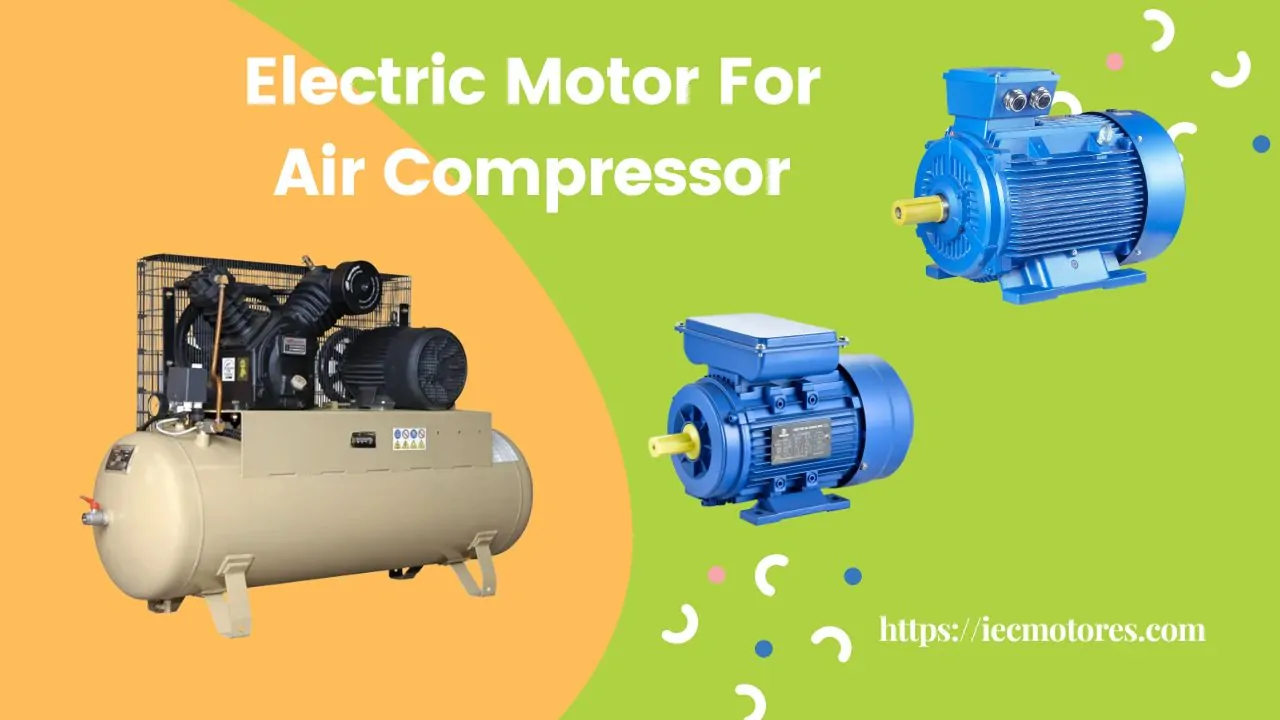
motor for air compressor
Dongchun Blog

What Is the Timeline for the OEM/ODM Air Compressor Motor Process?

The OEM/ODM air compressor motor manufacturing process involves four key stages: Initial Consultation and Design (1-2 weeks), Prototyping and Testing (2-4 weeks), Production (3-5 weeks), and Quality Control and Shipping (1-2 weeks). Understanding this timeline is crucial for effective project management.

motor with worm gearbox
Dongchun Blog

What Is the Typical Duration of the OEM/ODM Reducer Motor Process?

The OEM/ODM reducer motor process typically spans 10-16 weeks, encompassing stages such as initial consultations (1-2 weeks), prototyping (3-5 weeks), production (4-6 weeks), and quality control/shipping (2-3 weeks). Each phase is crucial for ensuring product reliability and meeting client specifications.

Marketing Center

Lorem ipsum dolor sit amet consectetur adipiscing elit dolor

Popular Post

Ask For A Quick Quote

Thanks for your message, We will contact you within 1 working day.

Ask For A Quick Quote

Thanks for your message, We will contact you within 1 working day.

Ask For A Quick Quote

Thanks for your message, We will contact you within 1 working day.

Ask For A Quick Quote

Thanks for your message, We will contact you within 1 working day.

× How can I help you?