Blog

Author: Kevin Wan

A large BHEL motor in a modern industrial setting
Dongchun Blog

Why Are BHEL Motors So Expensive?

BHEL motors command a premium price due to their exceptional build quality, compliance with stringent industrial standards, and specialization for heavy-duty applications. Their reliability is further enhanced by comprehensive after-sales support, making them a trusted choice for critical industries. The investment in BHEL motors translates into long-term savings through reduced downtime and maintenance costs. Additionally, the company’s commitment to innovation and continuous improvement ensures that their products remain at the forefront of technology. While alternatives like Siemens and ABB offer competitive pricing, BHEL’s reputation for quality and service justifies its higher cost for discerning buyers seeking dependable solutions.

Close-up of a high-quality electric motor showcasing intricate design
Dongchun Blog

Why Are CG Motors So Expensive?

CG motors are known for their superior quality and energy efficiency, which contribute to their higher price. Crafted from high-grade materials and designed with advanced technology, these motors meet global standards for reliability and longevity. Their robust certifications ensure compliance with international quality benchmarks, making them a preferred choice in various industries. While the initial investment may be significant, the long-term savings on maintenance and operational costs often justify the expense. This article explores the key features that make CG motors a valuable investment for businesses seeking durability and performance in challenging environments.

Close-up of a Brook Crompton electric motor in an industrial setting
Dongchun Blog

Why Are Brook Crompton Motors So Expensive?

Brook Crompton motors command a premium price because they utilize high-quality materials and advanced engineering techniques that enhance energy efficiency and durability. These motors are designed for tough industrial environments, ensuring long-term reliability and compliance with global standards. Investing in Brook Crompton means choosing performance without compromise, as their robust construction minimizes downtime and operational costs. The focus on energy efficiency not only reduces electricity bills but also supports sustainability goals by lowering carbon emissions. While the initial investment may be higher than competitors, the long-term savings in maintenance and energy usage make them a wise choice for businesses prioritizing quality and reliability.

Close-up of SEW-Eurodrive motor on industrial machinery
Dongchun Blog

Why Are SEW-Eurodrive Motors So Expensive?

SEW-Eurodrive motors command a premium price due to their cutting-edge engineering and modular designs that allow for customization. Their high efficiency and durability ensure long-term savings on energy and maintenance costs. Additionally, the exceptional after-sales support enhances customer satisfaction and loyalty. Investing in SEW-Eurodrive motors is akin to purchasing a luxury vehicle; while the upfront cost may be higher, the return on investment through reliability and performance justifies the expense. This blog post explores why these motors are worth the investment for industrial needs.

Close-up of a Nord induction motor in an industrial setting
Dongchun Blog

What Makes Nord Induction Motors So Expensive?

Nord induction motors command a higher price due to their use of high-quality materials, energy-efficient designs, and extensive customization options. These motors are built for durability and reliability in tough industrial settings, meeting strict global standards that enhance their appeal for businesses seeking long-term operational efficiency. The initial investment is justified by reduced downtime and maintenance costs over time, making them a smart choice for industries prioritizing quality and performance. Additionally, Nord Motors’ protective coatings extend lifespan by preventing damage from environmental factors. Understanding the value proposition of these motors helps procurement officers make informed decisions that align with their operational needs.

Close-up of a Fuji Electric motor showing intricate details
Dongchun Blog

What Makes Fuji Electric Motors So Expensive?

Fuji Electric motors command a premium price due to their integration of cutting-edge technology and superior materials. These motors offer exceptional energy efficiency and reliability, making them ideal for rigorous industrial environments. Their manufacturing processes emphasize precision engineering while adhering to international standards, which enhances their durability and performance. Although the initial costs may be higher than competitors, the long-term savings from reduced energy consumption and maintenance make them a wise investment. Understanding these factors can help buyers like procurement officers balance quality with cost when considering electric motor purchases.

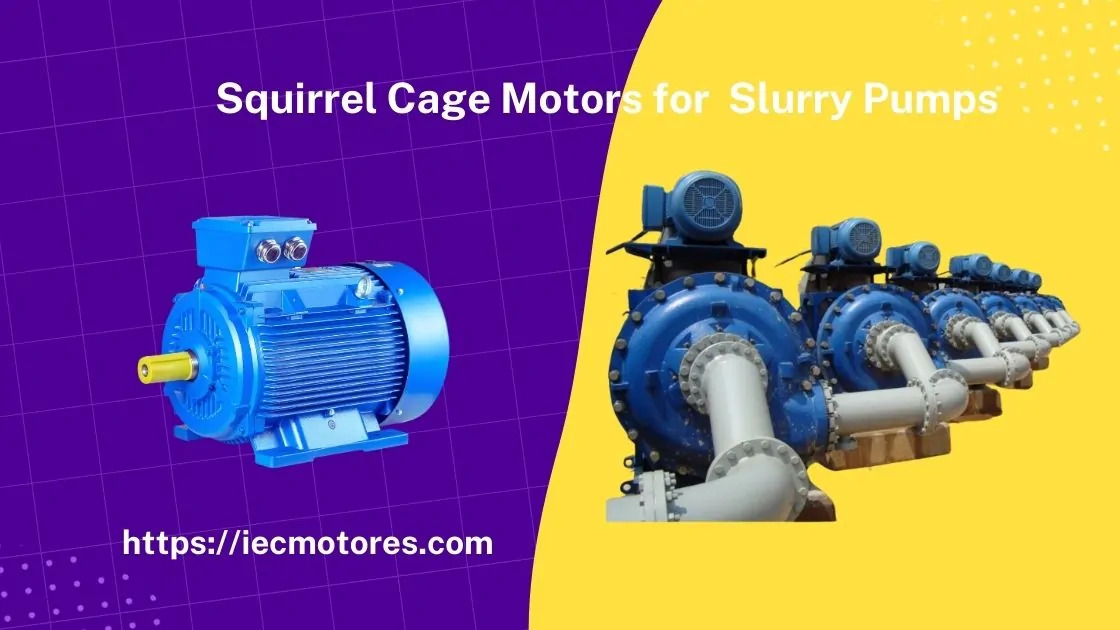
Squirrel Cage Motors for Slurry Pumps
Dongchun Blog

How Long Does the Process Take for Squirrel Cage Motors in Slurry Pumps?

The production timeline for squirrel cage motors used in slurry pumps generally spans 8-10 weeks for standard models and 10-14 weeks for custom designs. This timeframe encompasses design, material procurement, manufacturing, and shipping phases. However, various factors can affect these timelines, including the availability of materials, supplier efficiency, design complexity, and production technology. To mitigate potential delays, it is advisable to place orders at least 3-4 months in advance. Understanding these dynamics is crucial for businesses aiming to maintain competitive delivery schedules in an ever-evolving market.

Side-by-side comparison of electric motor production in China and Brazil
Dongchun Blog

How Does Electric Motor Production in China Compare to Brazil?

This article compares electric motor production in China and Brazil, highlighting China’s position as the world’s largest producer and exporter due to its cost advantages and raw material access. In contrast, Brazil emphasizes eco-compliance and caters primarily to domestic needs, particularly in mining and agriculture. The analysis covers production scales, cost dynamics, technological advancements, and market strategies of both countries. While China leverages economies of scale and smart manufacturing technologies to maintain competitive pricing globally, Brazil’s focus on sustainability presents unique opportunities despite higher production costs. Understanding these differences is crucial for businesses looking to navigate the electric motor market effectively.

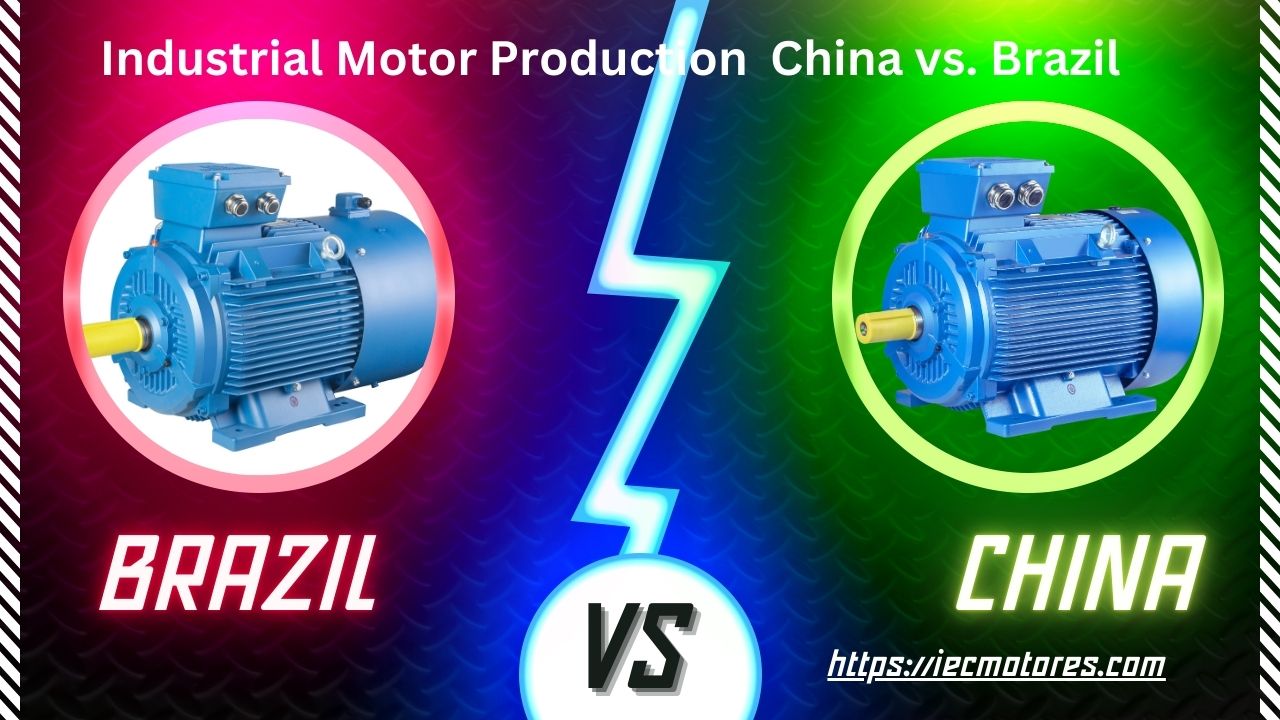
Industrial Motor Production China vs. Brazil
Dongchun Blog

How Does Industrial Motor Production in China Compare to Brazil?

This article explores the stark contrasts between industrial motor production in China and Brazil. China dominates the market with its large-scale manufacturing and advanced technologies, producing over 50 million motors annually. In contrast, Brazil caters to local demands with smaller-scale, customized production that targets niche markets like agriculture and mining. The differences in labor costs, raw material accessibility, manufacturing techniques, and regulatory environments significantly impact each country’s competitive positioning in the global market. While China’s cost efficiency allows it to excel in exports, Brazil’s focus remains primarily on domestic needs due to higher production costs and logistical challenges. Understanding these dynamics is crucial for grasping how each nation shapes its industrial strategies.

Marketing Center

Lorem ipsum dolor sit amet consectetur adipiscing elit dolor

Popular Post

Ask For A Quick Quote

Thanks for your message, We will contact you within 1 working day.

Ask For A Quick Quote

Thanks for your message, We will contact you within 1 working day.

Ask For A Quick Quote

Thanks for your message, We will contact you within 1 working day.

Ask For A Quick Quote

Thanks for your message, We will contact you within 1 working day.

× How can I help you?