 콘텐츠로 건너뛰기

In the bustling world of induction motors, China and Italy shine brightly, each with its own flair.
China shines in mass-producing affordable induction motors, while Italy excels in crafting high-quality, bespoke designs. Chinese manufacturers lead in volume and cost-effectiveness, whereas Italian companies focus on precision engineering and niche market needs.
Diving into the intricacies of each country's production capabilities can be a game-changer for businesses like mine looking to source the best induction motors. I recall visiting a bustling trade show where both Chinese and Italian manufacturers showcased their strengths—China's vast production lines versus Italy's artisanal touch. The experience was eye-opening and guided my decisions on where to source different types of motors to match my business goals.
China produces more induction motors than Italy.진실
China's focus on mass production allows it to dominate in volume.
Italian induction motors are cheaper than Chinese ones.거짓
Italy's focus is on high-quality, customized designs, not cost efficiency.
What Are the Key Differences in Production Scale and Automation?
생산 규모와 자동화가 우리의 제조 방식을 어떻게 형성하는지 궁금한 적이 있습니까?
생산 규모는 시설에서 생산할 수 있는 양을 결정하는 반면, 자동화에는 기술을 사용하여 최소한의 인간 개입으로 작업을 수행하는 것이 포함됩니다. 일반적으로 생산 규모가 확대되면 효율성을 유지하는 데 자동화가 더욱 중요해집니다.

생산 규모 이해
When I first dipped my toes into the manufacturing world, I realized that production scale is like the backbone of any operation. It's about how much a facility can churn out, and it can vary greatly from one company to another. Imagine a small bakery versus a sprawling industrial plant—each has its own rhythm and set of challenges. Larger scales often come with the perks of cost advantages due to 규모의 경제1, but they also demand hefty capital investments and can sometimes strip away the nimbleness smaller operations enjoy.
| 요인 | Small Scale | Large Scale |
|---|---|---|
| 유연성 | 높은 | 낮은 |
| Investment | 낮은 | 높은 |
| Cost/Unit | 높은 | 낮은 |
The Role of Automation in Manufacturing
Automation was a game-changer for me in understanding how modern manufacturing ticks. By leveraging technology, manufacturers can achieve remarkable precision and productivity. I once saw 로봇 팔2 in action on an assembly line, tirelessly working away—it's truly something to witness. As operations scale up, automation ensures that efficiency doesn’t slip through the cracks. It's all about maintaining consistency and reducing errors, much like having a reliable assistant you can always count on.
- Benefits of Automation:
- Consistency in product quality
- Reduced labor costs
- Enhanced safety and efficiency
Interplay Between Scale and Automation
The first time I witnessed the synergy between production scale and automation was enlightening. Larger operations thrive with automation because it helps optimize throughput and minimize bottlenecks. On the flip side, smaller productions might decide to keep things a bit more manual to retain flexibility.
- 사례 연구: In China, factories often marry advanced automation with high-volume demands to keep costs down, whereas Italian manufacturers might opt for less automation to focus on products that require a personal touch and 장인정신삼.
Choosing the Right Approach
Deciding on the right mix between production scale and automation feels like a balancing act. It’s all about what your market demands, what you’re producing, and your strategic vision. When I had to make similar decisions, considering potential return on investment4 for automation was key. It's crucial to align these choices with both current production needs and future growth aspirations. After all, each step you take should be one that powers your success, one motor at a time.
Larger production scales require more automation.진실
Automation is crucial in large-scale operations to maintain efficiency.
Small-scale productions have lower investment costs.진실
Small-scale productions typically involve less capital investment.
비용 효율성 측면에서 중국과 이탈리아를 어떻게 비교합니까?
Ever pondered where to source your products for the best balance of cost and quality?
China generally offers more cost-efficient manufacturing thanks to lower labor costs and high production volumes. On the other hand, Italy might come with a heftier price tag but excels in quality and innovation, particularly in specialized markets.
생산 규모 및 자동화
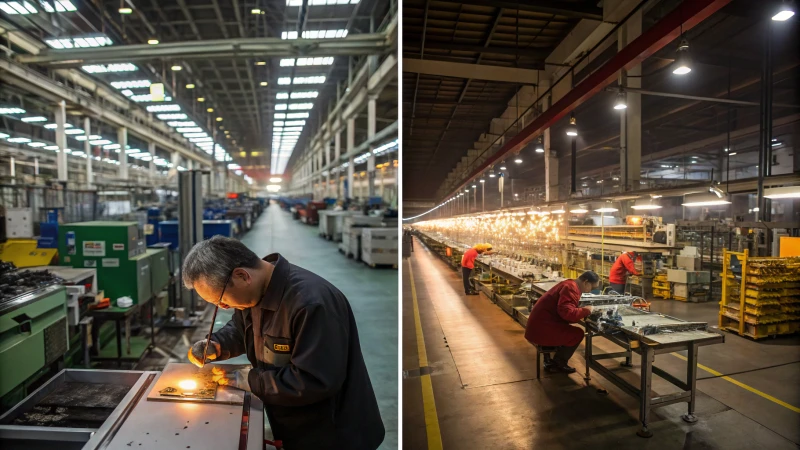
As someone who's always had an eye on optimizing costs, I find China's approach to production scale impressive. They churn out products at high volumes, utilizing 자동화 기술5 to keep costs down. It's like watching a well-oiled machine in action. In contrast, Italian firms remind me of artisans in a bustling workshop. They focus on smaller batches of premium products, which naturally ups their labor costs.
| 요인 | 중국 | 이탈리아 |
|---|---|---|
| 인건비 | 낮은 | 높은 |
| Production Volume | 높은 | 중간 |
Cost Efficiency in Manufacturing
From my experience, Chinese manufacturers have nailed the art of cost efficiency through economies of scale—it's all about reducing those per-unit costs. Imagine buying in bulk from a wholesale club; it's the same principle. Italy, however, leans into its artisanal roots, focusing on craftsmanship that can drive up production expenses. It's a bit like choosing between a handmade piece of art and a mass-produced print.
Product Quality and Customization
When it comes to quality, Italy has carved out a niche for itself. Their high-quality, customized products6 are akin to bespoke suits—tailored to perfection, appealing to those who value precision and luxury. These offerings justify higher price points and attract clients who aren't just looking for a bargain.
Technology and Design Innovation
I've always admired Italian design for its elegance and innovation. Their technological advancements set the global benchmark. Interestingly, Chinese companies often integrate these innovations into their cost-effective solutions. It's not unusual for them to collaborate with Italian designers, enhancing product appeal without breaking the bank.
물류 및 수출 범위
China's vast logistics networks remind me of an intricate web, ensuring competitive pricing through efficient exports. Italy's reach might be more limited, but every product is like a carefully crafted jewel, meeting strict quality standards before it crosses borders.
| Logistics Aspect | 중국 | 이탈리아 |
|---|---|---|
| Network Scale | 광범위한 | 제한된 |
| 품질 관리 | 다양함 | Strict |
Understanding these dynamics is crucial for making informed business decisions on sourcing strategies. It's all about finding the right balance between cost-efficiency and the quality of manufactured goods. When choosing between Chinese and Italian manufacturers, consider how these factors align with your specific industry needs.
China's production volume is higher than Italy's.진실
China focuses on high-volume production, leveraging automation to reduce costs.
이탈리아는 중국에 비해 인건비가 저렴하다.거짓
이탈리아 기업은 장인 정신으로 인해 인건비가 더 높습니다.
우수한 제품 품질과 맞춤화를 제공하는 국가는 어디입니까?
제품의 품질과 맞춤화가 가장 잘 조화된 곳을 어디에서 찾을 수 있는지 궁금한 적이 있습니까?
이탈리아는 절묘한 장인정신과 맞춤형 솔루션으로 유명한 반면, 중국은 적응형 맞춤 옵션을 갖춘 효율적인 대량 생산으로 유명합니다.

제품 품질 이해
내가 생각할 때 제품 품질7, I'm drawn to memories of my first visit to an Italian workshop. The meticulous attention to detail was astounding. Italians seem to weave a little magic into everything they create, whether it's a luxurious leather handbag or an elegantly designed piece of machinery. Their commitment to using only the finest materials and their passion for excellence make Italy a beacon for those who crave luxury and exclusivity.
On the other hand, my experiences in China have shown me a nation that has revolutionized its manufacturing prowess. Walking through modern Chinese factories, I was struck by their dedication to meeting international standards like ISO and CE. It's impressive how China has transformed its image, offering reliable quality at prices that make global business sense.
| 요인 | 이탈리아 | 중국 |
|---|---|---|
| 장인 정신 | Superior craftsmanship | Efficient production |
| 표준 | Premium quality focus | International compliance |
| 재료 | High-quality raw materials | Flexible sourcing options |
Exploring Customization Opportunities
Italy's flair for customization opportunities8 reminds me of an artisan I once met who handcrafted bespoke wine cellars. He worked so closely with his clients that each piece seemed like a personal masterpiece tailored precisely to their needs. This level of customization is why Italian companies excel in niche markets.
Conversely, China's strength lies in its vast manufacturing landscape. I recall a tech company I partnered with that needed a huge volume of custom smartphone parts. Chinese factories were able to shift gears almost instantly, accommodating our ever-changing specs with impressive speed. This adaptability is a testament to China's ability to scale customization on a massive level.
Case Studies: Italy vs. China
- Italy: 시선을 사로잡을 만큼 고급스러운 인테리어를 갈망하는 고급 자동차 브랜드를 상상해 보세요. 그들은 최고급 가죽을 사용하여 인테리어를 제작하는 장인과 협력하여 자동차를 예술 작품으로 바꾸는 이탈리아에서 답을 찾았습니다.
- 중국: 빛의 속도로 수천 개의 맞춤형 구성 요소가 필요한 거대 기술 기업을 상상해 보십시오. 그들은 눈 깜짝할 사이에 생산 라인을 조정하여 모든 배송이 적시에 완벽하게 맞춤화되도록 보장하는 중국 공장으로 눈을 돌렸습니다.
이러한 옵션을 고려하는 사람이라면 각 국가의 강점을 이해하는 것이 중요합니다. 이탈리아의 탁월한 장인정신이든, 중국의 효율적인 확장 능력이든, 이러한 강점을 비즈니스 목표에 맞추면 큰 변화를 가져올 수 있습니다.
결론(추가 조사 예정)
Choosing the right country for top-tier product quality and customization isn't just about numbers; it's about understanding your market's heartbeat and aligning with strategic priorities. Delving into further insights9 can provide the clarity needed to craft your sourcing strategy effectively.
Italy is known for high-end product quality.진실
Italy is renowned for its craftsmanship, focusing on premium materials.
China lacks international quality standards in manufacturing.거짓
China has improved standards, adhering to ISO and CE certifications.
기술과 디자인 혁신은 어떻게 산업을 변화시키는가?
Ever wonder how technology and design innovation shape the industries we rely on every day?
Technology and design innovation play crucial roles in transforming industries by enhancing efficiency, product quality, and customer satisfaction. They enable businesses to remain competitive by adapting to market demands with advanced solutions and creative designs.

Driving Efficiency with Advanced Technology
I remember the first time I saw a factory floor bustling with robotic arms and IoT-enabled machines. It was like stepping into the future. These cutting-edge technologies10 단지 화려하지 않습니다. 그들은 산업이 운영되는 방식에 혁명을 일으키고 있습니다. AI를 사용하여 작업을 자동화하고 오류를 줄이고 생산 속도를 높이는 공장을 상상해보세요. IoT 센서가 작동하여 장비 상태를 실시간으로 확인하여 비용이 많이 드는 가동 중지 시간을 방지하는 것을 보았습니다. 마치 기계에 수호 천사가 있는 것과 같습니다.
제품 품질 및 맞춤화 강화
디자인 혁신은 항상 저에게 흥미를 불러일으켰습니다. 특히 귀하에게 꼭 맞는 제품을 만들 때 더욱 그렇습니다. 자동차 산업을 예로 들어보겠습니다. 그들은 사용하고 있습니다 3D 프린팅11 장갑처럼 꼭 맞는 자동차 부품을 제작하여 특정 고객 요구 사항을 충족합니다. 이는 단지 미학에 관한 것이 아니라 첨단 소재와 디지털 도구를 활용하여 자신만의 독특한 것을 창조하는 것입니다.
혁신적인 디자인을 통한 고객 경험 개선
나는 항상 최고의 디자인은 매끄럽게 작동하기 때문에 눈치채지 못하는 디자인이라고 믿어왔습니다. 이제 업계가 뛰어들고 있습니다. UX/UI 디자인12, 모든 상호 작용이 직관적이고 매력적이도록 보장합니다. 제품을 사용할 때 그것에 대해 생각할 필요 없이 모든 것이 제대로 느껴지는지 확인하는 것입니다.
| 측면 | 기술 영향 | 디자인 혁신 영향 |
|---|---|---|
| 능률 | 자동화, IoT | 프로세스 합리화 |
| 품질 | 정밀함, AI | 커스터마이징, 미학 |
| 고객 경험 | 개인화 | 사용자 중심 디자인 |
혁신적인 솔루션으로 시장 수요에 적응
저는 시장이 얼마나 빨리 변할 수 있는지 직접 목격했고, 업계가 어떻게 이를 따라잡는지 정말 놀랍습니다. 민첩한 방법론을 활용하고 소비자 피드백에 귀를 기울임으로써 기업은 앞서 나갈 수 있습니다. 이는 사용자 통찰력을 기반으로 한 소프트웨어 업데이트가 매우 빠른 속도로 발생하는 기술 산업에서 특히 두드러집니다.
이러한 요소를 곰곰이 생각해 보면 기술과 디자인 혁신이 단순한 유행어가 아니라 산업 환경을 형성하고 성장을 촉진하는 데 필수적이라는 것이 분명해졌습니다. 이러한 도구를 수용하면 기업은 관련성을 유지할 뿐만 아니라 오늘날의 글로벌 시장에서 성공할 수 있습니다. 이는 한 번에 한 단계씩 혁신적으로 성공을 촉진하는 것입니다.
AI는 제조 과정에서 반복적인 작업을 자동화합니다.진실
AI is widely used to automate tasks, enhancing efficiency in industries.
3D printing is not used in the automotive sector.거짓
3D printing is used for custom car parts, enhancing design flexibility.
결론
China leads in cost-effective, high-volume induction motor production, while Italy specializes in premium, customized designs. Each country offers unique advantages for different market needs.
-
Learn how economies of scale can lower costs per unit by spreading fixed costs over a larger output. ↩
-
Discover how robotic arms enhance production efficiency and quality in automated manufacturing processes. ↩
-
Explore how Italian manufacturers leverage craftsmanship for creating bespoke, high-quality products. ↩
-
Understand how to evaluate the return on investment when considering automation solutions. ↩
-
Discover how automation enhances China's manufacturing cost efficiency, providing insights into their competitive edge. ↩
-
Explore examples of Italy's bespoke products to understand their appeal and market positioning. ↩
-
Learn about Italy's commitment to exceptional craftsmanship and quality standards that make its products stand out globally. ↩
-
Discover how Italian manufacturers tailor products to client specifications, offering unique solutions for niche markets. ↩
-
Gain a deeper understanding of the comparative advantages of Chinese and Italian manufacturing in terms of quality and customization. ↩
-
Explore how IoT sensors enhance production by monitoring equipment health and optimizing processes. ↩
-
Discover how 3D printing enables customization in car manufacturing. ↩
-
Learn why UX/UI design is crucial for creating engaging user experiences. ↩


