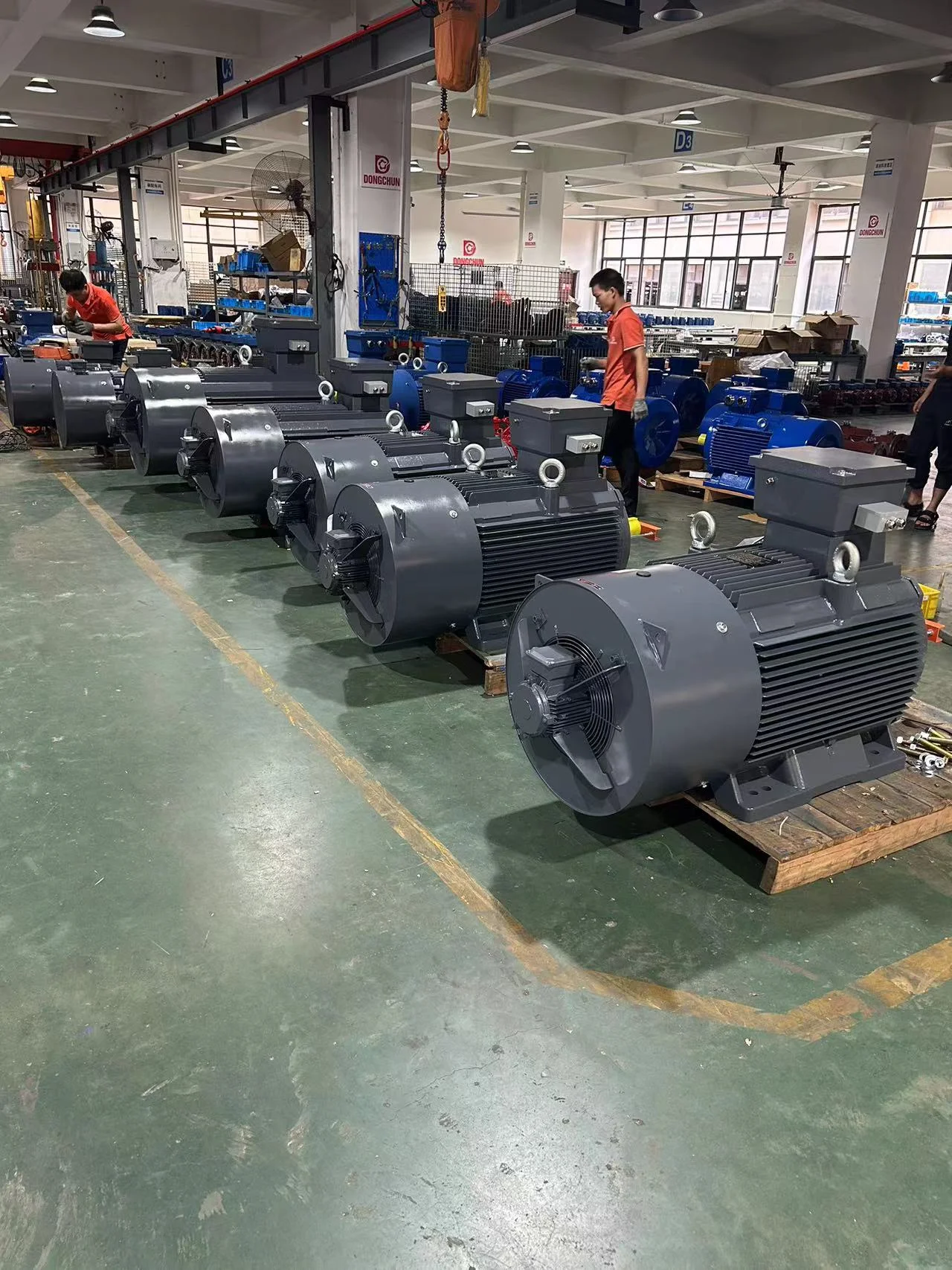
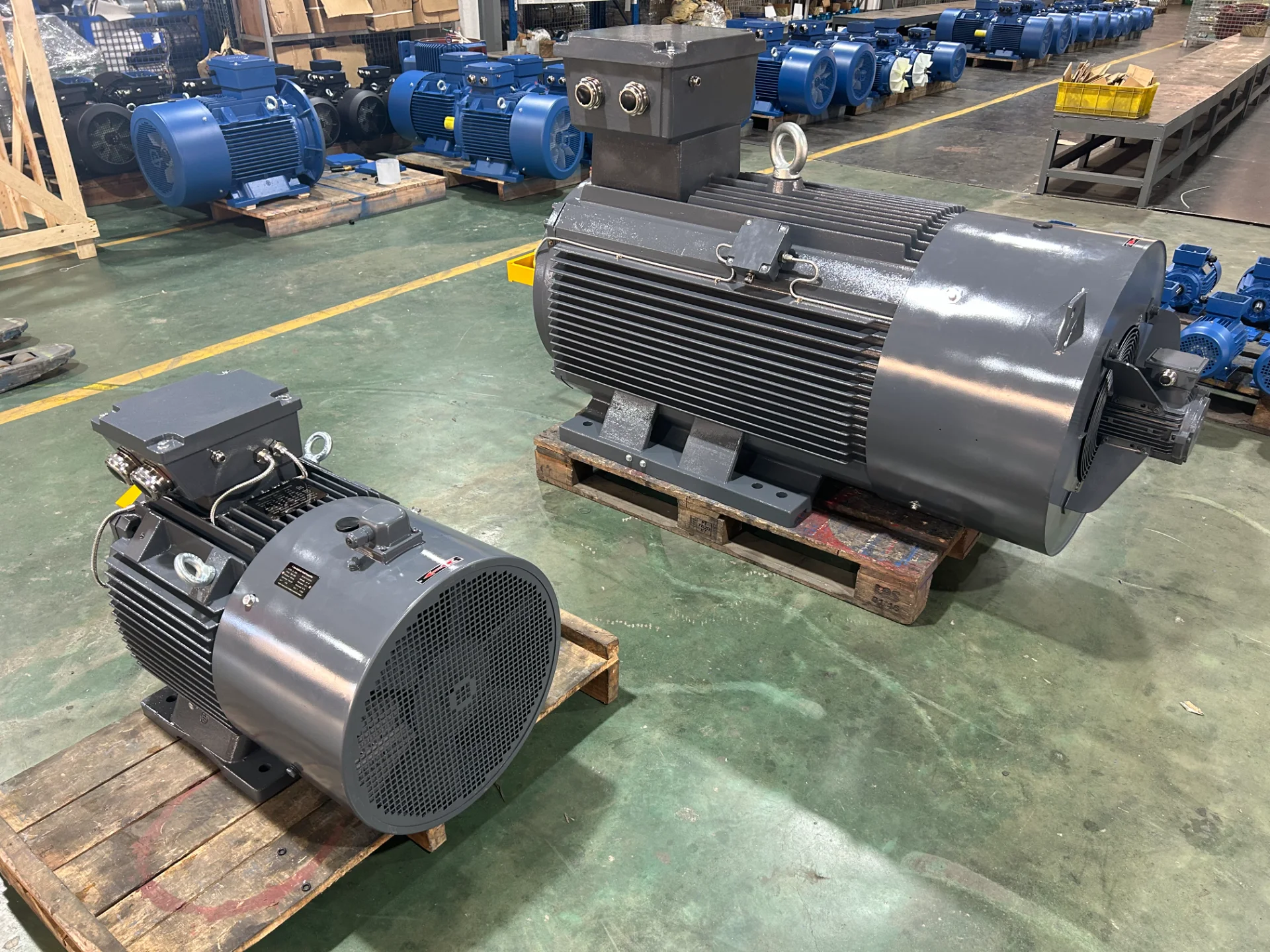
Opening a motor panel on a hot day always reminds me how fast things can go wrong when a VFD-driven motor starts running hotter than it should.
VFD motor overheating1happens when load, cooling, wiring, or VFD settings push the motor beyond safe temperature limits. Checking load, airflow, parameters, and cable conditions usually solves most cases quickly.
And trust me—busy procurement managers don’t have time to guess where the problem is coming from.
Sometimes the cause is obvious, sometimes it hides in small details—like a loose terminal that nobody thought to check.
MostVFD motor overheating1comes fromload issues2, poor cooling, wrong VFD parameters, bad wiring, harmonics, motor aging, or VFD hardware faults.
Let’s look deeper so you can spot issues fast—even if you’re not an engineer.
1) Load-related issues
When a motor works harder than it should, temperature climbs quickly. Excess load, mechanical blockage, or high-inertia equipment often forces the motor to draw more current than its rating, causing rapid overheating.
I’ve seen this happen in Chilean pump houses where a small stone stuck in the impeller made the whole system run like it was dragging a mountain. Suddenly the current jumped, and the motor cooked itself halfway.
Here’s how load problems usually show up:
Current higher than nameplate
Bearing wear or poor lubrication
Pump jamming or partial blockage
Heavy torque during startup on high-inertia machines
VFD motor overheating mainly occurs because excessive load, poor cooling, incorrect VFD parameters, or wiring issues push the motor beyond its safe operating temperature.VERO
High mechanical load, blocked airflow, wrong VFD settings, or wiring problems increase current and losses, which raises motor temperature and leads to overheating if not corrected.
VFD motor overheating usually happens even when the load is normal and cooling, wiring, and VFD parameters are correctly set.Falso
When load, cooling, wiring, and VFD parameters are properly matched to the motor, overheating is uncommon; most cases can be traced to identifiable issues such as overload, poor ventilation, or incorrect settings.
Deeper Look
High load forces the motor to generate more torque, and torque requires current. Current generates heat—simple as that. If the VFD tries to push the motor through a jammed mechanical system, each second adds stress to copper windings and insulation.
For procurement roles, this is important because selecting theright motor size3, correct capacitor system, O proper brake motoravoids 80% of overload cases. At Dongchun, when customers in Peru or Nigeria ask for sizing help, I usually ask for:
type of machine
duty cycle
start/stop frequency
expected load surges
This lets me match them with an ML, MY, YCL, YC single-phase motor or high-efficiency IE3/IE4 three-phase model that handles overload better. Small decisions here prevent big overheating issues later.
2) Poor motor cooling
Cooling problems are the silent killers.
Blocked air ducts, a broken fan, or dust-covered fins prevent proper heat dissipation, causing the motor to overheat even at normal load.
A warehouse in Ecuador once sent me photos of a motor that looked like it had lived inside a flour bag. After cleaning it, the overheating disappeared like magic.
Deeper Look
Cooling depends on clean airflow. When dust, cotton, or oil block the ventilation path, even a motor running at 60% load may reach critical temperature. And if the motor runs atlow frequency (<10 Hz), the fan spins too slowly and cooling collapses.
A simple check often solves this:
Cooling Issue
Risultato
Blocked air inlet/outlet
Rapid temperature rise
Fan damaged or missing
No airflow
Motor surface covered in dirt
Poor heat radiation
High ambient temperature
Reduced safety margin
For long installations—like conveyor lines in South Africa—we sometimes addindependent cooling fans4to keep airflow steady even at low VFD speeds.
3) Wrong VFD settings
This is one of the top causes—and often the most overlooked by busy managers.
Incorrect V/F curves, high carrier frequency, short acceleration times, or wrong nameplate data create excess current and motor heating.
I remember adjusting one customer’s VFD in Thailand: the carrier frequency was maxed out “because higher sounds better.” It doesn’t. It just makes more heat.
Selecting the correct motor size, cooling method, and VFD parameters significantly reduces the risk of overheating caused by overload, poor airflow, or excessive current.VERO
Proper motor sizing, adequate cooling, and correctly set VFD parameters keep current and temperature within design limits, preventing stress on windings, insulation, and bearings.
Motor cooling condition and VFD parameter settings have little impact on overheating as long as the motor is running below its rated load.Falso
Even at normal or partial load, blocked airflow, damaged fans, low-speed operation, or incorrect VFD settings can sharply reduce cooling and increase losses, leading to serious overheating.
Incorrect voltage/current parameters→ inefficient control
Long-term operation below 10 Hz→ no fan cooling
A good rule: Enter motor nameplate values exactly as written.
With our high-efficiency IE3 motors (TUV certified), I’ve noticed that correct parameter entry alone lowers temperature by 10–15°C in some installations.
Sometimes the motor is healthy—but the power feeding it isn’t.
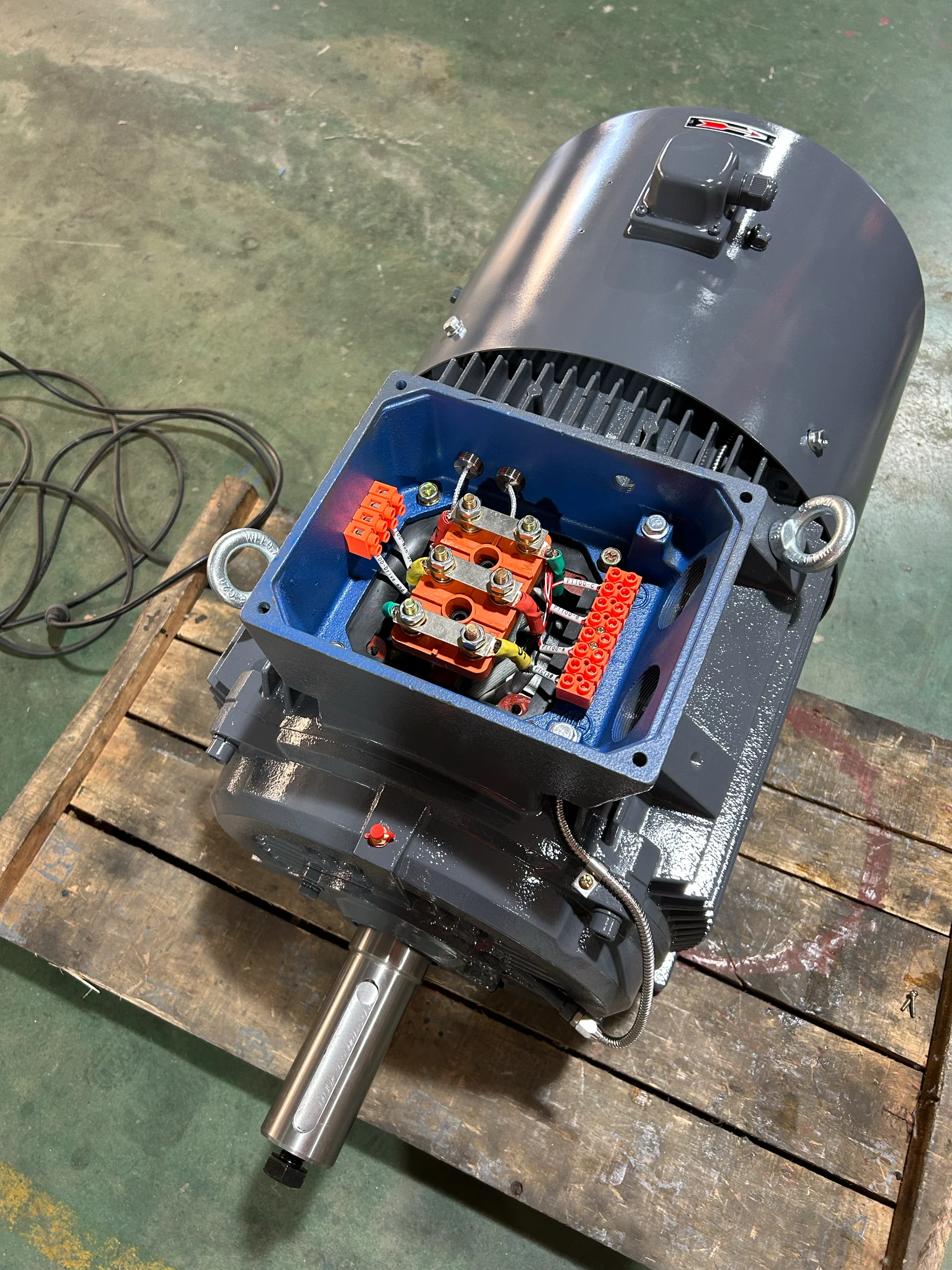
Overvoltage, undervoltage, long cables, loose terminals, or poor grounding increase losses and heat inside the motor.
Once, a client from Albania complained about “motor weakness.” We found a terminal so loose it was blackened from heat. A 10-second tightening fixed everything.
Deeper Look
Long cables (>50 m) increase:
voltage drop
dv/dt stress
leakage current
This can cause insulation heating—especially in older motors.
Recommended fixes:
Problem
Remedy
Long cables
Add output reactor or dv/dt filter
Undersized wire
Use thicker shielded cable
Loose terminals
Tighten all lugs
Voltage fluctuation
Check supply quality
Selecting the correct motor size, cooling method, and VFD parameters significantly reduces the risk of overheating caused by overload, poor airflow, or excessive current.VERO
Proper motor sizing, adequate cooling, and correctly set VFD parameters keep current and temperature within design limits, preventing stress on windings, insulation, and bearings.
Motor cooling condition and VFD parameter settings have little impact on overheating as long as the motor is running below its rated load.Falso
Even at normal or partial load, blocked airflow, damaged fans, low-speed operation, or incorrect VFD settings can sharply reduce cooling and increase losses, leading to serious overheating.
Conclusione
VFD motor overheating usually comes from simple causes: load, airflow, wrong settings, wiring, or aging equipment. If you check these step by step, you can solve most problems fast—even without deep technical knowledge.
Understanding the causes of VFD motor overheating can help you prevent costly downtime and ensure efficient operation.↩↩
Exploring load issues will provide insights into optimizing motor performance and avoiding overheating problems.↩
Understanding the significance of motor sizing can prevent costly overload issues and enhance operational efficiency.↩
Learn how adding independent cooling fans can enhance airflow and prevent overheating in critical applications.↩
Understanding carrier frequency can help optimize motor settings for better efficiency and reduced heat.↩
Exploring this topic can reveal critical insights into maintaining motor health and preventing overheating.↩
 Salta al contenuto