Anda tahu, memilih tempat yang tepat untuk memproduksi motor induksi bisa terasa seperti memilih rumah baru—yang terpenting adalah yang paling sesuai dengan kebutuhan Anda.
Tiongkok dan Iran masing-masing membawa kekuatan unik pada produksi motor induksi. Meskipun otomatisasi canggih dan skala ekonomi Tiongkok menawarkan manufaktur bervolume tinggi dan hemat biaya, biaya energi Iran yang rendah dan kedekatan regional memungkinkan solusi yang dipersonalisasi untuk pasar-pasar terdekat.
Ketika saya pertama kali terjun ke dunia motor induksi, saya segera menyadari bahwa dari mana motor ini berasal dapat berdampak besar pada harga, kualitas, dan ketersediaannya. Anggap saja seperti memilih di antara dua toko roti lokal—satu mungkin memiliki operasi besar dan efisien yang menghasilkan ratusan roti setiap hari, sementara yang lain berfokus pada kreasi pesanan dengan sentuhan yang lebih pribadi.
Di Tiongkok, skala dan tingkat otomatisasi sama seperti toko roti pertama—semuanya disederhanakan untuk menghasilkan produk dalam jumlah besar, sehingga biaya tetap rendah. Sementara itu, Iran menawarkan sesuatu yang mirip dengan toko roti kedua, dengan biaya energi yang rendah dan lokasi yang strategis sehingga ideal untuk solusi khusus yang memenuhi kebutuhan regional.
Memutuskan mana yang lebih baik untuk bisnis Anda sama seperti memilih di antara toko roti ini. Hal ini bergantung pada apakah Anda memerlukan produksi skala besar yang konsisten atau layanan lokal yang disesuaikan. Masing-masing memiliki daya tarik dan efisiensi tersendiri, dan memahami perbedaan ini dapat membantu Anda membuat pilihan terbaik untuk kebutuhan spesifik Anda.
Tiongkok memproduksi lebih banyak motor induksi dibandingkan Iran.BENAR
Otomatisasi canggih dan skala ekonomi Tiongkok memungkinkan output lebih tinggi.
Iran memiliki biaya energi yang lebih tinggi dibandingkan Tiongkok untuk produksi motor.PALSU
Iran mendapat keuntungan dari biaya energi yang rendah, menguntungkan untuk produksi.
Apa yang Membuat Pusat Manufaktur Tiongkok Begitu Kuat?
Pernahkah Anda bertanya-tanya mengapa Tiongkok menjadi raksasa manufaktur dunia? Ini bukan hanya tentang angka—ini adalah kisah tentang inovasi, ketahanan, dan kecemerlangan strategis.
Pusat manufaktur Tiongkok berkembang pesat karena skala ekonominya, infrastruktur mutakhir, tenaga kerja terampil, dan kebijakan pemerintah yang mendukung, menjadikannya pilihan yang tidak ada duanya bagi perusahaan global yang mencari solusi produksi yang efisien dan hemat biaya.
Fasilitas Manufaktur
Skala Ekonomi dan Efisiensi Biaya
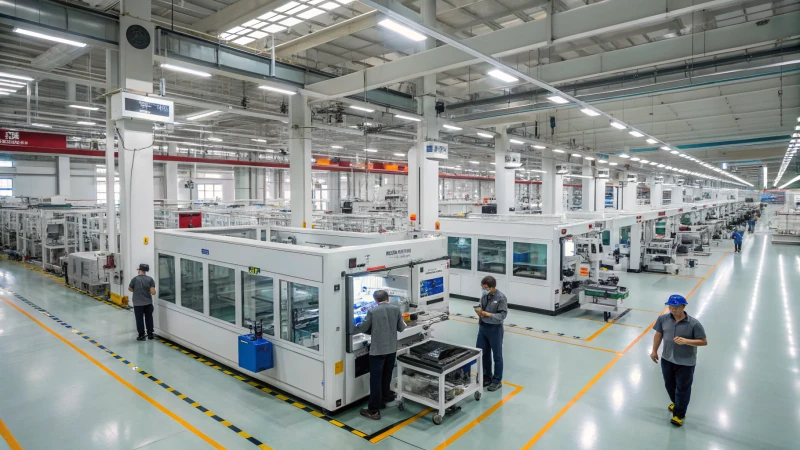
Saya ingat pertama kali saya mengunjungi pabrik besar di Tiongkok—rasanya seperti melangkah ke dunia yang berbeda. Skalanya sungguh menakjubkan, dengan mesin-mesin yang berdengung tanpa lelah, memproduksi barang dengan kecepatan yang mencengangkan. Itulah keajaiban skala ekonomi1 Di Sini; semuanya dirancang untuk menghasilkan lebih banyak dengan biaya lebih sedikit. Saya menyaksikan bahan mentah mengalir dengan lancar melalui jaringan rantai pasokan yang rumit, setiap tautan diasah hingga sempurna, memangkas biaya tanpa mengurangi kualitas.
Faktor
Dampak
Volume Produksi Tinggi
Menurunkan biaya per unit
Otomatisasi Lanjutan
Meningkatkan efisiensi
Tenaga Kerja Terampil
Meningkatkan produktivitas
Infrastruktur dan Logistik Tingkat Lanjut
Bayangkan sebuah tempat di mana segala sesuatunya saling terhubung—di mana pabrik-pabrik canggih hanya berjarak sepelemparan batu dari jaringan transportasi yang efisien dan pelabuhan yang ramai seperti Shanghai dan Shenzhen. Selama kunjungan saya, saya kagum pada betapa cepatnya produk berpindah dari jalur perakitan ke dermaga pengiriman, siap untuk dikirim pengiriman global2. Infrastruktur di sini tidak hanya mendukung produksi; itu mempercepatnya.
Angkutan: Jaringan kereta api berkecepatan tinggi dan sistem jalan raya yang luas memfasilitasi pergerakan barang dengan cepat.
Pelabuhan: Lokasi pelabuhan yang strategis membantu kelancaran operasi perdagangan internasional.
Tenaga Kerja Terampil dan Inovasi
Setiap kali saya berbicara dengan para pekerja di Tiongkok, dedikasi dan keahlian mereka terpancar. Mereka mewujudkan budaya kerja keras dan pembelajaran berkelanjutan, yang didukung oleh penekanan yang kuat pada pelatihan kejuruan3. It's inspiring to see how they master modern machinery and technologies, pushing the boundaries of quality and innovation in manufacturing.
Kebijakan dan Dukungan Pemerintah
I often hear from colleagues how China's government actively nurtures a business-friendly environment. Through tax incentives, subsidies, and progressive policies, it provides fertile ground for industries to thrive. The "Made in China 2025" initiative is a testament to this commitment, aiming to elevate technology and innovation across sectors.
Global Market Access and Partnerships
China's strategic trade agreements open doors to vast markets. Many international businesses see it as the gateway to global success. I've noticed firsthand how partnerships formed here benefit from access to a massive consumer base, solidifying China's position as a premier choice for companies worldwide.
In summary, when exploring theadvantages of China's manufacturing hub4, it's clear that these elements weave together an unmatched tapestry of global production prowess. From scale to skill, infrastructure to innovation, China offers a powerhouse platform for businesses aiming high.
China's manufacturing reduces per-unit costs via high volume.BENAR
Economies of scale in China allow for lower costs through high production.
China's workforce lacks technical skills and modern training.PALSU
China's workforce is known for technical skills and vocational training.
Apa Perbedaan Biaya Produksi Antara Tiongkok dan Iran?
Ever wondered how production costs stack up between China and Iran? Let's dive into the intriguing world of global manufacturing, where every factor counts.
China's manufacturing efficiency comes from automation and large-scale operations, making it cost-effective globally. Meanwhile, Iran capitalizes on low energy costs and regional advantages, offering competitive localized solutions despite smaller scales and less automation.
Contrasting Production Facilities
Economies of Scale and Automation
Let me take you back to when I first visited a sprawling factory in China. It was like stepping into the future—machines working in perfect harmony, creating products at lightning speed. This is China's secret sauce: massive scale and cutting-edge automation that keep costs down and competitiveness high. It's no wonder they're the go-to for many global buyers.
Contrast that with Iran, where I once toured a smaller, family-run facility. The warmth of the people was palpable, and their pride in craftsmanship shone through. Here, production leans heavily on manual processes, with basic automation sprinkled in. Yes, it's slower and can be pricier per unit, but Iran levels the playing field with incredibly low energy costs and government subsidies that bolster its regional market competitiveness.
Aspek
Cina
Iran
Skala
Produksi skala besar
Smaller-scale
Otomatisasi
High level of automation
Basic automation
Biaya Energi
Sedang
Rendah
Government Aid
Limited subsidies
Substantial subsidies
Regional Advantages and Market Suitability
Iran's strategic location is a game-changer. Picture this: a quick hop across the Middle East or Central Asia, delivering customized products just in time for a peak sales season. That's the kind of nimble service Iranian manufacturers excel at.
China, on the other hand, is a powerhouse on a global scale. I still remember my first visit to a Chinese logistics center—it was like watching a well-oiled machine in action, moving goods to every corner of the earth. Their international certifications ensure they meet stringent quality demands worldwide.
Sertifikasi dan Standar
Chinese manufacturers often boast impressive international certifications such asISO5 Dan CE6, opening doors to countless global markets. These certifications are crucial for industries needing top-notch quality assurance.
Iranian businesses, however, focus more on aligning with regional standards. When I chatted with an Iranian factory owner, he emphasized how their approach fits perfectly with regional customers who value localized solutions over international certifications.
Technological Prowess and Workforce
China's tech-savvy workforce is a force to be reckoned with. I recall meeting young engineers who were so passionate about innovation; it was contagious! This focus on technology keeps production costs low and quality high.
Meanwhile, Iran's workforce brings a different strength to the table—local expertise that's unmatched in providing tailored solutions. While they may not have cutting-edge tech just yet, their knack for customization appeals to nearby markets.
Kesimpulan
Exploring the production cost differences between China and Iran is like peeling back layers of a fascinating onion—each layer revealing new insights into scale, technology, and regional advantages. While China shines with its efficiency and automation prowess, Iran offers unique value through energy savings and strategic geography.
For anyone considering these regions for production partnerships or strategies, understanding these nuances is crucial. It's like choosing the right tool for the job; each has its own strengths depending on your needs. I encourage you to explore further intoregional manufacturing7capabilities as you align your strategic goals.
China's production costs are lower due to high automation.BENAR
China's advanced automation systems reduce per-unit production costs significantly.
Iran's manufacturing benefits from high government subsidies.BENAR
Sertifikasi dan Standar Apa yang Harus Dipenuhi Produsen?
Navigating the world of certifications is like finding your way through a bustling marketplace. Each certification tells a story of quality, compliance, and trust.
Manufacturers typically adhere to standards like ISO 9001 untuk manajemen mutu, CE menandai untuk kepatuhan Eropa, dan IE3 for energy efficiency. These certifications ensure consistent product quality, safety, and market performance.
Manufacturing Certification Logos
Memahami Sertifikasi Utama
As someone who loves diving into the intricacies of manufacturing, I've found that understanding certifications likeISO 90018is essential. Imagine it as a seal of approval that says, "We take quality seriously." It reassures both customers and regulators that products are consistently high in quality.
Then there's the CE marking. Picture it as your passport to Europe. It's that little logo on your product that whispers, "I'm safe, I'm reliable, and I respect the environment." Without it, products can’t legally be sold in the European Economic Area (EEA).
Energy efficiency also plays a huge role in today's eco-conscious world. Standards likeIE3 efisiensi tinggi9help manufacturers reduce energy consumption. It's like having a smart friend who always reminds you to turn off the lights when you leave a room.
Sertifikasi
Keterangan
ISO 9001
Quality management system standards
CE Menandai
European compliance for safety and health
IE3
High efficiency energy standards
Regional vs. International Standards
While international certifications open doors to global markets, regional standards ensure local compliance. Think of it like learning the local language when traveling. Manufacturers in Iran might focus more on regional certifications, enabling them to tailor their offerings to the Middle Eastern markets.
On the other hand, manufacturers in China juggle both international and regional standards. This dual approach gives them the flexibility to meet diverse customer needs across various markets seamlessly.
The Impact of Certifications on Procurement
For a procurement officer like Clayton in Chile, certifications are like a compass guiding purchasing decisions. They offer peace of mind, ensuring that suppliers meet industry standards for quality and safety.
Take electric motors with IE3 certification, for example. They promise energy efficiency compliance, which is a crucial factor in reducing long-term operational costs. Similarly, working with ISO-certified suppliers minimizes risks related to quality inconsistencies.
Certifications as a Competitive Advantage
In the bustling marketplace of manufacturing, certifications serve as more than just compliance checkmarks; they're strategic assets. Imagine walking through a crowded bazaar—those with certifications proudly displayed are more likely to draw attention and trust.
For instance, showcasing ISO 9001 or CE marks on products can enhance credibility among consumers and partners alike. This credibility often translates into increased sales and stronger business relationships.
In wrapping up, whether you're dealing with regional or international certifications, they play a crucial role in ensuring product quality and accessing new markets. Grasping these standards can significantly influence procurement strategies and lead to successful cross-border business operations.
ISO 9001 is a regional standard.PALSU
ISO 9001 is an international standard for quality management systems.
CE marking is mandatory in the EEA.BENAR
CE marking is required for products sold within the European Economic Area.
Siapa Klien Ideal untuk Motor China vs. Iran?
Choosing the right motor supplier can feel like a maze, but understanding your ideal client profile is the key to finding the perfect match.
Chinese motors are best for international buyers seeking cost efficiency and variety, while Iranian motors cater to regional clients who value affordability and simple logistics.
Motor Listrik
Origin Advantages
Motor Cina
Ever find yourself marveling at China's ability to produce everything under the sun? Their motors are no exception. Thanks to China's status as aglobal manufacturing hub10, they offer comprehensive supply chains that make cost-effective, high-volume production possible. Imagine you're a procurement officer at a large enterprise, hunting for economies of scale—Chinese motors could be your jackpot.
Iranian Motors
On the other hand, Iranian motors have their own charm. Picture this: You're a regional client in the Middle East or Central Asia, and you need quick deliveries without the fuss. Iran's geographical proximity allows for just that, providing swift delivery and tailored solutions right to your doorstep.
Production Cost Comparison
Negara
Faktor Biaya
Keuntungan
Cina
Economies of Scale, Automation
Lower costs due to high production volumes
Iran
Low Energy Costs, Subsidies
Competitive pricing for smaller-scale needs
When I think about the production process, Chinese motors immediately bring to mind images of sleek, automated factories buzzing with efficiency. It's like watching a perfectly orchestrated symphony where automation and skilled workers harmonize to produce quality and variety.
In contrast, Iranian motors remind me of a cozy family-run business—affordable due to low energy costs, tailored for clients who appreciate budget-friendly solutions without unnecessary frills.
Sertifikasi dan Standar
Motor Cina
China's motors come with a badge of honor—international certifications likeISO11 Dan CE, making them perfect for buyers who prioritize global standards.
Iranian Motors
Meanwhile, if you're all about keeping it local, Iranian motors focus on regional certifications. These motors are ideal for clients who adhere to specific standards in their neck of the woods.
Market Demand and Client Suitability
Thinking about large-scale buyers like Clayton from our audience, Chinese motors offer consistent quality and a variety of options. Imagine rebranding these products for resale in dynamic markets like Chile.
Conversely, if you're a regional customer in Central Asia, Iranian motors might just be your cup of tea. With their affordable pricing and simplified logistics, Iranian manufacturers can customize offerings swiftly—no international shipping headaches involved.
Technology and Scale
Chinese factories are akin to highly automated production lines you might see in a sci-fi movie—perfect for clients looking to source in bulk.
Iranian operations, however, focus on manual customization. It's as if each motor is a bespoke suit tailored to meet clients' unique needs with just the right touch of basic automation features.
Understanding these nuances can empower businesses like Clayton's to make informed decisions when choosing between Chinese and Iranian motor suppliers. It's all about finding the right fit for your unique needs.
Chinese motors have international certifications like ISO.BENAR
Chinese motors are certified with ISO and CE, aiding global market access.
Iranian motors are more expensive due to high energy costs.PALSU
Iranian motors benefit from low energy costs, making them affordable.
Kesimpulan
China excels in induction motor production with automation and scale, while Iran offers low energy costs and regional customization, catering to different market needs effectively.
Understanding economies of scale helps in evaluating China's cost advantages in manufacturing.↩
Learn about China's logistics capabilities, crucial for international trade.↩
Discover how China's skilled workforce contributes to its manufacturing success.↩
Gain comprehensive insights into why China is a leading manufacturing center.↩
Explore China's role as a global manufacturing hub to understand how it achieves economies of scale and cost efficiency.↩
Learn why international certifications like ISO are vital for manufacturers aiming to penetrate global markets.↩
Discover how Iran leverages its geographical location for manufacturing advantages in nearby markets.↩
Learn how ISO 9001 ensures consistent quality management across industries.↩
Explore how IE3 certification improves energy efficiency in electric motors.↩
Understand how being a global manufacturing hub aids in cost efficiency and high-volume production.↩
Learn how ISO certification expands market access by meeting international quality standards.↩
 Lewati ke konten