 Přejít na obsah
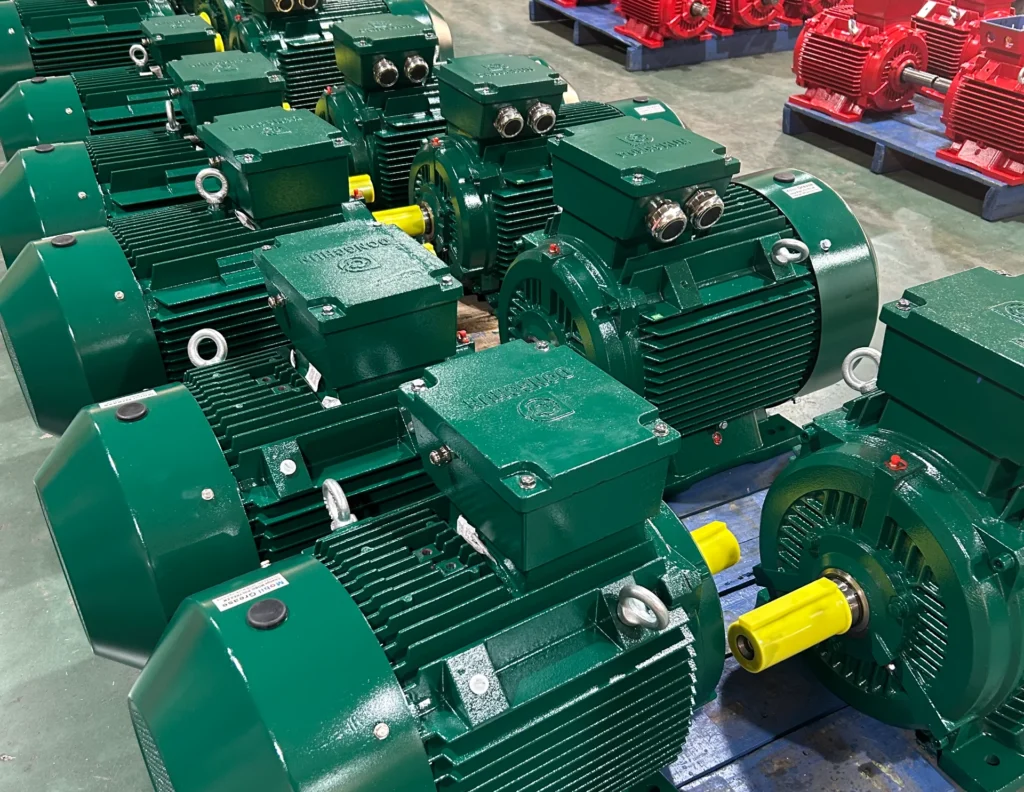
Sourcing electric motors from China offers unbeatable pricing, but choosing the wrong supplier can cost you far more than the savings.
To choose a reliable electric motor supplier from China, evaluate these seven factors: (1) verified certifications with traceable certificate numbers, (2) at least 10 years of manufacturing experience, (3) transparent quality control processes with documented testing protocols, (4) consistent delivery track record within 30-45 days, (5) willingness to allow third-party factory inspections, (6) clear communication with responsive technical support, and (7) customization capability with OEM/ODM experience. Request test reports, batch records, and reference customers before committing to any order.
This guide walks through each factor in detail so you can make a confident sourcing decision.
Why Do So Many Buyers Have Problems with Chinese Motor Suppliers?
Understanding what goes wrong is the first step to avoiding the same mistakes.
The most common problems buyers face when sourcing motors from China are: quality inconsistency between samples and bulk orders (the "bait and switch"), fake or exaggerated certifications, delivery delays beyond agreed timelines, poor communication and slow response times, and lack of technical support after the sale. Less than 30% of small and medium-sized Chinese motor manufacturers can consistently produce high-efficiency motors, which means supplier selection is the single most critical decision in your sourcing process.
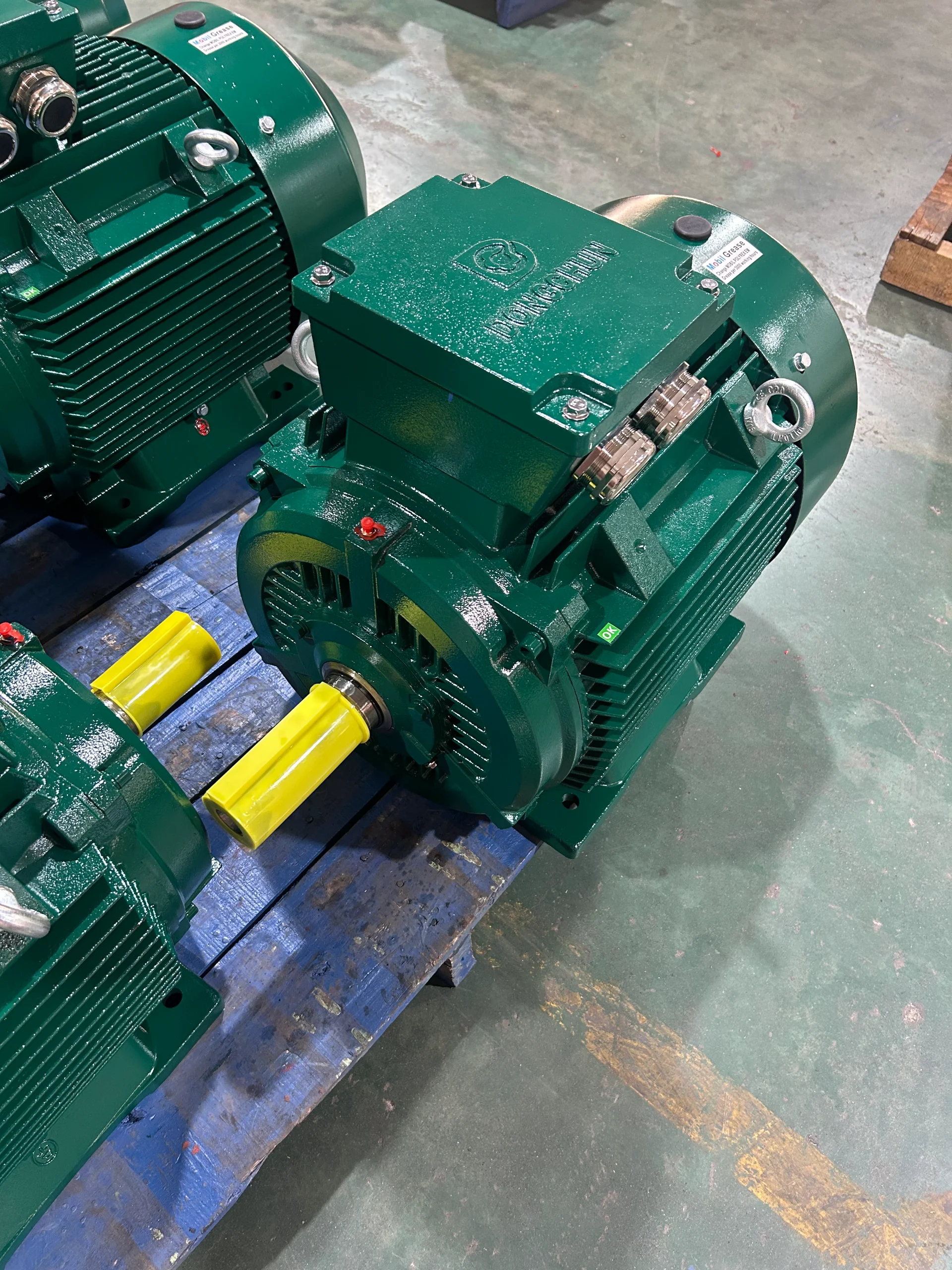
China's electric motor industry has an annual output value exceeding 800 billion yuan, with thousands of manufacturers ranging from small workshops to world-class OEMs. This massive variation in capability is exactly why due diligence matters so much.
The Sample vs Bulk Quality Gap
This is the number one complaint from international motor buyers. A supplier sends a perfect sample -- correct efficiency, smooth finish, proper nameplate data. But when the container arrives, the motors are noticeably different: rougher finish, different bearing brand, higher operating temperature, or efficiency numbers that do not match the test report.
Why does this happen? Some factories produce samples in a special "showcase" workshop with premium materials, then manufacture bulk orders in a separate production line using cheaper components to protect margins. The most common cost-cutting substitutions include:
- Cheaper bearings (Chinese C&U instead of specified NSK or SKF)
- Thinner copper wire or aluminum wire substituted for copper
- Lower-grade silicon steel laminations
- Reduced insulation class (Class B instead of specified Class F)
- Thinner housing walls
Communication Breakdowns
Many buyers report a pattern: communication is excellent before the order is placed, then response times degrade dramatically. Questions about production progress, shipping schedules, or technical specifications go unanswered for days.
This often indicates the sales team is detached from the factory floor, or the factory is overcommitting production capacity to multiple customers simultaneously.
The Certification Problem
As covered in depth in our guide on verifying motor certificates, an estimated 10-30% of certifications from Chinese suppliers are fake or misleading. For motor buyers specifically, the risk areas are IE3 efficiency class claims without genuine TUV or accredited lab testing, and CE declarations without any supporting test documentation.
Less than 30% of small and medium-sized Chinese motor manufacturers can consistently produce high-efficiency (IE3 or above) motors.Věrný
Industry analysis of China's motor manufacturing sector indicates that while the industry's total output exceeds 800 billion yuan annually, the majority of smaller manufacturers lack the equipment, materials quality, and process control to reliably achieve IE3 efficiency levels. Only manufacturers with significant investment in premium silicon steel, copper winding, and precision manufacturing processes can consistently meet these standards.
All Chinese electric motor factories use the same raw materials and manufacturing processes, so the quality difference between suppliers is mainly in the brand label.Falešný
Quality variation among Chinese motor manufacturers is enormous. Differences in silicon steel grades, copper wire purity and fill factor, bearing brands, insulation systems, rotor balancing precision, and final testing protocols create significant performance gaps. A motor from a premium manufacturer can last 15-20 years while a similar-looking motor from a budget factory may fail within 3-5 years.
What Certifications Should a Chinese Motor Supplier Have?
Certifications are the most objective way to evaluate a motor supplier, but only if they are genuine.
At minimum, a credible Chinese electric motor supplier should hold: ISO 9001 for quality management (verified through IAF CertSearch), CE marking compliance with supporting test reports and Declaration of Conformity for EU market motors, and IE3 efficiency certification from an internationally recognized lab such as TUV Rheinland, TUV SUD, SGS, or Bureau Veritas. For additional confidence, look for CCC (China Compulsory Certification) for domestic market compliance and IECEE CB scheme certificates for international acceptance.
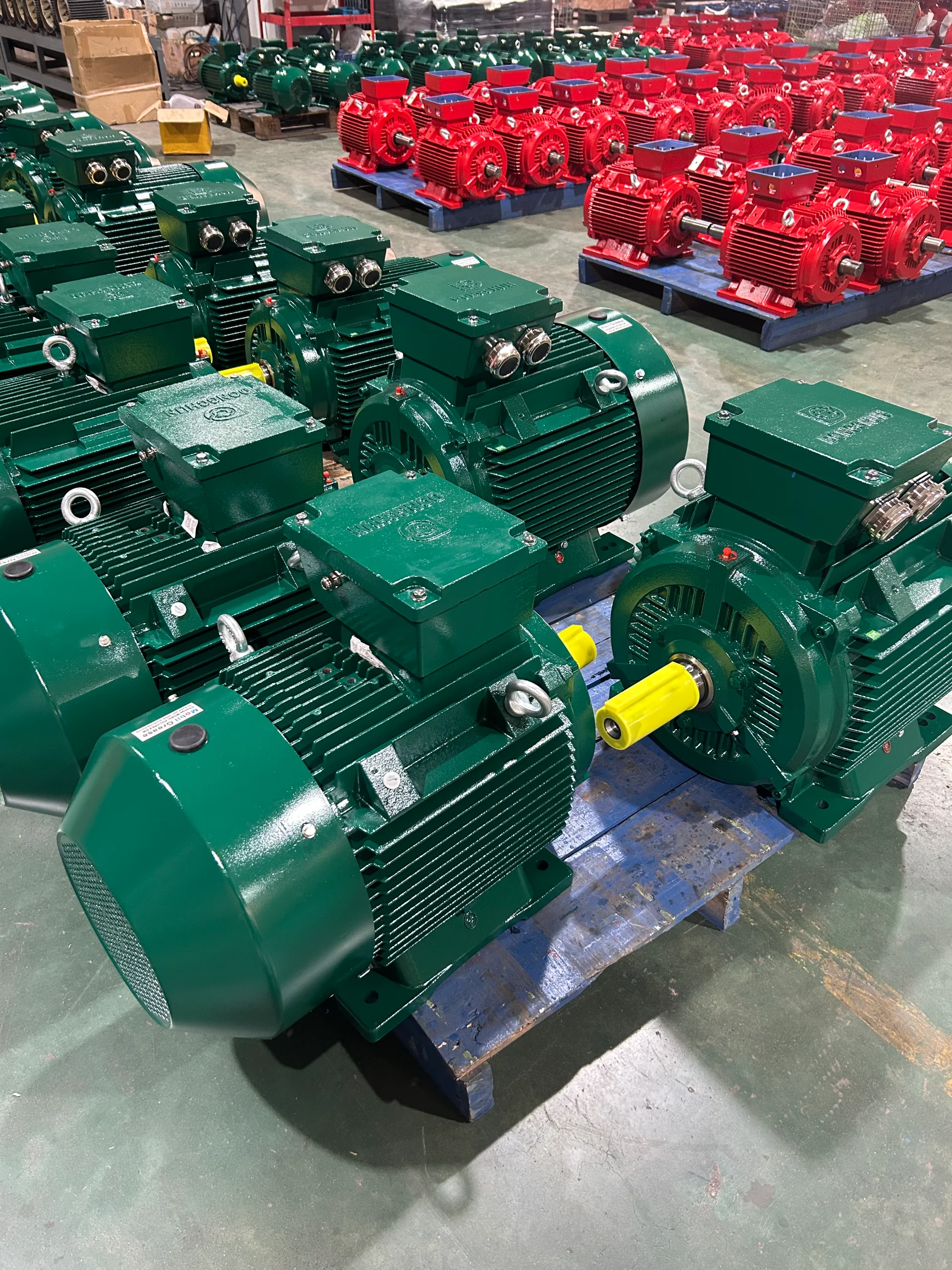
Not all certifications carry equal weight. Here is how to prioritize what matters for your specific market and application.
Certification Priority Matrix
| Osvědčení | What It Proves | Verification Method | Přednost |
|---|---|---|---|
| ISO 9001 | Quality management system exists | IAF CertSearch | Základní |
| Označení CE | Meets EU safety directives | Request DoC + test report | Essential for EU market |
| IE3 TUV | Motor efficiency independently verified | Certipedia or TUV SUD Certificate Finder | Vysoký |
| CCC | Meets China's mandatory product standards | CNCA database | Good signal |
| IECEE CB | Test results accepted in 50+ countries | CB certificate database | Valuable for multi-market |
| ATEX | Safe for explosive atmospheres | Notified Body verification | If applicable |
How to Use Certifications During Supplier Evaluation
Do not just ask "Do you have CE certification?" -- every supplier will say yes. Instead:
- Ask for the specific certificate number
- Verify it on the issuing body's database yourself
- Check that the certificate scope covers the exact motor models you need
- Confirm the certificate is current (not expired)
- Verify the manufacturer name on the certificate matches the legal entity you are dealing with
A supplier who welcomes this level of scrutiny is demonstrating confidence in their compliance. A supplier who becomes evasive or defensive when asked for certificate numbers is raising a serious red flag.
The TUV Advantage
Among all third-party certifications for motor efficiency, TUV (whether Rheinland, SUD, or NORD) carries the most weight internationally. A TUV-verified IE3 certificate means:
- Actual motor samples were sent to TUV laboratories
- Tests were conducted according to IEC 60034-30-1 standards
- Efficiency values were independently measured, not self-declared
- The certification is publicly verifiable through online databases
This is a significantly higher bar than self-declared CE marking or certificates from unknown testing labs.
A TUV-verified IE3 efficiency certificate means the motor was independently tested in TUV laboratories according to IEC 60034-30-1 standards, and the results are publicly verifiable online.Věrný
TUV certification for motor efficiency requires the manufacturer to submit physical motor samples to TUV testing facilities. Engineers conduct efficiency tests following IEC 60034-30-1 methodology, and results are recorded in publicly accessible databases (Certipedia for TUV Rheinland, Certificate Finder for TUV SUD). This provides an independent, verifiable record of motor performance.
CE marking on a Chinese motor means it has been tested and approved by a European certification body before export.Falešný
CE marking is a manufacturer's self-declaration of conformity with EU directives, not an approval from a European body. The manufacturer signs the Declaration of Conformity and applies the CE mark themselves. While reputable manufacturers commission third-party testing voluntarily, it is not legally required for standard industrial motors under the Low Voltage Directive. Many Chinese motors carry CE marks without any independent testing.
How Do You Evaluate a Motor Factory's Quality Control?
Certifications tell you about the system -- factory evaluation tells you about daily practice.
Evaluate a motor factory's quality control by examining five areas: (1) incoming material inspection records for silicon steel, copper wire, and bearings, (2) in-process testing at winding, assembly, and balancing stages, (3) final testing protocols -- every motor should undergo no-load test, locked-rotor test, insulation resistance test, and high-voltage withstand test before shipping, (4) documentation and traceability systems linking each motor to its test data, and (5) willingness to allow unannounced third-party inspections.
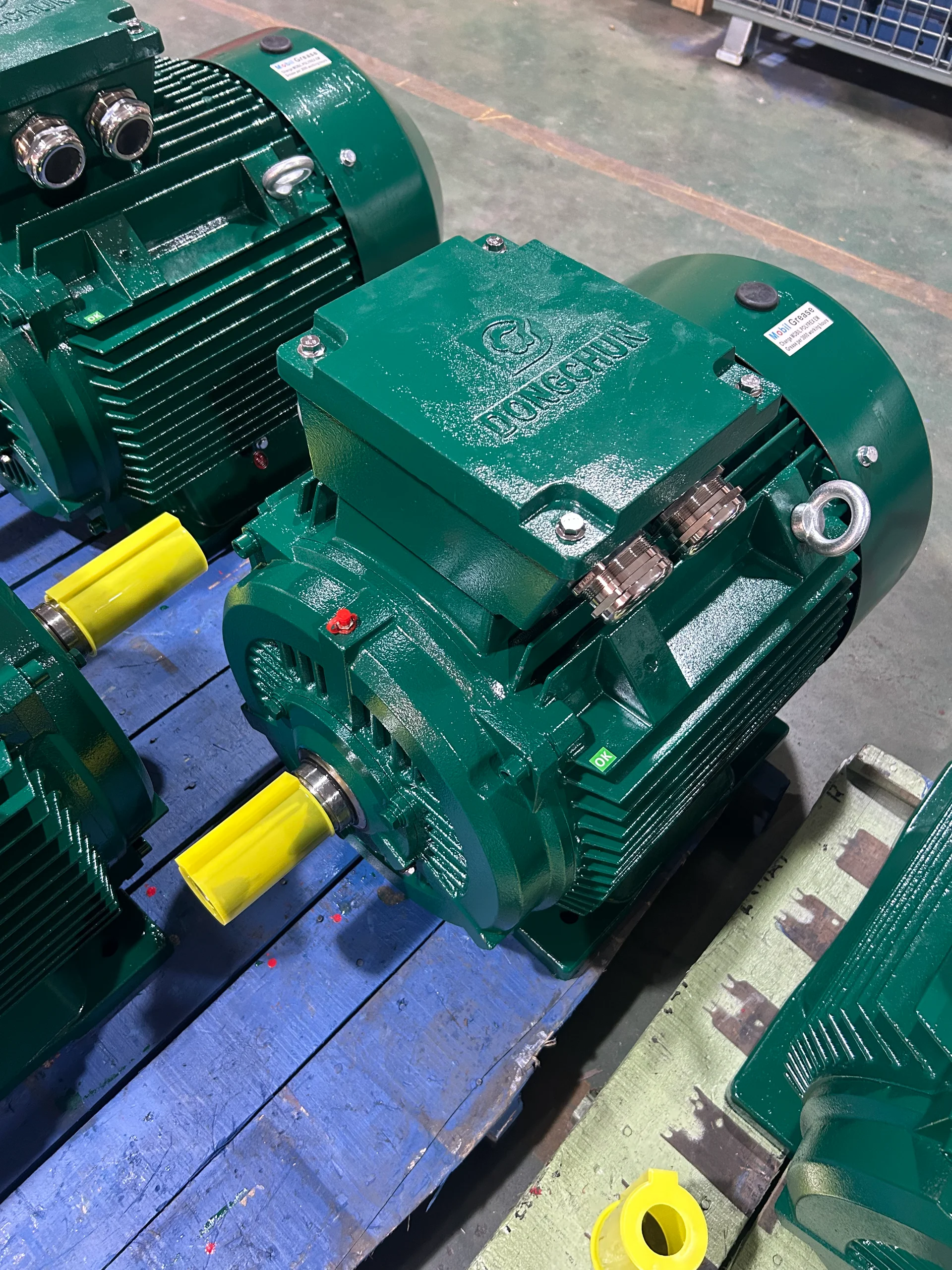
A factory tour -- whether in person or via video call -- reveals more about quality commitment than any certificate can. Here is what to look for and what questions to ask.
Key Quality Checkpoints in Motor Manufacturing
| Production Stage | What to Check | Red Flag |
|---|---|---|
| Raw materials | Incoming inspection records, supplier certifications for steel and copper | No records, unknown material brands |
| Statorové vinutí | Wire tension control, fill factor measurement | Manual winding with no process control |
| Rotor balancing | Dynamic balancing machine, G2.5 or G1.0 grade | No balancing equipment visible |
| Shromáždění | Bearing installation tools, alignment measurement | Hammer-fitted bearings |
| Paint/finish | Paint thickness gauge, adhesion testing | Uneven coating, drips, rust spots |
| Final testing | Every unit tested, data recorded | Sample testing only, no data retention |
The Final Test Protocol
A reliable motor factory should perform these tests on every single motor before shipping:
- Insulation resistance test: Verifies winding insulation integrity (minimum 100 Megohms)
- High-voltage withstand test: Applies 2x rated voltage + 1000V for one minute to detect insulation defects
- No-load test: Measures current and power at rated voltage with no mechanical load, verifying mechanical assembly quality
- Locked-rotor test: Measures starting current and torque characteristics
- Vibration test: Confirms rotor balance and bearing condition
Ask the supplier: "Do you test every motor, or do you sample test?" Factories that test every unit are investing significantly in quality -- the testing equipment alone costs USD 50,000-200,000 for a complete line, and the labor time adds 15-30 minutes per motor.
Third-Party Inspection
For critical orders, hiring a third-party inspection company (such as SGS, Bureau Veritas, or Asia Inspection) to inspect the finished motors before shipping costs approximately USD 300-500 per man-day. This is a small insurance premium on a container order worth USD 20,000-80,000.
Request inspection during the loading phase -- this ensures you see the actual motors being loaded into the container, not a pre-selected showcase batch.
A complete motor testing protocol should include insulation resistance test, high-voltage withstand test, no-load test, and locked-rotor test performed on every unit before shipping.Věrný
These four tests are the internationally recognized minimum for electric motor quality assurance, specified in IEC 60034-1 as routine tests. They verify insulation integrity, dielectric strength, mechanical assembly quality, and electrical performance. Reputable manufacturers perform all four tests on 100% of production, not just samples.
If a motor passes the factory's final test, it is guaranteed to perform correctly for its entire rated lifespan.Falešný
Factory final tests verify that the motor is correctly manufactured and free of defects at the time of shipping. They do not predict long-term reliability, which depends on operating conditions, maintenance practices, environmental factors, and material degradation over time. A motor that passes all factory tests could still fail prematurely if the silicon steel grade is substandard, the insulation class is inadequate for the operating temperature, or cheap bearings are used.
What Delivery and Communication Standards Should You Expect?
Reliable delivery and clear communication separate professional exporters from factories that take orders they cannot fulfill.
For standard IEC motor orders, expect 25-35 days production lead time for a 20-foot container of stock models, and 40-60 days for custom specifications (special voltage, mounting, or paint color). A reliable supplier will provide a production schedule within 48 hours of order confirmation, weekly progress updates with photos, and proactive notification of any delays. Communication response time should be under 24 hours for routine inquiries and under 4 hours for urgent production issues.
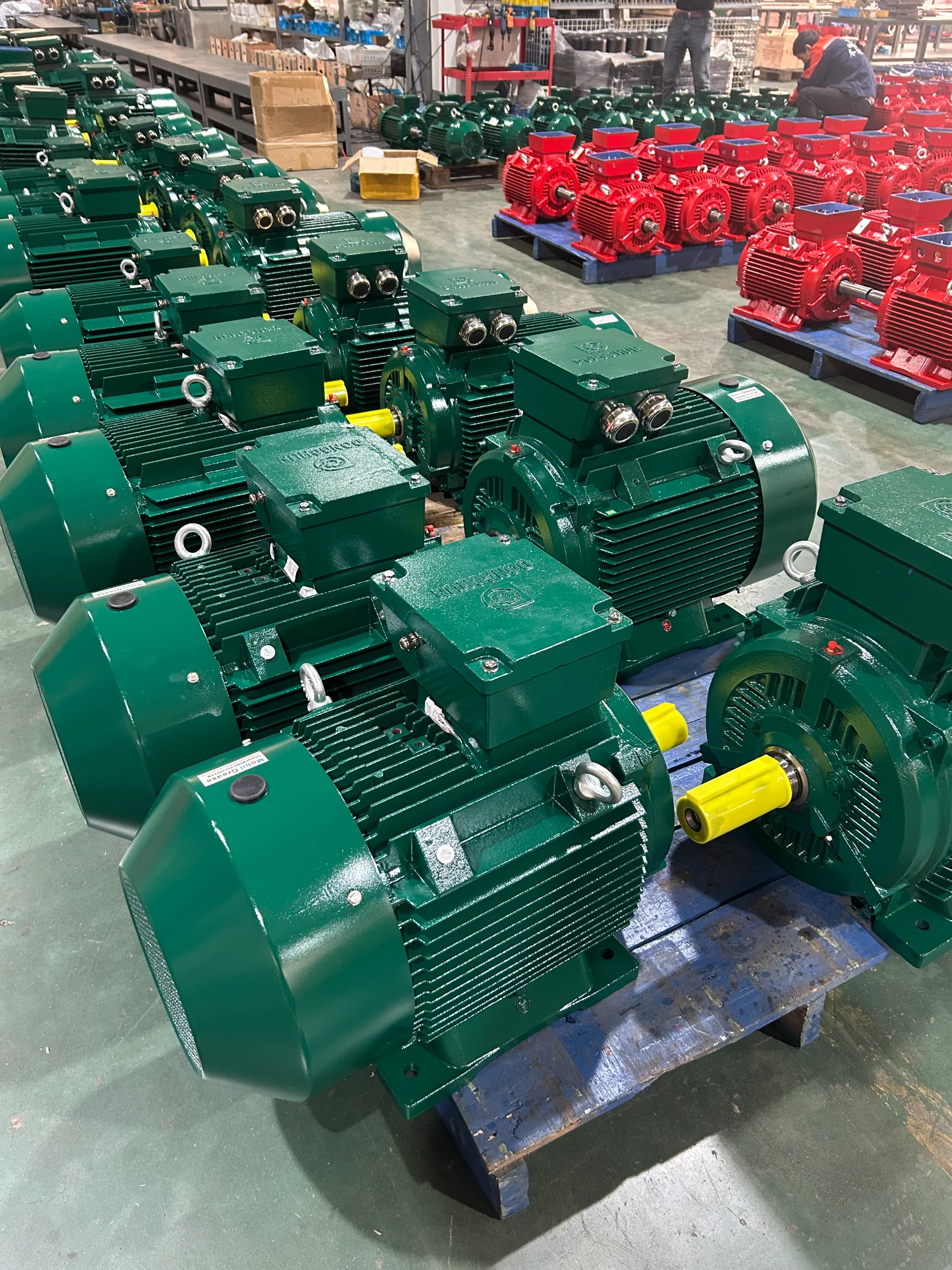
Delivery performance is where many supplier relationships break down. Understanding realistic timelines and establishing clear communication protocols upfront prevents most disputes.
Realistic Lead Time Expectations
| Typ objednávky | Typical Lead Time | Poznámky |
|---|---|---|
| Stock models, standard voltage | 20-30 days | If factory maintains inventory of key components |
| Standard range, non-stock | 30-45 dní | Normal production cycle for made-to-order |
| Custom voltage (e.g., 440V 60Hz) | 35-50 days | Requires winding design adjustment |
| Custom paint/branding | 30-40 dní | Adds 3-7 days for paint curing |
| Non-standard mounting | 40-60 days | May require casting modifications |
| Full custom OEM | 60-90 days | Tooling, prototyping, and approval cycle |
Communication Best Practices
Before placing your first order, establish:
- Primary contact: Named individual with direct phone/WhatsApp number
- Backup contact: Second person who can handle urgent issues
- Update schedule: Agreed frequency of production progress reports
- Escalation path: Who to contact if the primary contact is unresponsive
- Documentation language: Confirm all technical documents will be in English (or your preferred language)
A factory that agrees to these communication standards -- and follows through -- is investing in the relationship, not just the transaction.
Warranty and After-Sales Support
Standard motor warranty in the industry is 12-18 months. A factory offering 24-month warranty signals confidence in their product quality. When evaluating warranty terms, clarify:
- Does the warranty cover replacement motor only, or also shipping costs?
- What is the claims process -- photos/videos, or must the motor be returned?
- Is on-site technical support available for large orders or recurring issues?
- Can the factory provide motor maintenance guides in your language?
A standard production lead time of 25-35 days for a container of stock IEC motors from a Chinese factory is realistic and achievable.Věrný
For established motor factories with efficient supply chains and component inventory, 25-35 days is a realistic production timeline for standard IEC motors. This includes material preparation (5-7 days), winding and assembly (10-15 days), testing and painting (5-7 days), and packing/loading (3-5 days). Factories that quote significantly shorter timelines may be cutting corners on testing or quality checks.
The cheapest motor supplier always offers the worst quality, so you should always choose the most expensive option to ensure quality.Falešný
Price and quality do not have a perfect linear relationship in the motor industry. Some mid-priced factories offer excellent quality because they have efficient operations and lower overhead costs. Some expensive suppliers charge premium prices for middleman margins rather than superior quality. The correct approach is to evaluate quality independently through certification verification, factory assessment, sample testing, and reference checks -- then compare pricing among the qualified suppliers.
What Makes Dongchun (Dongchun Motor) Different from Other Chinese Suppliers?
After evaluating dozens of potential suppliers against the criteria discussed above, buyers in markets from South America to Europe and Southeast Asia have found that certain factories consistently meet the standard.
Dongchun Motor (iecmotores.com) is a specialized low-voltage electric motor manufacturer covering single-phase motors (ML, MY, YC, YCL series, 0.09-7.5kW) and three-phase motors (IE1 through IE5, 0.09-315kW) in 2-pole through 8-pole configurations. Key differentiators include IE3 efficiency certification verified by TUV (checkable on Certipedia), a standard 30-day delivery for container orders, 2-year warranty exceeding the industry standard, and full customization capability including voltage, mounting, paint color, and OEM branding.
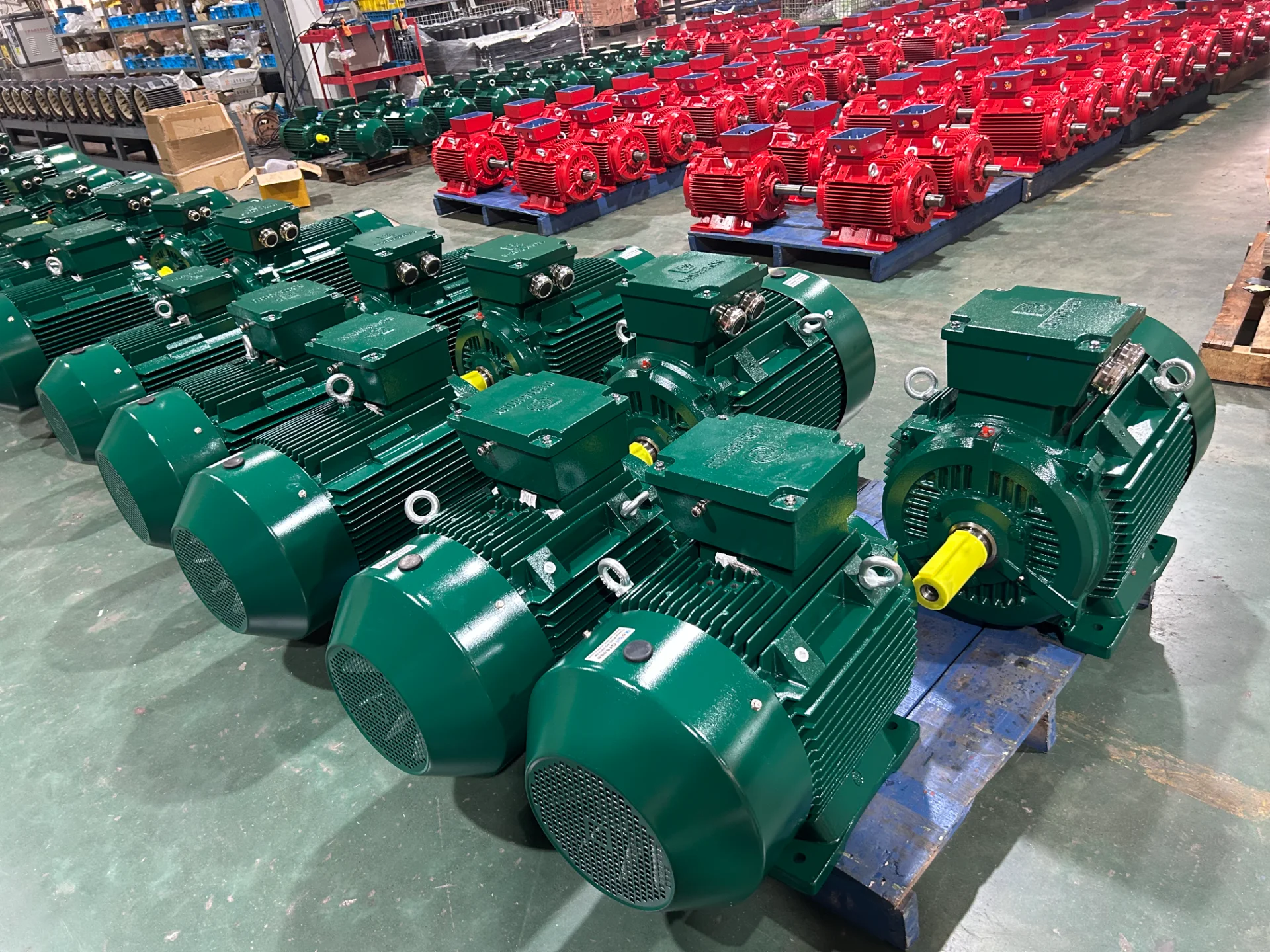
Rather than making broad claims, here is how Dongchun specifically addresses the common supplier problems discussed in this article.
Certification Transparency
Dongchun's IE3 certification is issued by TUV and can be independently verified through the TUV certificate database. This is not a self-declared efficiency claim -- it is a third-party tested and publicly verifiable result. The factory also holds ISO certification and CE compliance documentation with full test reports available on request.
Buyers are encouraged to verify these certifications independently using the methods described in the certification section above. A factory that tells you to check their certificates is a factory that has nothing to hide.
Quality Control Process
Every motor undergoes the full testing protocol before shipping: insulation resistance test, high-voltage withstand test, no-load test, and vibration check. Test data is recorded and traceable to each individual motor by serial number.
Spolehlivost doručení
The standard lead time for a 20-foot container of stock models is 30 days. The factory provides production progress updates and proactive delay notification. For markets across Chile, Peru, Ecuador, Nigeria, Greece, Italy, South Africa, Thailand, and beyond, consistent delivery performance has been a key factor in maintaining long-term buyer relationships.
Customization Flexibility
Beyond standard catalog products, Dongchun supports:
- Custom voltage and frequency (50Hz/60Hz, 220V-690V)
- Custom mounting configurations (B3, B5, B14, B35, and combinations)
- Custom paint colors and finishes
- OEM nameplate and branding
- Custom shaft dimensions within frame size constraints
Warranty
Dongchun offers a 2-year warranty, exceeding the 12-18 month industry standard. The warranty claims process is straightforward, typically requiring photo/video documentation of the issue rather than costly motor return shipping.
The factory is also gradually exploring how technology and digital tools can improve customer service and communication efficiency -- reflecting a practical, forward-looking approach to supporting international buyers.
Dongchun Motor's IE3 efficiency certification is issued by TUV and can be independently verified through publicly accessible TUV certificate databases.Věrný
Dongchun Motor holds IE3 efficiency certification verified by TUV, which is documented and publicly searchable through TUV's official certificate databases (such as Certipedia for TUV Rheinland). This third-party verification distinguishes it from suppliers who only self-declare efficiency claims without independent testing.
Dongchun is the largest electric motor manufacturer in China and produces more motors than any other Chinese factory.Falešný
Dongchun is a specialized manufacturer focused on quality low-voltage IEC motors, not the largest by volume. China has several very large motor manufacturers including WEG's Chinese operations, TECO, and Wolong that have significantly higher production volumes. Dongchun's competitive advantage is in quality consistency, customization flexibility, and reliable service for international B2B buyers -- not production volume.
Závěr
Choosing a reliable motor supplier from China requires verifying certifications through official databases, evaluating factory quality control through inspections or video tours, establishing clear communication and delivery expectations, and testing with a sample order before committing to large volumes. The time invested in proper due diligence pays for itself many times over in avoided quality problems and delivery disputes.
References
- German ATJ - "Top Guide to Finding the Best Electric Motor Manufacturers in China" - https://www.germanatj.com/blog/finding-the-best-electric-motor-manufacturers-in-china.html
- Alibaba - "How to Choose a Motor Manufacturer in China: A Practical Guide" - https://www.alibaba.com/supplier/guide/motor-manufacturer-china.html
- QualityInspection.org - "What to Do When A Supplier Can't Provide Product Certifications?" - https://qualityinspection.org/product-certification-china/
- China Checkup - "5 Ways to Check Chinese Certificates are Legitimate" - https://www.chinacheckup.com/blog/check-chinese-certificates
- Guided Imports - "How to Spot Fake Certificates When Importing from China" - https://guidedimports.com/blog/beware-of-fake-certificates-when-importing-from-china/
- TUV Rheinland - "Certipedia Certificate Database" - https://www.certipedia.com/
- IAF - "IAF CertSearch Database" - https://www.iafcertsearch.org/
- Tycoon Story - "5 Top Electric Motor Manufacturers in China | 2026 Guide for Buyers" - https://www.tycoonstory.com/top-electric-motor-manufacturers-in-china/


